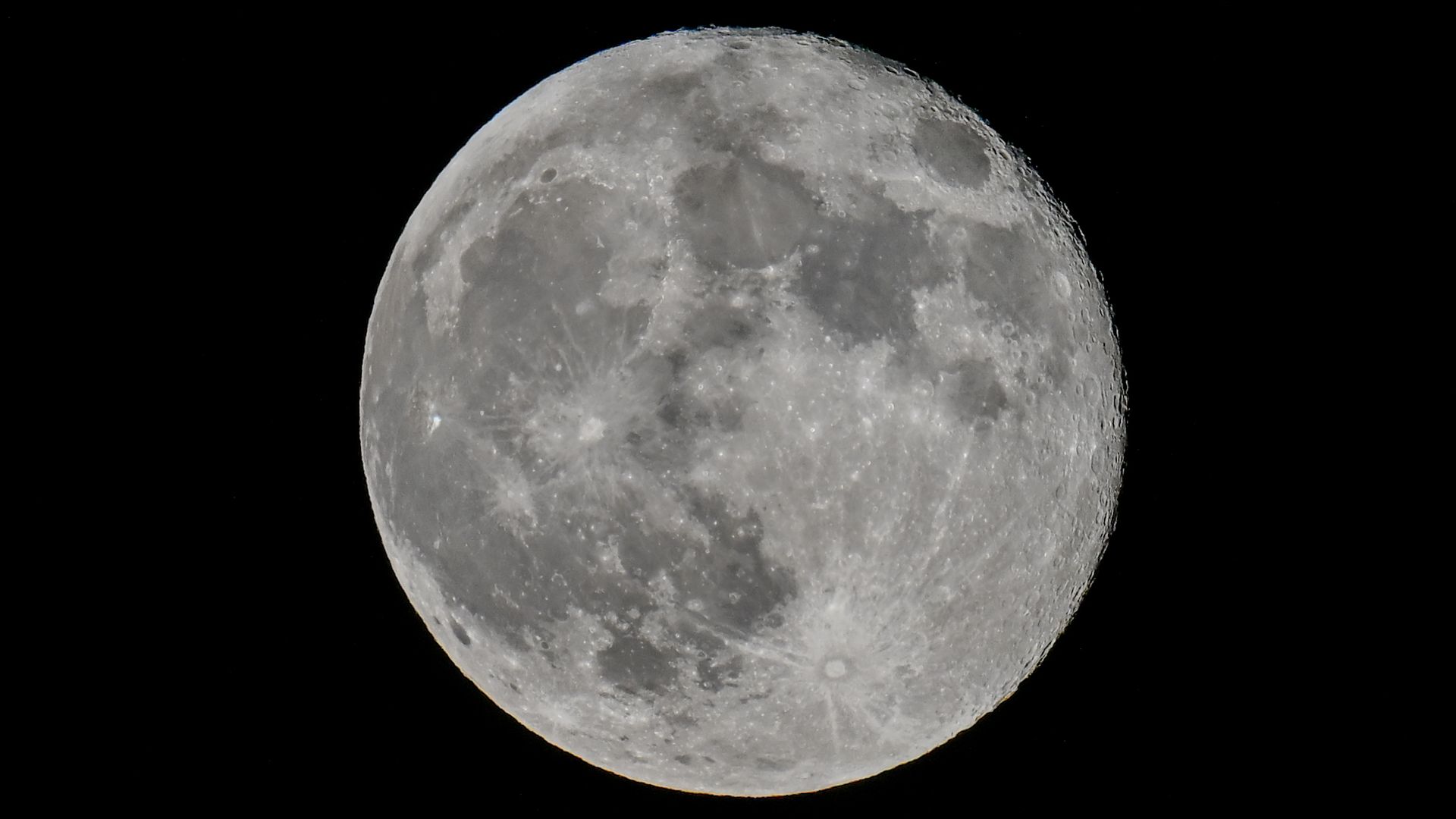
Earth will have a second moon orbiting the planet when it grabs a tiny astroid in its gravitational pull later this month, according to a new study.
The big picture: The "mini-moon" will be around from Sept. 29 until Nov. 25, following a horseshoe path before returning to its home in an asteroid belt orbiting the sun, per the study, published in the September edition of the The Research Notes of the AAS journal.
Hispanic and Native American victims of the world's first atomic test will press House members next week for compensation for the generations of health problems the Trinity Test and uranium mining caused their families.
Why it matters: A federal law that awards financial reparations to people who lived downwind of nuclear testing sites expired on June 7, and people in New Mexico near the Trinity Test site were never included.
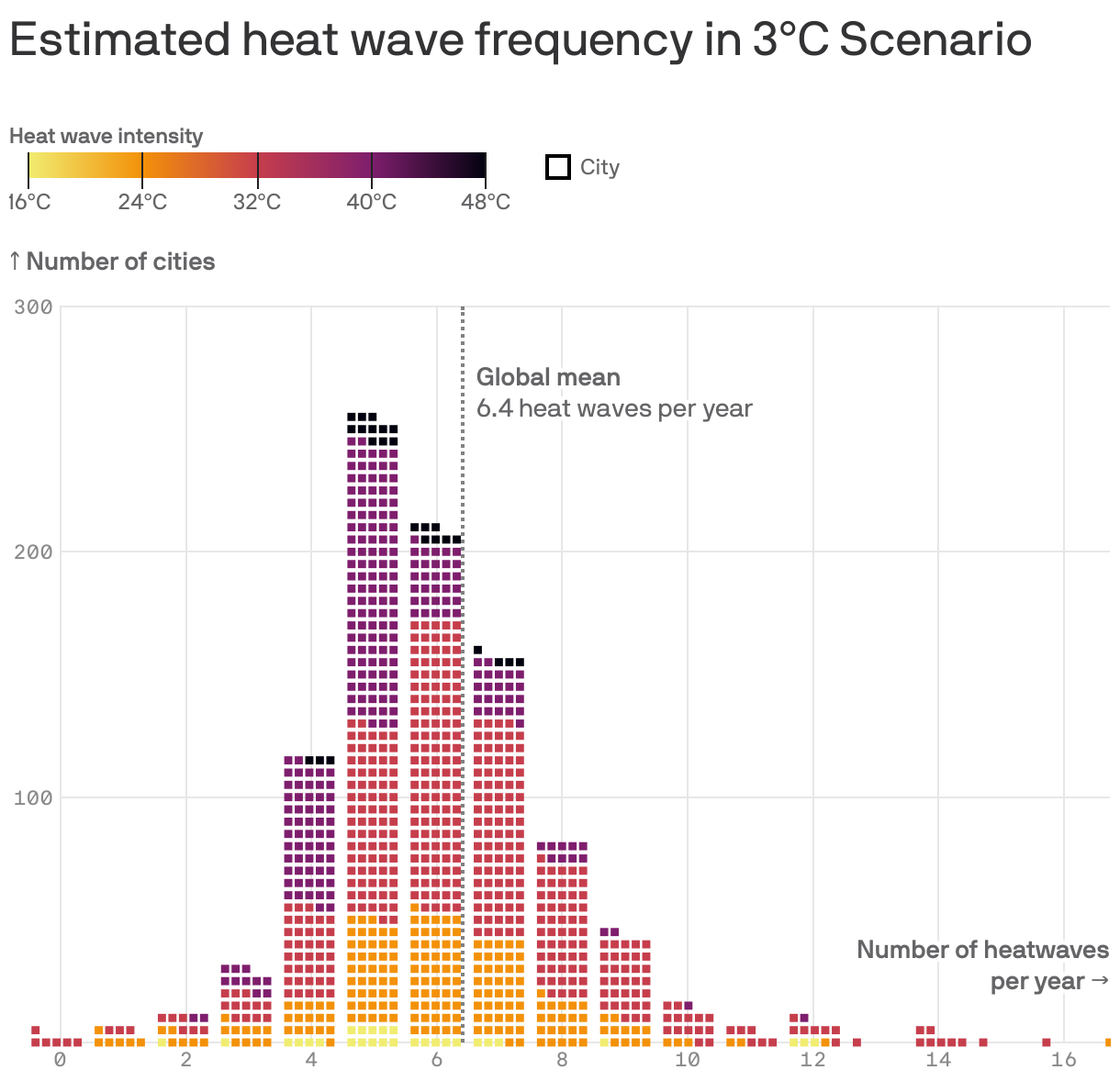
Reproduced from the World Resources Institute; Chart: Axios Visuals
A new study seesthe Earth's current warming path driving big increases in heat wave length and frequency in roughly 1,000 of the world's largest cities.
Why it matters: This city-by-city projection is unprecedented,per the World Resources Institute, which released the analysis.
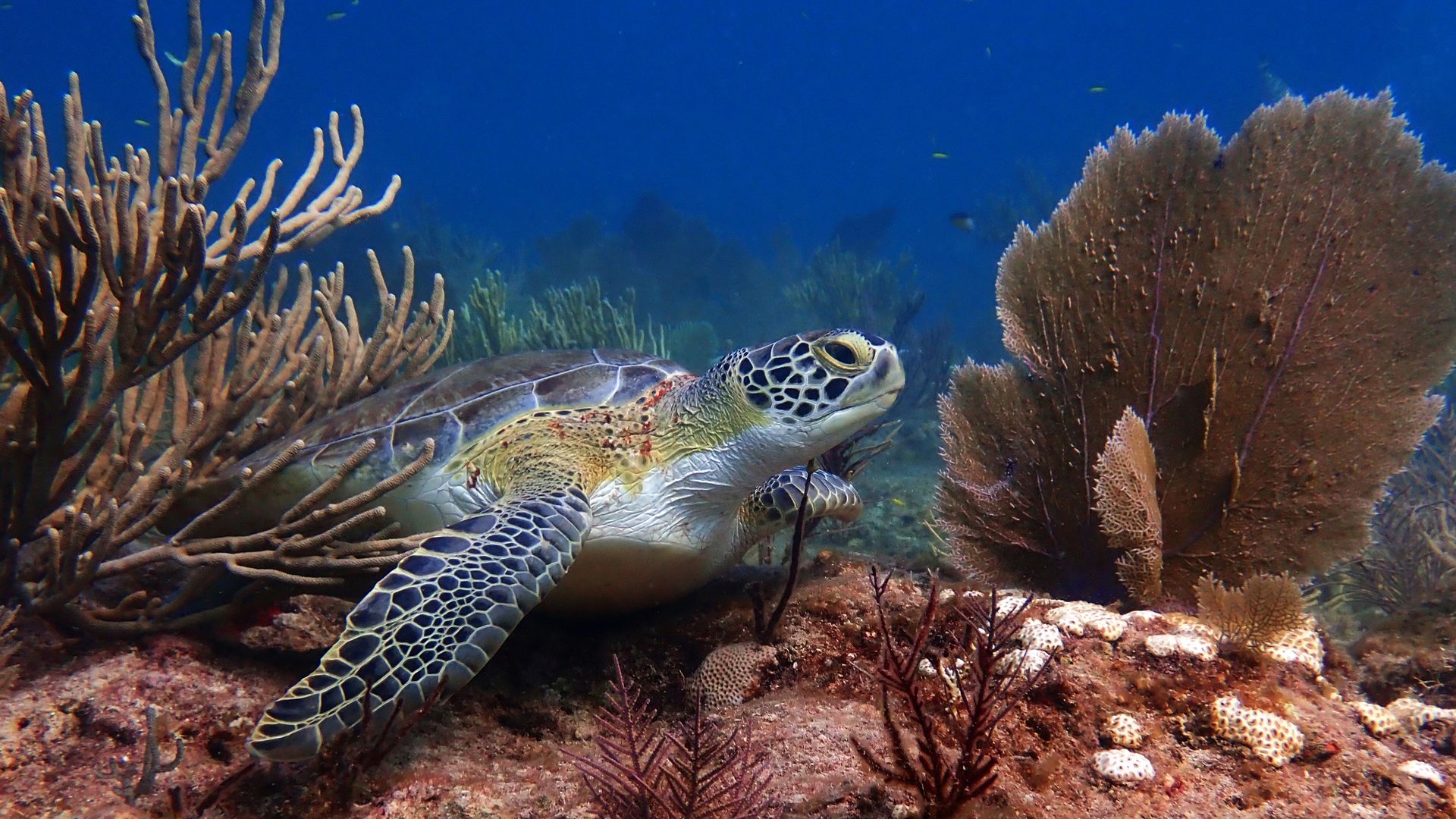
Scientists sent hundreds of critically endangered corals from South Florida to the Texas Gulf Coast on Wednesday in a research and restoration project.
Why it matters: Last year's severe marine heatwave caused corals in the Florida Keys to expel algae that lives in their tissues, turning them white in a widespread coral bleaching event. Many of these corals, which are havens for biodiversity, were wiped out.
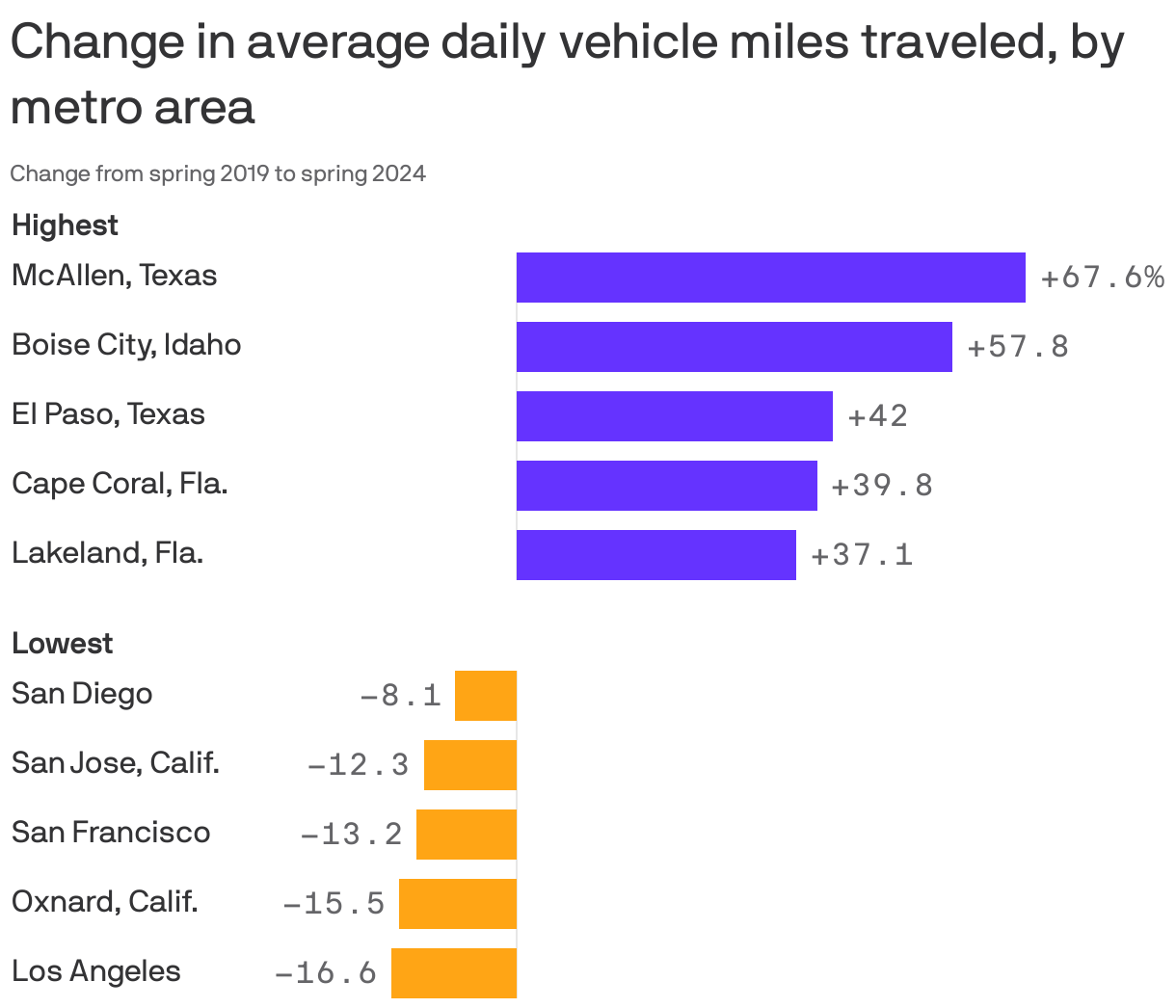
Driving rates are above pre-pandemic levels in almost every major U.S. metro, a new analysis finds.
Why it matters: The COVID-19 pandemic, when driving plummeted as people sought to "stop the spread," was a unique chance for cities to get a lasting handle on transportation-related emissions.