Trinity Test atomic victims heading to DC to press for compensation

Add Axios as your preferred source to
see more of our stories on Google.
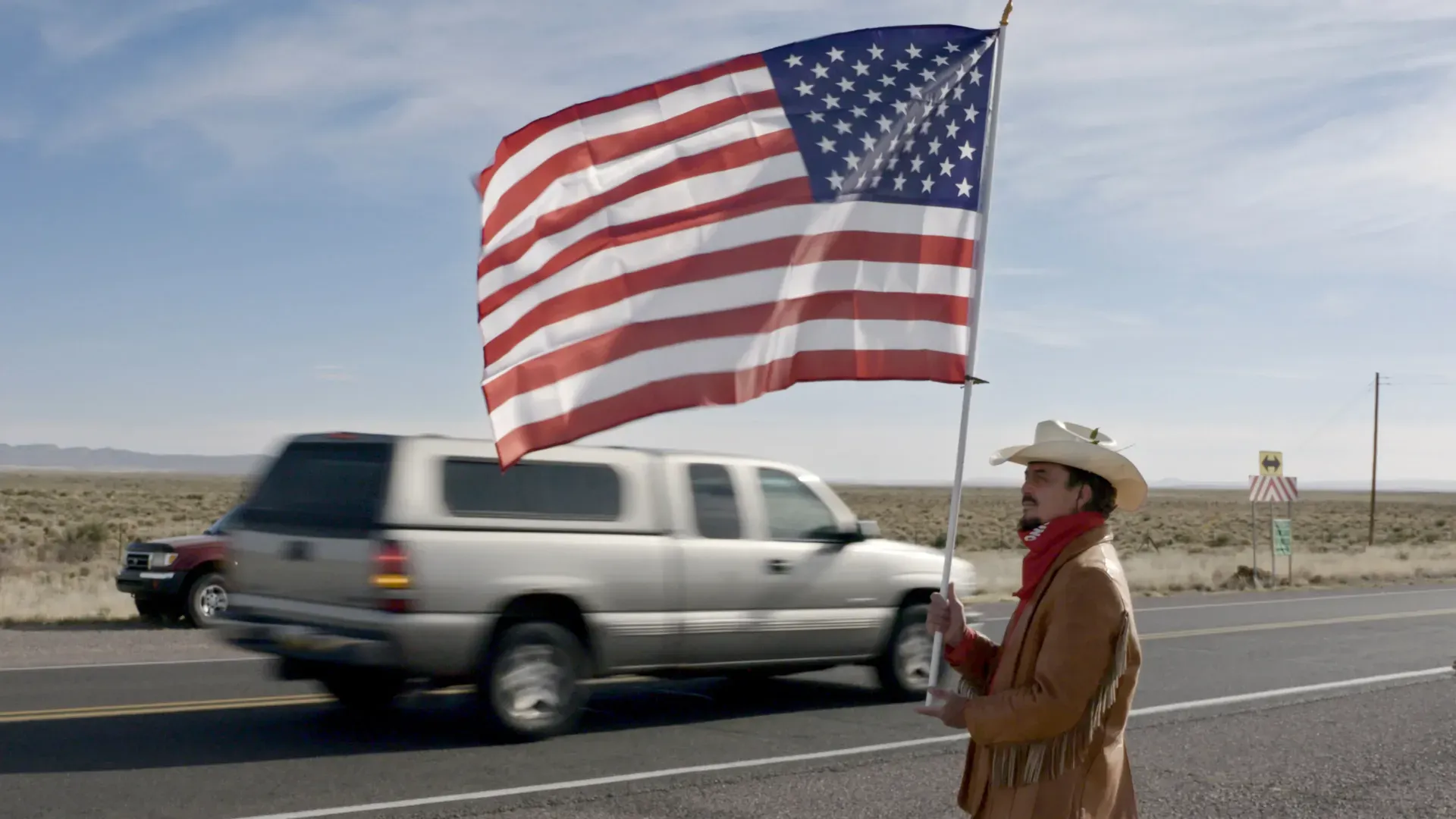
Paul Pino, a Trinity Test downwider from Carrizozo, N.M., protests outside the Trinity Test site as tourists travel to visit it. Photo: Courtesy of 47th State Films
Hispanic and Native American victims of the world's first atomic test will press House members next week for compensation for the generations of health problems the Trinity Test and uranium mining caused their families.
Why it matters: A federal law that awards financial reparations to people who lived downwind of nuclear testing sites expired on June 7, and people in New Mexico near the Trinity Test site were never included.
The big picture: Trinity Test victims, those injured in uranium mines on the Navajo Nation and Pueblo lands, and their descendants have suffered from rare forms of cancer in the decades since.
- Hispanic and Native American advocates, who have been trying to get Congress to act for decades, also have uncovered other victims of radiation in Missouri and Utah.
- That has generated a bipartisan push uniting Sen. Josh Hawley (R-Mo.) and Sen. Ben Ray Luján (D-N.M.) to get the GOP-controlled House to reissue the Radiation Exposure Compensation Act (RECA) and include forgotten victims.
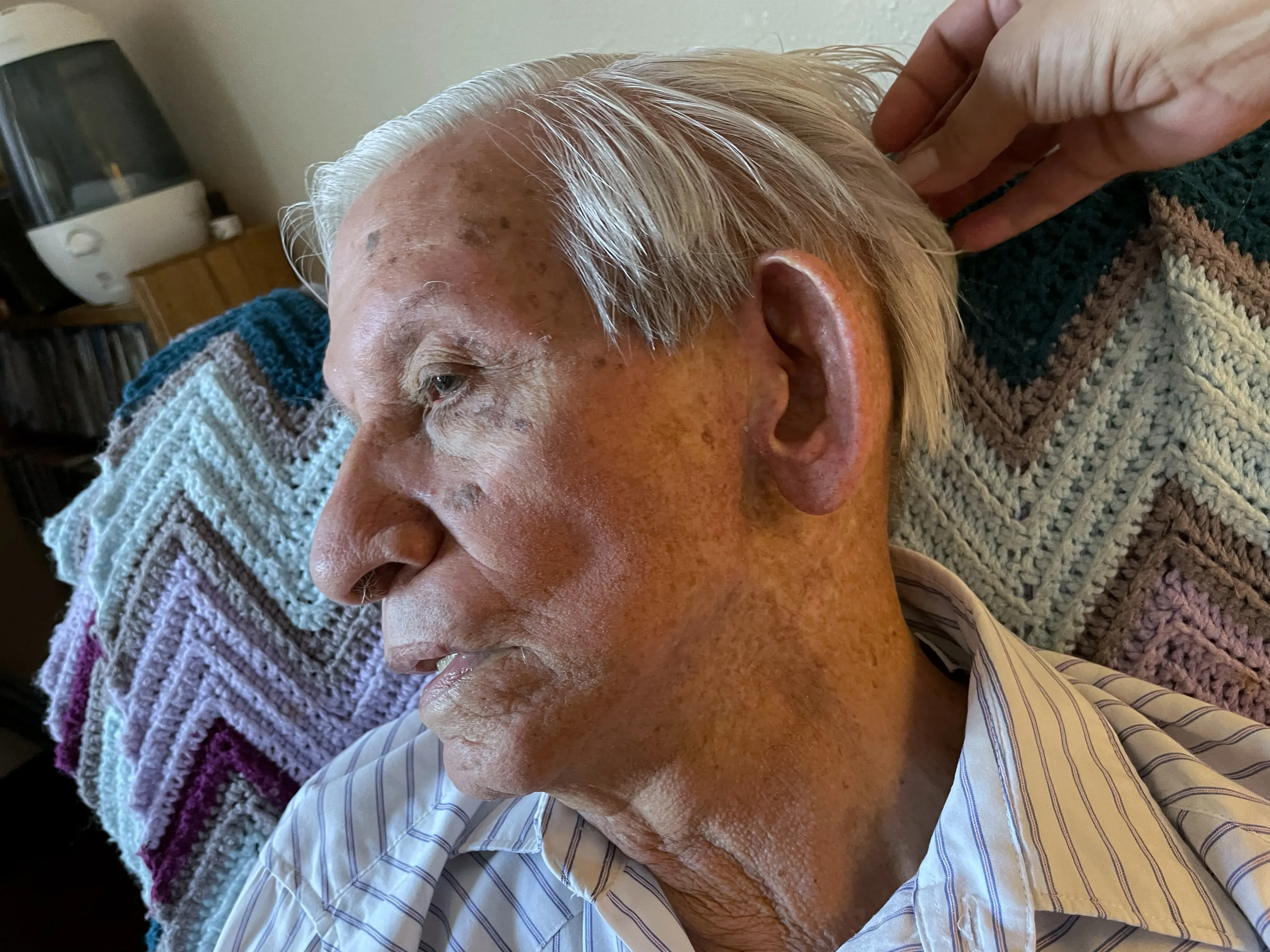
Catch up quick: The federal law passed by Congress in 1990 awards financial reparations to Nevada Test Site downwinders. Uranium workers in other states were later added, but New Mexico and Navajo Nation residents were excluded.
- Renewed interest in the Trinity Test stemming from the 2023 Oscar-winning movie "Oppenheimer" helped draw attention to the Latino and Mescalero Apache residents who lived near the explosion.
Zoom in: Dozens of Latino and Native American advocates are expected to descend on the Capitol next week and hold Indigenous traditional ceremonies, asking for higher powers to force the House to act.
- They blame House Speaker Mike Johnson (R-La.) for failing to allow the House to pass a new RECA to include the forgotten victims.
- Johnson has said he's willing to work on a resolution.
Yes, but: Tina Cordova, co-founder of the Tularosa Basin Downwinders Consortium, tells Axios advocates are tired of inaction.
- "About 57 GOP House districts would benefit from a new RECA. This is not a partisan issue," says Cordova, a cancer survivor whose family lived near the Trinity Test site in Southern New Mexico.
- "We're not going to give up. When you're been through what we've been through and lost all the family members we've lost, we have nothing else to lose."
What they're saying: "The RECA advocates coming to D.C. next week exemplify commitment, hard work, and tenacity," Hawley tells Axios in a statement.
- "They have never stopped fighting for their families and communities and I'm proud to stand with them."
- Luján tells Axios it's been over five months since the Senate passed legislation to strengthen RECA with broad bipartisan support.
- "I look forward to welcoming advocates back to Washington to send a strong message to House Republicans that we will not give up."
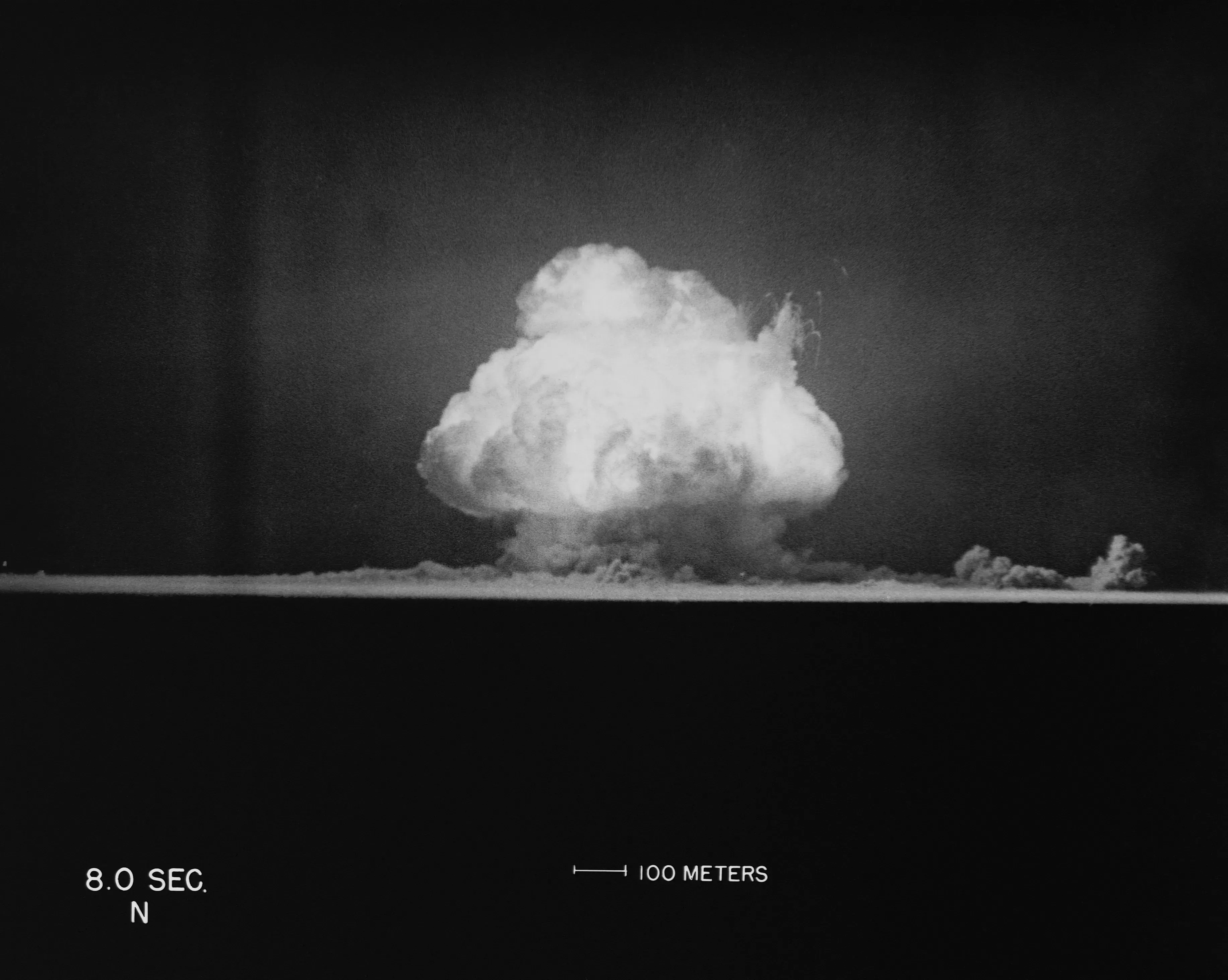
Background: On July 16, 1945, in the New Mexico desert, the U.S. Army detonated an atomic bomb developed at the then-secret community of Los Alamos.
- The bomb knocked people from breakfast tables in the historic Hispanic village of Tularosa and sent Mescalero Apache Reservation residents into hiding.
- Residents reported black rain and burned cows that passed on radiation poisoning through milk to unsuspecting residents.
- No one told residents of the site's dangers, and they often picnicked there and took artifacts, including the radioactive green glass known as "trinitite."
Zoom out: The New Mexico residents only learned about the Trinity Test after the U.S. dropped atomic bombs on the Japanese cities of Hiroshima and Nagasaki during World War II.
- The bomb's aftermath later caused health problems for many of the 30,000 residents in the area surrounding Trinity.
- Poor residents held bake sales to pay for cancer treatments.
