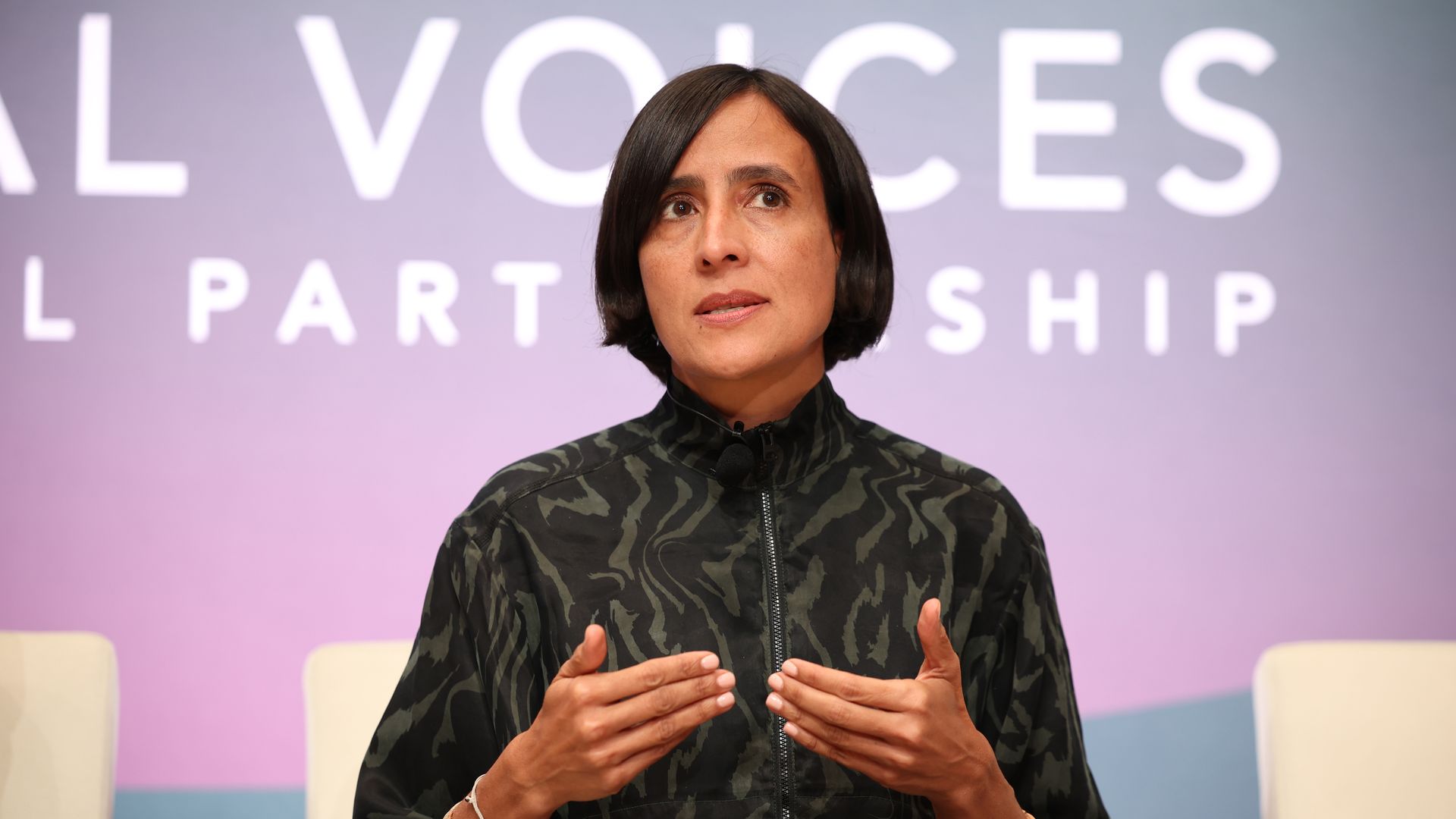
When diplomats descend on Calí, Colombia, in October to further negotiate the pact to protect global biodiversity, they will be pushed to raise the issue's profile and its myriad connections to climate change.
Why it matters: Colombian environment and sustainable development minister Susana Muhamad will chair the summit. She's looking to go big on protecting nature and reconceptualizing humanity's relationship with it.
Oil prices barely moved following Sunday's OPEC+ decision to eventually unwind somecrude production cuts — a pledge that came with a big asterisk.
Why it matters: The oil cartel's plan has market and geopolitical implications, especially during election season when energy prices will be campaign fodder for the U.S. presidential election.
This coming winter, up to 40 sailors will set off from western France on a daring solo round-the-world race — several armed with sensors meant to collect valuable ocean data.
Why it matters: The planned course will take the competitors into parts of the open ocean rarely visited or analyzed, making the race a prime opportunity to collect information useful for studying climate change and more.
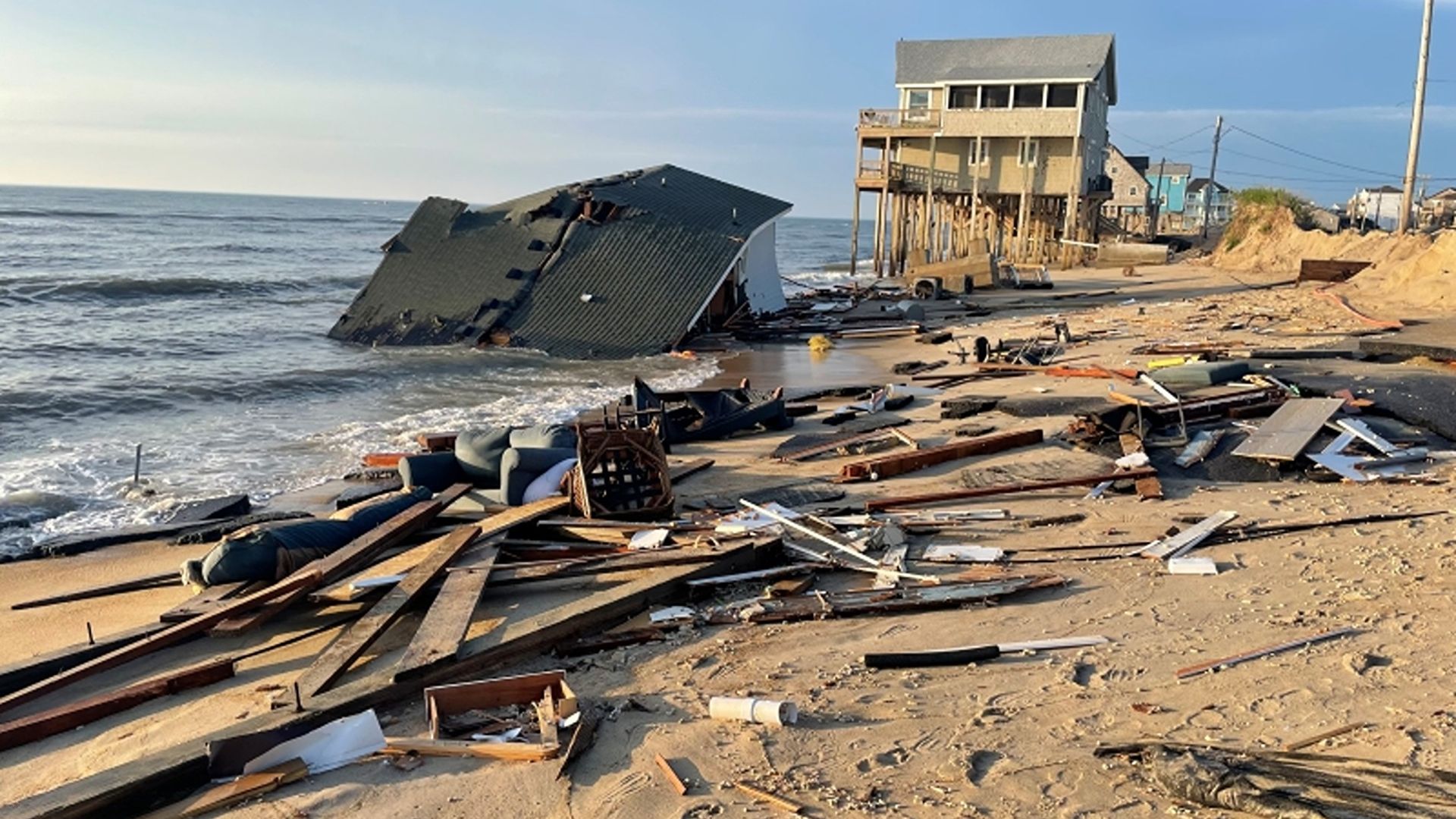
A stretch of beach that's a no-go zone after a sixth house collapsed into the ocean on the Outer Banks of North Carolina in four years has put the issue of U.S. coastal erosion into focus.
Why it matters: "In general, most of the U.S. east and Gulf coasts are affected by coastal erosion," notes Tulane Department of River-Coastal Science and Engineering's Sönke Dangendorf, who led a 2023 study on how sea levels in these regions have been rapidly rising since 2010 — in some cases at rates "unprecedented in at least 120 years."