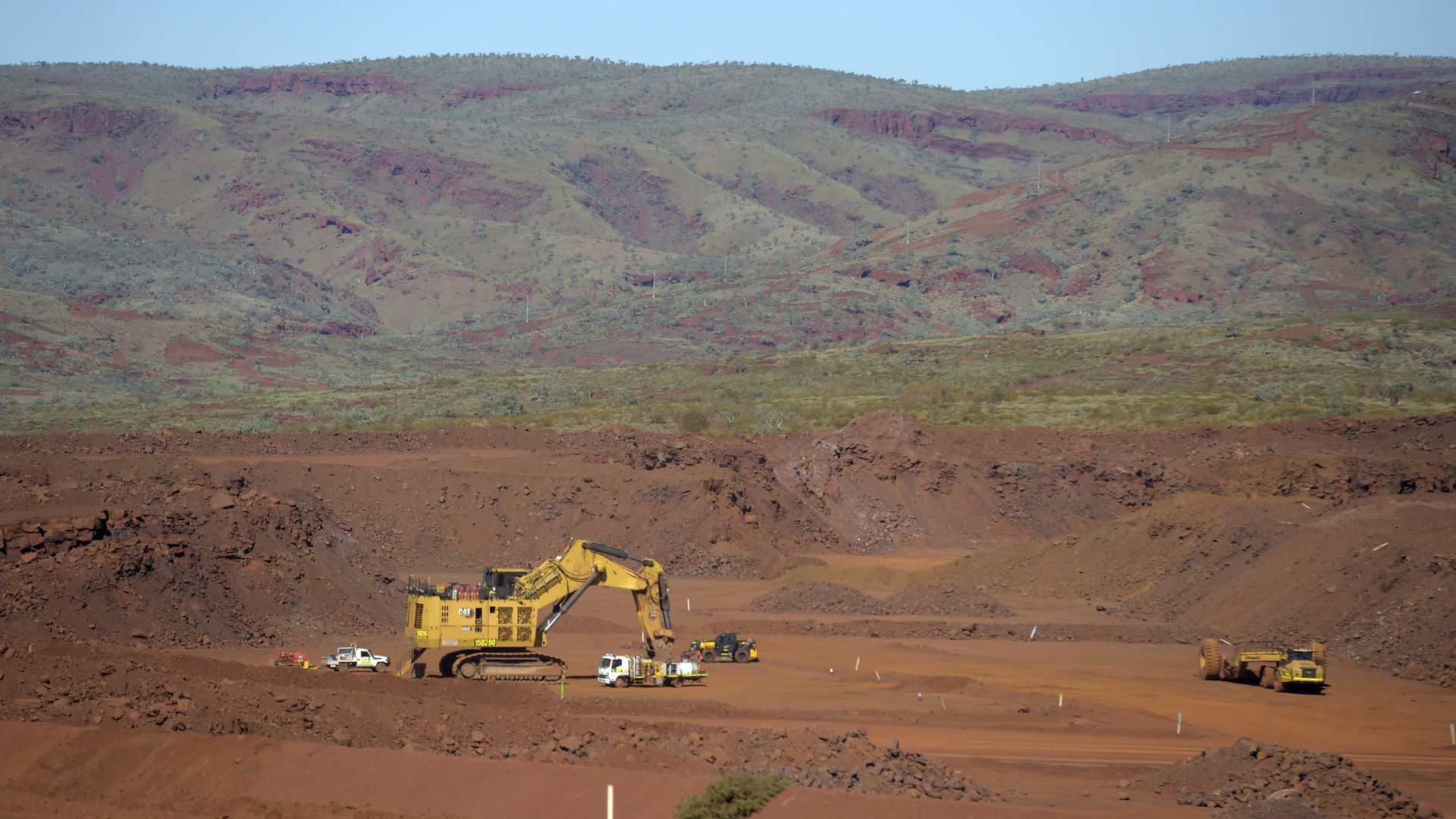
Authorities in Western Australia announced Wednesday they've found a tiny radioactive capsule that went missing along a vast stretch of highway in the Outback earlier this month.
Why it matters: Authorities said it was possible the capsule containing a small amount of radioactive Caesium-137 would never be found after it vanished while being transported by truck from Rio Tinto's Gudai-Darri mine in the remote Pilbara region of W.A. to a storage facility about 870 miles away in the state capital Perth.
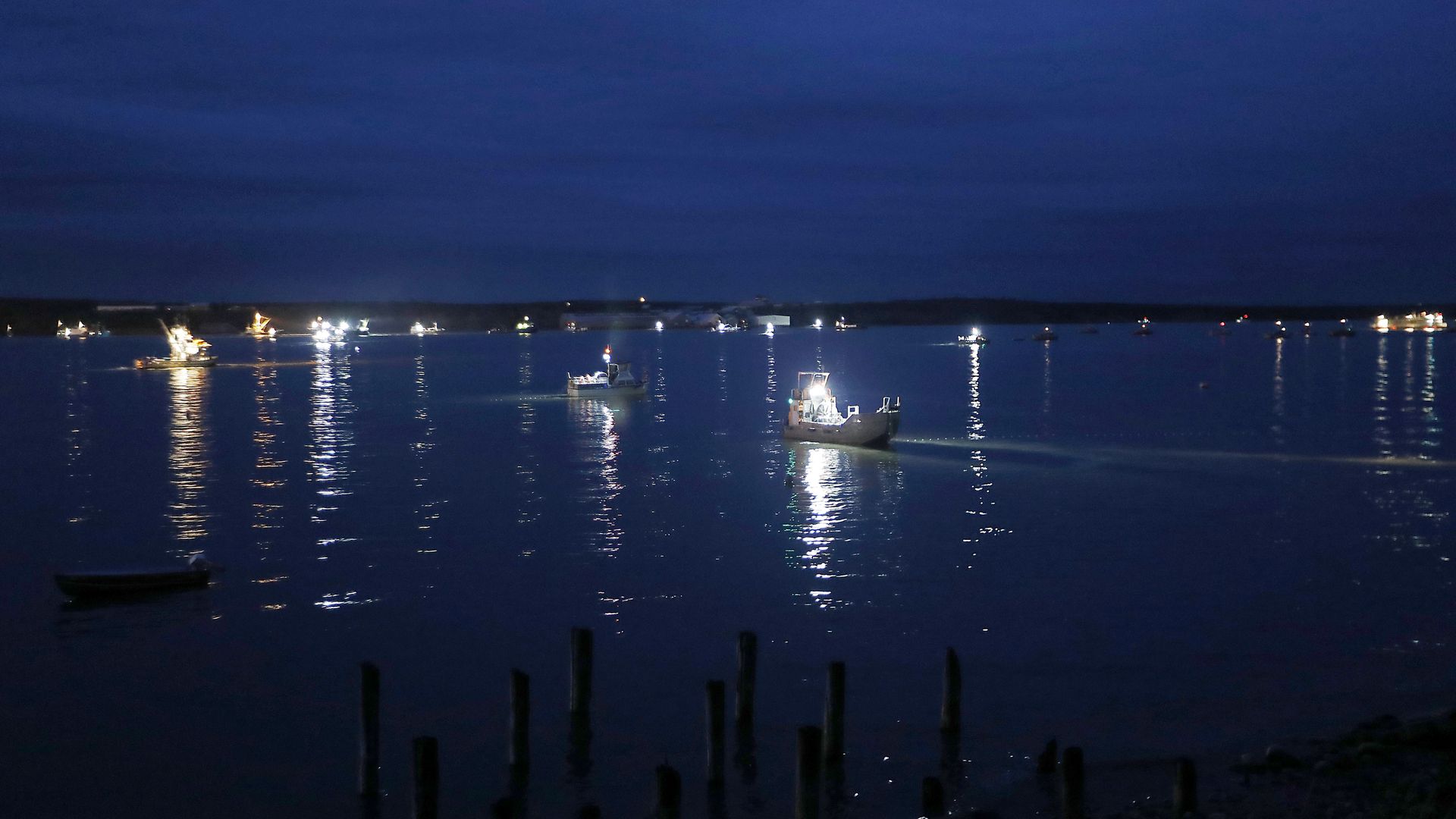
The Environmental Protection Agency (EPA) on Tuesday issued a final decision to block a large proposed gold and copper mining project in Alaska's Bristol Bay watershed, which is home to dozens of Alaska Native villages and communities and is the site of one of the most valuable wild salmon fisheries in the world.
Why it matters: The EPA ruled through a rarely invoked authority under the Clean Water Act that part of the bay’s watershed cannot be used for dumping material from the proposed mine, citing potential "large-scale loss, and damage to" waters that support salmon populations.
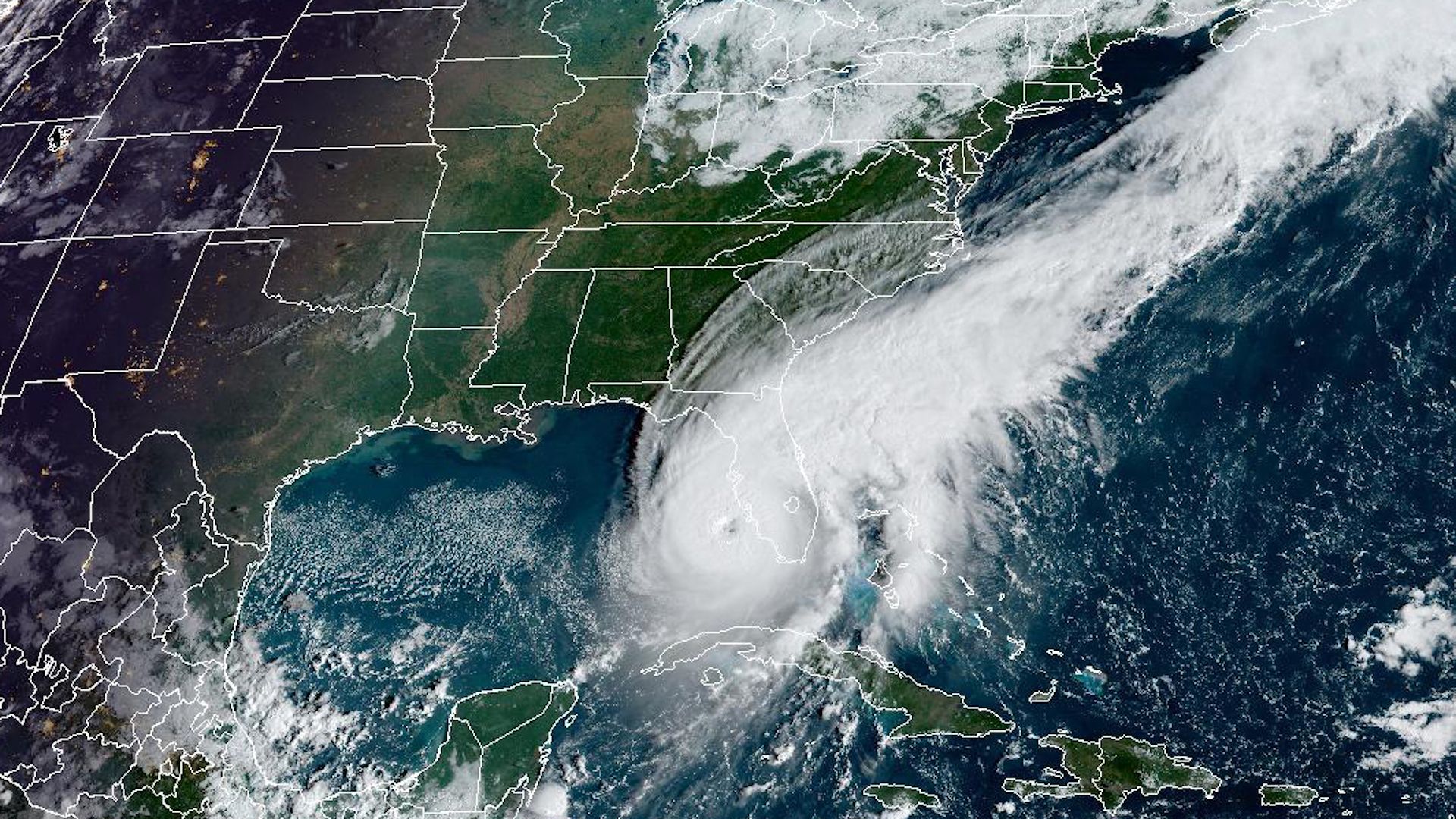
A key House Republican is putting forward a plan to make the National Oceanic and Atmospheric Administration (NOAA) an independent agency outside the Department of Commerce.
Why it matters: Removing the agency from a Cabinet-level department could diminish its clout when it comes to securing funding and weighing in on key policy decisions, former senior NOAA officials tell Axios.
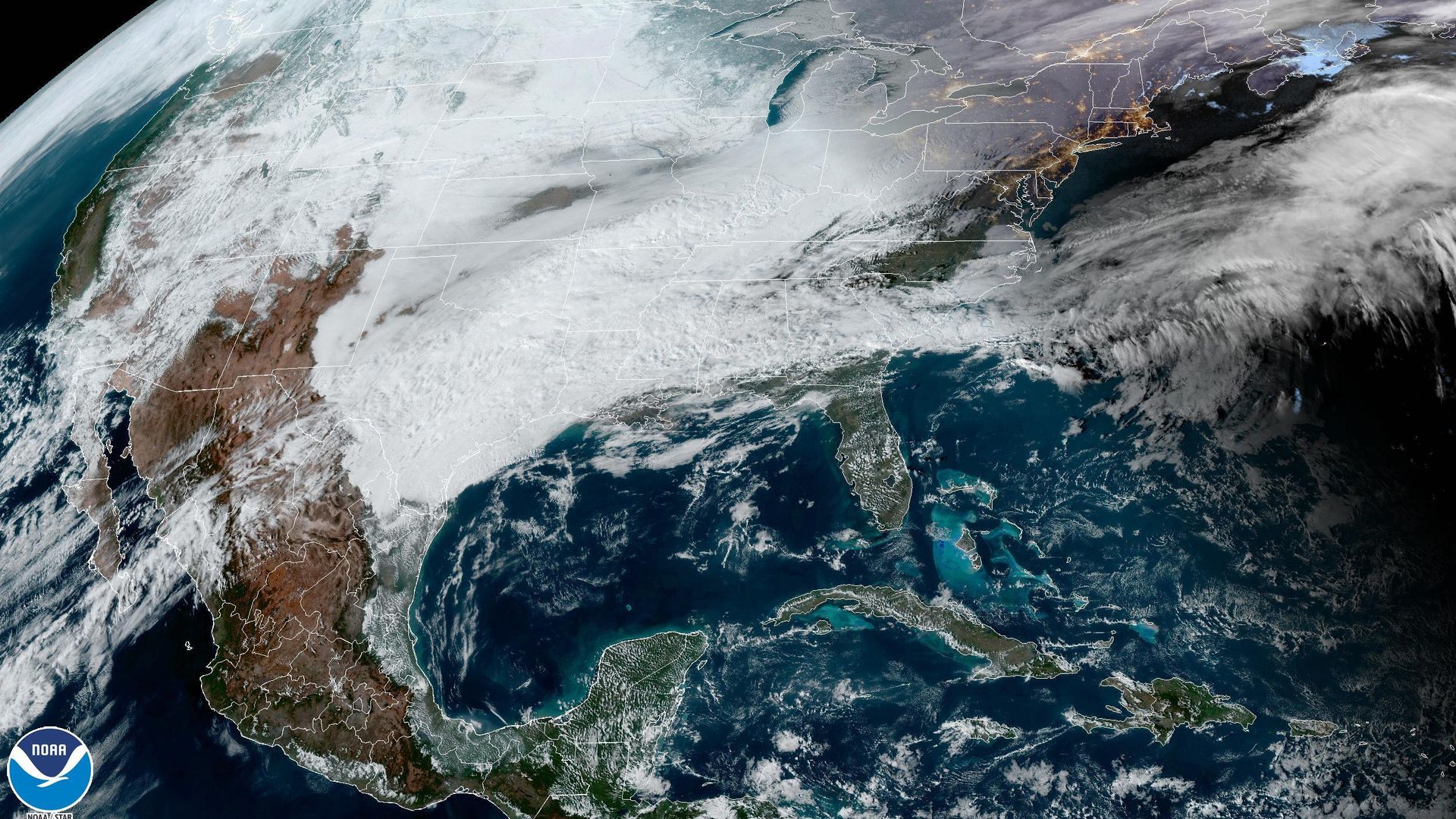
A long-duration ice storm impacting portions of the Southern Plains and mid-South is expected to last until Wednesday, bringing the potential for power outages, tree damage and dangerous road conditions to several states.
The big picture: About 3.3 million Americans were under an ice storm warning on Tuesday morning, with 16.5 million under a winter storm warning, according to the National Weather Service. Many more were under other types of winter weather alerts, such as wind chill advisories.
A new study relying on machine learning methods finds the climate thresholds enshrined in the Paris Agreement may be coming up faster than previously anticipated.
Why it matters: The world is already suffering the impacts of 1.1°C (1.98°F) to 1.2°C (2.16°F) of warming to date, and passing 1.5°C or 2°C above preindustrial levels could dramatically increase the risks to society and ecosystems.