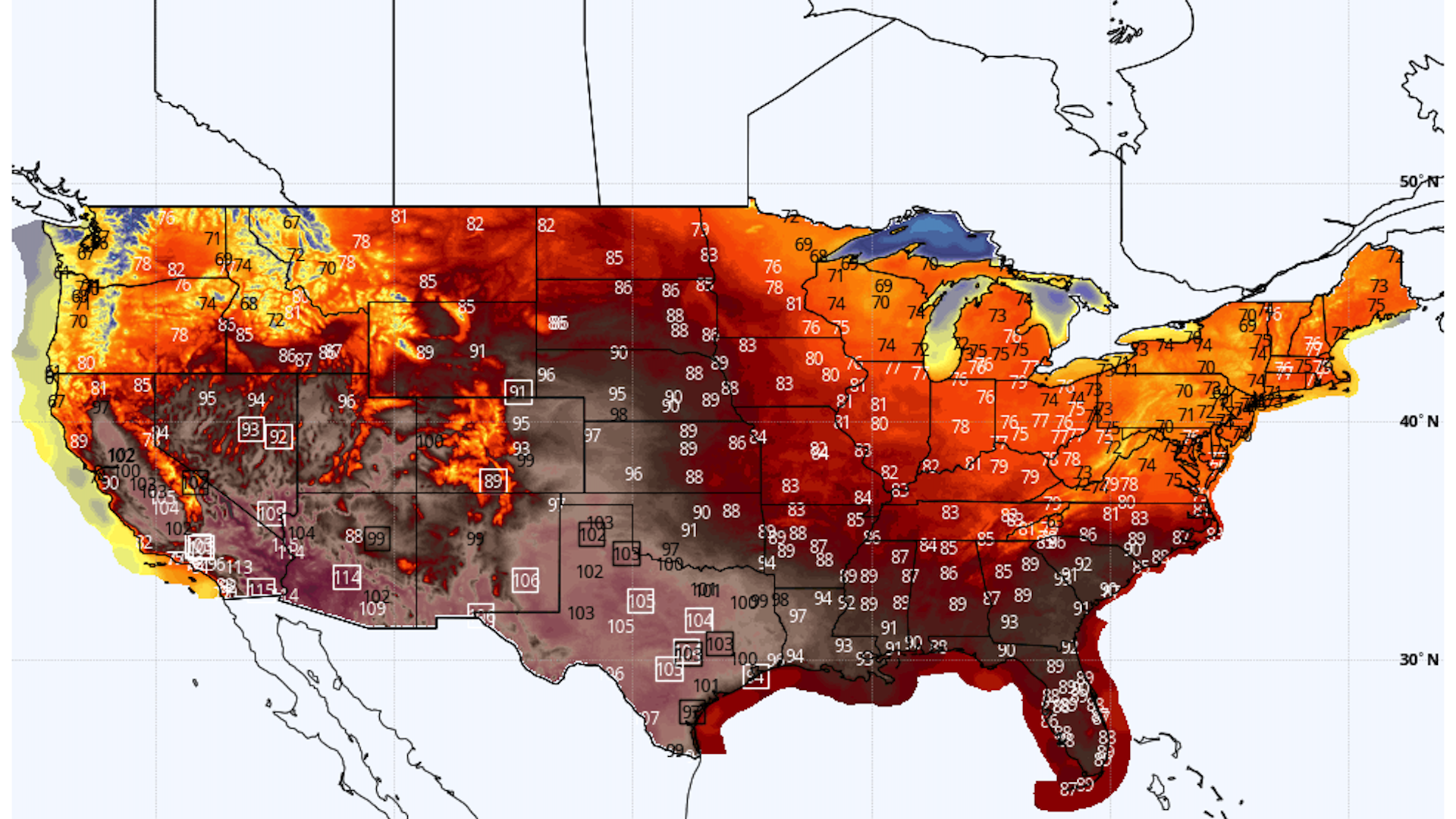
Forty-two million people are under heat watches and warnings in the Southwest into the weekend as a heat dome strengthens over the region, with temperatures soaring to hazardous levels from Texas to Arizona and northwestward into California's Central Valley.
Why it matters: Extreme heat is the leading weather-related killer in the U.S., and the first such event of the season can be particularly dangerous since people are not yet accustomed to such high temperatures.
North Carolina researchers warned in a new study that the invasive spotted lanternfly could soon spread across the United States and put California's wine grapes at risk.
Why it matters: The invasive species destroy fruit and crops, making them a huge economic problem for growers and farmers.
Gina McCarthy, President Biden's top domestic climate adviser, said tech companies should do more to prevent the spread of inaccurate information about climate change and clean energy.
Driving the news: "The tech companies have to stop allowing specific individuals over and over again to spread disinformation," she told Axios' Alexi McCammond at a virtual event that aired Thursday.
The Biden administration floated draft regulations on Thursday that would set standards for federally financed EV charging stations as officials aim to spur a large national buildout.
The big picture: The minimum standards aim to ensure chargers are reliable and have similar payment systems, charging speeds, pricing and other consistent features.
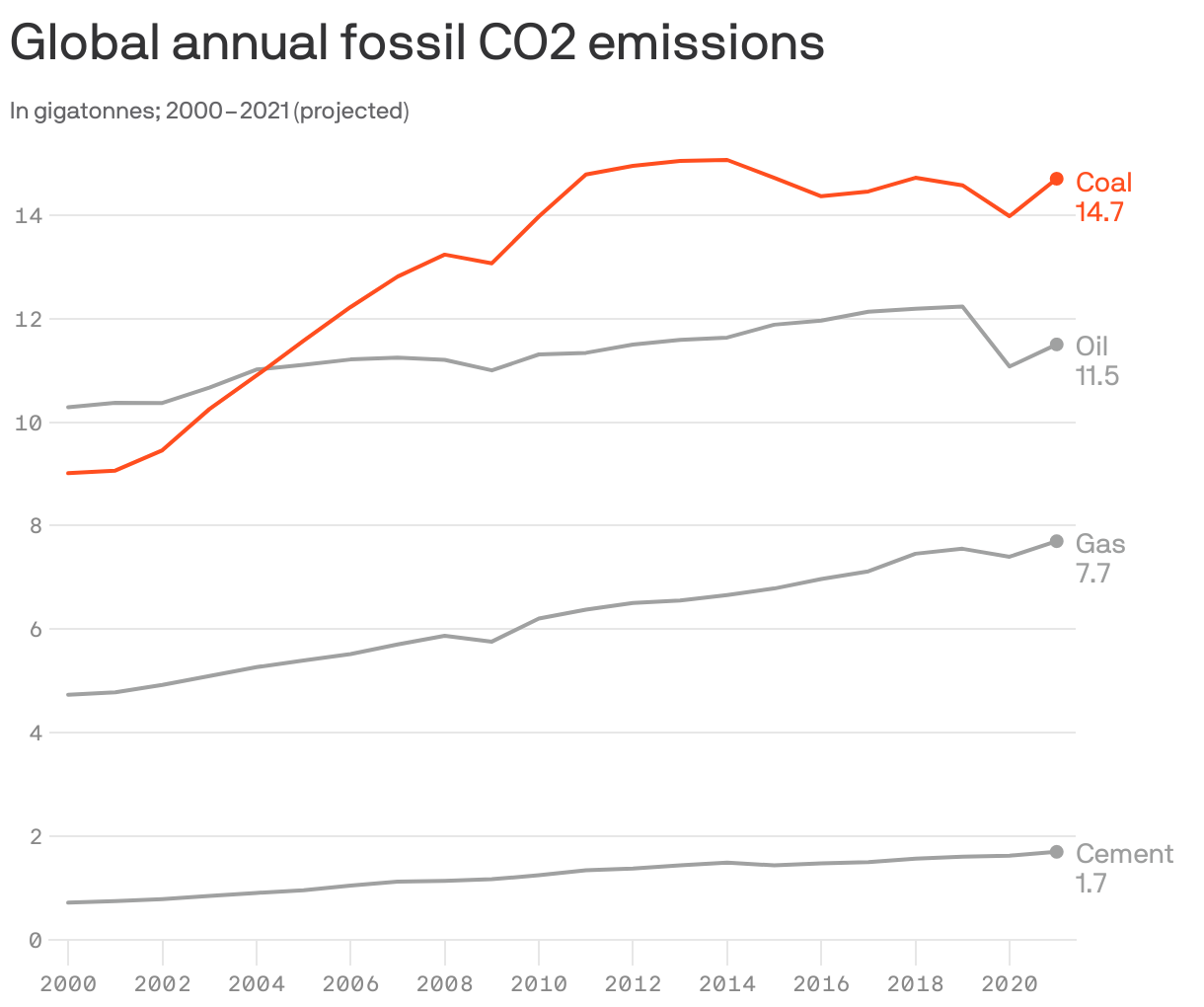
A new International Monetary Fund study finds huge economic benefits from phasing out coal globally even under somewhat modest estimates of the monetary damages from carbon emissions.
Why it matters: Coal is the largest global source of CO2 and coal-fired power generation reached new records last year. The study adds to literature showing that failure to stem greenhouse gases is far more expensive than investments in accelerating clean energy.
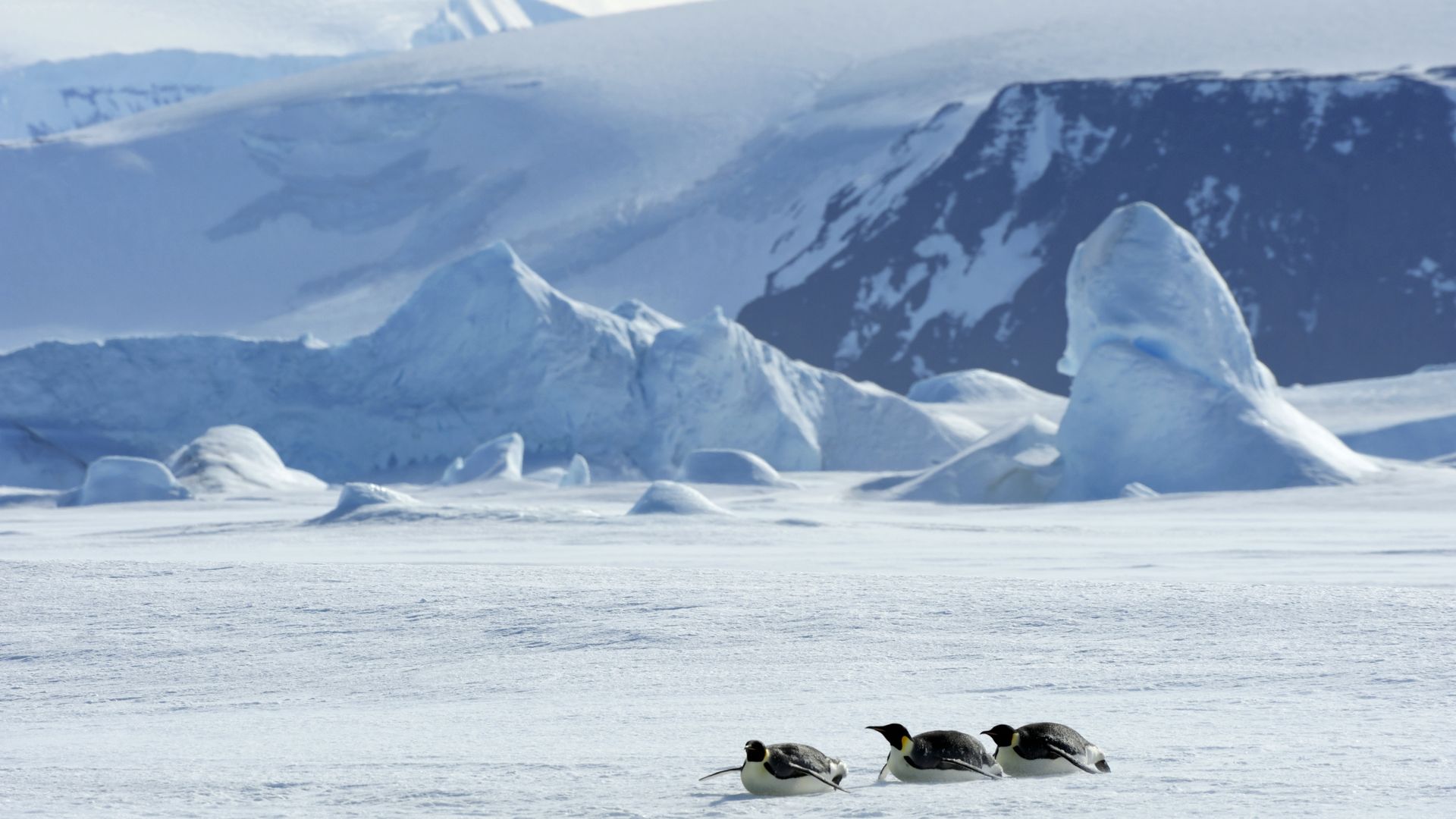
Scientists have found microplastics in freshly fallen Antarctic snow for the first time.
Why it matters: Researchers from New Zealand's University of Canterbury discovered tiny plastic particles in all 19 samples taken from sites along the Ross Ice Shelf, per a study published Wednesday in the science journal The Cryosphere.
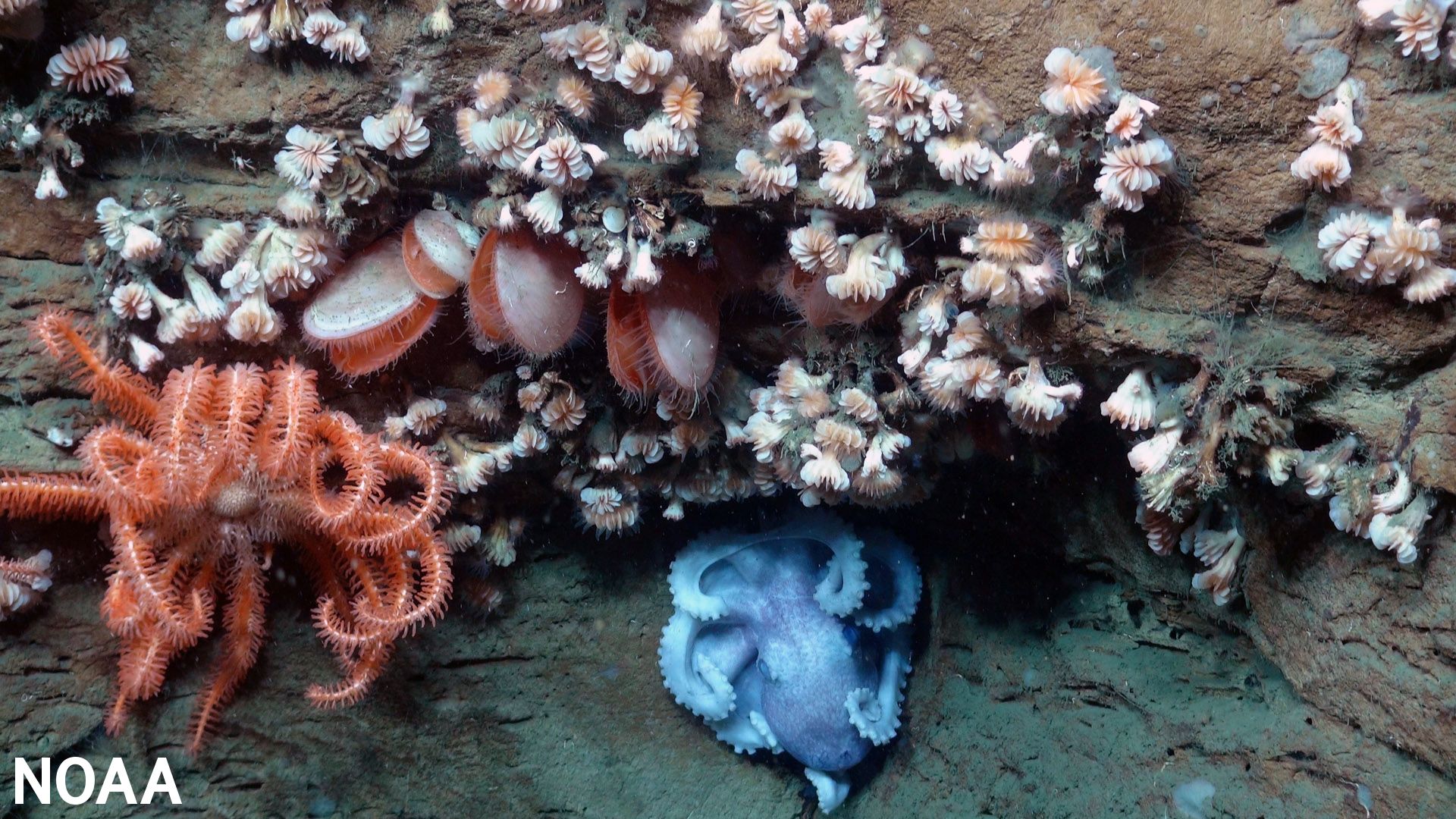
The Biden administration announced Wednesday that it has started the process to designate the Hudson Canyon, an underwater canyon about 100 miles off the coast of New York and New Jersey, as a marine sanctuary.
Why it matters: The designation would provide new protections to the Hudson Canyon, which is home to a diverse range of "endangered, protected, and sensitive species," including sea turtles, deep sea corals and sperm whales, according to a White House fact sheet.
The dash for more fossil fuels in the wake of Russia's invasion of Ukraine is poised to squelch the last chance the world has to limit the severity of global warming to 1.5°C, according to a new report out Wednesday.
Why it matters: The report, from the nonprofit Climate Action Tracker, amounts to a warning from a respected climate progress watchdog about the potential for emissions lock-in.
There's a growing effort to name and categorize heat waves the way we do hurricanes — to call attention to their significance, alert people to dangerous temperatures and prod public officials into action.
Why it matters: Heat waves are the deadliest type of weather emergency in the U.S. They're bigger killers than floods, tornadoes or hurricanes — and they're growing in frequency and intensity due to global warming.