The Biden administration announced Wednesday that it has started the process to designate the Hudson Canyon, an underwater canyon about 100 miles off the coast of New York and New Jersey, as a marine sanctuary.
Why it matters: The designation would provide new protections to the Hudson Canyon, which is home to a diverse range of "endangered, protected, and sensitive species," including sea turtles, deep sea corals and sperm whales, according to a White House fact sheet.
The dash for more fossil fuels in the wake of Russia's invasion of Ukraine is poised to squelch the last chance the world has to limit the severity of global warming to 1.5°C, according to a new report out Wednesday.
Why it matters: The report, from the nonprofit Climate Action Tracker, amounts to a warning from a respected climate progress watchdog about the potential for emissions lock-in.
There's a growing effort to name and categorize heat waves the way we do hurricanes — to call attention to their significance, alert people to dangerous temperatures and prod public officials into action.
Why it matters: Heat waves are the deadliest type of weather emergency in the U.S. They're bigger killers than floods, tornadoes or hurricanes — and they're growing in frequency and intensity due to global warming.
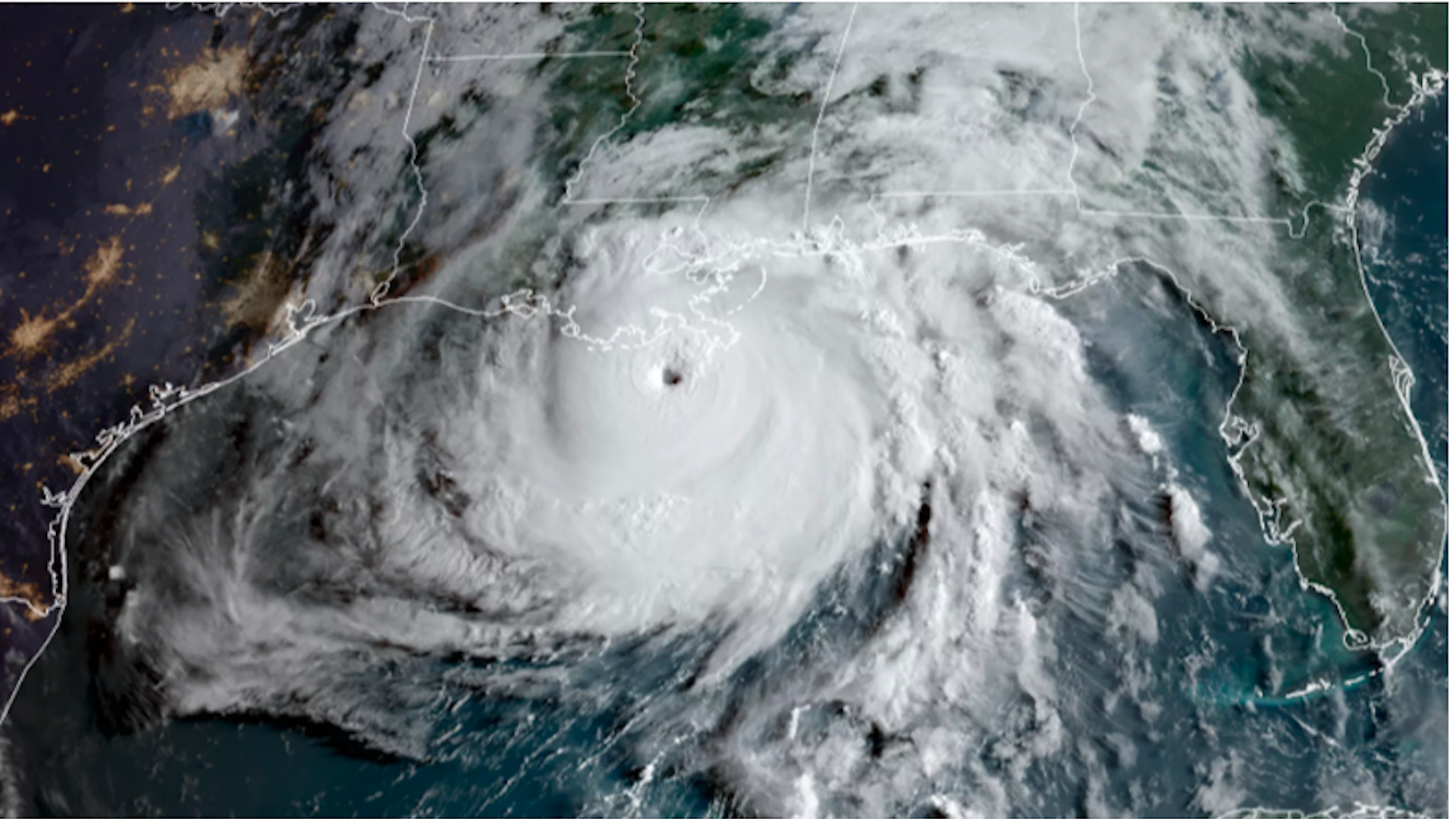
The U.S. is in store for another summer of extreme heat, hurricanes, droughts and wildfires — threats that are all escalating because of climate change.
The big picture: Parts of the Arctic are already burning. So are parts of New Mexico. After two years of especially devastating summer disasters, experts say the potential for catastrophe is only growing.
The Biden administration has appointed Ken Graham, the director of the National Hurricane Center in Miami, to lead the National Weather Service, the National Oceanic and Atmospheric Administration (NOAA) announced Tuesday.
Why it matters: The NWS is at the forefront of predicting and warning Americans about extreme weather events, many of which are becoming more intense and frequent in a warming world.
Rheaply, a Chicago-based startup that helps companies quantify and manage their purchased goods and resources in order to cut carbon emissions, has raised $20 million in new funding, the company told Axios.
Why it matters: Rheaply is going after low-hanging fruit in carbon emissions that, if tackled at scale, could yield significant benefits in avoided or reduced emissions, says founder and CEO Garry Cooper Jr.