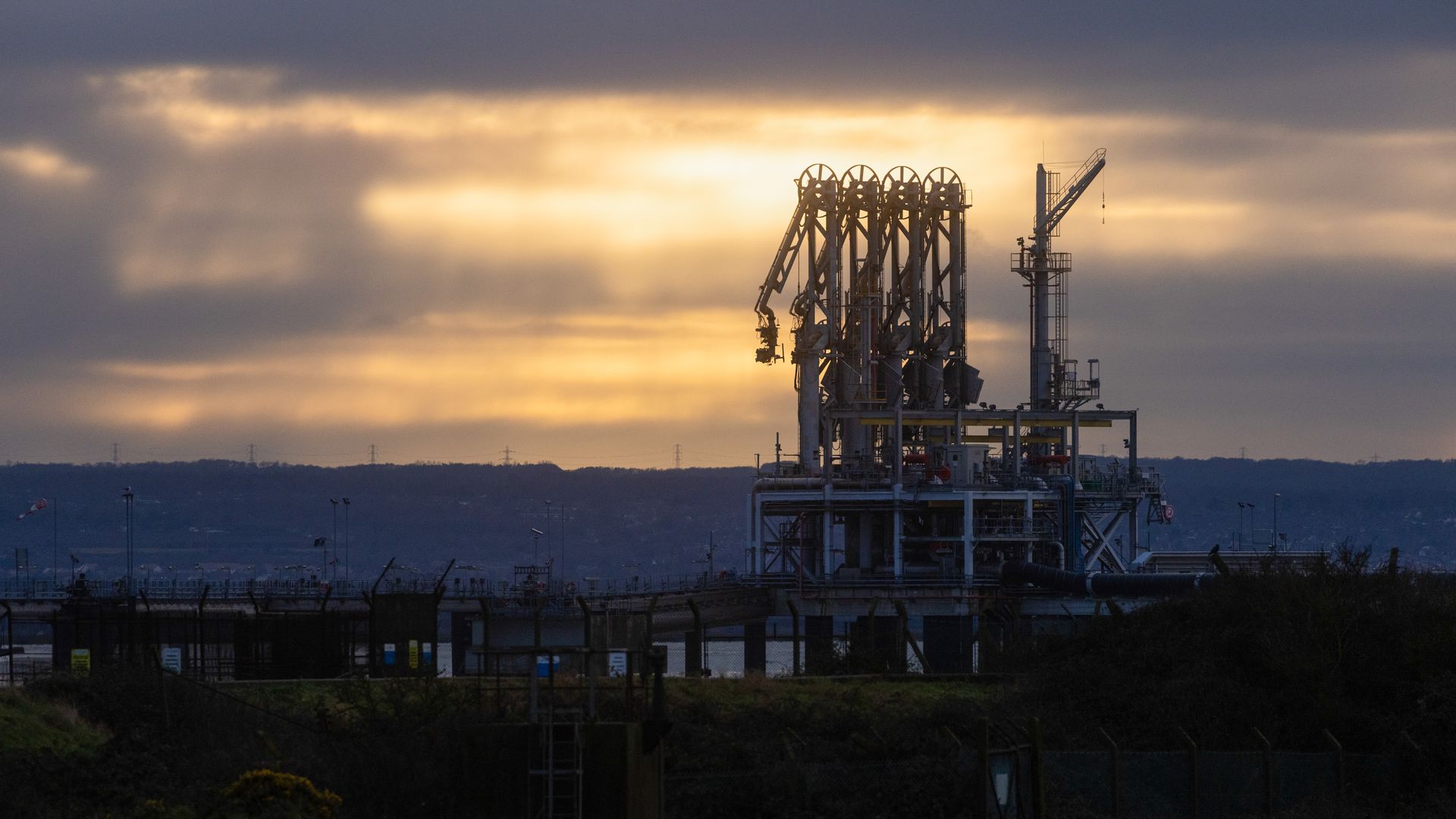
For decades,politicians have talked about the U.S. achieving energy independence, a seemingly elusive goal of producing enough fuels to avoid relying on the rest of the world to fill up gas tanks and keep electricity flowing.
The intrigue: It's elusive no more. The U.S. produced more petroleum than it consumed in 2020, and the numbers were essentially in balance in 2021, according to the Energy Information Administration.
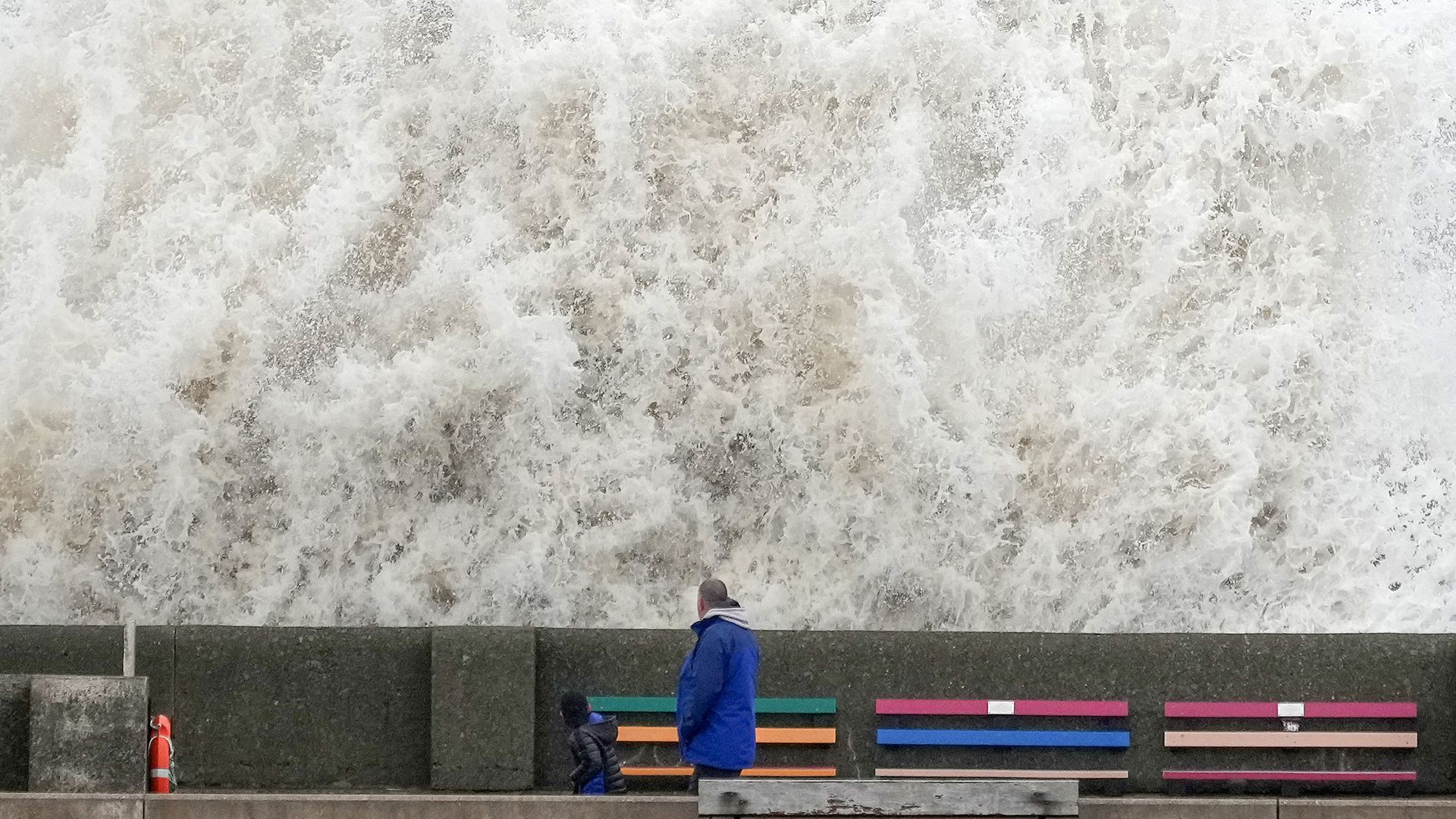
Millions of people were warned to stay home as Storm Eunice began battering the U.K. and Republic of Ireland on Friday, after forecasters issued rare "danger to life" red alerts for populated areas including London.
Why it matters: Eunice, expected to be the worst storm to hit the countries in over three decades, was bearing down on regions still reeling from other deadly storms that struck Northwestern Europe this week.
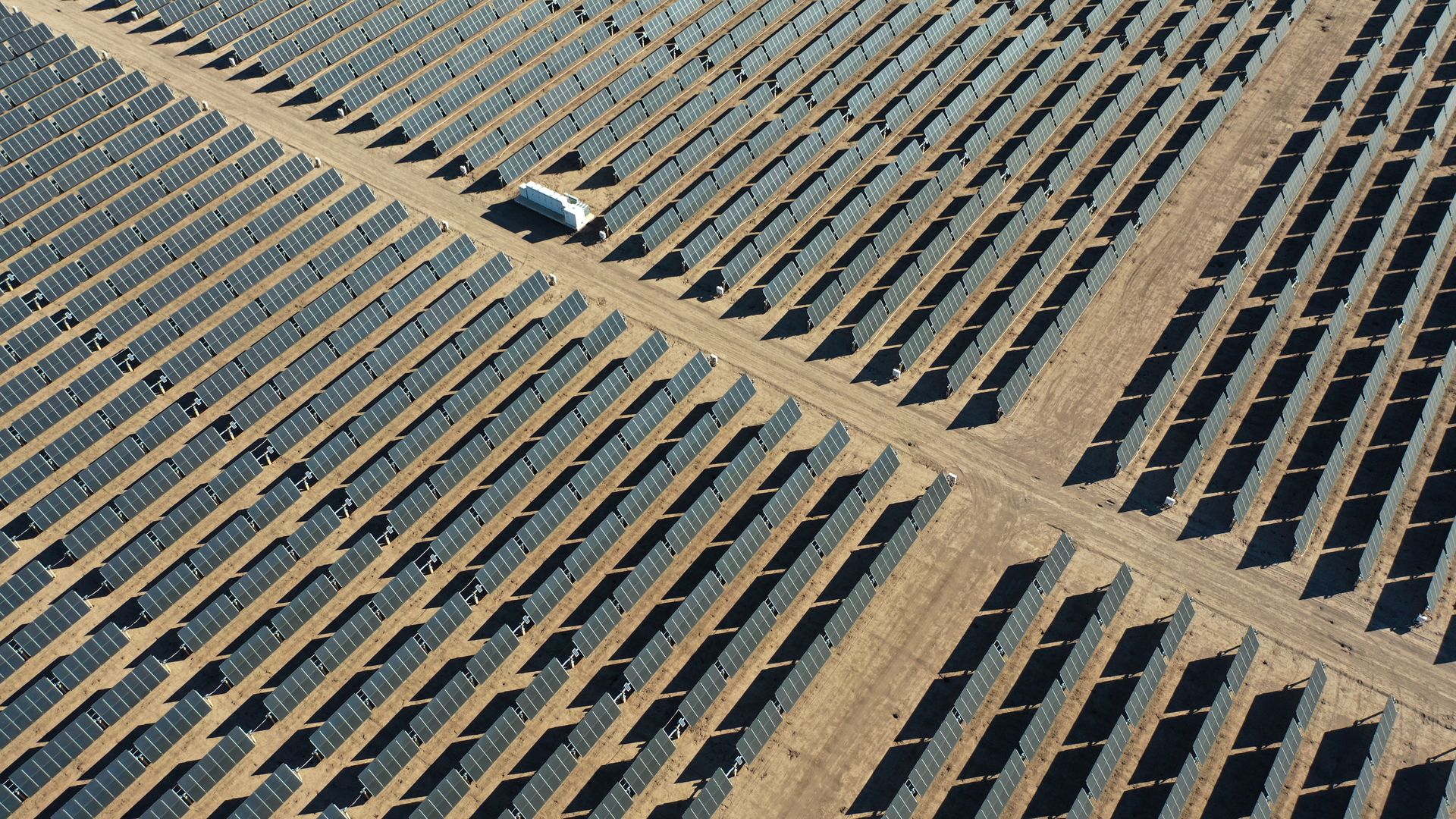
The White House unveiled a draft screening tool designed to guide efforts to ensure 40% of the benefits of federal investments in climate, clean energy and other areas flow to disadvantaged communities.
Why it matters: The beta version launched Friday is a key part of wider administration efforts on environmental justice — that is, addressing the disproportionate pollution burdens facing poor communities and people of color.
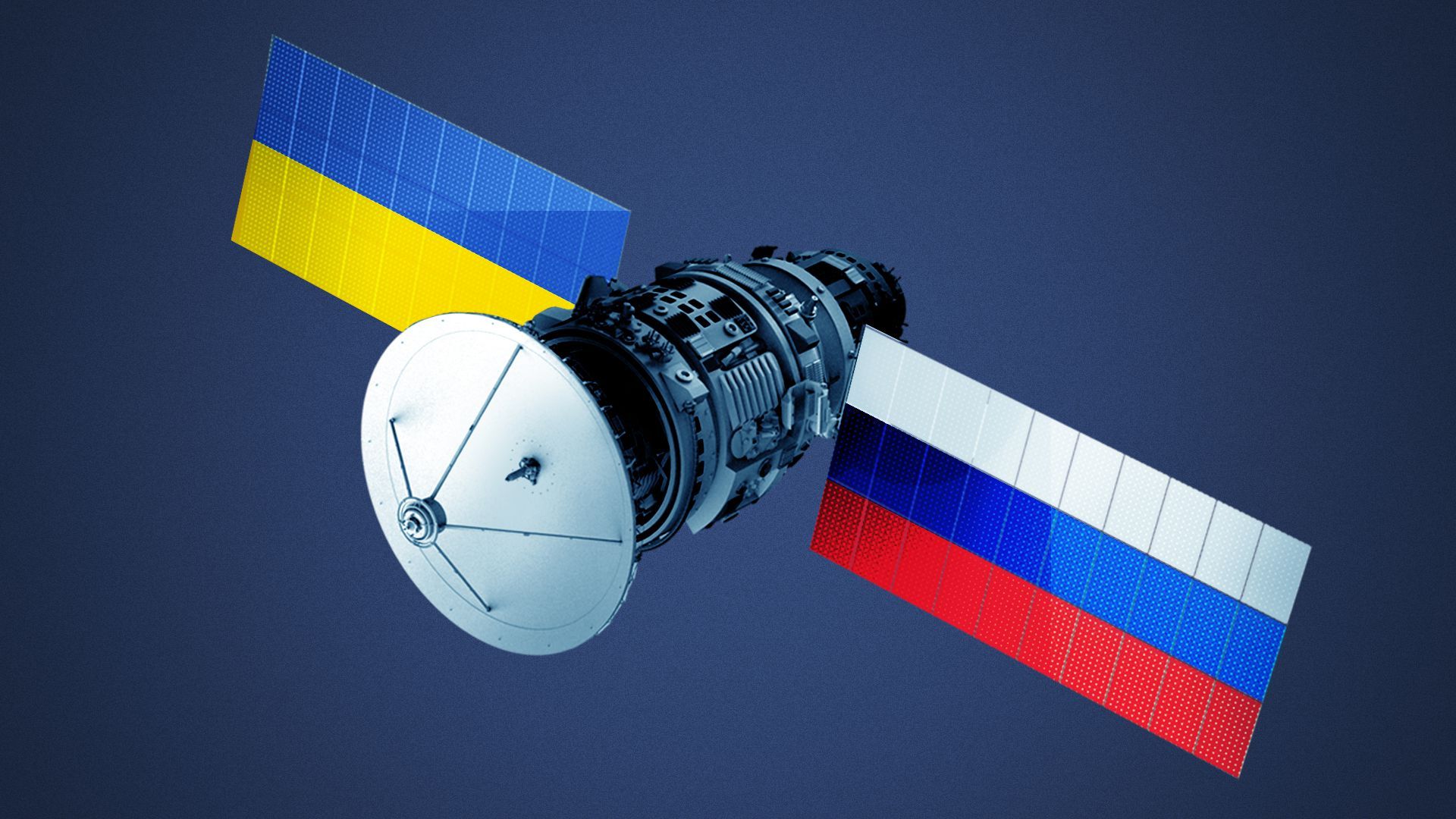
Commercial satellite images have become ubiquitous in U.S. media as geopolitical tensions rise over a potential invasion of Ukraine.
Why it matters: The images are showcasing the abilities of Earth observing satellites that are often marketed as climate intelligence platforms, but in reality are also used for less advertised national security purposes.