Global carbon dioxide emissions from the power sector have surged past pre-pandemic levels to reach new highs, a new report examining trends during the first half of 2021 finds.
Why it matters: The report from Ember, a London-based environmental think tank, shows that the energy transition that needs to happen to limit the severity and pace of global warming is not taking place fast enough.
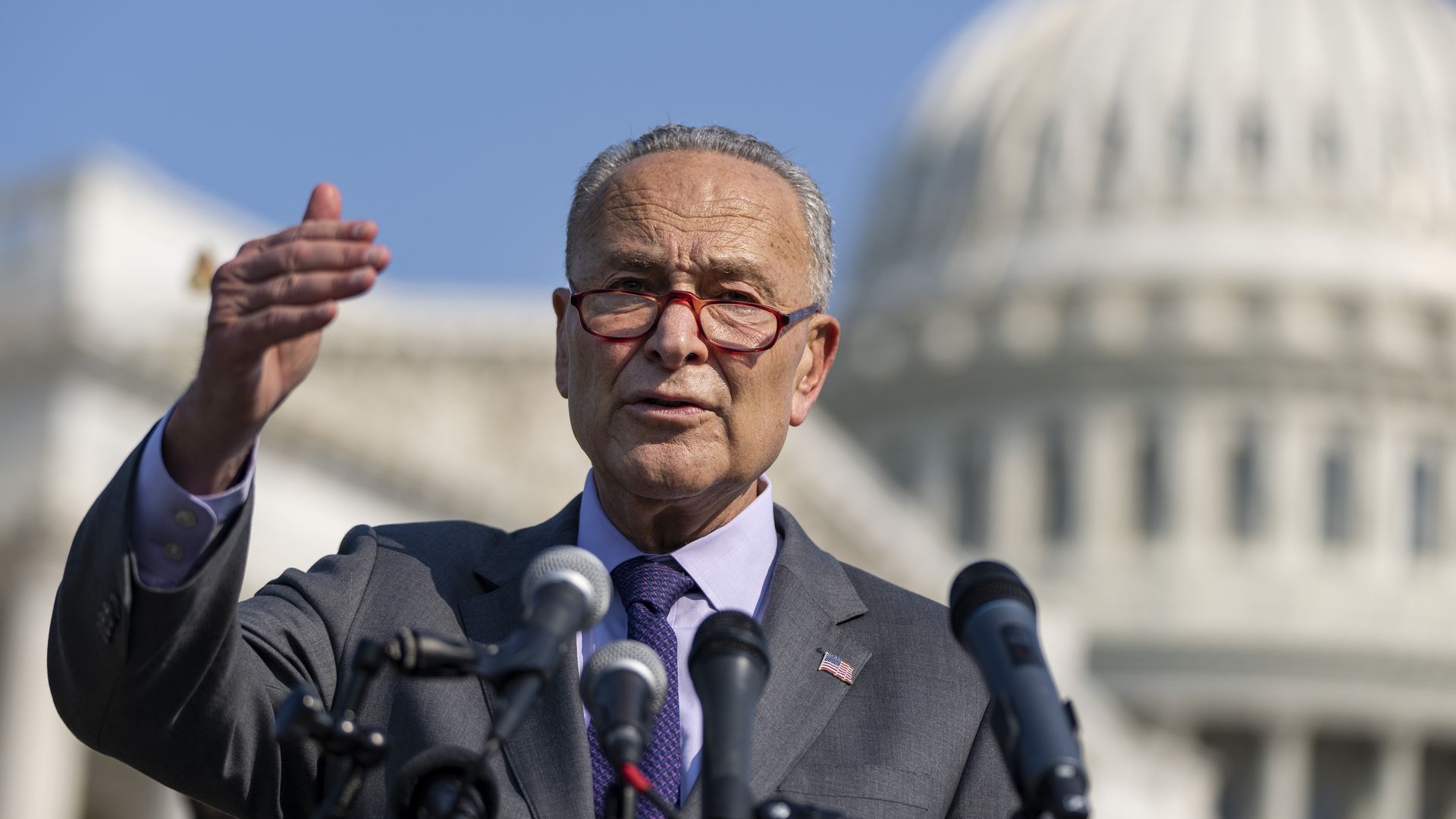
Senate Democrats' spending and tax plan and the bipartisan infrastructure package would together cut greenhouse gas emissions almost enough to meet the U.S. pledge under the Paris Agreement, Majority Leader Chuck Schumer said.
Driving the news: Schumer, in a new letter to Senate colleagues, said his office's analysis of the two proposals shows they would put the U.S. on track to cut emissions around 45% below 2005 levels by 2030.
An environmental group with ties to the White House is pressing the Biden administration to emphasize climate change as it considers nominees to the Federal Reserve.
Driving the news: Evergreen Action, in a new memo shared with Axios, lays out five actions they want from the Fed.
The FAA is announcing $20.4 million in grants to airports for using zero-emissions vehicles and electrifying equipment that currently relies on fossil fuels.
Why it matters: While next-wave, future aviation/aircraft techgets lots of attention, nuts and bolts equipment at airports is decidedly low-tech (think diesel generators and dirty shuttle buses) and ripe for the deployment of existing and mature low-emissions systems.
Just-published industry data shows that installation of renewable power and battery storage capacity is on a record pace this year.
By the numbers: The American Clean Power Association said 9,915 megawatts of capacity came online in the first half of this year — a 17% increase over the first half of 2020.
Major power and oil companies are funding a tech startup that helps detect risks to critical infrastructure — including energy networks.
Driving the news: Urbint just announced $60 million in Series C funding to scale its platform that uses AI to "stop failures, damages, and worker injuries before they happen."
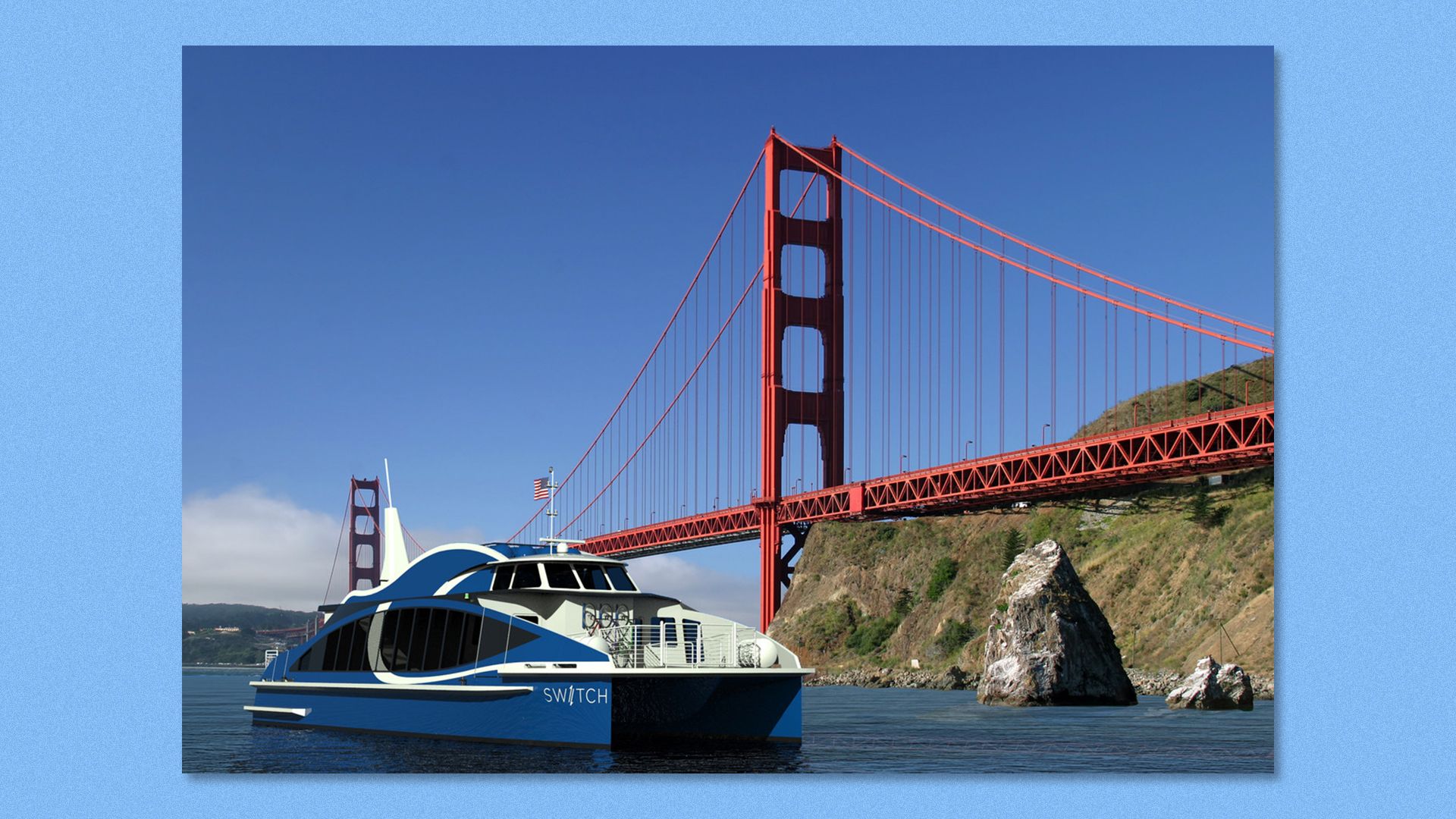
The country's first vessel powered by hydrogen fuel cells is undergoing trials and could begin passenger service this year in San Francisco Bay.
Why it matters: The 70-foot, 75-passenger ferry represents an important step in the U.S. maritime industry’s effort to transition away from fossil fuels to cleaner methods of propulsion.



/2021/08/24/1629809321658.gif?w=3840)