The burning of natural gas at oil production sites rose last year to its highest level since 2009, per newly released World Bank estimates based on satellite data.
Why it matters: Flaring the gas associated with oil production, rather than capturing it, emits lots of greenhouse gas emissions, even though the oil sector has made progress on a per-barrel basis.
Apple aims to ensure that within 10 years every product it sells will have a net zero impact on climate change, the tech giant announced Tuesday.
The big picture: The new goal is the latest by global technology companies looking to go big on climate change even while they face growing scrutiny over the main thrust of their businesses, namely antitrust concerns.
Roughly 60% of real estate investment trust (REIT) properties are projected to experience high water-stress by 2030 — more than double the number today, according to a report that Axios had early access to from the asset management firm BlackRock.
Why it matters: Climate change is set to exacerbate water scarcity in much of the world. Investors who fail to price in the cost of adapting to water stress risk being left high and dry.
The loss of sea ice due to climate change is predicted to threaten the survival of polar bear populations across the Arctic by the end of the century, new research shows.
Why it matters: "Polar bears have long been considered messengers of the climate change symptoms that will impact all life, including humans," says Polar Bears International chief scientist Steven Amstrup.
There's a lot of jobs potential if the federal government gets serious about plugging what could be as many as 3 million abandoned oil-and-gas wells nationwide, a new report from Resources for the Future and a Columbia University energy think tank concludes.
Why it matters: Abandoned wells can leak methane — a very potent planet-warming gas — and other pollutants. If it tackles 500,000 of those, this could mean up to 120,000 more jobs.
Chevron said Monday that it has entered into an agreement to acquire Noble Energy, a large independent oil-and-gas producer, in a $5 billion all-stock transaction.
Why it matters: It will expand Chevron's footprint in the U.S. shale patch, where the company is competing with rival Exxon.
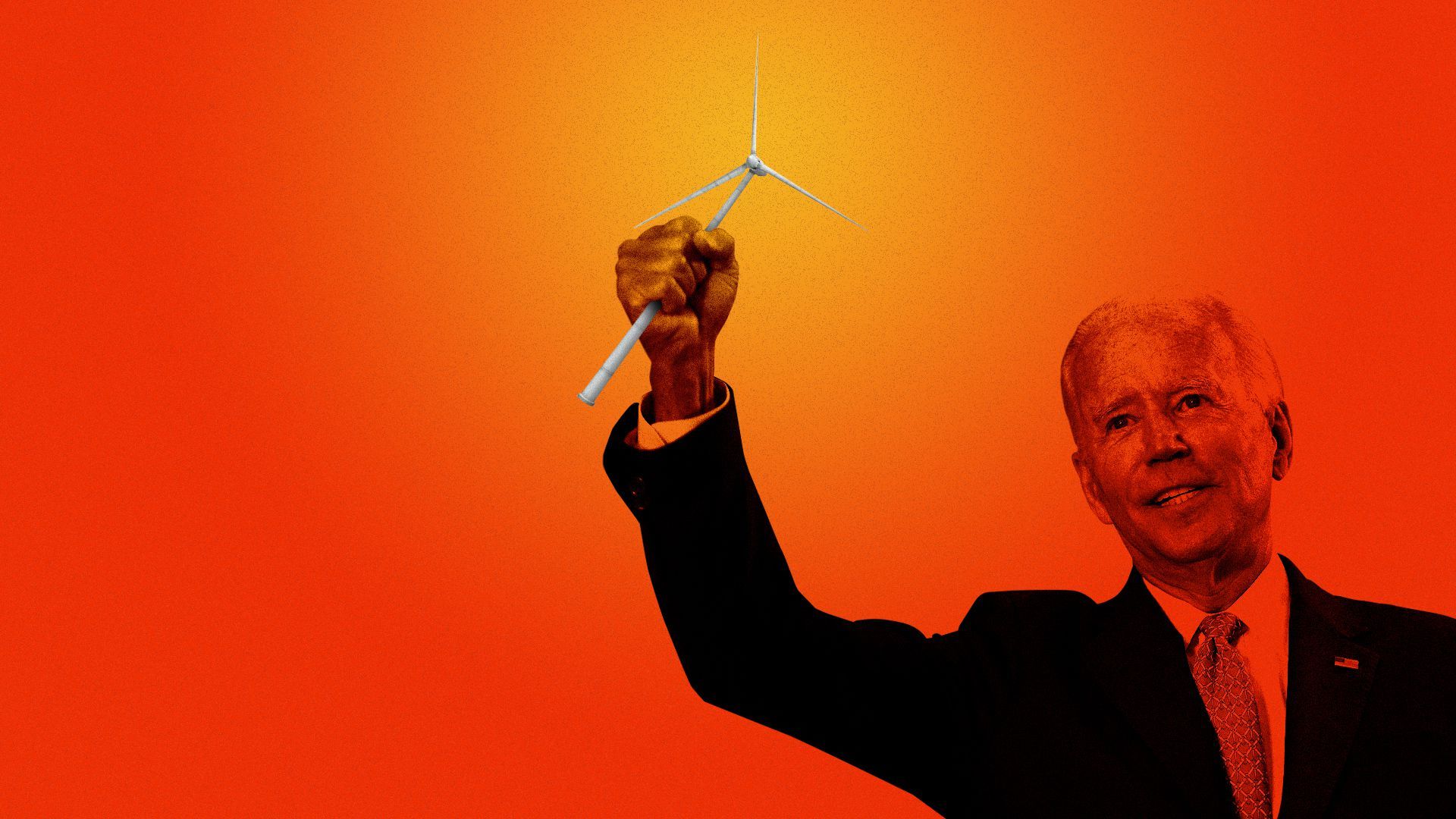
Joe Biden’s latest climate change and clean energy plan mentions the word union more than it does the climate itself.
Why it matters: Wind and solar energyhave grown immensely across America over the last decade, but associated union jobs have not. The Democrats’ presumptive presidential nominee is trying to change that, which politicians and others say is key to tackling climate change.