Fisker, one of the many electric-vehicle startups with big plans to make cars but no actual production yet, could soon become a public company.
Why it matters: If Fisker has a successful public launch, it'll be yet another sign that the market hive-mind sees something in electric-vehicle startups that aren't yet reflected in their actual financials.
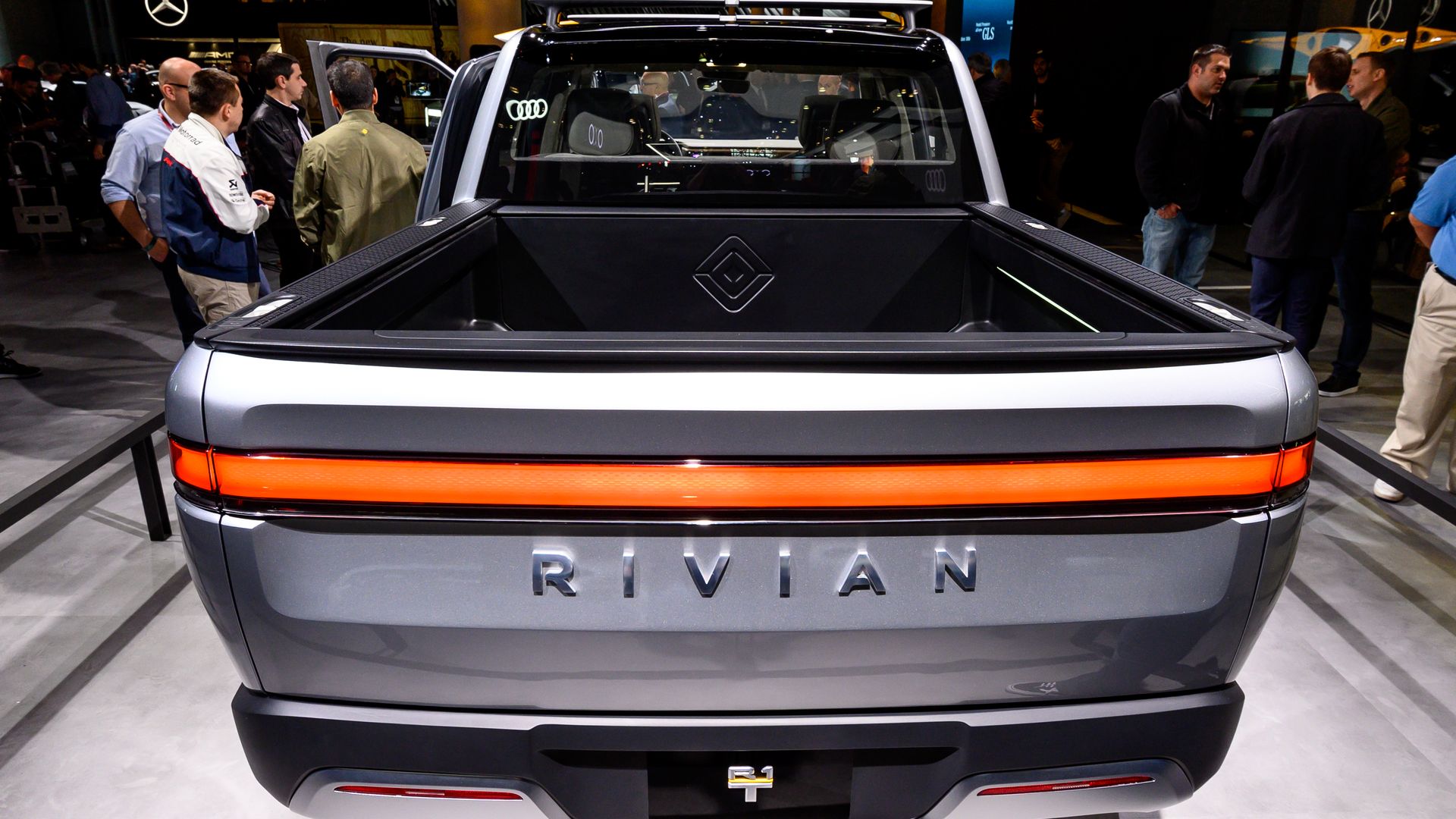
Electric vehicle company Rivian announced Friday the close of a $2.5 billion funding round.
Why it matters: It's another sign that the Michigan-based company is very well-positioned among the suite of electric vehicle startups with vehicles heading to the market.
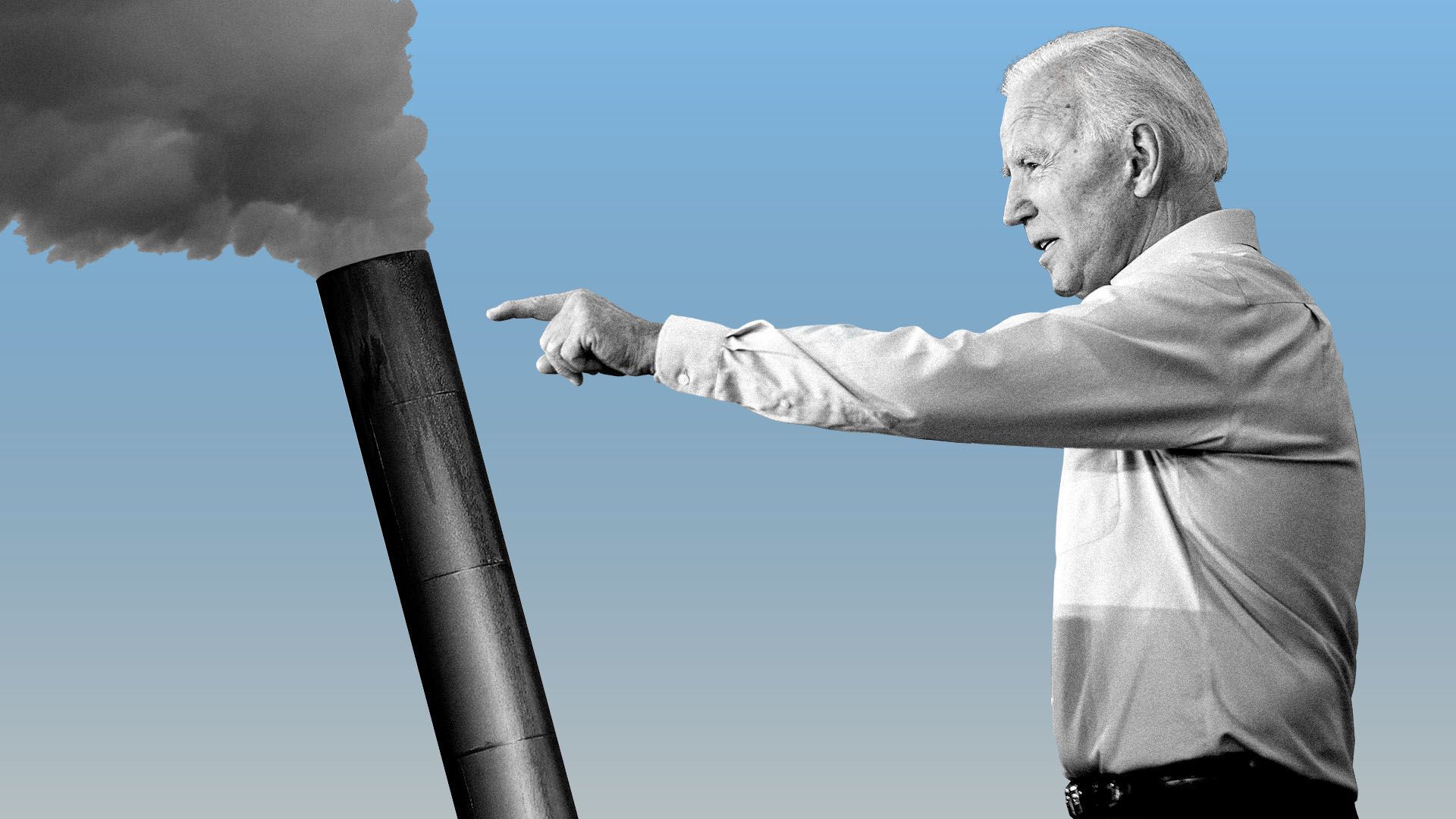
Joe Biden is making it increasingly clear that he'll push for a large increase in energy research, development and demonstration funding if he wins the White House.
Driving the news: The economic proposals Biden unveiled yesterday include $300 billion over four years for investments in R&D and "breakthrough" tech — and one of the focus areas is energy.
The growth of coronavirus cases is "casting a shadow" over oil's recovery despite the partial demand revival and supply cuts that have considerably tightened the market in recent months, the International Energy Agency said Friday.
Why it matters: IEA's monthly report confirms what analysts have seen coming for a long time: Failure to contain the virus is a huge threat to the market rebound that has seen prices grow, but remain at a perilous level for many companies.
Black and Hispanic communities are less likely than white communities to trust the safety of their tap water, according to Morning Consult survey data out this week.
Why it matters: There's now a greater understanding of the links between the environment and health — and the role systemic racism has played in the distribution of pollution across communities of color.
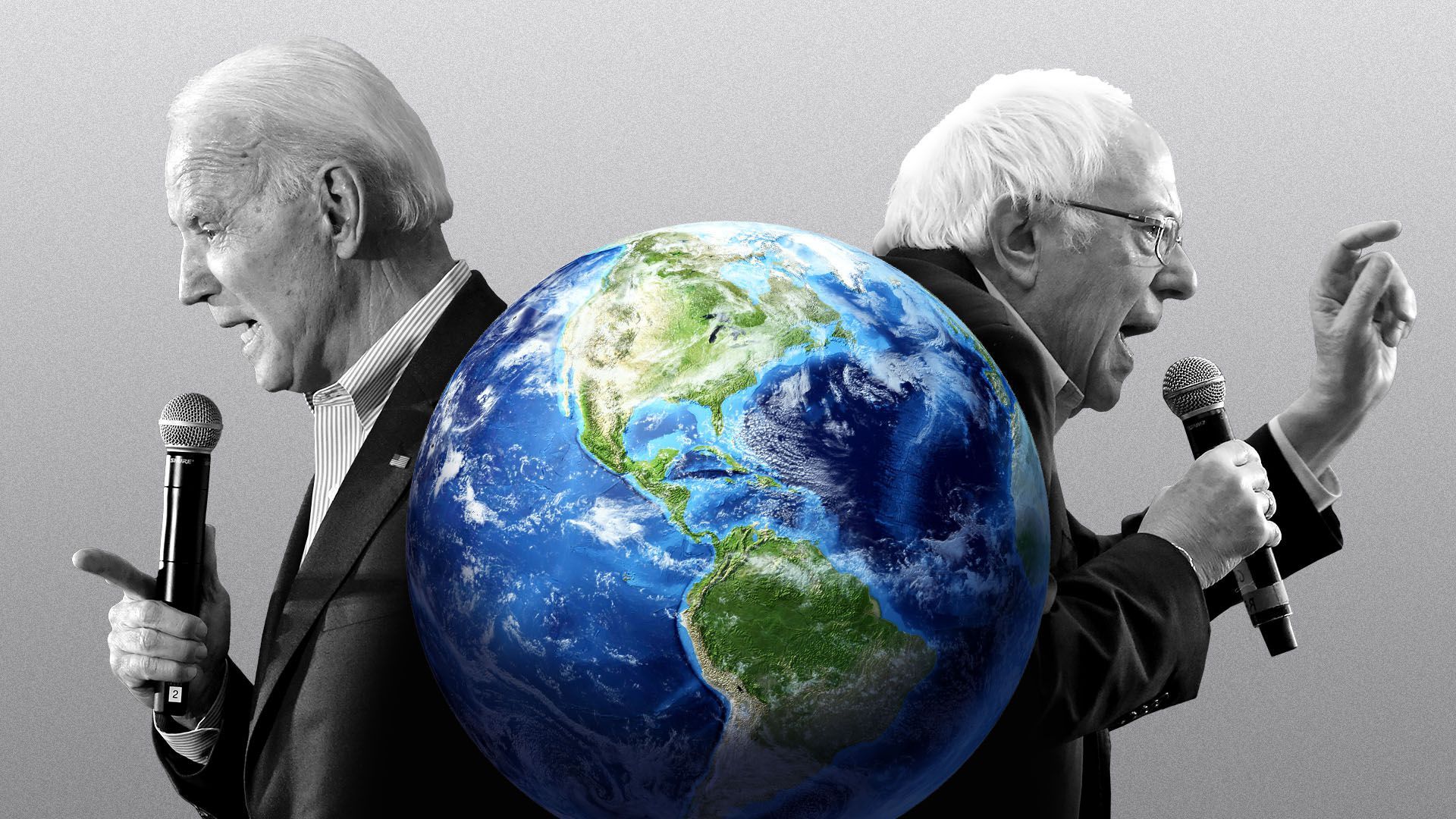
The six "unity" task forces that the Joe Biden and Bernie Sanders put together unveiled their policy recommendations yesterday.
The big picture: Big climate ideas include setting "technology-neutral" standards to achieve 100% carbon-free electricity by 2035, and a goal of achieving net-zero emissions in all new buildings by 2030.
A pandemic is a bad, expensive and inadequate way to cut carbon emissions, and a Rhodium Group analysis out this morning helps to underscore why.
Why it matters: It modeled U.S. emissions this year and going forward based on several different scenarios of GDP decline and recovery — and all of them show lower levels for the next decade compared to the pre-pandemic baseline, but none are consistent with deeply decarbonizing the economy or a pathway to net-zero emissions by midcentury.