The big picture: The Trump administration has revoked or rolled back 66 environmental regulations, per a New York Times analysis. Eight of the regulation reversals have taken place since late April, during the coronavirus pandemic.
Governments can create millions of jobs and put carbon emissions into a "structural decline" with a three-year, $3 trillion push to stitch climate-friendly energy into pandemic response packages, the International Energy Agency said Thursday.
Why it matters: The analysis, crafted with the International Monetary Fund, is an effort put analytical weight behind the push for "green" economic recovery measures.
CNET reports that the newly unveiled electric bus from the U.K. startup company Arrival has some features that make it suitable for the pandemic age by enabling social distancing.
The big picture: "[T]he interior of the bus is customizable, with removable seats, so you can create additional space between passengers. It's a pretty novel way to increase or decrease seats to meet reopening guidelines," CNET reports.
Lyft's newly announced plan to go 100% electric by 2030 blends ambition on climate with an admission that making good relies on variables it can perhaps influence but can't control.
Why it matters: The ride-hailing giant is admirably open about something that can get lost in the avalanche of big pledges over the last two years. They need policy changes to make it work.
Greentown Labs, the big Boston-area incubator of clean technology startups, is opening a second space in Houston, the heart of the U.S. oil industry.
Why it matters: It shows efforts to accelerate changes are already underway in the energy ecosystem even as fossil fuels remain dominant, and the cross-pollination between emerging and legacy industries.
Logitech is adding labels to its computer accessories showing how much carbon the products consume — from the raw materials to the manufacture, distribution and use of the products.
Why it matters: The company hopes other firms will follow suit, giving consumers better info about the environmental impact of the products they buy.
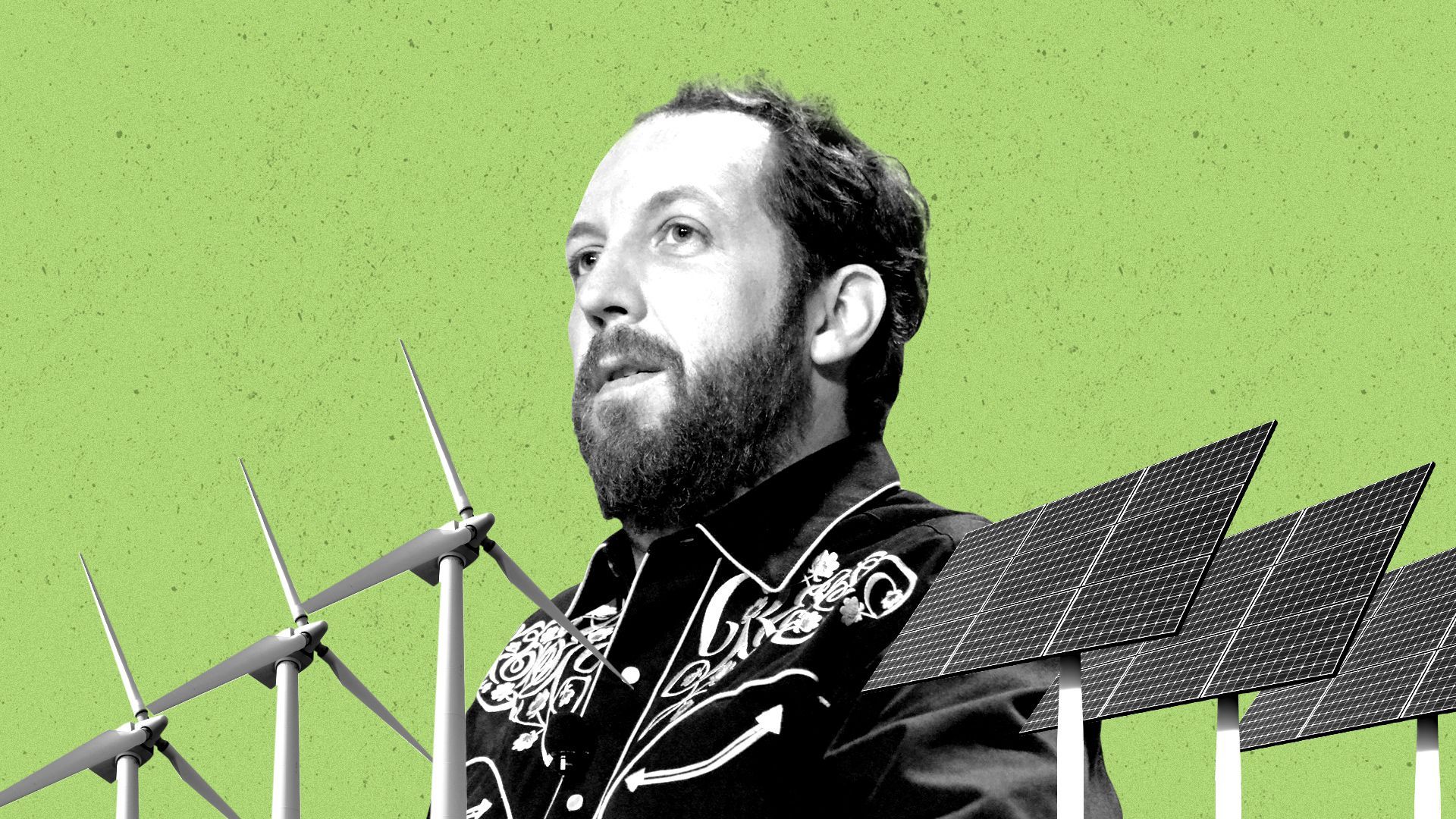
Chris Sacca was one of the past decade's most successful venture capitalists, with a run that included early bets in such companies as Instagram, Twitter and Uber. Then, in 2017, he quit.
Driving the news: Sacca is good at investing, but bad at retiring. He's now running a new firm called Lowercarbon Capital, focused on startups that are developing "technologies to reduce CO2 emissions, remove carbon from the atmosphere, and actively cool the planet."
A new analysis from the firm Energy Innovation finds proposed zero-emissions truck mandates in California would have substantially larger benefits than regulators estimate.
Why it matters: The California Air Resources Board is slated to approve regulations late next week that would require greatly increasing penetration of zero-emissions trucks, reaching well over half of all sales in 15 years.
Americans are growing increasingly concerned about health risks linked to global warming, according to a newly released survey from Ipsos alongside Yale and George Mason researchers.
Why it matters: The findings are further evidence of a political opening for Joe Biden on the topic.

/2020/06/18/1592486088362.gif?w=3840)