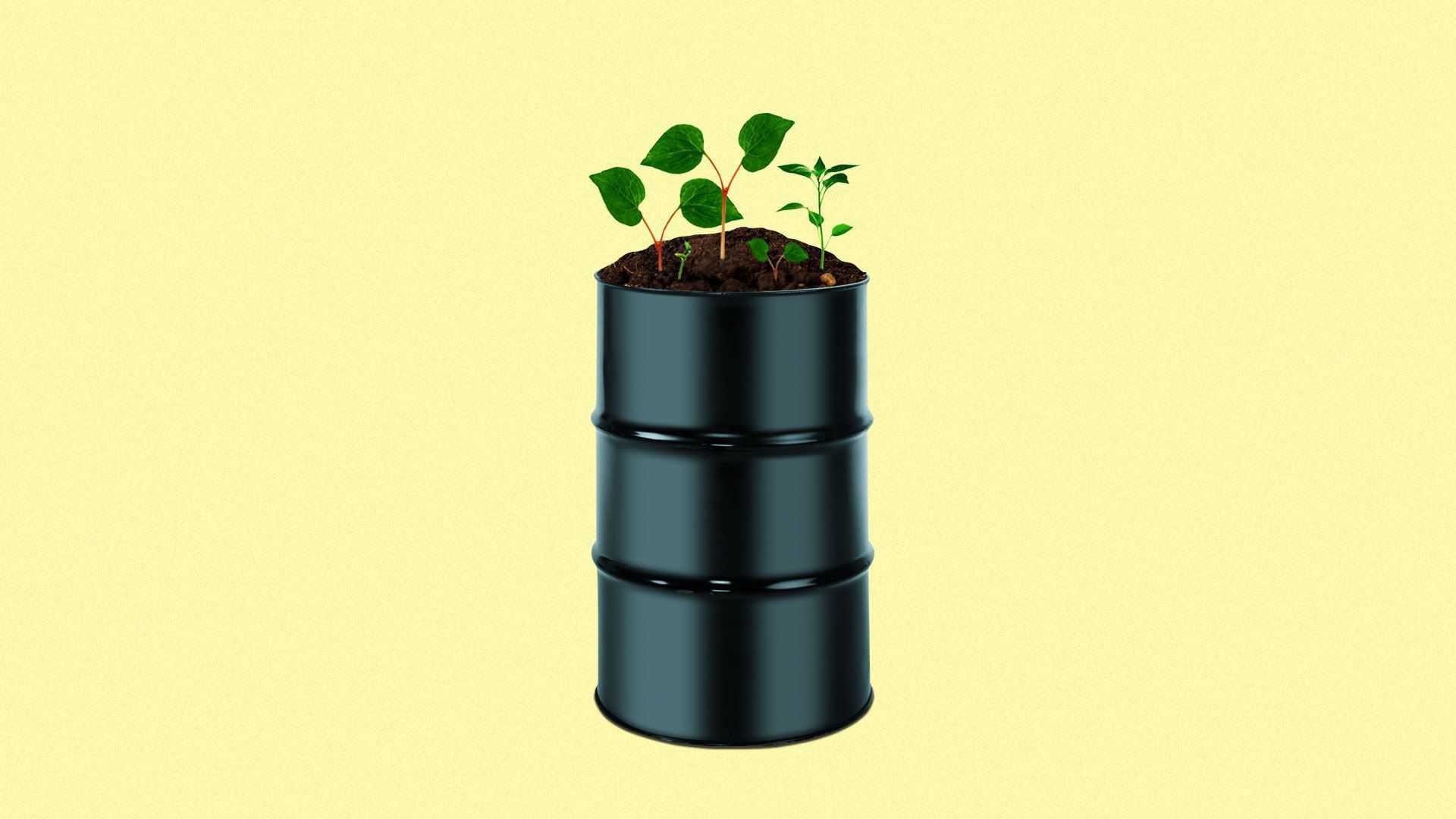
The pandemic will "expedite peak oil demand," the consultancy Rystad Energy said in a note this week, taking stock of how much additional oil will not be produced in the future as a result.
Why it matters: Rystad's summary of its annual review of oil resources shows how the coronavirus pandemic is prompting analysts to change their thinking about the future of oil.
Global coal consumption dipped by 0.6% in 2019, the fourth decline in six years, but the most carbon-intensive fuel remains by far the largest source of power generation in world, per BP's latest global data review.
Why it matters: Coal's persistence in the global mix, even as it loses some ground, is among the major reasons why the world is far, far away from achieving steep emissions declines needed to meet the goals of the Paris climate deal.
There are growing signs that Tesla will choose the Austin region in Texas to build a factory that would make the "Cybertruck" pickup and Model Ys for East Coast delivery.
Driving the news:Per the Austin American-Statesman, Tesla has a proposed deal with a local school district that would provide up to $68 million in tax incentives over a decade for building a 4 million- to 5 million-square-foot plant that would employ thousands.
The big picture: The Trump administration has revoked or rolled back 66 environmental regulations, per a New York Times analysis. Eight of the regulation reversals have taken place since late April, during the coronavirus pandemic.
Governments can create millions of jobs and put carbon emissions into a "structural decline" with a three-year, $3 trillion push to stitch climate-friendly energy into pandemic response packages, the International Energy Agency said Thursday.
Why it matters: The analysis, crafted with the International Monetary Fund, is an effort put analytical weight behind the push for "green" economic recovery measures.
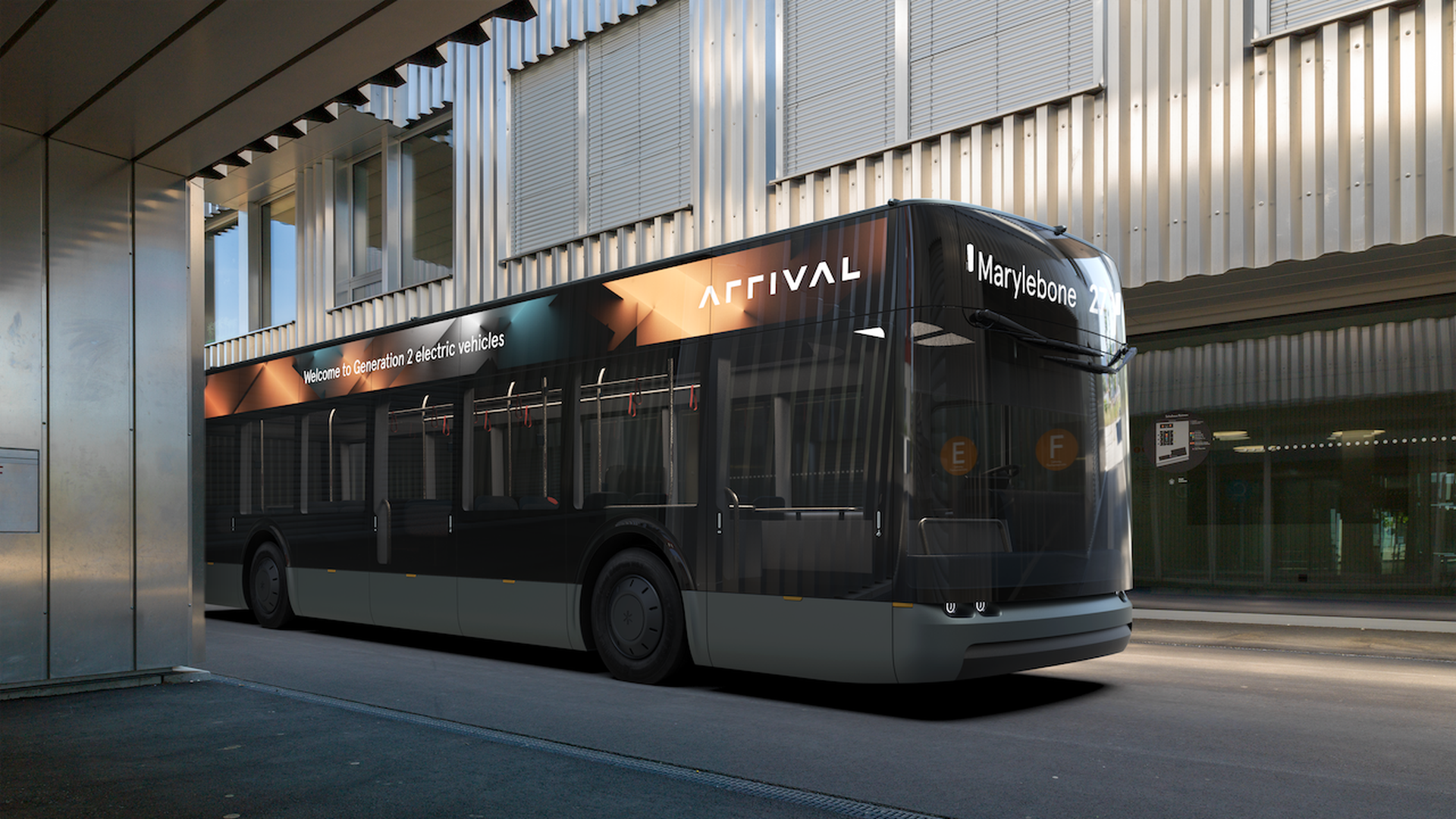
CNET reports that the newly unveiled electric bus from the U.K. startup company Arrival has some features that make it suitable for the pandemic age by enabling social distancing.
The big picture: "[T]he interior of the bus is customizable, with removable seats, so you can create additional space between passengers. It's a pretty novel way to increase or decrease seats to meet reopening guidelines," CNET reports.
Lyft's newly announced plan to go 100% electric by 2030 blends ambition on climate with an admission that making good relies on variables it can perhaps influence but can't control.
Why it matters: The ride-hailing giant is admirably open about something that can get lost in the avalanche of big pledges over the last two years. They need policy changes to make it work.
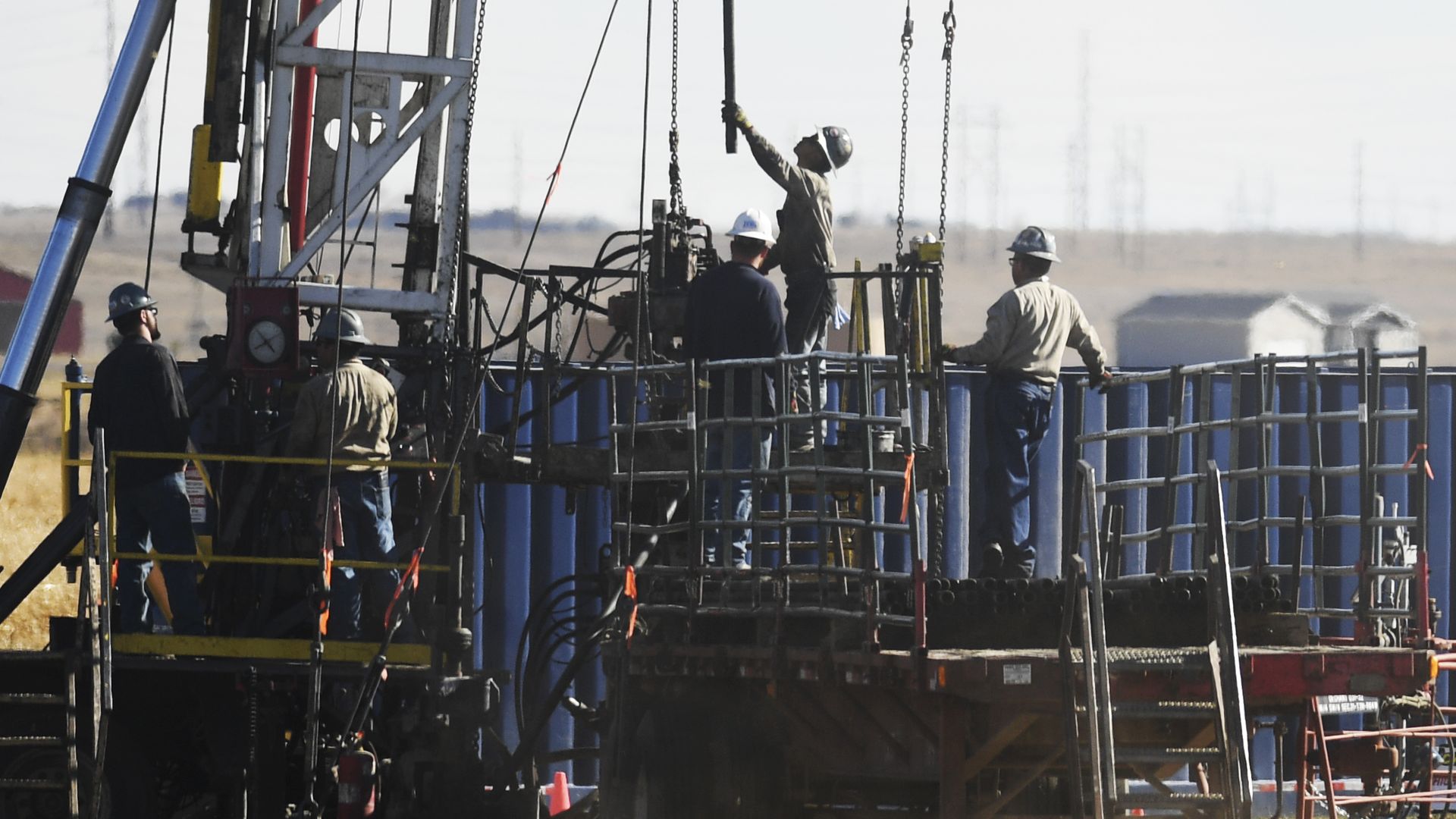
Greentown Labs, the big Boston-area incubator of clean technology startups, is opening a second space in Houston, the heart of the U.S. oil industry.
Why it matters: It shows efforts to accelerate changes are already underway in the energy ecosystem even as fossil fuels remain dominant, and the cross-pollination between emerging and legacy industries.




/2020/06/18/1592486088362.gif?w=3840)