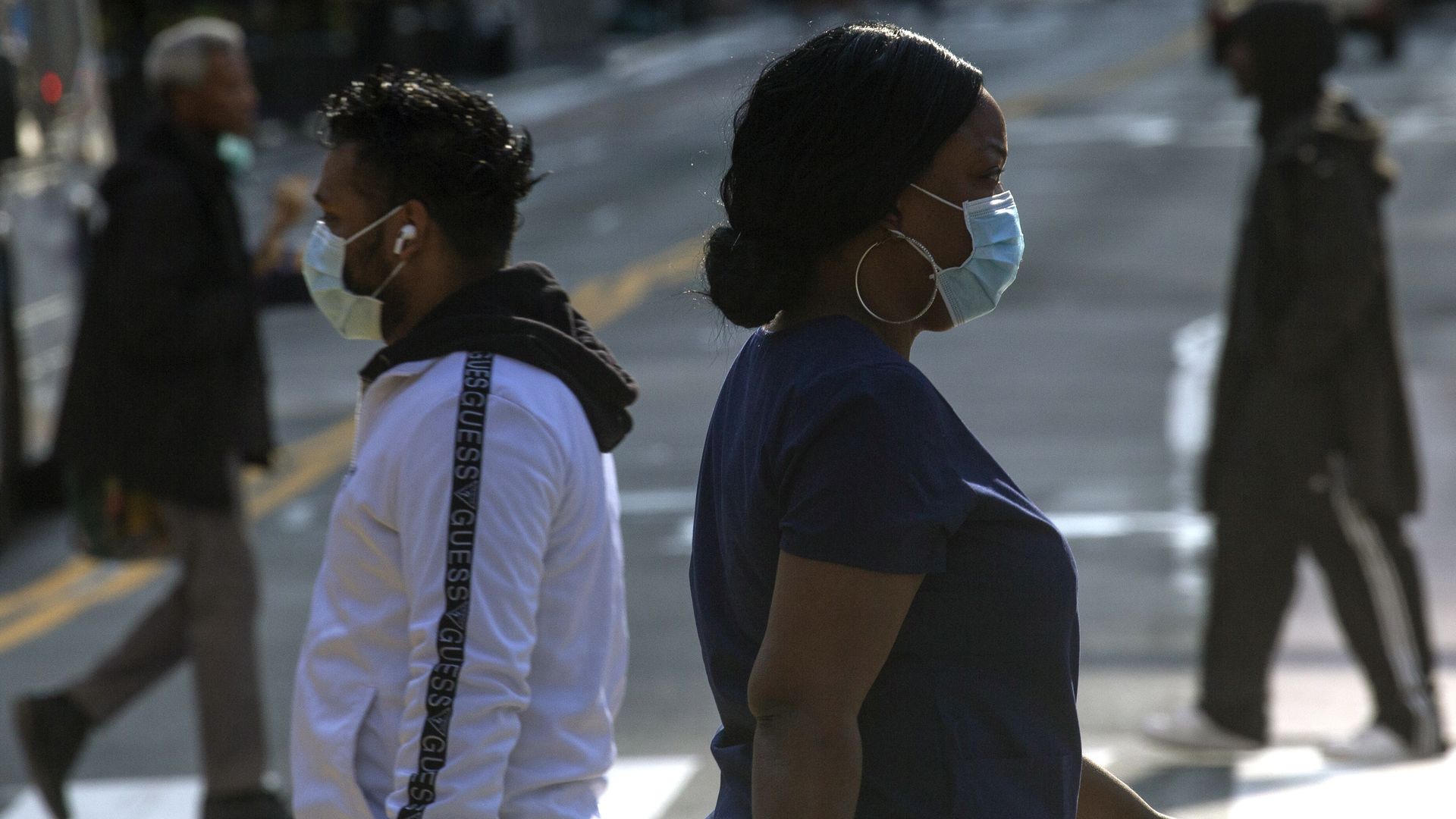
Coronavirus patients in more polluted parts of the United States are more likely to die from the illness than those in cleaner areas, according to a new Harvard University analysis of 3,080 counties across the country.
Why it matters: The study indicates a correlation between long-term exposure to air pollution and heightened death rates associated with the virus. Its findings could impact how medical resources necessary to respond to the virus are being distributed throughout the U.S., per the New York Times.
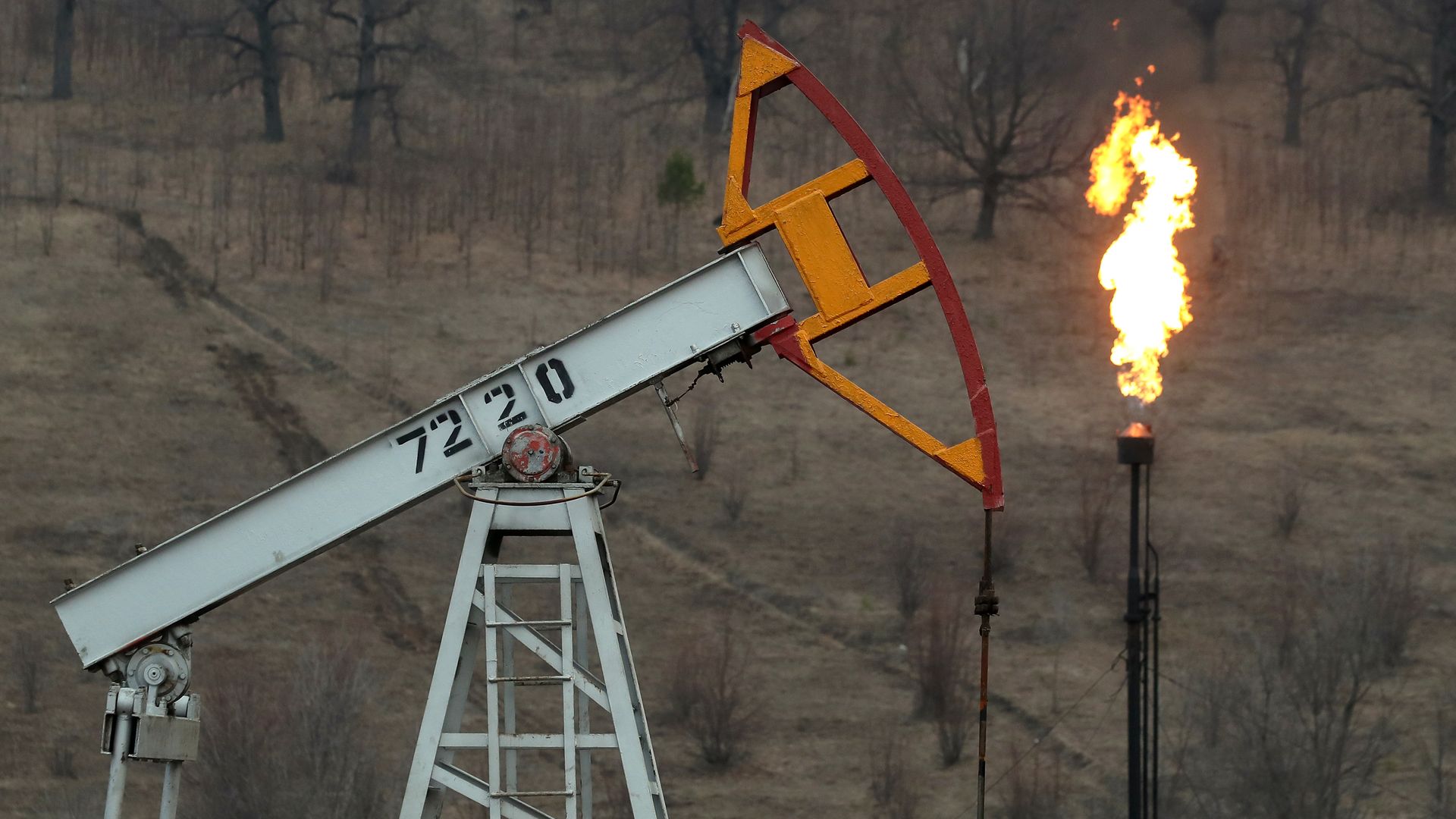
The Energy Department released revised projections Tuesday that see U.S. crude oil production dropping substantially this year and remaining at lower levels through 2021.
Why it matters: The steep downward revisions are fresh signs of how low prices and collapsing oil demand from the coronavirus pandemic are upending the oil sector.
ExxonMobil is slashing planned capital spending this year by 30%, with the biggest reductions coming in the U.S. shale patch, the company announced on Tuesday.
Why it matters: It's the latest sign of how oil producers large and small are getting hit by the price collapse and demand cratering due to COVID-19.
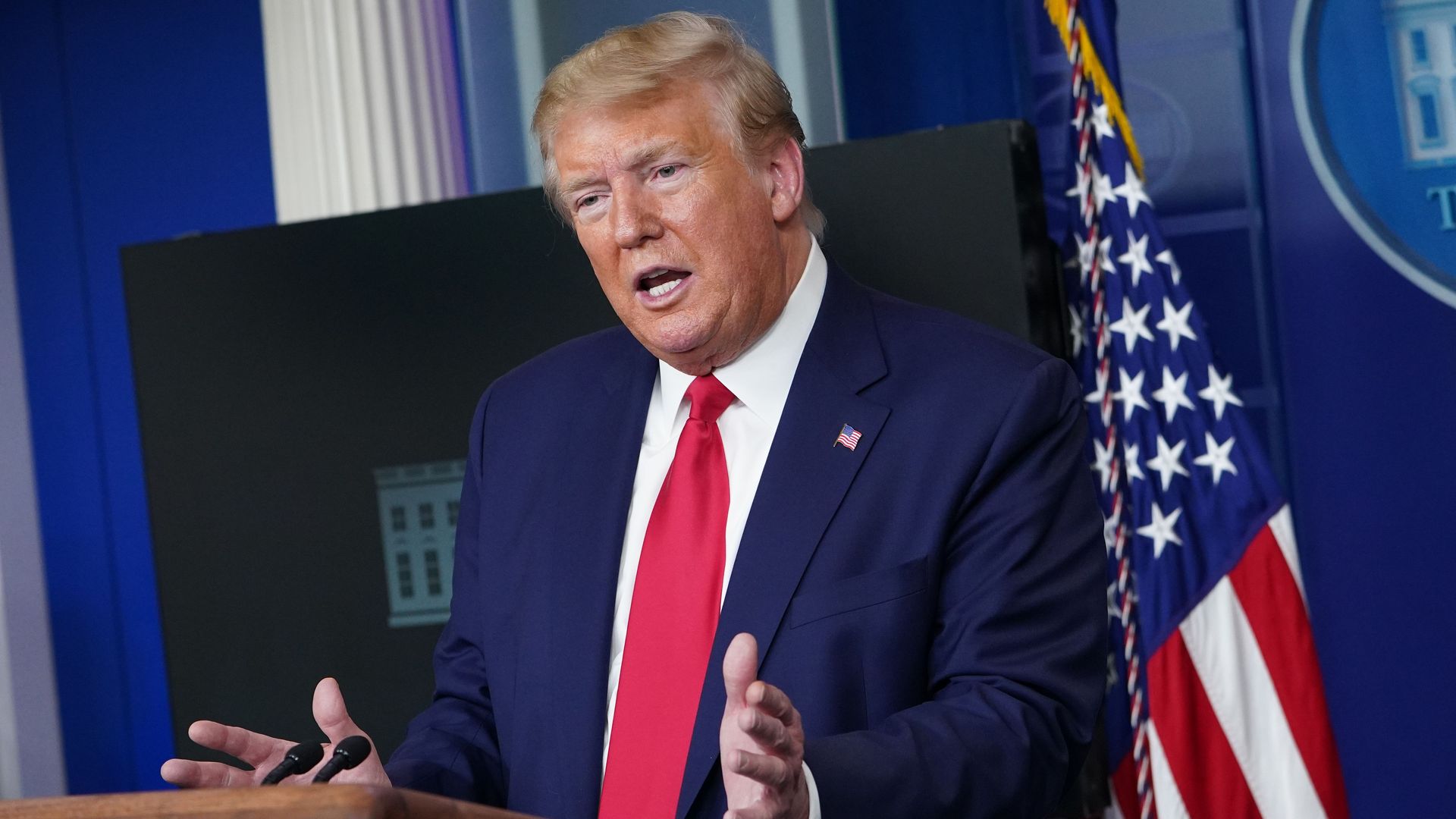
President Trump may have said out loud what's on the minds of people wondering about the prospects for a new international deal to pare back oil production: whether the U.S. could essentially join without a firm commitment.
Driving the news: On Monday evening, Trump said OPEC has not explicitly asked him to press U.S. oil companies to cut production, but added that U.S. output is slated to fall due to market forces as demand collapses.
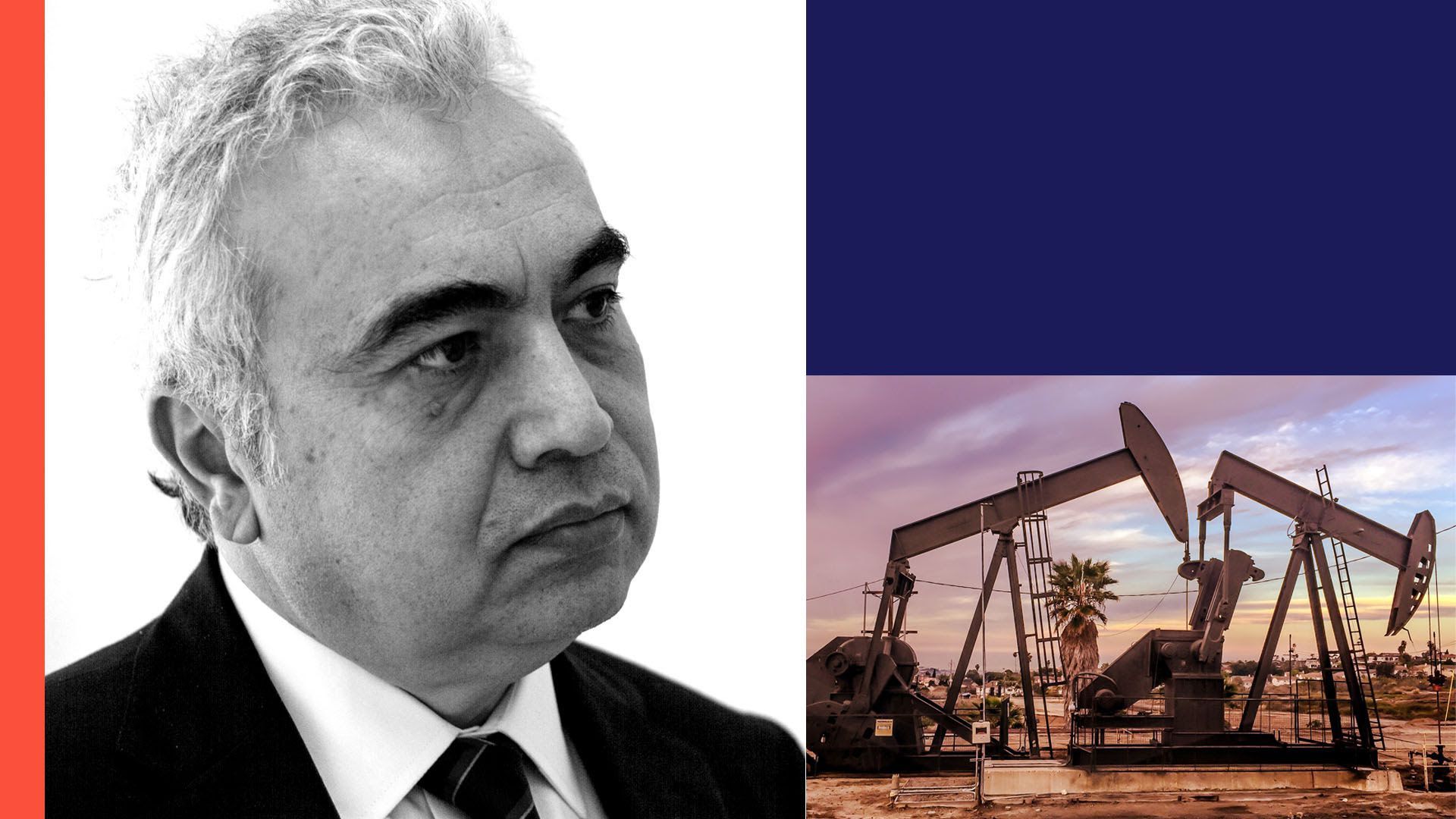
International Energy Agency executive director Fatih Birol has a tough job these days — responding to an unprecedented crisis now without losing sight of an existential one that must be tackled over decades.
Driving the news: He spoke to Axios yesterday about his work to help stabilize oil markets and ensure coronavirus doesn't sap governments' and companies' work on global warming.
Sure, the oil industry is in historic turmoil, but with an entire world gripped by the coronavirus crisis, social media users are gravitating to other topics.
Driving the news: Social media interactions on stories about oil and gasoline prices have consistently ranked relatively low during the past month as the coronavirus crisis choked oil demand and wreaked havoc on the industry, according to NewsWhip data provided to Axios.
President Trump said Monday that OPEC has not explicitly asked him to press U.S. oil companies to cut production, but he added that U.S. output is slated to fall due to market forces as demand collapses.
Why it matters: The comments suggest how the U.S. could offer de facto participation in a wider international production-cutting deal, even though top-down mandates are not part of the U.S. market system.
Oil prices have cratered due to reduced demand and a dispute between Russia and Saudi Arabia, threatening one of America's largest industries. Dan digs in with Axios energy reporters Amy Harder and Ben Geman.
The G20 is emerging as a venue for cooperative efforts to try and calm the oil market, and Bloomberg and others report that a potential meeting of G20 energy ministers could be Friday.
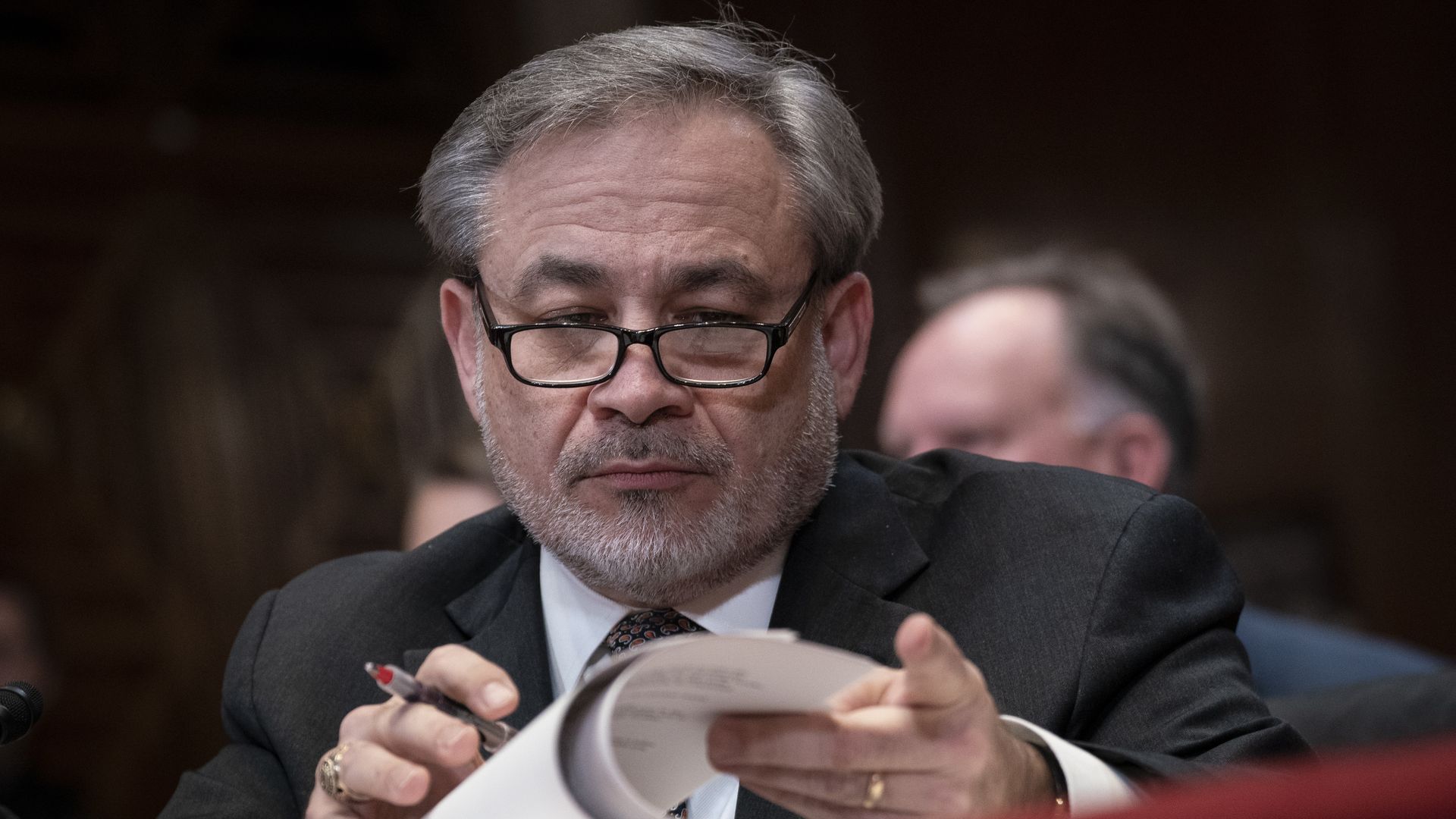
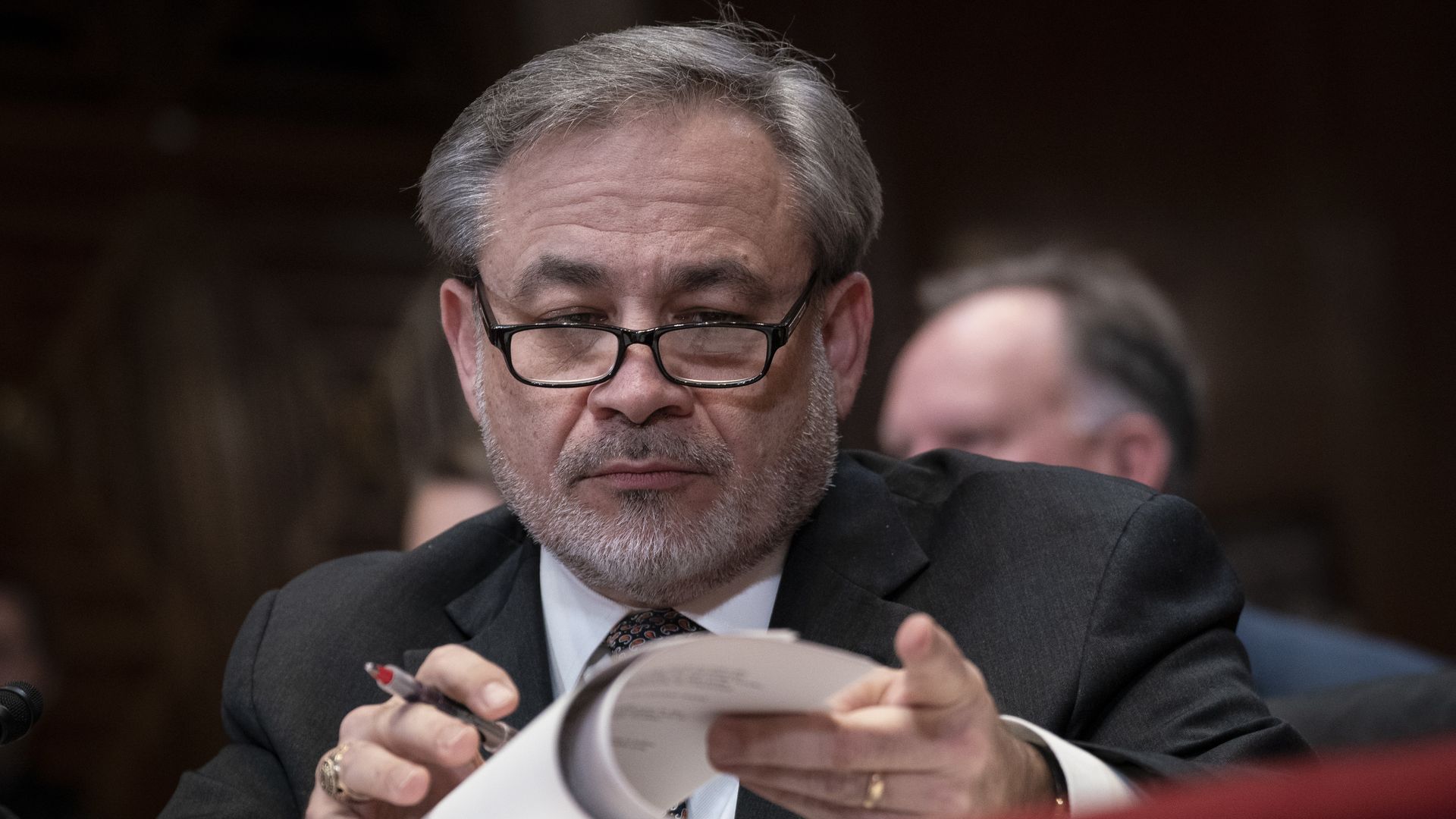
Driving the news: U.S. Energy Secretary Dan Brouillette discussed the G20 role during a wider discussion over the weekend with his Saudi counterpart, a DOE spokesperson tells Axios.
The new few days are slated to bring new efforts to achieved a coordinated cut in global oil production, but success is hardly a sure thing.
Why it matters: The coronavirus outbreak is fueling an unprecedented collapse in demand and has cratered prices, so new cutbacks could at least temper — though hardly alleviate — the market's tailspin.
The world is increasing its dependence on renewable energy, but the shift away from fossil fuels has been long and slow due to the limitations of alternative sources — and the coronavirus crisis has only hurt progress.
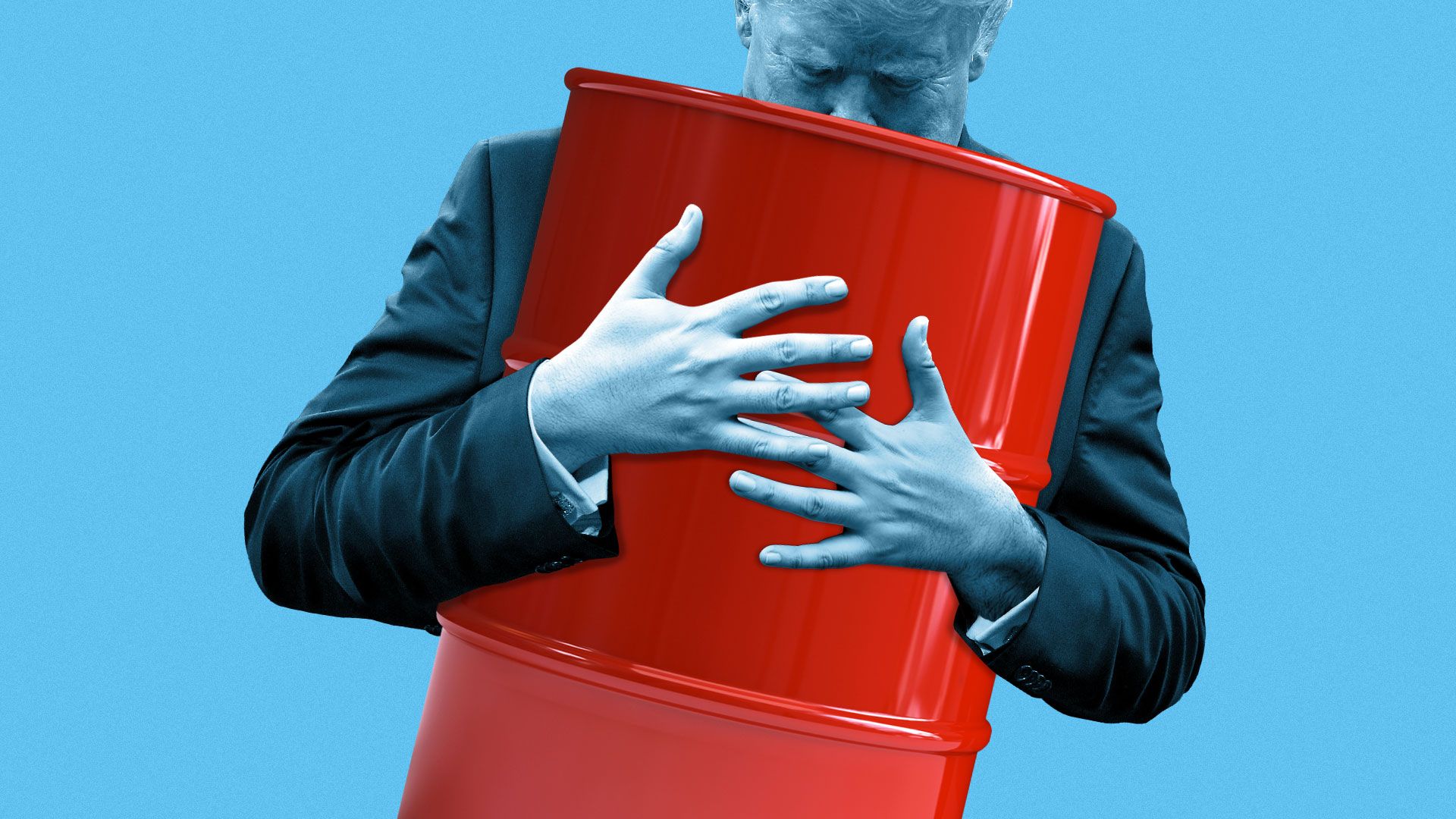
President Trump is working to help an oil industry imploding as the coronavirus crisis chokes demand, but listen closely and you’ll hear his enduring love for cheap prices.
Why it matters: He’s like most Americans, who worry about energy only when it’s expensive or gone. As president, Trump has been slow and uneven in responding to the sector’s turmoil because of his inclination to cheer rock-bottom prices.