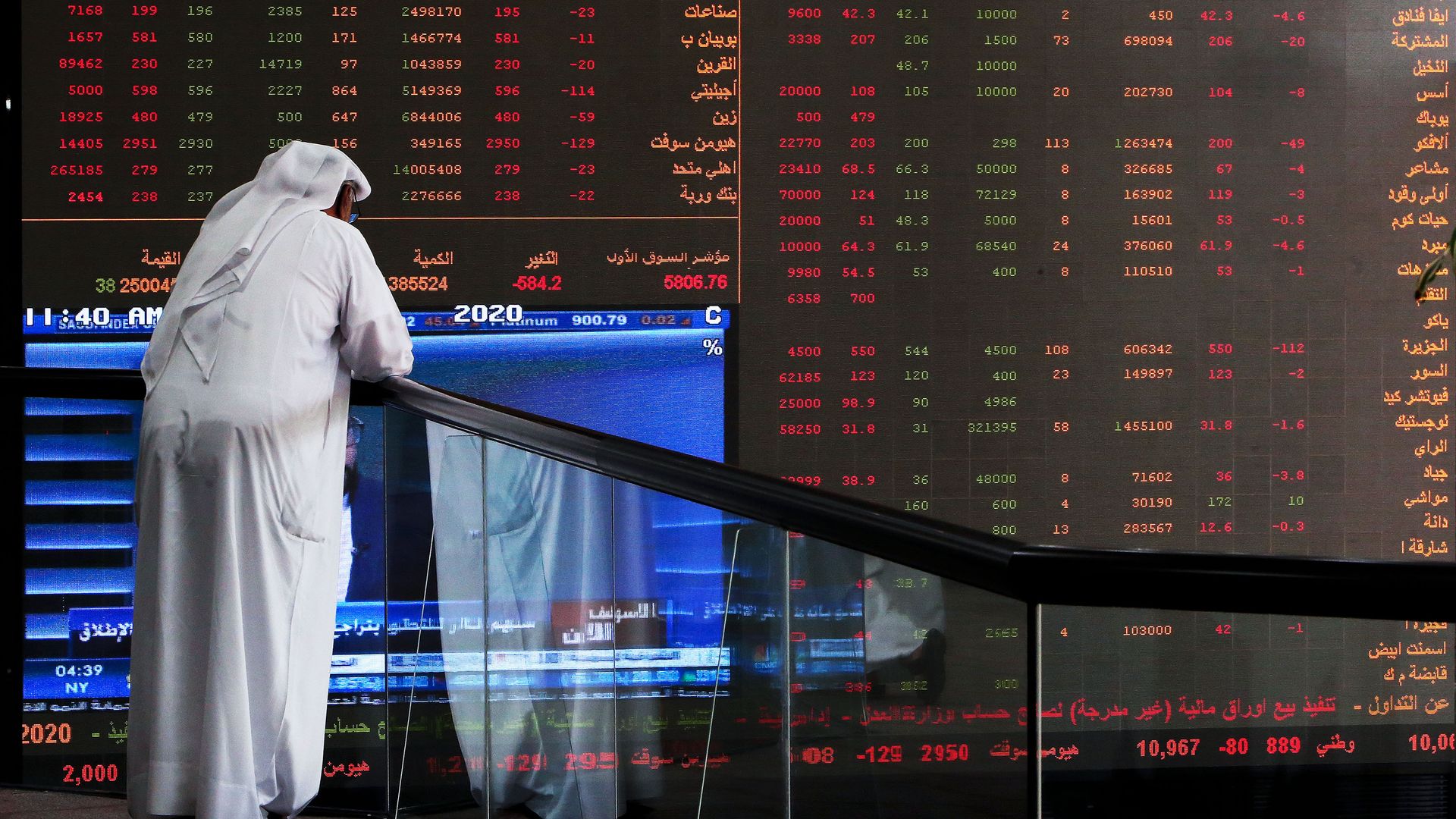
Oil prices nosedived to four-year lows Sunday as trading resumed after Friday's collapse of the OPEC-Russia production-limiting pact, a rupture slated to increase supplies at a time when the novel coronavirus is sapping demand.
The state of play: The immediate 31% collapse when trading resumed last night was the second-largest on record behind the 1991 Gulf war, Bloomberg reports.
Already struggling with mounting debt and falling market valuations, energy companies are at serious risk for mass bond defaults, especially those rated below investment grade, as oil prices now have fallen by more than 50% from their early January peak.
What's happening: Oil explorers and producers have around $86 billion of debt maturing over the next four years and companies with junk-rated debt were expected to have a hard time getting new financing this year, even before the COVID-19 and the weekend's OPEC fallout.
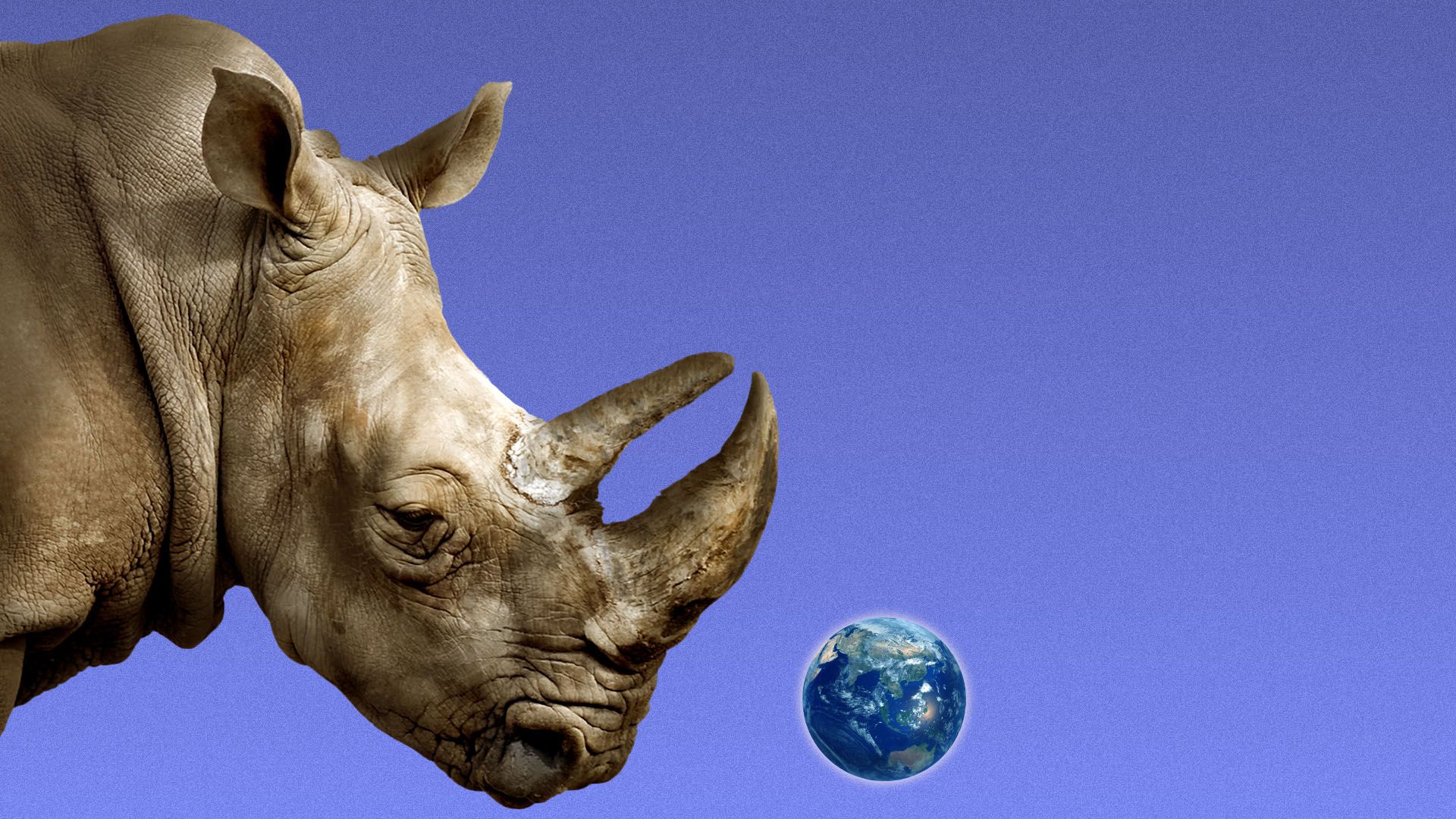
Forget black swans. We’re getting run over by two gray rhinos: coronavirus and climate change.
The intrigue: A gray rhino is a metaphor coined by risk expert Michele Wucker to describe “highly obvious, highly probable, but still neglected” dangers, as opposed to unforeseeable or highly improbable risks — the kind in the black swan metaphor.
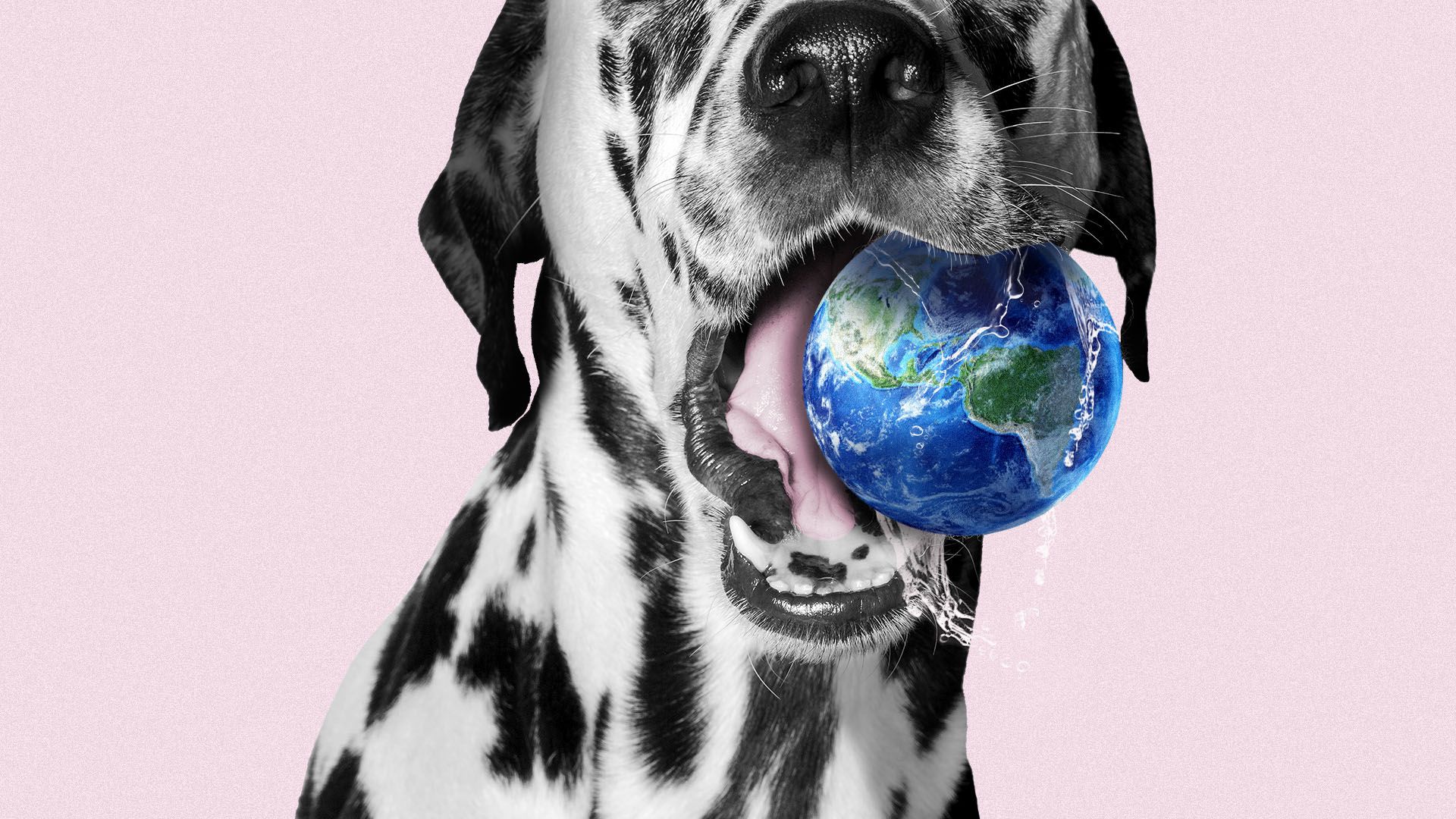
The 163 million dogs and cats in the U.S. ate one-quarter of the 94.3 billion pounds of meat the country produced in 2015, or as much as 62 million Americans did, according to estimates by UCLA professor Gregory Okin.
Why it matters: Raising that meat generated greenhouse gas emissions equivalent to 64 million tons of carbon dioxide, or as much as the yearly emissions of 12.3 million passenger vehicles. U.S. pet ownership has increased since 2015 when the pet census was taken and Okin made his calculations. As the number of pets has increased, so have emissions.
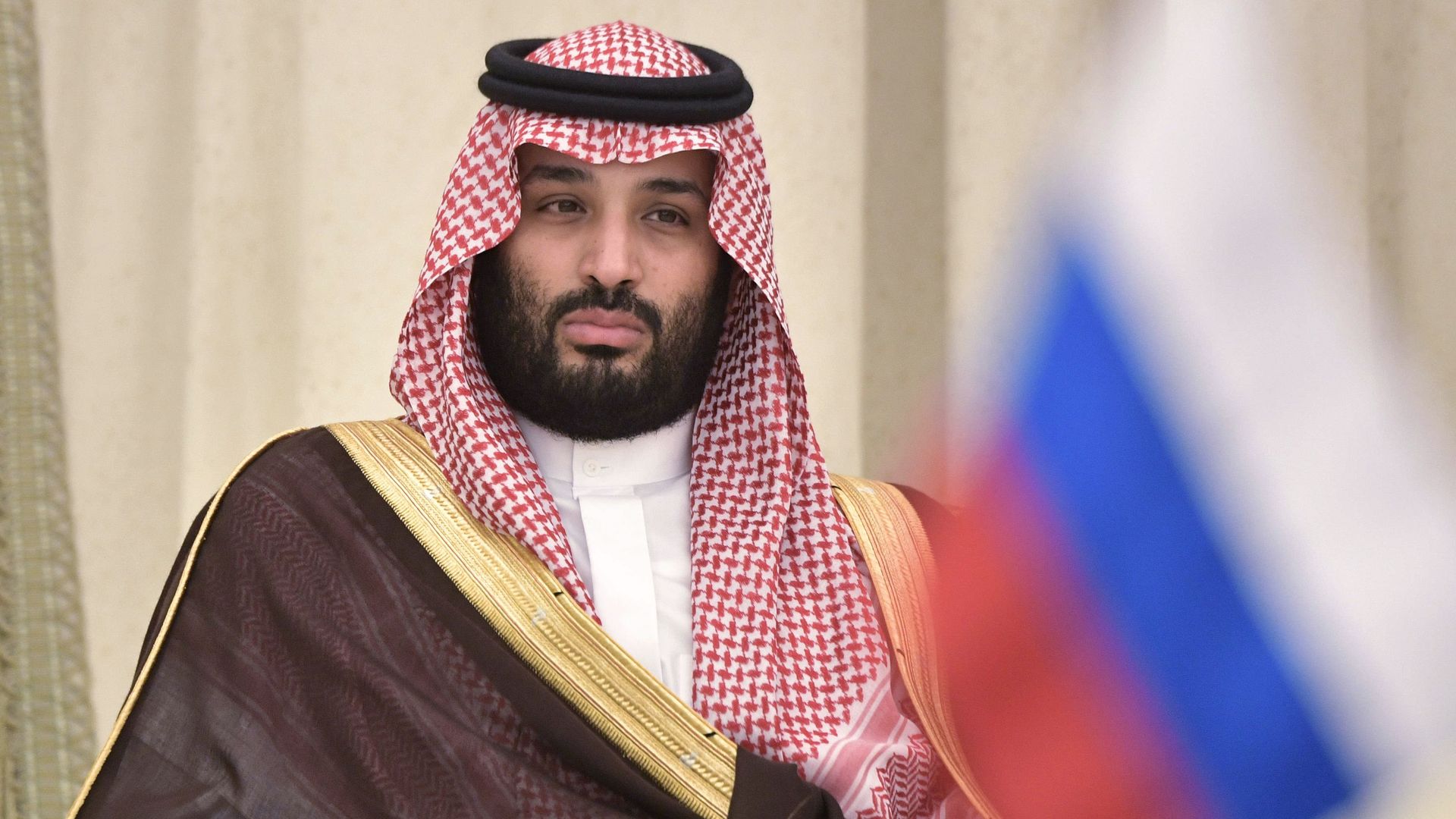
Saudi Arabia plans to boost oil output and sharply cut prices, signaling the first response to Friday's collapse of OPEC's production-cutting pact with Russia and allied producers, according to multiple reports.
Why it matters: The unraveling of the OPEC+ agreement, at least for now, and declining oil demand due to the novel coronavirus' economic toll are upending global oil markets and geopolitics.