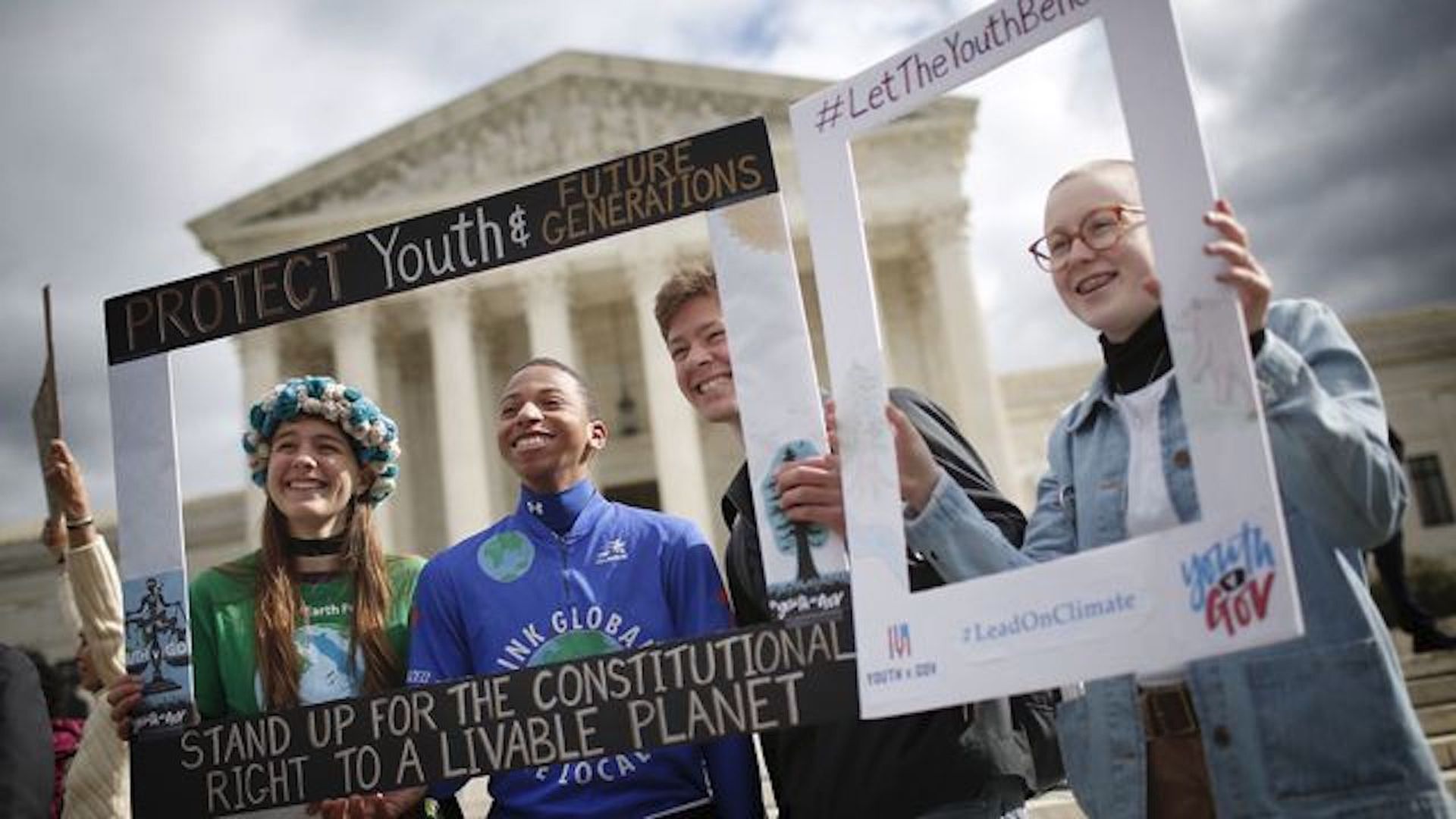
A federal appeals court on Friday threw out a lawsuit brought by 21 young people intended to force the U.S. government to act more aggressively to confront climate change.
Why it matters: The case, first brought in 2015, has been among the higher-profile pieces of climate litigation and underscores the challenges of using the court system to tackle global warming.
It’s big. It’s bold. It’s maybe impossible. And Microsoft is hedging a bit when it comes to the politics of its vow to become "carbon negative" by 2030. Dan digs in with Axios' Amy Harder.
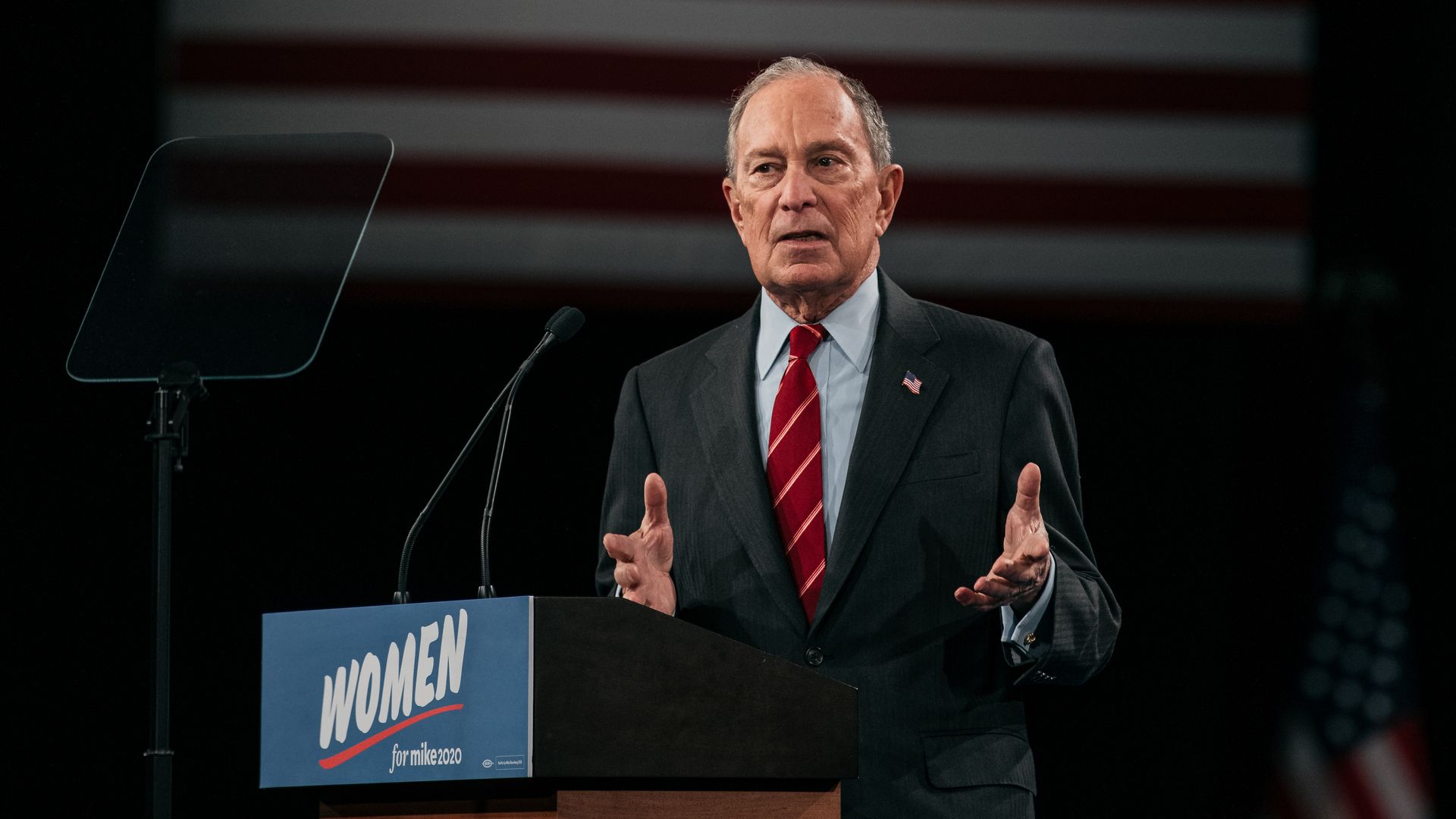
Michael Bloomberg's presidential campaign unveiled plans this morning to cut carbon from transportation, the nation's biggest source of greenhouse gas emissions.
The big picture: It's the latest of several climate and energy plans from Bloomberg, including proposals this week around wildfires, climate resilience, and emissions from buildings.
Transportation is a top contributor to greenhouse gas emissions, but the worst offenders aren't congested cities like New York and San Francisco. Instead, it's sprawling, car-dependent metros like Dallas and Houston, a new analysis finds.
Why it matters: Even dense, traffic-choked cities can offset their carbon output with better urban planning and other, cleaner forms of transportation, says StreetLight Data, which studied mobility behavior in 100 cities to create its new U.S. Transportation Climate Impact Index.