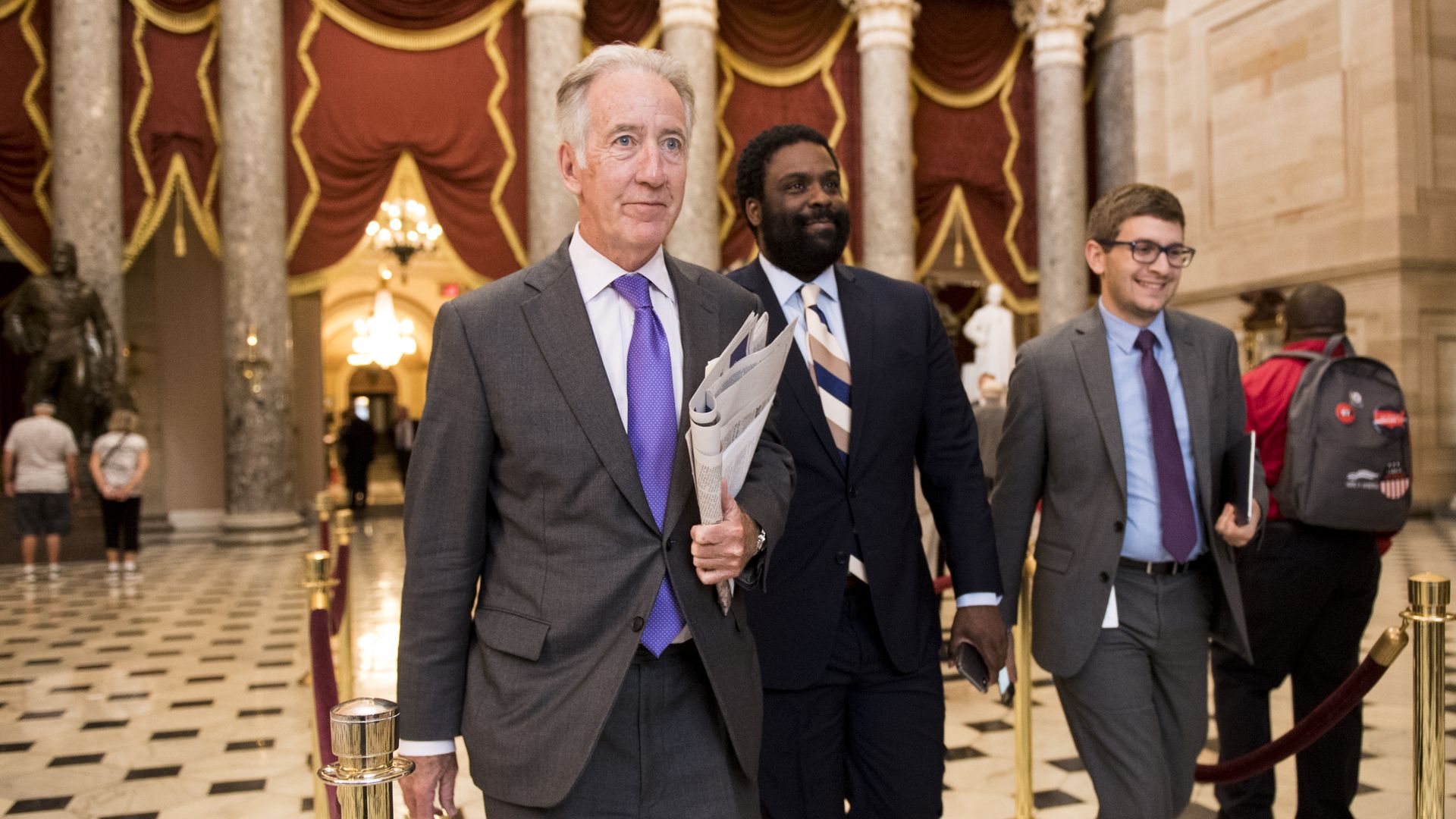
House Democrats on the tax-writing Ways and Means Committee have unveiled draft legislation that would extend and/or expand a suite of tax credits for climate-friendly energy sources.
Why it matters: The tax code has historically been a driver of solar and wind power deployment, as well as electric vehicle sales, and much more.
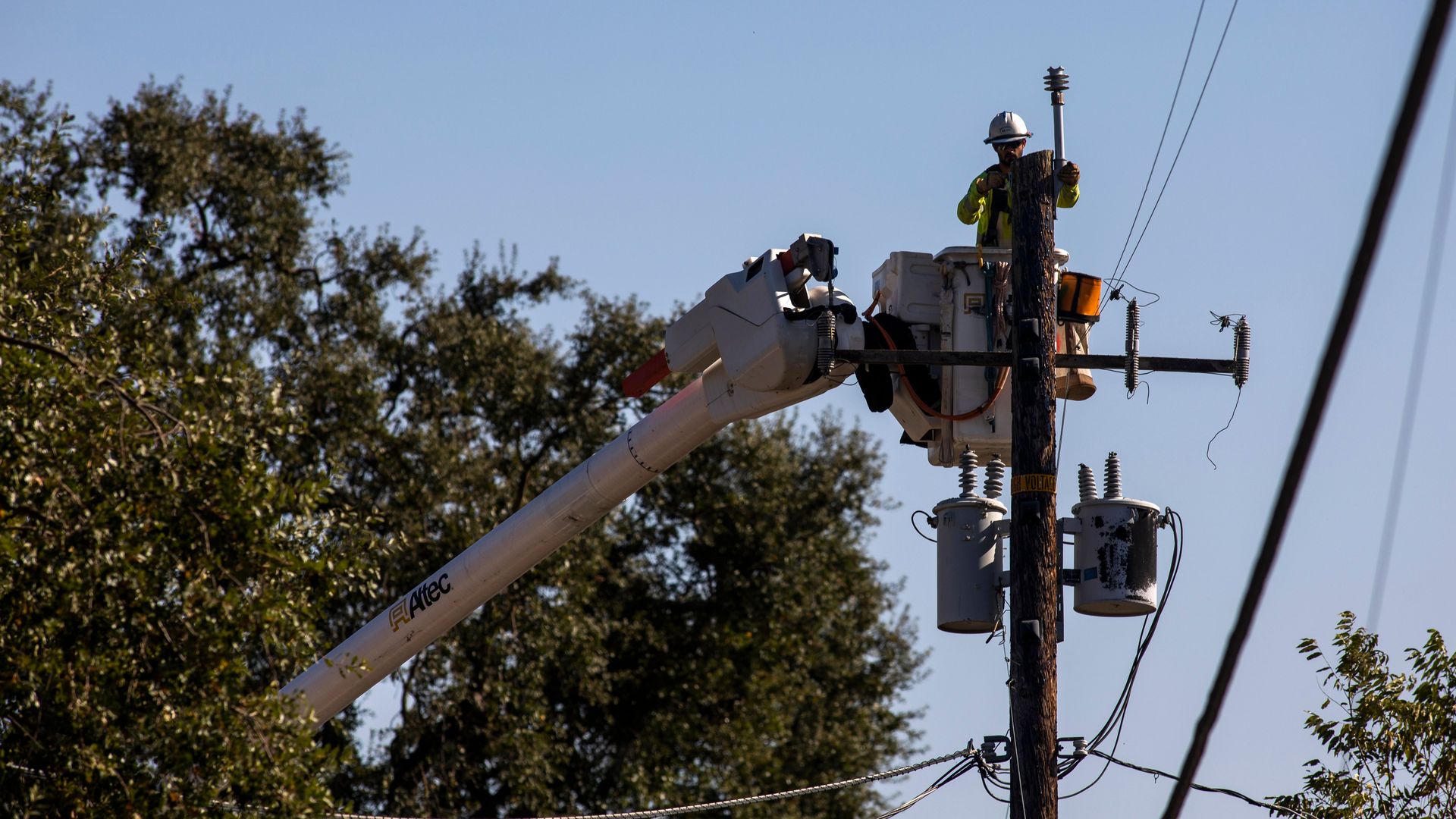
PG&E will start cutting power Wednesday to about 150,000 customers in 18 California counties in the latest wave of preemptive blackouts to curb wildfire risks.
Why you'll hear about this again: The embattled utility will probably need to keep doing this for a long time. But the blackouts are just one force speeding the rise of what Shayle Kann of the VC firm Energy Impact Partners calls "resilience culture."
New York Gov. Andrew Cuomo and a major utility are locked in a standoff over natural gas that’s been years in the making and has national implications.
Why it matters: The battle, which is leaving thousands of New Yorkers without access to the fuel, is the starkest repercussion yet of fights brewing for years across the country over oil and gas pipelines and their role in fueling climate change.
The attorney for Andrew Favorov, an executive at a Ukrainian state-owned gas company, said Tuesday that his client will voluntarily meet with federal prosecutors as part of their probe into Rudy Giuliani's finances, AP reports.
The big picture: Prosecutors in the Southern District of New York are looking into whether Giuliani personally profited from a Ukrainian natural gas business backed by his foreign-born associates, Lev Parnas and Igor Fruman, who are alleged to have helped his push for investigations into former Vice President Joe Biden. Favorov's lawyer did not specify when or where the meeting will take place.
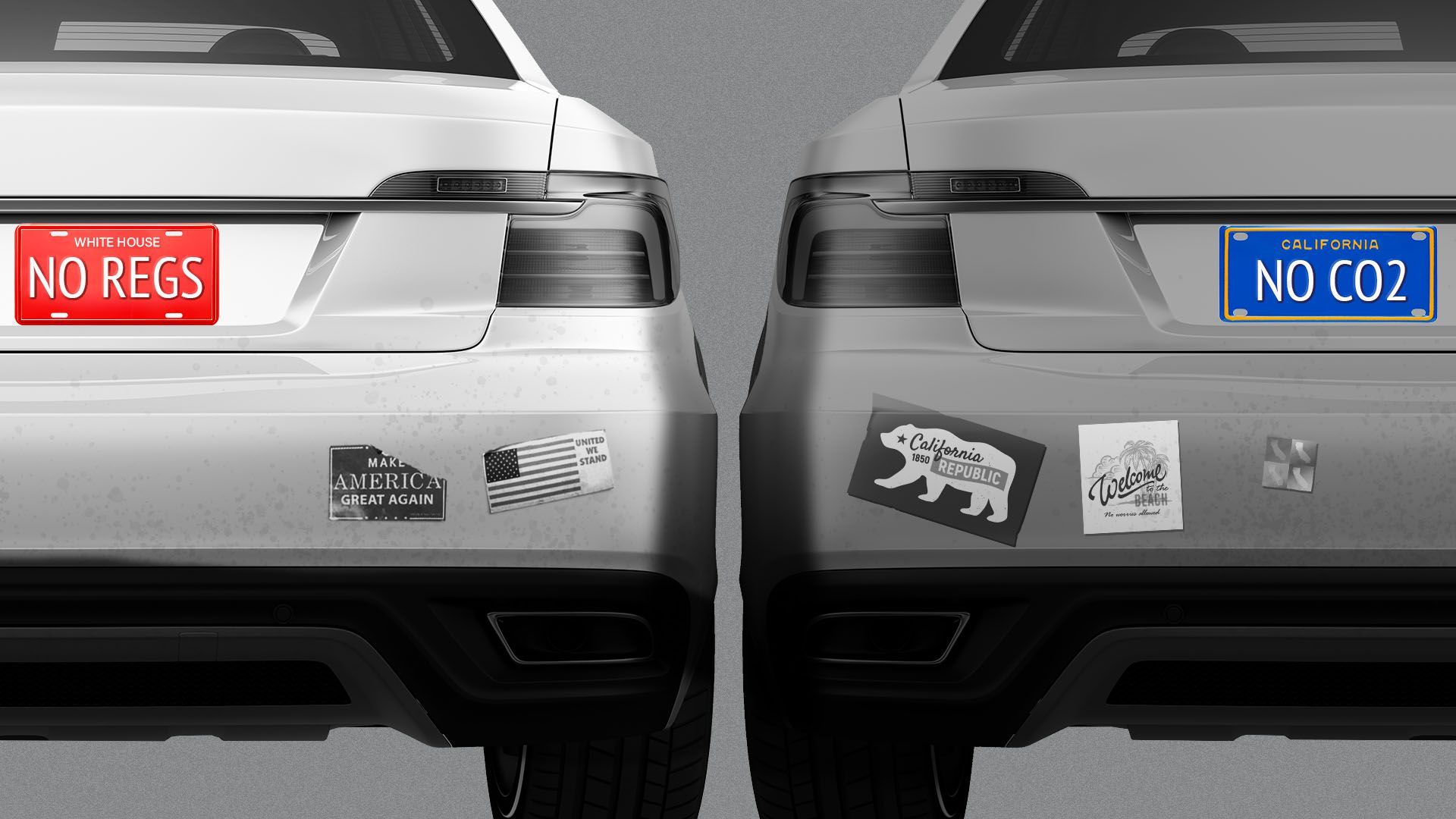
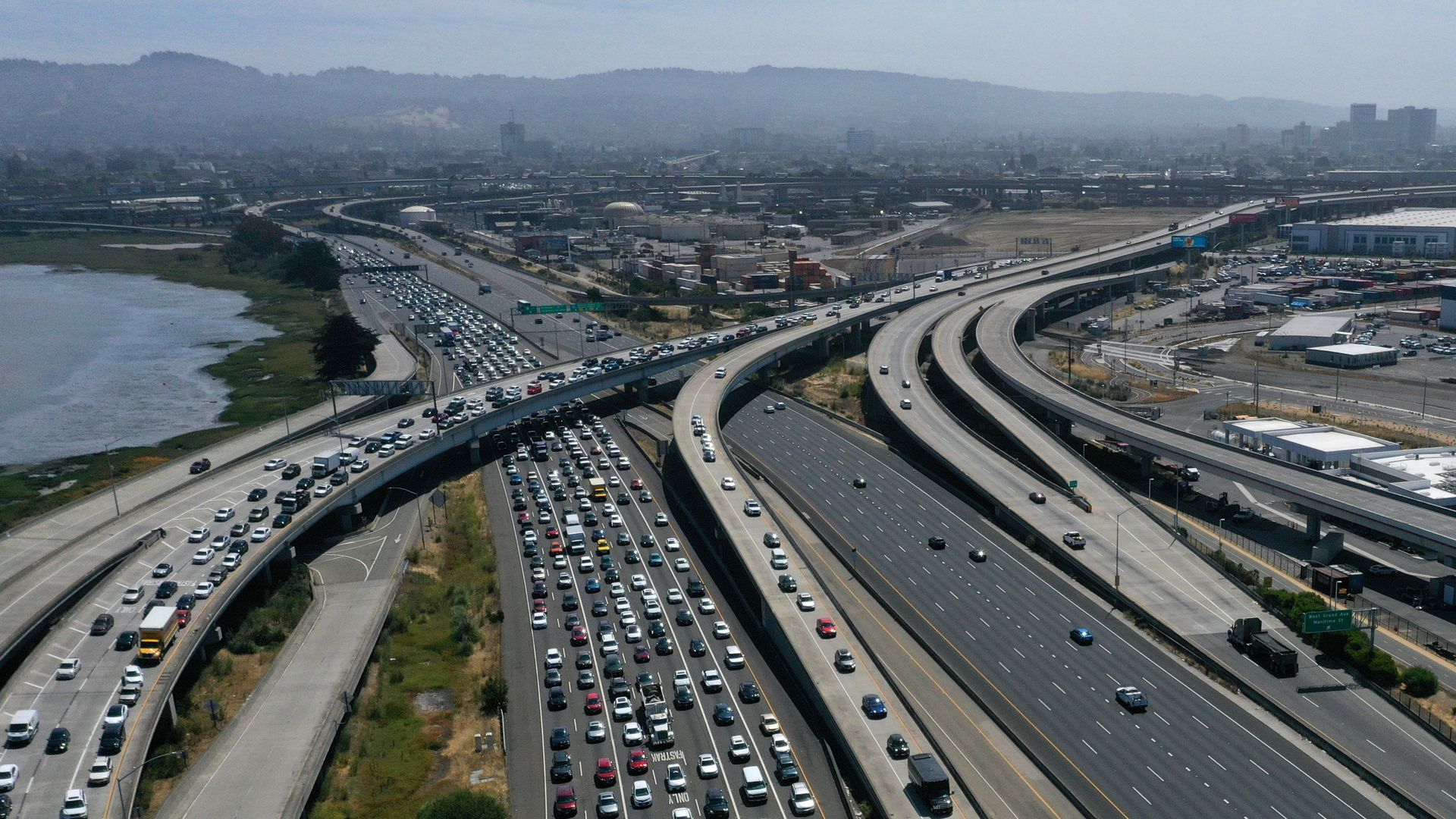
The high-stakes fight over vehicle emissions and mileage rules is getting more intense and drawing in new combatants.
Driving the news, part 1:California Gov. Gavin Newsom said the state government would only buy cars for their fleets from automakers that reached a deal with the state on increasing emissions standards.
A newly public federal report finds that 945 Superfund sites — around 60% of the nation's total — could be affected by sea-level rise, wildfires and other climate change-related harms.
Why it matters: The Government Accountability Office report warns of more frequent or intense events that damage the waste sites and "lead to releases of contaminants that could pose risks to human health and the environment."
U.S. carbon emissions from energy rose by 2.7% last year, ending several years of declines, federal Energy Information Administration data confirms.
Why it matters: While emissions have been in a generally downward trend for well over a decade, the report late last week shows how the U.S. is off track to meet its pledges under the Paris climate deal.
California confirmed Monday that it won't buy new government vehicles from automakers who backed President Trump in his carbon emissions war with the state, the New York Times reports. GM, Fiat Chrysler and Toyota are among those set to be affected by the move.
Driving the news: The three big automakers and others announced in October that they were joining the Trump administration's side in litigation over its move to stop California from imposing emissions rules and, by proxy, mileage requirements that are tougher than federal standards, per Axios' Ben Geman.