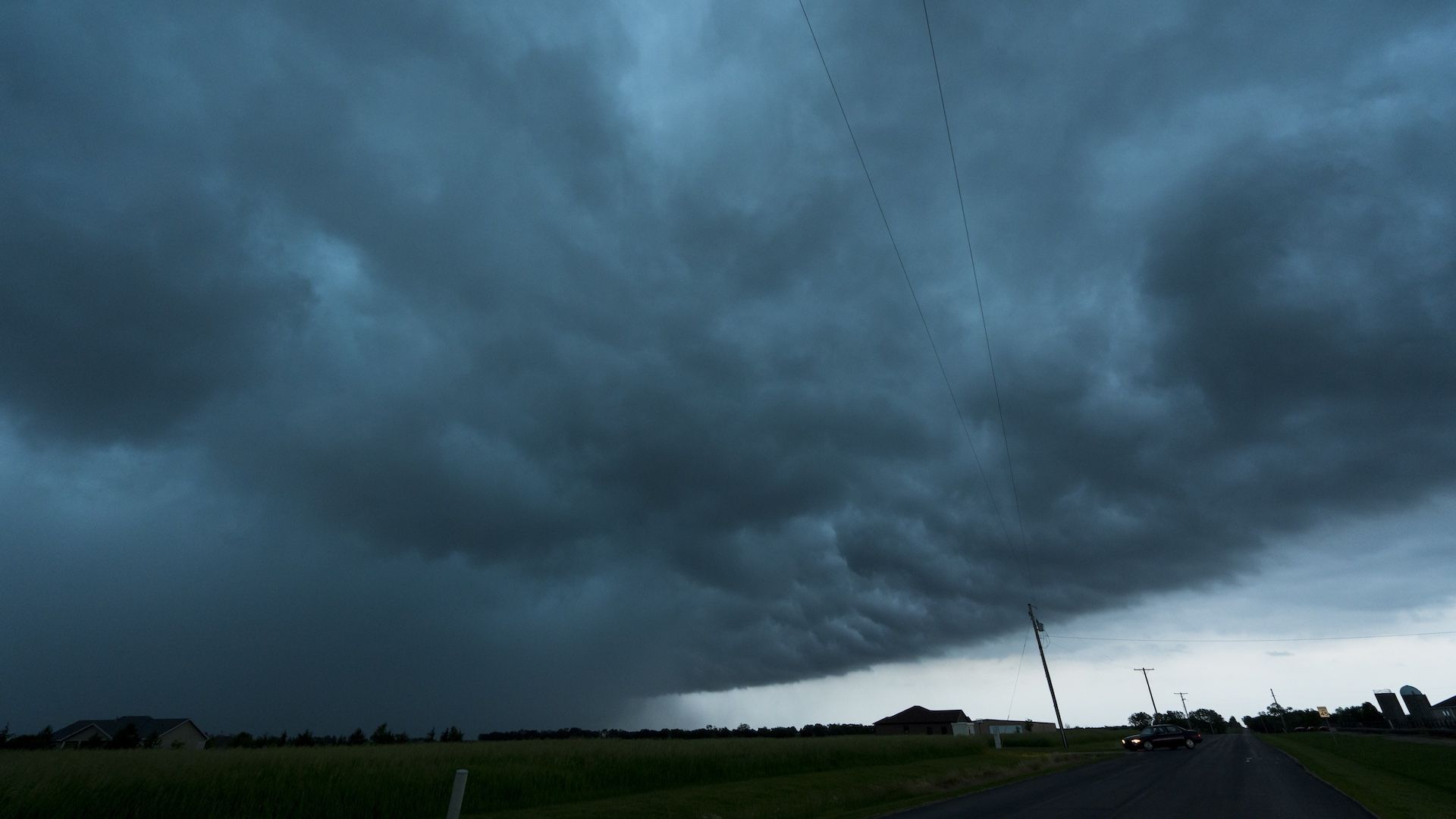
The U.S. has been hammered by an onslaught of severe weather, as a persistent weather pattern set up a clash of seasons across the central U.S.
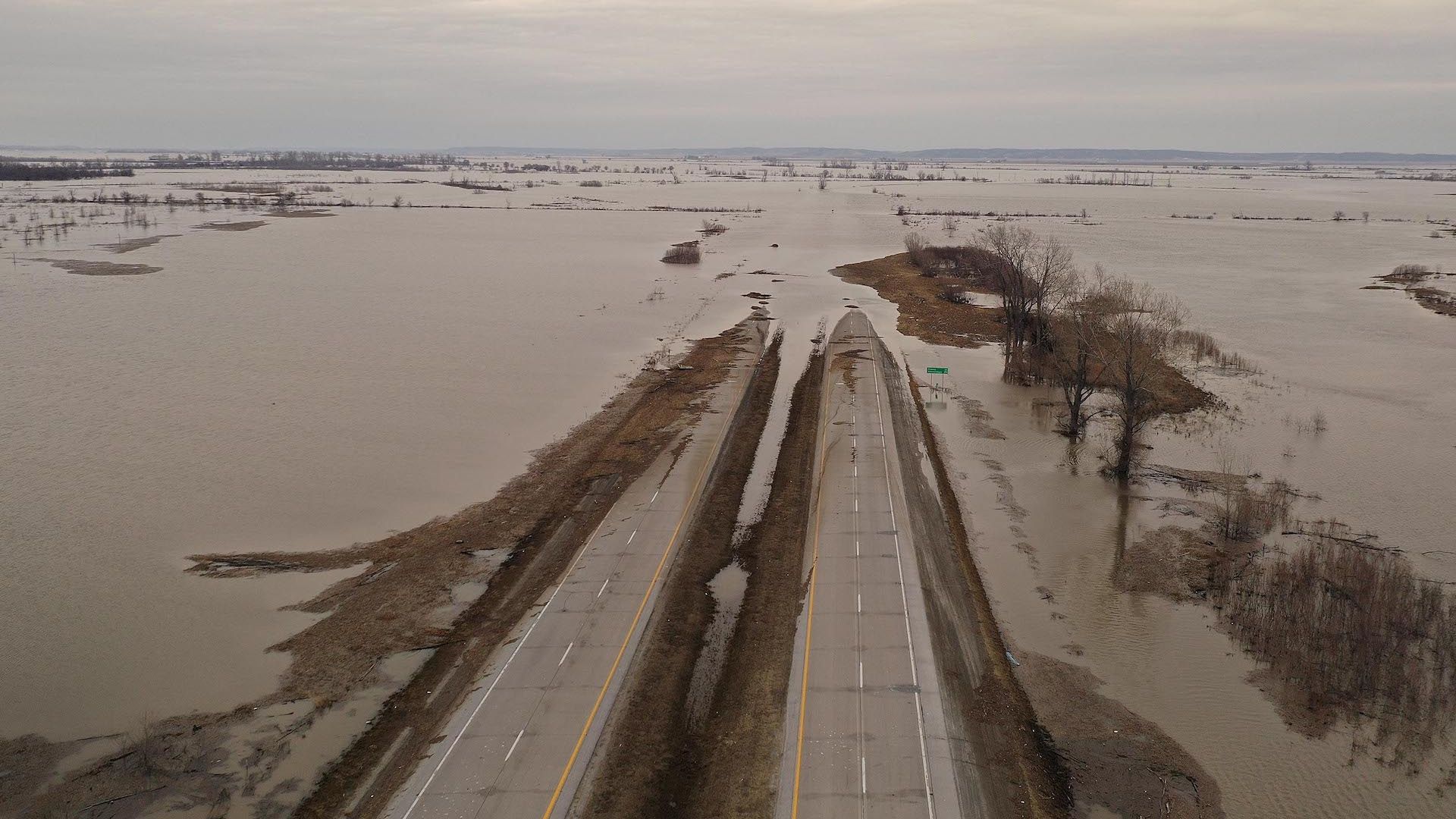
The state of play:Epic flooding has also been affecting the Upper Midwest, Plains, central U.S. and Mississippi River Valley this spring, with many locations seeing their highest water levels on record.
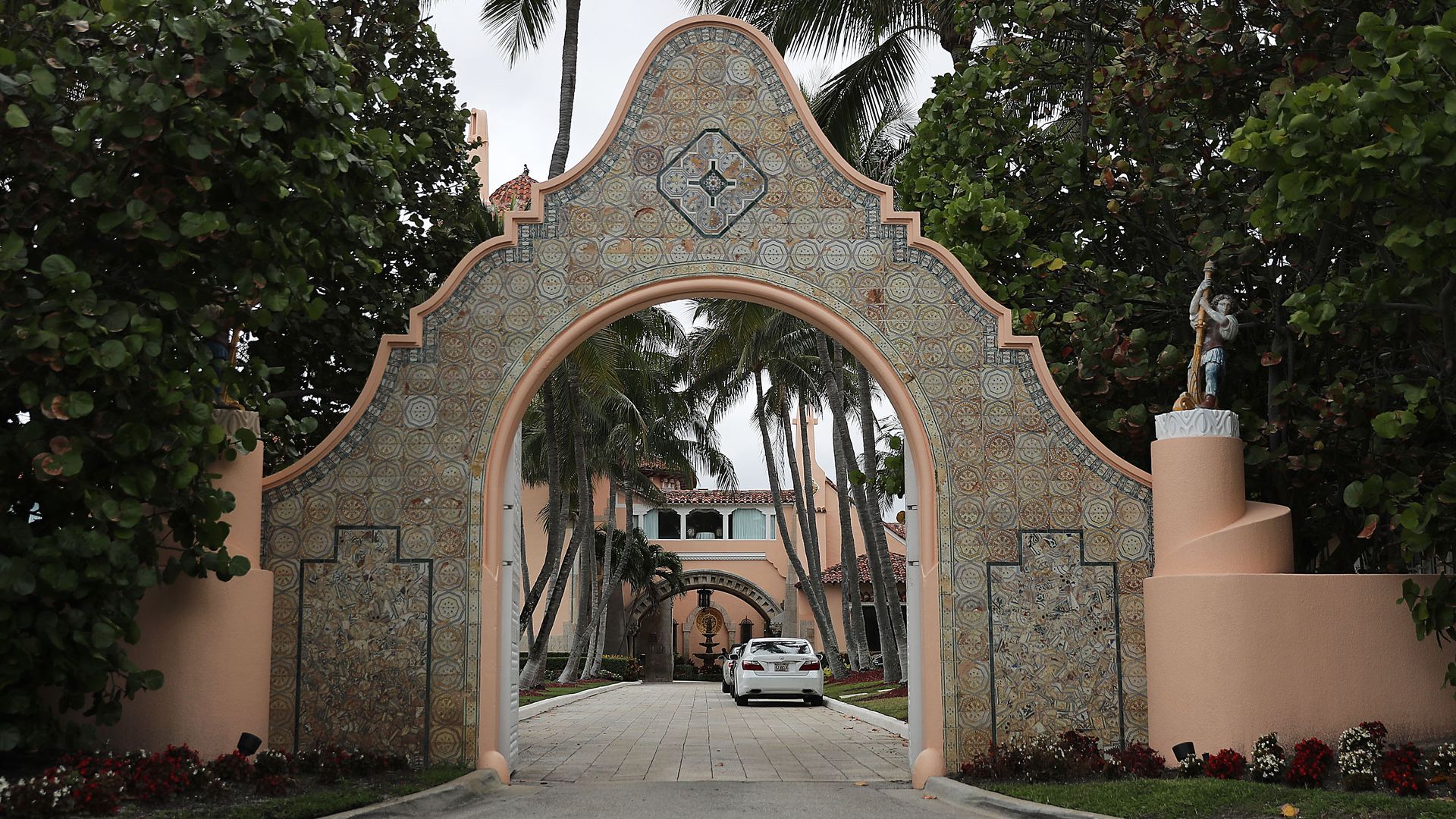
Federal prosecutors sent subpoenas to President Trump's South Florida Mar-a-Lago club and the political fundraising committee Trump Victory as part of the FBI's campaign finance investigation into Li "Cindy" Yang, the Miami Herald reports.
Details: They're meant to obtain records on Yang, a Trump donor and founder of a Florida massage parlor chain caught in a human trafficking investigation, and several of her associates and companies.
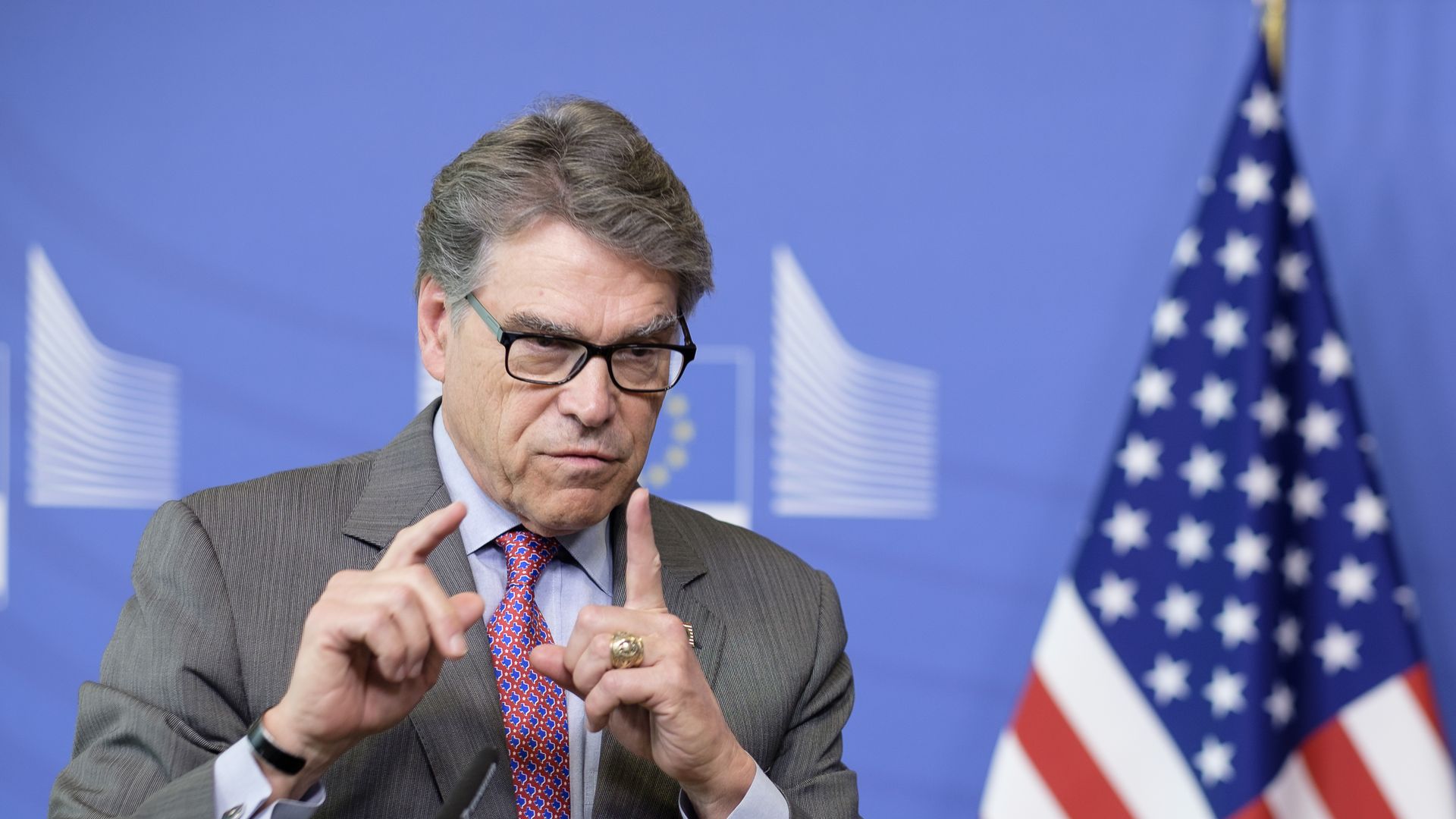
The Department of Energy uncorked a memorable phrase yesterday when it approved expanded shipments from the Freeport LNG site in Texas. Here's Under Secretary of Energy Mark W. Menezes yesterday in DOE's greatest press release ever:
"Increasing export capacity from the Freeport LNG project is critical to spreading freedom gas throughout the world by giving America’s allies a diverse and affordable source of clean energy."
A massive EF-4 tornado touched down south of Lawrence, Kansas about 6:15 pm local time and carved a 32-mile path of destruction toward Kansas City, causing heavy damage and prompting the National Weather Service to declare a "tornado emergency" for several counties in the Kansas City metro area.
Details: The NWS reported debris from the tornado fell from the sky ahead of the storm along I-70 to the north and northeast of Edwardsville. LMH Health said 12 people were being treated in hospital in Douglas County for injuries after the tornado hit, with 1 person in surgery Tuesday night. The tornado caused Kansas City International Airport to temporarily suspend flights and send workers and travelers into shelter.
General Motors and Bechtel, the country's largest construction company, are forming a new venture that will build thousands of electric vehicle charging stations around the country.
Why it matters: EVs account for just 1% of vehicle sales in the U.S., partly because consumers are concerned about whether there will be enough places to charge them.
A new report has good news and bad news for anyone hoping that the U.S. can steeply cut greenhouse gas emissions in the coming decades.
Driving the news: The nonprofit Center for Climate and Energy Solutions has released a set of 3 pathways for how the U.S. could cut economy-wide emissions by 80% (relative to 2005 levels) by mid-century.
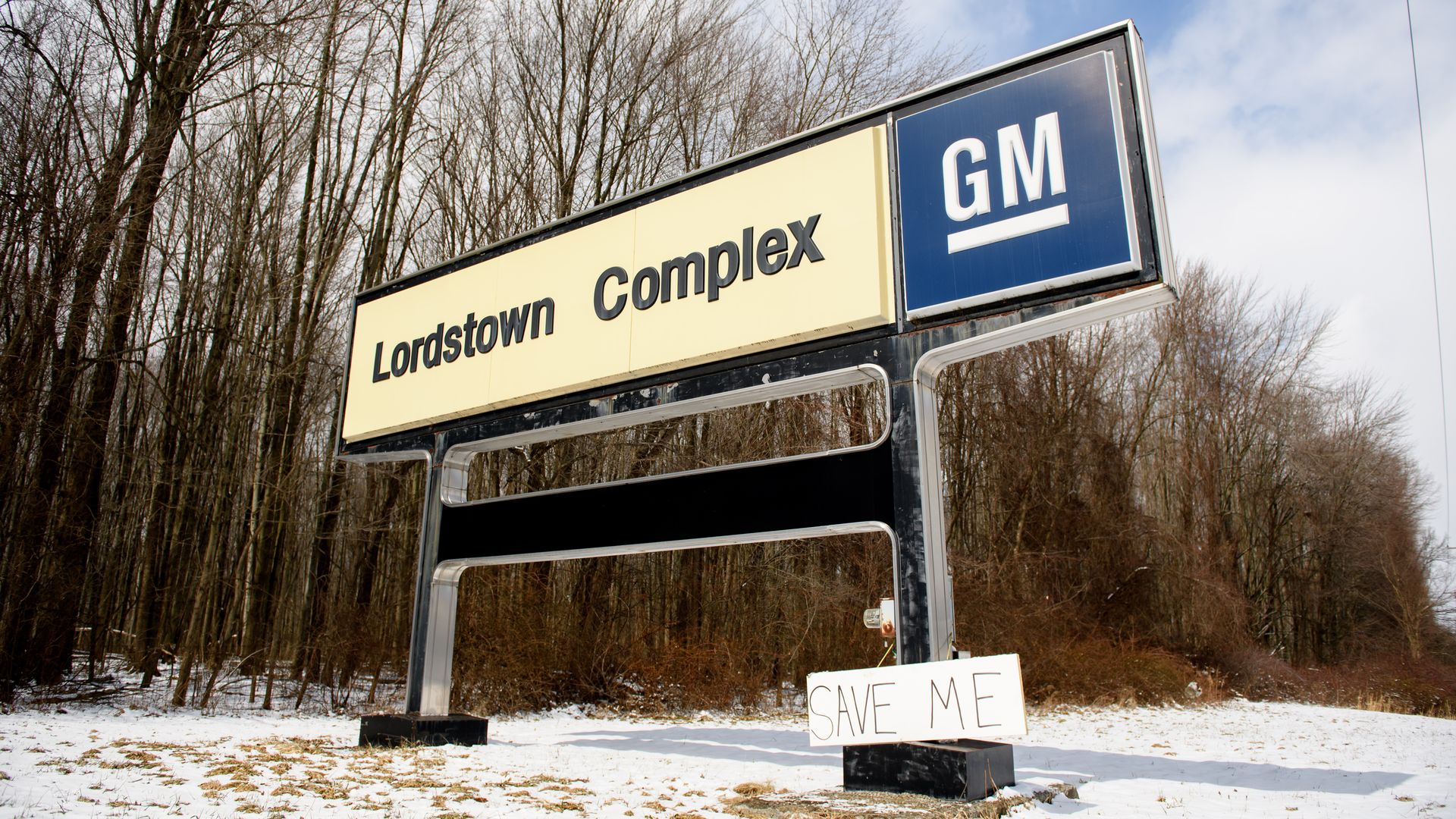
A plan from Workhorse, a little-known electric vehicle company, to launch production at the shuttered GM plant in Lordstown, Ohio is hardly a sure thing, the New York Times reports.
Why it matters: The plan, announced in early May with few details, is bound up in the politics of GM's controversial restructuring and layoffs. President Trump raised the deal's profile by tweeting about it, getting ahead of GM's disclosure of plans to sell the plant to an entity that includes Workhorse as a minority owner.
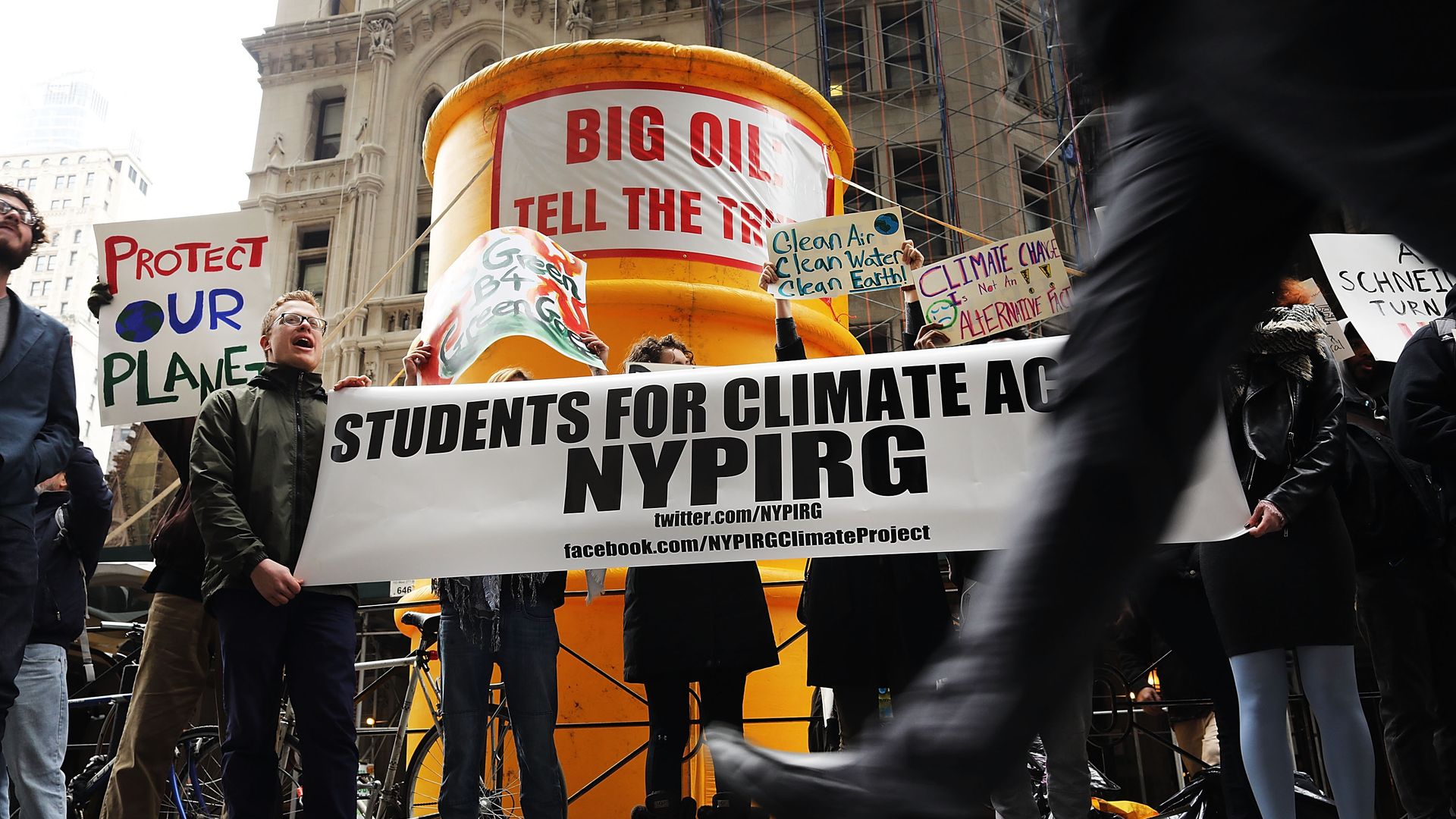
ExxonMobil and Chevron, the biggest U.S.-based global oil giants, will face pressure to do more on climate change at their annual shareholders meetings today.
Why it matters: Investors have been pushing for climate-related commitments on the industry overall, but Exxon and Chevron have been less willing than European counterparts like Shell and BP.
A tense situation is unfolding in Tulsa, Oklahoma, where officials are hoping that 70-year-old levees will withstand an unprecedented, prolonged test to keep back the swollen Arkansas River, which has risen to an all-time record high after weeks of heavy rain.
Why it matters: The flooding that has gripped the nation's heartland will eventually affect the price of food, as farmers cope with fields that have turned into lakes at a time of year when staple crops such as corn and wheat should be planted already. In addition, the damage from the floods, which started in the Upper Midwest earlier this year and now stretch all the way down the Mississippi River, likely exceeds $1 billion in individual states alone, with a far higher aggregate cost.