The Energy Information Administration unveiled its annual long-term forecasts Thursday and here's a hot take: The U.S. is going to keep pumping lots of oil and shale will remain the dominant force.
The big picture: Just how much production will depend on price, resource and technology variables, some of them reflected in the chart above (where "tight" oil is a proxy for shale). In the EIA's central or "Reference" scenario, "U.S. crude oil production continues to grow through 2030 and then plateaus at more than 14.0 million barrels per day (b/d) until 2040."

Three weeks into the new Congress, Republican leadership has still not announced the members that will serve on the House Intelligence Committee, hampering the ability of the Democratic majority to start handing out subpoenas and releasing witness testimony related to the Trump-Russia investigation, The Daily Beast reports.
The big picture: Republicans have released their rosters for each of the other House committees, but not to the powerful intelligence panel — which famously devolved into partisan chaos last year under the leadership of Rep. Devin Nunes (R-Calif.). Rep. Adam Schiff (D-Calif.), the new Democratic chair of the committee, has pledged to reopen the Russia probe in light of the indictments of several Trump associates and said Friday that his first order of business would be to hand over all witness transcripts to the Mueller investigation.
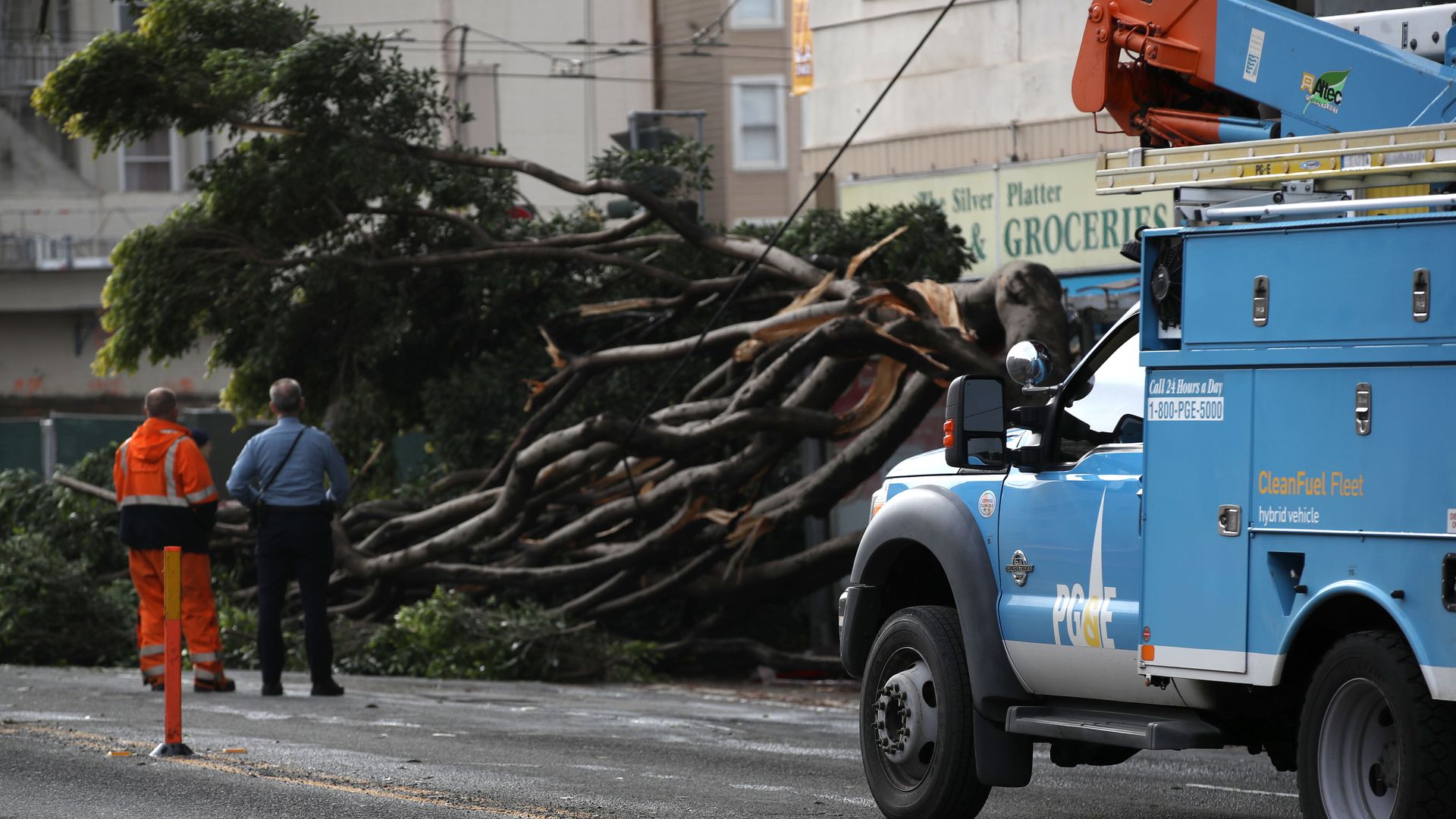
PG&E still plans to move forward with its Chapter 11 bankruptcy protection filing, a source close to the company tells Axios.
Driving the news: California investigators ruled Thursday that PG&E was not responsible for the 2017 Tubbs fire near Santa Rosa that destroyed thousands of acres and killed more than 20 people.
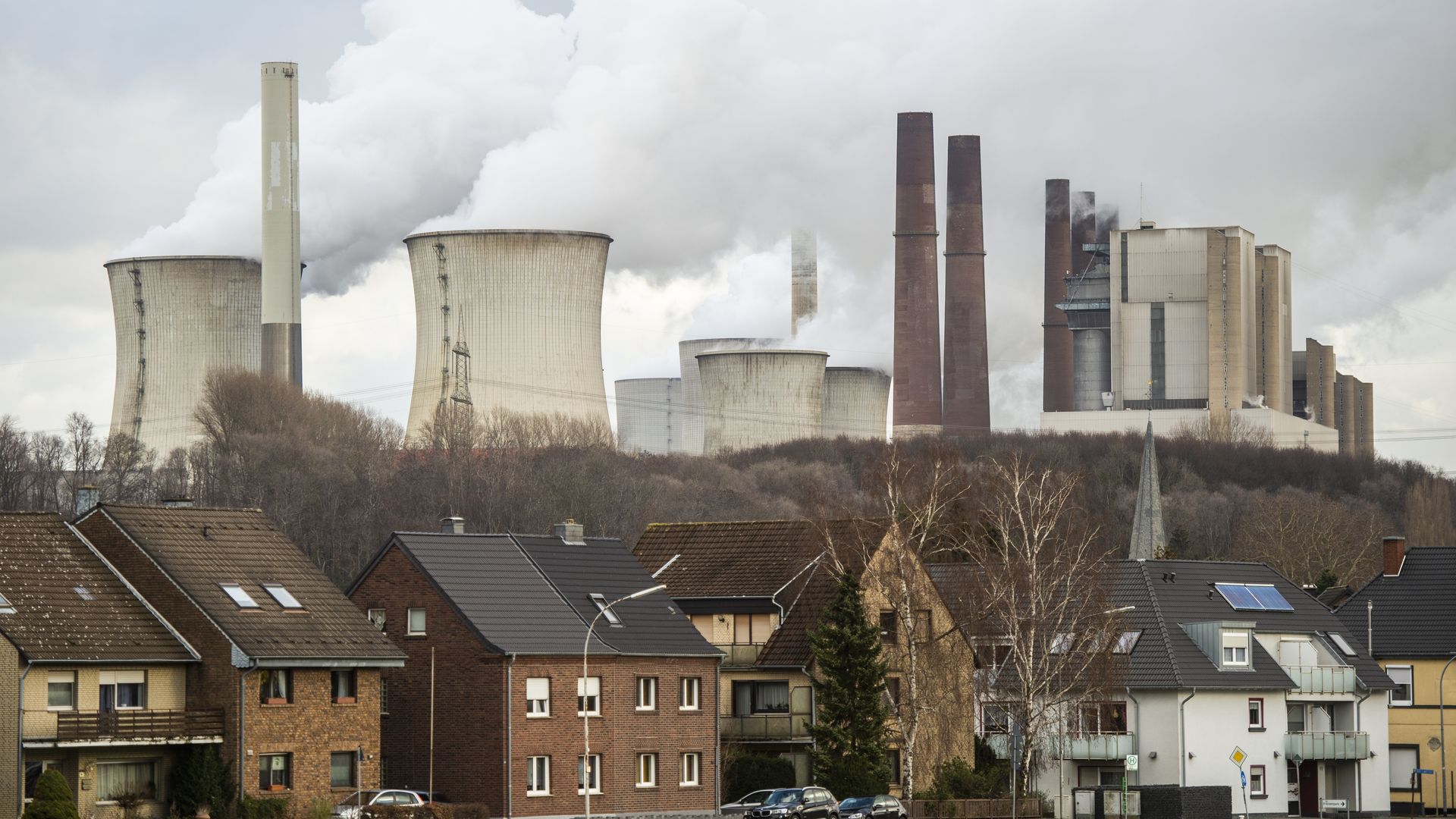
A German government-appointed commission laid out a roadmap Saturday for the country to close all of its coal-fired power plants by 2038, allocating $45.7 billion aid to regions dependent on fossil fuels, Reuters reports.
Why it matters: Germany and some other coal-dependent countries in Europe in particular have long said they would get off coal, but didn’t take actual action to do so. This proposal, which must now be translated into policy by Germany's national and state governments, indicates a tangible shift toward action and could put pressure on other European nations.
Australia is in the grips of what has become a historic, unrelenting series of extreme heat events that have broken all-time temperature records.
The big picture: The heat waves, which have touched every state and territory in the country, began in November and have extended through January. With temperatures exceeding 120°F (48.8°C) in some locations, this summer may go down in history as Australia's hottest on record. In addition, January is likely to be the nation's hottest month on record.
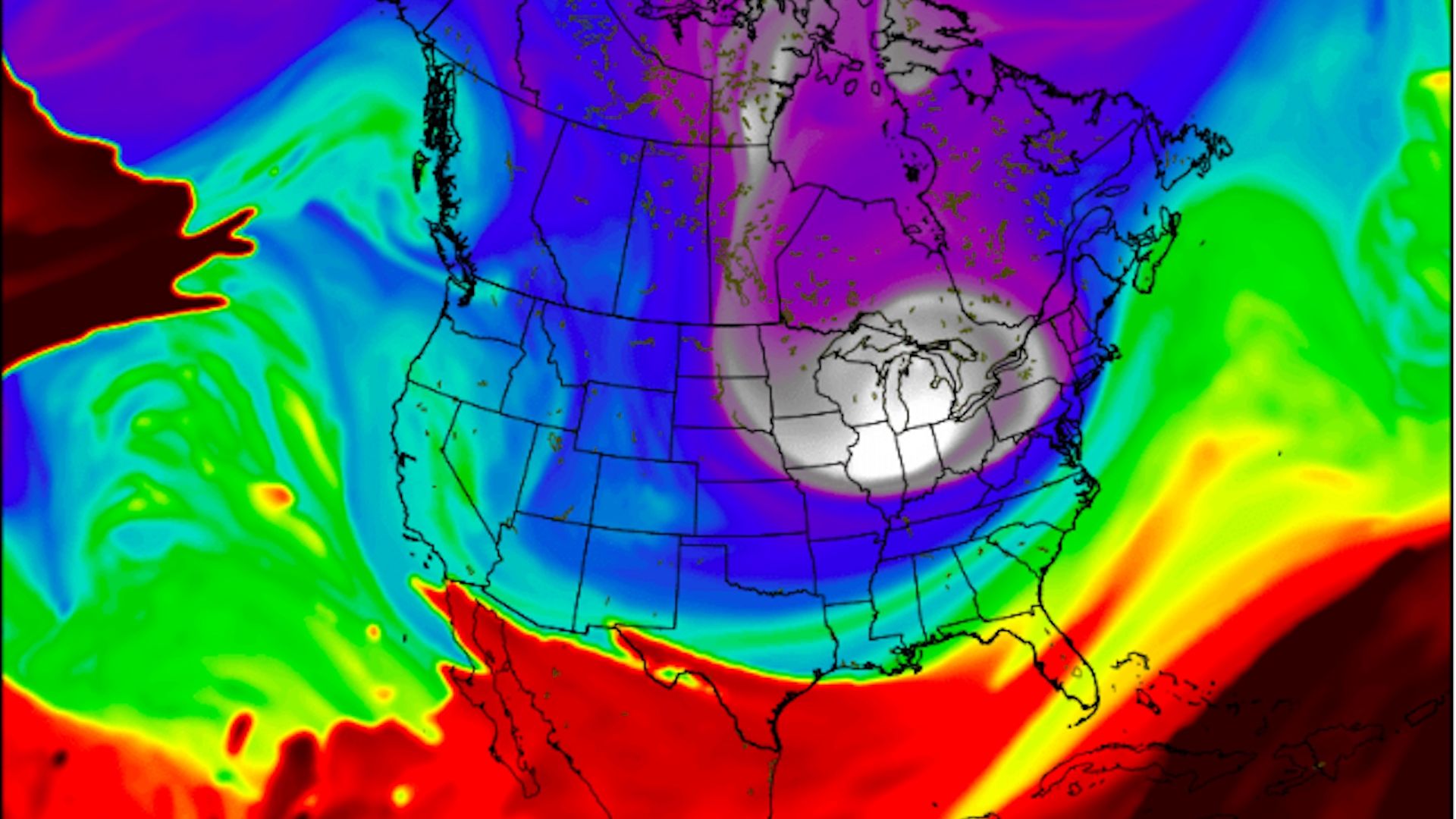
The coldest air of the season will roar into the Midwest and Ohio Valley next week as a lobe of the polar vortex comes south from the Arctic Ocean. The cold will eventually reach the Mid-Atlantic and Northeast.
Why it matters: The extreme cold outbreak may set daily temperature records, including records for the coldest high temperature on a particular date. It's also possible that an all-time cold record or two will be tied or broken. Temperatures hovering in the single digits or lower on Wednesday and Thursday in cities such as Minneapolis, Chicago, , Milwaukee and St. Louis, combined with the wind chill, will make it downright dangerous to be outside at times.