Shares of Pacific Gas and Electric, the parent company of utility PG&E which services Northern California, have lost half their value amid concerns that the company could be held liable for the state's deadliest wildfire on record.
What's going on: PG&E, whose power lines have been linked to 16 of last year's devastating fires, said in a regulatory filing on Tuesday that its insurance would not fully cover the cost of damages, and there would be a "material impact" on the company's financial health if it were found responsible for the Camp Fire, which destroyed the town of Paradise in Butte County, about 90 miles north of Sacramento. That fire killed at least 48 people, with more than 200 still missing.
California Governor Jerry Brown (D) said on Wednesday that climate change was a major source of the wildfires that have ravaged California over the last week, while Interior Secretary Ryan Zinke, who is visiting the state, said it's not the time to "point fingers," admitting that rising temperatures was one of several contributing factors, the Associated Press reports.
Why it matters: President Trump has repeatedly pointed to "poor" forest management from the state of California as a cause of the fires, and has threatened to pull federal funding, despite scientific experts citing climate change as a major factor of the fires. Meanwhile, Zinke has previously expressed doubts about climate change and has questioned whether human emissions of greenhouse gases account for the bulk of global warming.
Last April, the Trump administration set the stage for a legal battle with California by nullifying the Obama administration's clean-car regulatory plan. Instead of requiring new vehicles to score an average of nearly 50 miles per gallon on lab tests by 2025, standards would flatline after 2020.
What's new: Formal public reaction to this plan was due on Oct. 26, and the comments show that none of the major stakeholders supports the administration's proposal. While the prospect of a compromise long looked slim, it now appears that the makings of a deal might be on the table.
The Consumer Price Index, a key measurement of inflation, rose 2.5% in October from a year earlier, more than the prior month's 2.3% year-over-year gain, the Labor Department said on Wednesday.
Between the lines: More expensive gas was largely responsible for the increase, the Labor Department said, but excluding energy and food costs inflationactually fell from the prior month on a year-over-year basis. Meanwhile, Wall Street Economist Joseph LaVorgna tweeted that he thinksinflation could fall next month due to the recent decline in oil prices, potentially giving the Federal Reserve a reason to rethink its interest rate hike path.
Environmental Protection Agency administrator Andrew Wheeler will announce today his plans to review — and likely make more stringent — air pollution standards for heavy-duty trucks.
Why it matters: This is the first time the EPA under President Trump is looking to significantly tighten — not loosen — air pollution regulations. Most of EPA's focus for the last nearly two years has been to roll back environmental rules issued by then-President Barack Obama.
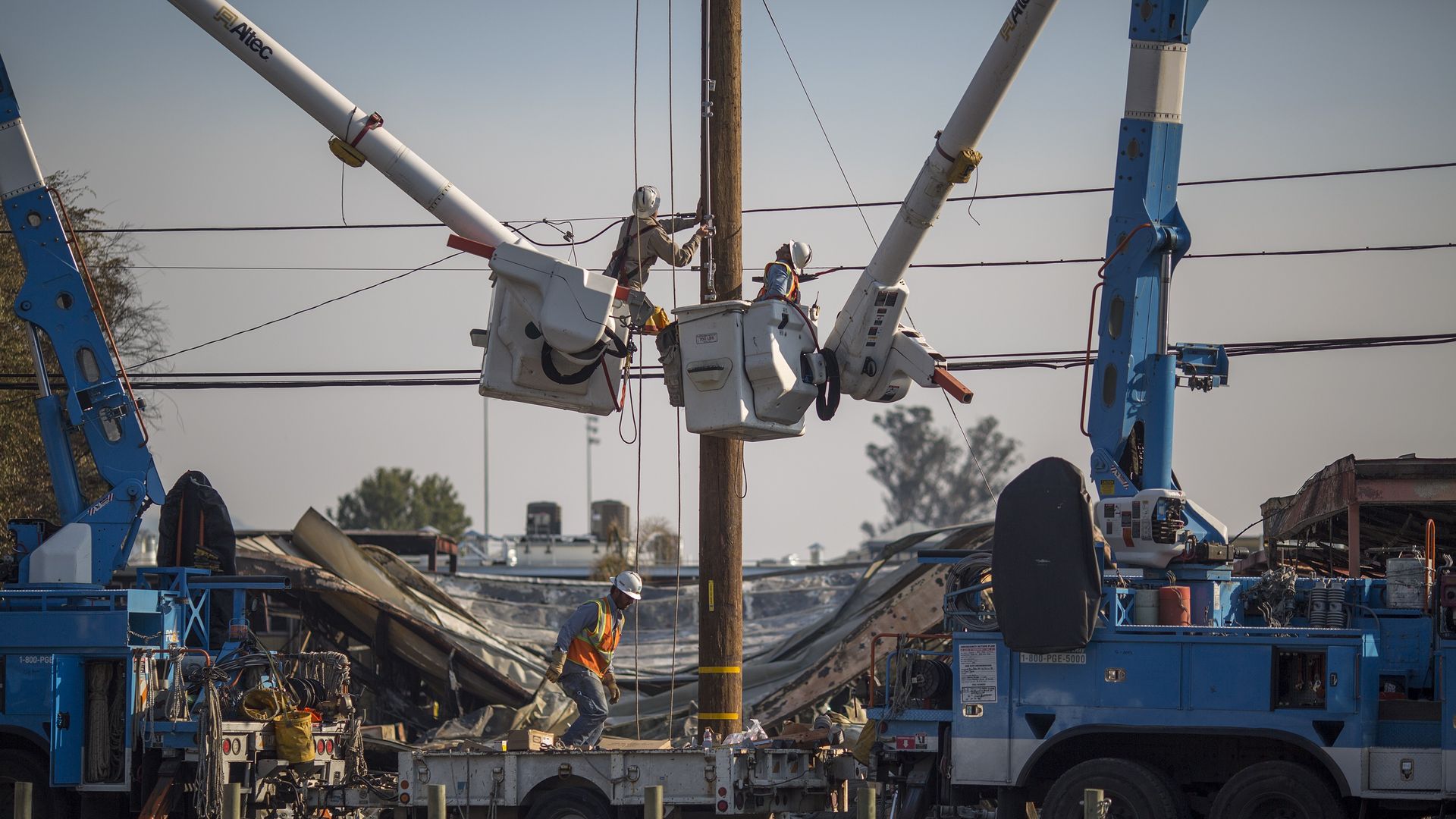
The intensity of thewildfires raging in California is just the latest example of climate change's deadly manifestations. Northern California utility Pacific Gas and Electric (PG&E) is under renewed scrutiny as a possible culprit in the Camp fire, which has devastated towns north of Sacramento, raising serious questions about the fitness of the utility's equipment and its compliance with state safety laws.
The big picture: PG&E is not alone in being unprepared for the harmful effects of a warming planet. Around the globe, many energy and fuel producers have been caught off guard this year by severe storms, anomalous temperatures and rapid changes to available water supplies.
Several automakers are joining with electric vehicle charging companies and others in a new coalition urging Congress to expand availability of $7,500 consumer tax credits for buying EVs.
Why it matters: Rollout of the EV Drive Coalition comes as Tesla, GM and Nissan — who are all members — have hit or are approaching the cap of 200,000 vehicles per manufacturer before the credit drops in value and then phases out.
The International Energy Agency's newly released World Energy Outlook finds that oil demand for passenger vehicles is slated to peak in the mid-2020s due to more efficiency, biofuels, and electric vehicles. That's according to their "new policies" scenario, which models not only existing policies but also countries' announced plans and emissions targets.
But, but, but: That projected mid-2020s peak doesn't mean that overall global demand for crude oil is reaching an inflection point anytime soon. That's because other uses — petrochemicals, heavy freight, shipping and planes — remain robust.
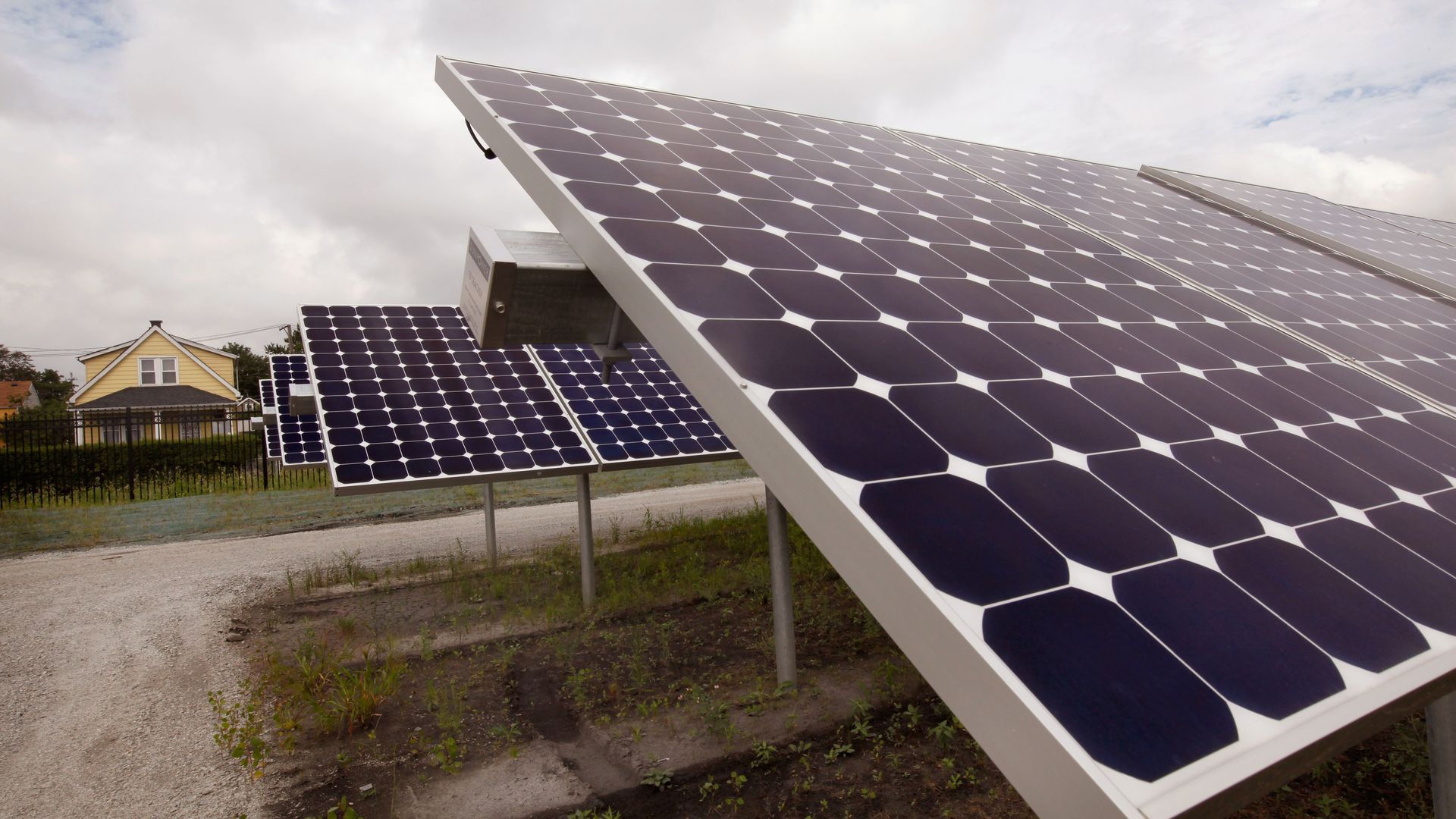
Development and deployment of solar farms continue to increase across the U.S., driven by tax incentives, falling costs and renewable energy mandates for electric utilities. Solar farms are built on farmlands that no longer generate enough revenue or have been abandoned, with some farmers entering into leases of 15–20 years with local utilities and others selling the land directly.
The big picture: Farmers who enter such leases benefit from greater revenue and stable income from rents, while utilities and solar companies benefit from access to cheap land. Although this seems like a win-win for all, some neighbors are getting upset at the change in landscape.
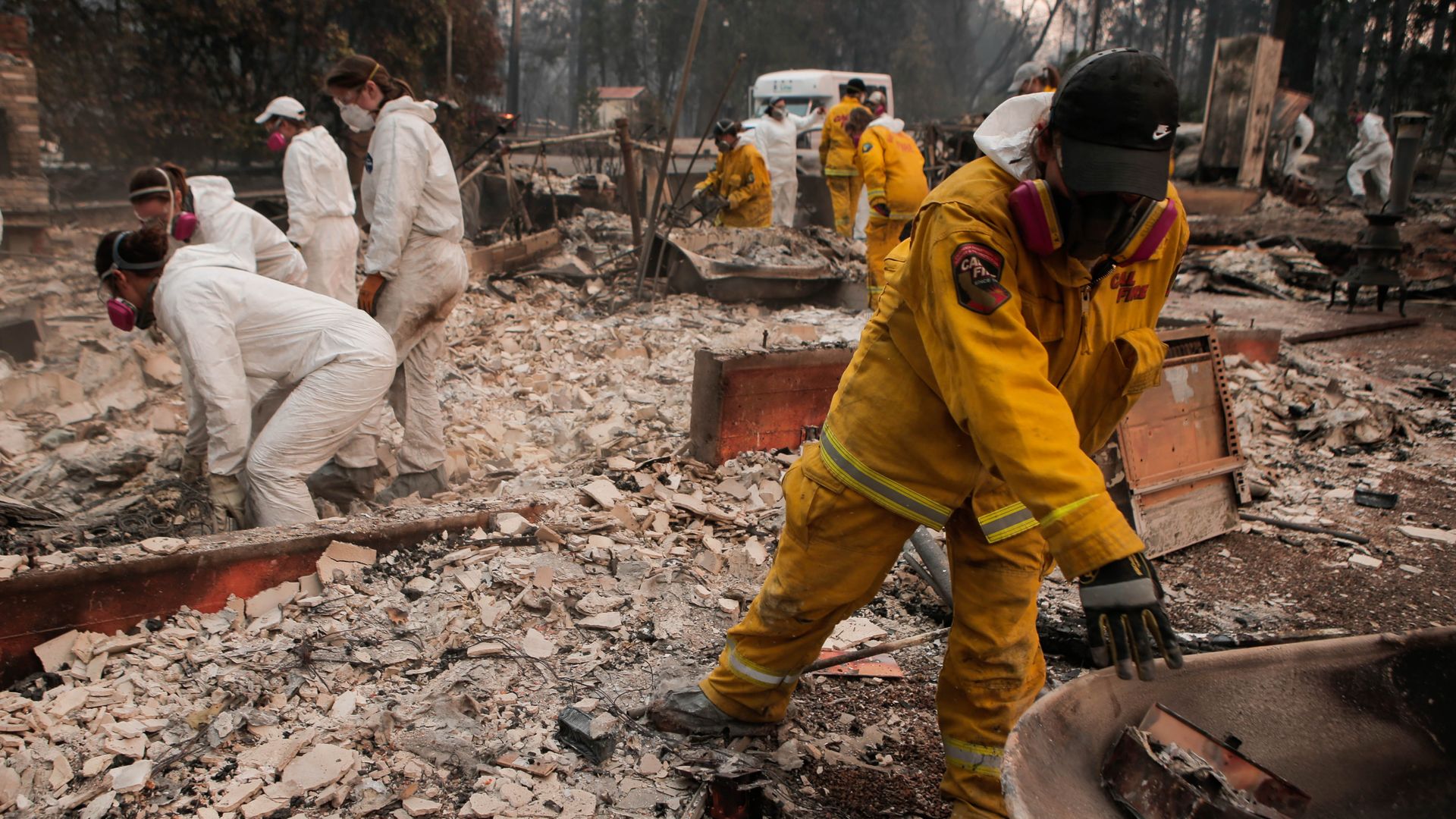
The Butte County Sheriff on Monday reported 13 more fatalities had been discovered on Monday from the Camp wildfire, which all but wiped out the town of Paradise, located about 90 miles north of Sacramento. This brings the death toll to 42, which eclipses the Griffith Park Fire of 1933 as the deadliest wildfire recorded in state history. It already holds the title of the most destructive wildfire on record.
Details: With more than 200 people still unaccounted for, the death toll may increase further. The wildfire has consumed over 6,400 homes. The latest death toll comes after President Trump said on Twitter that he had approved a request to declare the fires in California a major disaster. People affected would be eligible for federal government aid.
Projected growth of renewable power, electric vehicles and other low-carbon sources won't prevent levels of global warming that soar past the targets of the Paris climate agreement, the International Energy Agency said Monday.
Data: International Energy Agency, World Outlook 2018; Chart: Harry Stevens/Axios