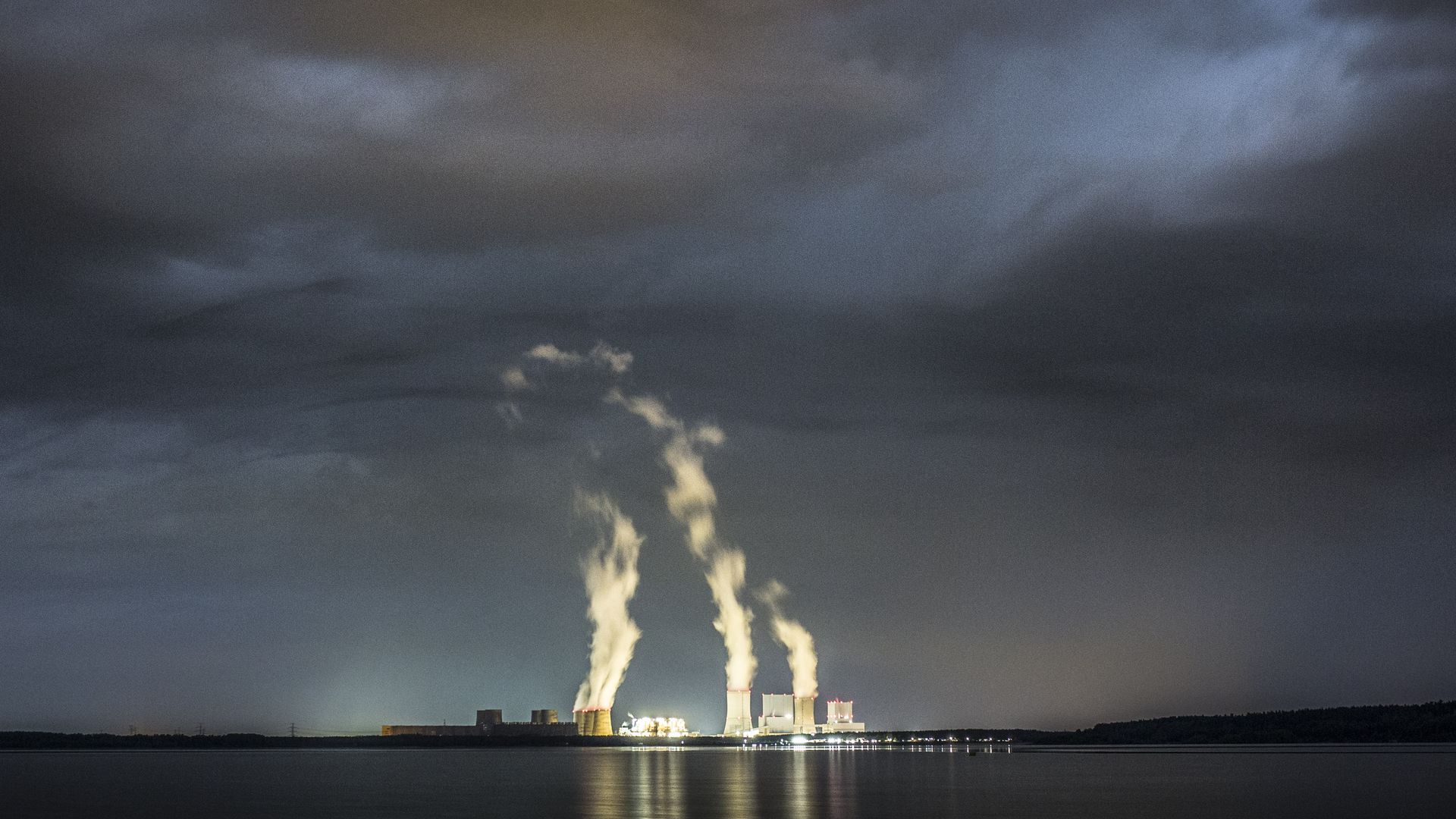
The Earth is warmer now than at any time since reliable record-keeping began in 1880, and we're continuing to warm at an accelerated rate. In fact, the Earth is warmer now than at any point in modern human civilization.
The context:2017 was the third-warmest year on record, and the seven warmest years have occurred since 2010. This chart shows temperature anomalies — which is a departure from an average long-term baseline temperature — for every month since January 1880, compared to the average temperature between the years 1901 and 2000. The data is constructed from thousands of available, quality-controlled land and sea surface temperature readings across the world, and runs through May 2018.
A bipartisan House caucus on climate change has added six new members, bringing its total to 84, nearly 20% of the House of Representatives.
The big picture: The caucus, whose stated mission acknowledges climate change and works to address it, has grown significantly under President Trump, whose administration mostly dismisses climate change as an issue. Of the 84 members, 70 have joined since Trump's election.
The nonprofit World Resources Institute has a new paper out today arguing that a carbon tax should include provisions that enable policy adjustments if it's not proving effective enough.
Why this matters: Carbon taxes have no political traction in Congress right now. But work by WRI highlights various efforts to inform or influence policymakers if — and that's a big if! — a window opens down the line.
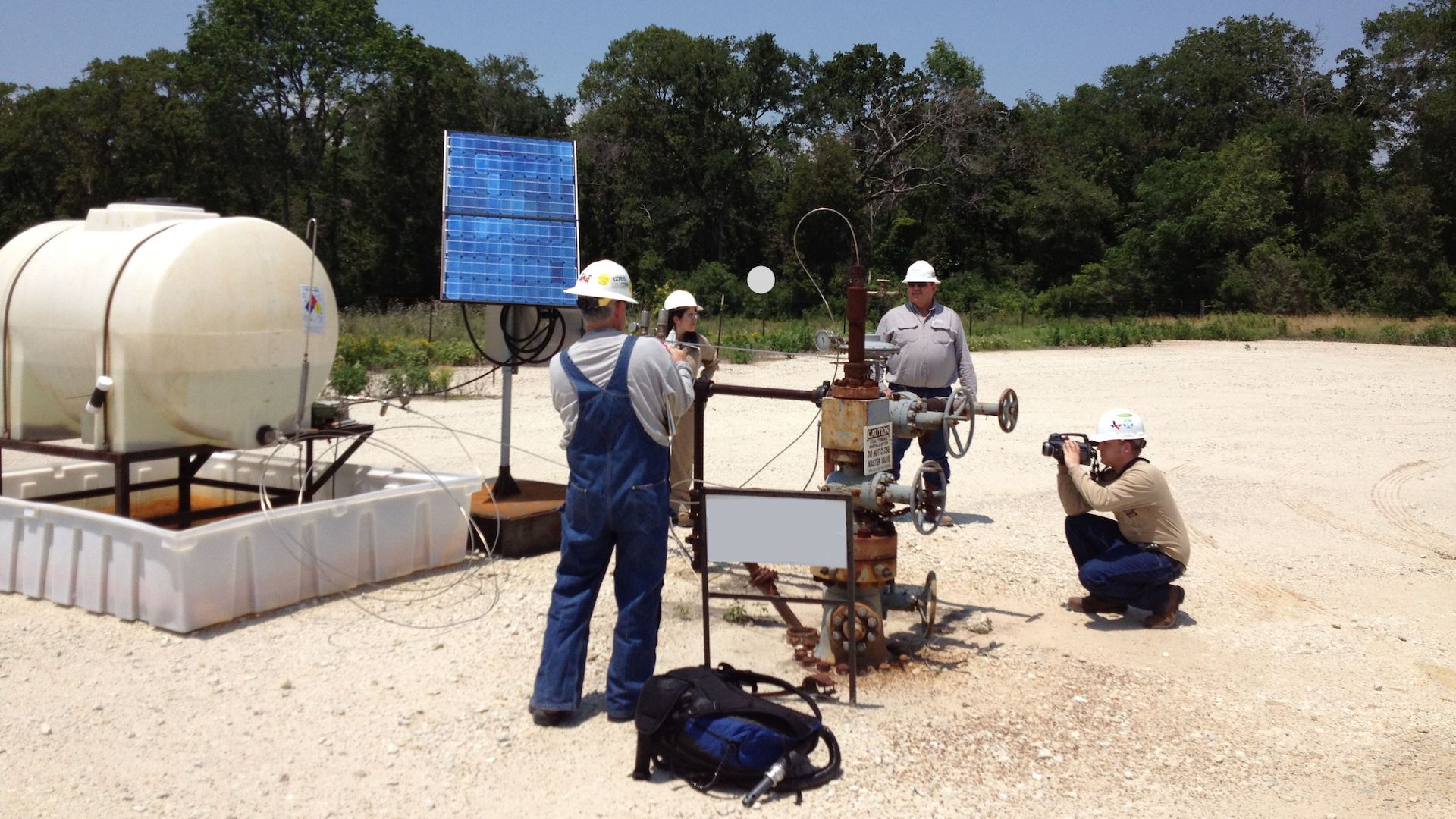
A new study out today in the journal Science finds that methane emissions from the U.S. oil and gas industry are nearly 60% more than current EPA estimates.
Why it matters: With natural gas now the dominant fuel for generating electricity in the U.S., determining its environmental footprint is crucial. Although burning natural gas for energy emits fewer long-lived greenhouse gases, it does release considerable amounts of methane — a potent, short-lived global warming agent.
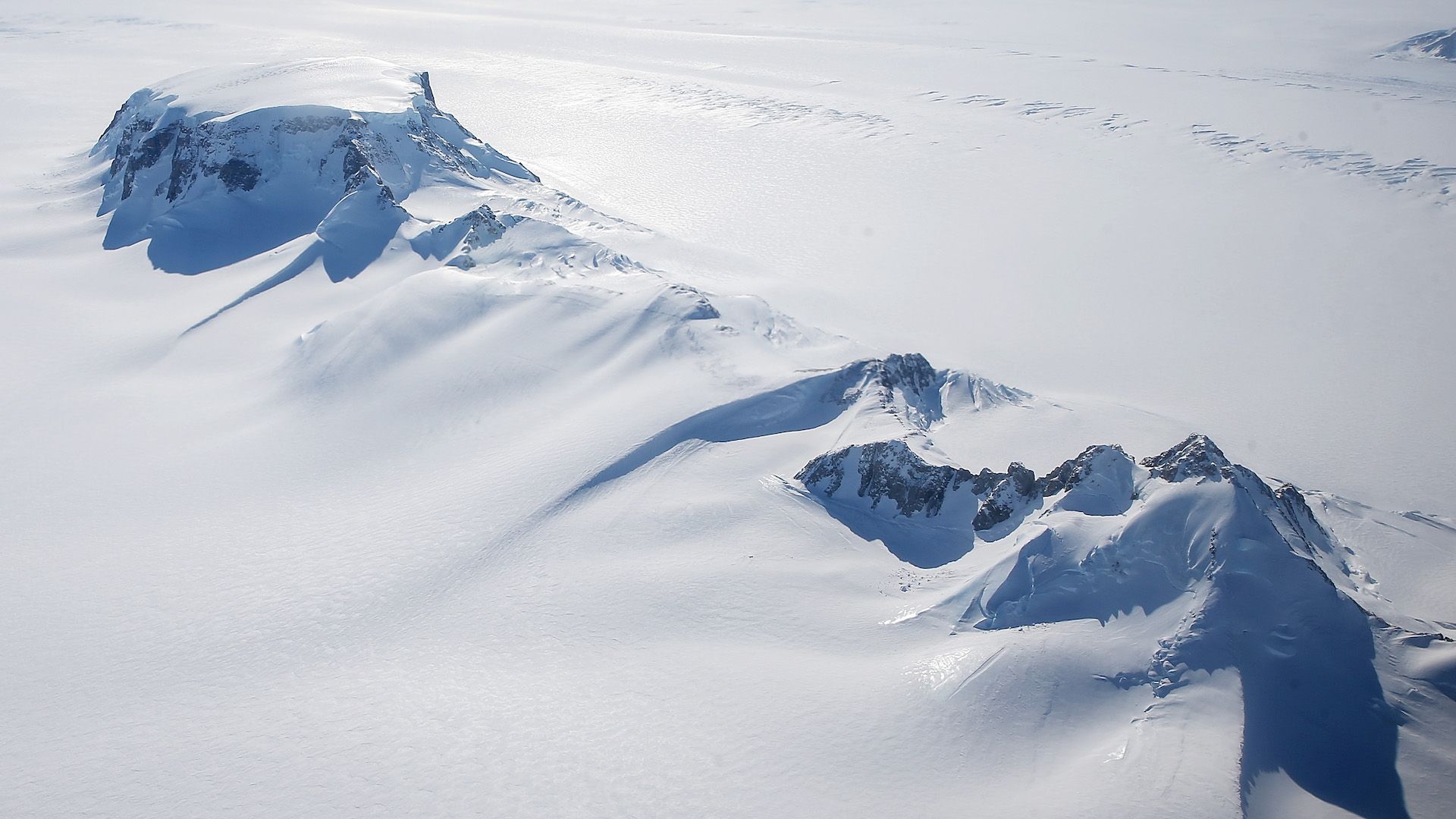
A new study finds that the ground underneath the West Antarctic Ice Sheet region is rebounding, or rising, at an extraordinarily rapid rate.
Why this matters: Previous research has shown that enough ice has already melted in this region to trigger a potentially irreversible melt of the West Antarctic Ice Sheet, which would sharply increase sea levels worldwide. Now, though, scientists may have identified a new brake on this runaway train.
E-scooter company Lime wants to expand its business into areas like ultra-compact electric cars, local merchant promotions and delivery, according to a confidential fundraising deck obtained by Axios.
Background: Axios previously reported that GV, a venture capital affiliate of Google parent company Alphabet, is leading a $250 million equity round into Lime at around a $1 billion post-money valuation.