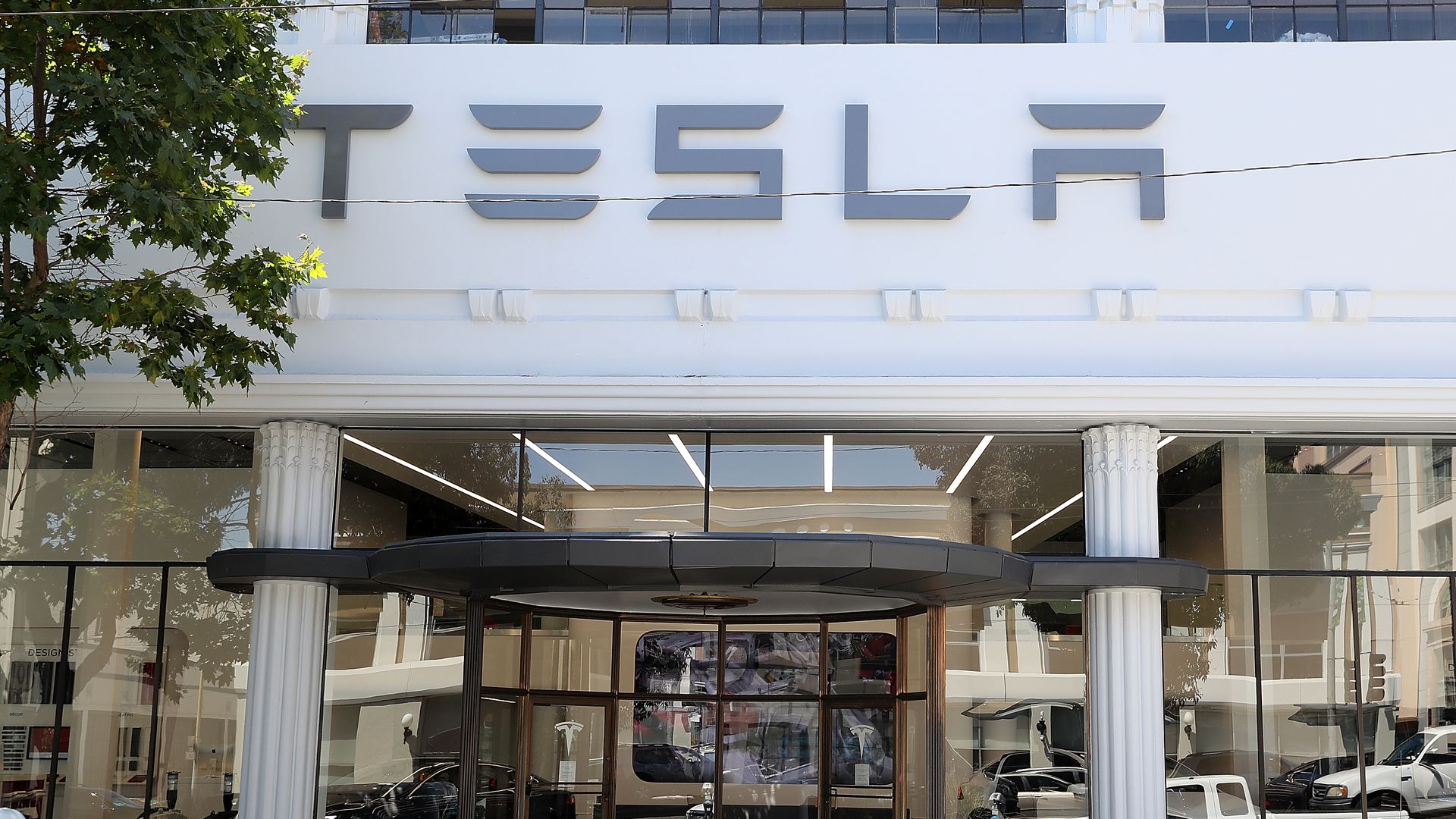
Tesla's former safety director, Carlos Ramirez, claims in a lawsuit that the California-based electric car maker fired him for internally raising concerns about the company's failure to report workplace injuries, Gizmodo's Jalopnik reports. Tesla reportedly responded to the suit, stating that Ramirez was fired after receiving an "onslaught of complaints" about his behavior.
Why it matters, per Axios' Future editor Steve LeVine: Tesla CEO Elon Musk has an optics problem. This latest round of hysterics began with a news report about outsize workplace injuries at Tesla's Fremont plant. Musk claimed he was under attack by fake news. Now we have a former executive claiming he was fired for reporting the same thing internally.
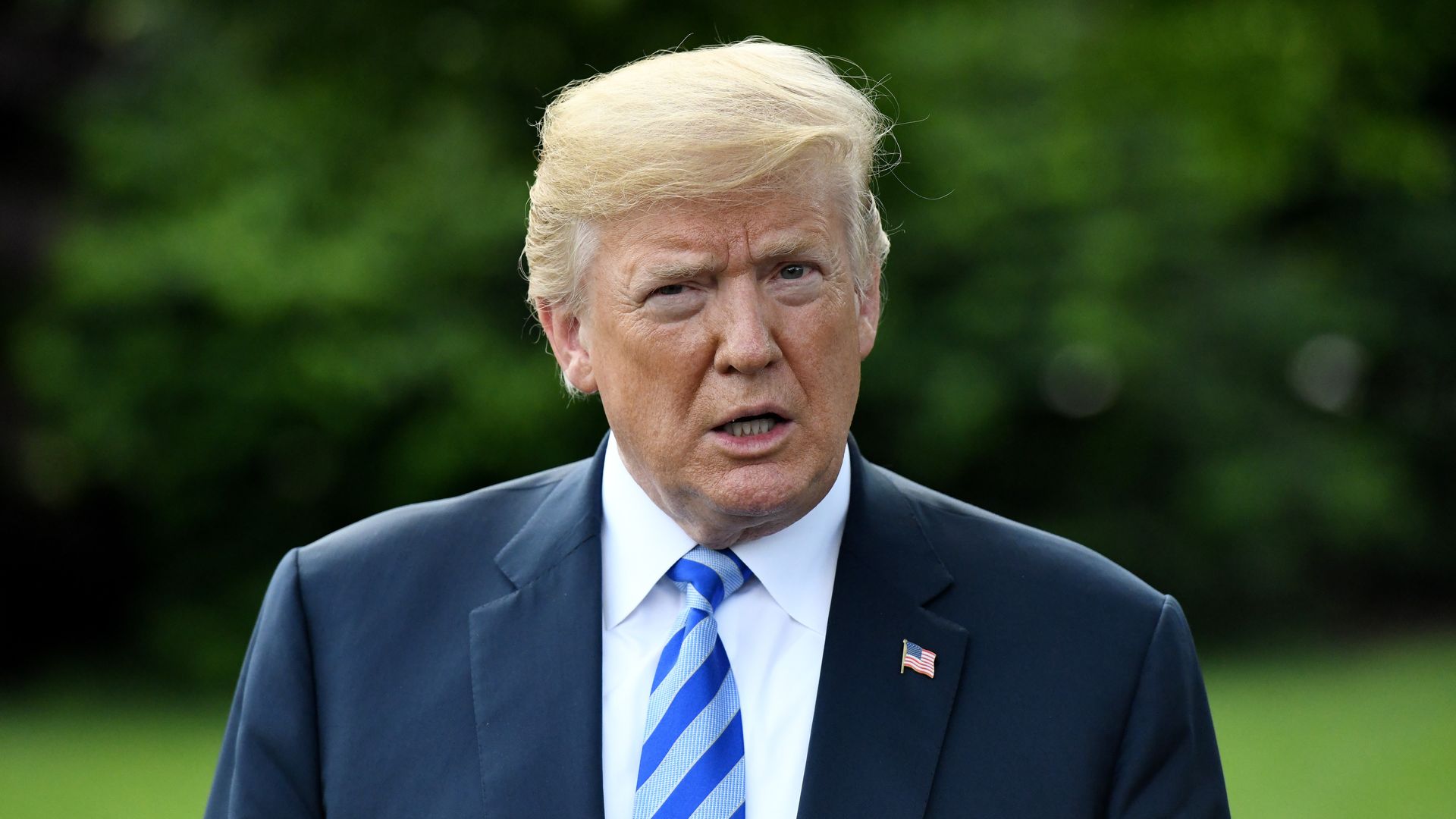
13 Republican senators are urging President Trump to back a policy achieved under former President Obama that they say would create American manufacturing jobs. It would also cut greenhouse gas emissions, but that went unmentioned.
Why it matters: In a letter, dated last week and obtained by Axios on Monday, the senators don’t mention "Obama" or "climate change." It's one of the starkest signs of how the Republican Party is willing to support efforts cutting emissions as long as they don’t mention one of these two hyper-polarizing topics.
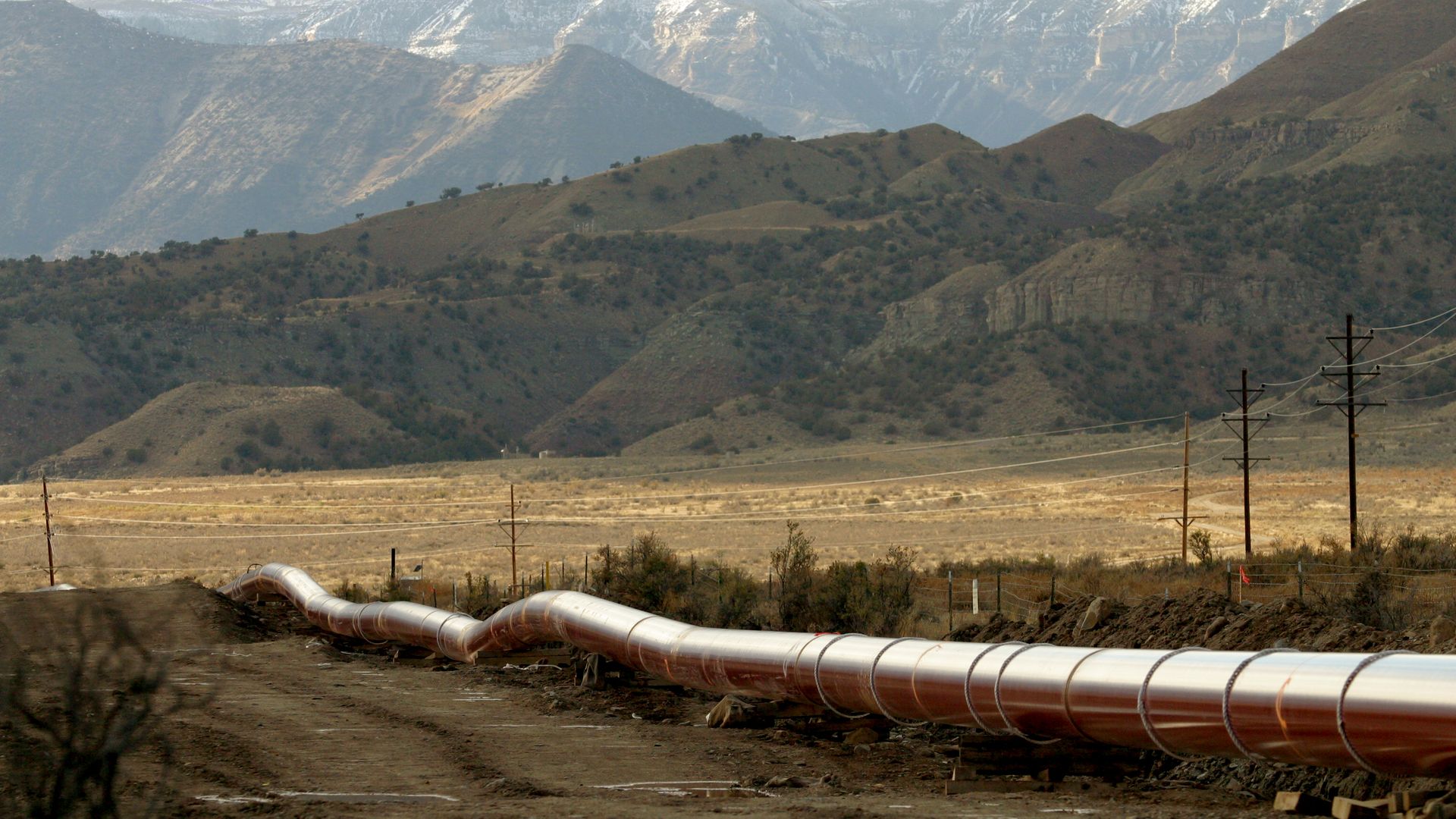
Foreign enemies are increasingly launching cyberattacks on U.S. critical infrastructure, including energy facilities. To protect against attacks that could compromise electric service, grid operators must comply with mandatory standards overseen by the Federal Energy Regulatory Commission (FERC).
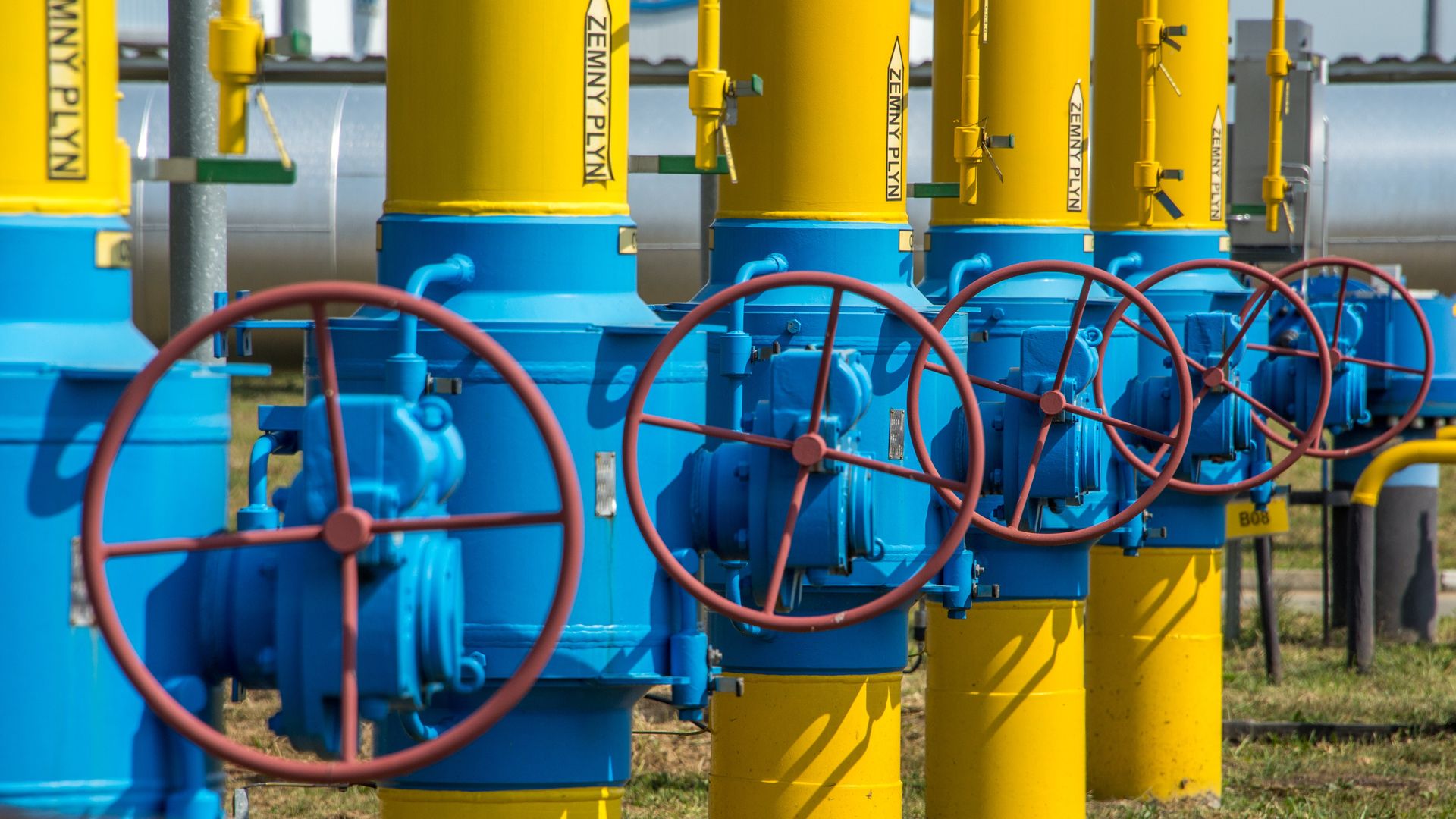
Yes, but: The U.S. has no comparable standards for its network of pipelines. As abundant and affordable natural gas has become a major part of the fuel mix, the cybersecurity threats to that supply have taken on new urgency.
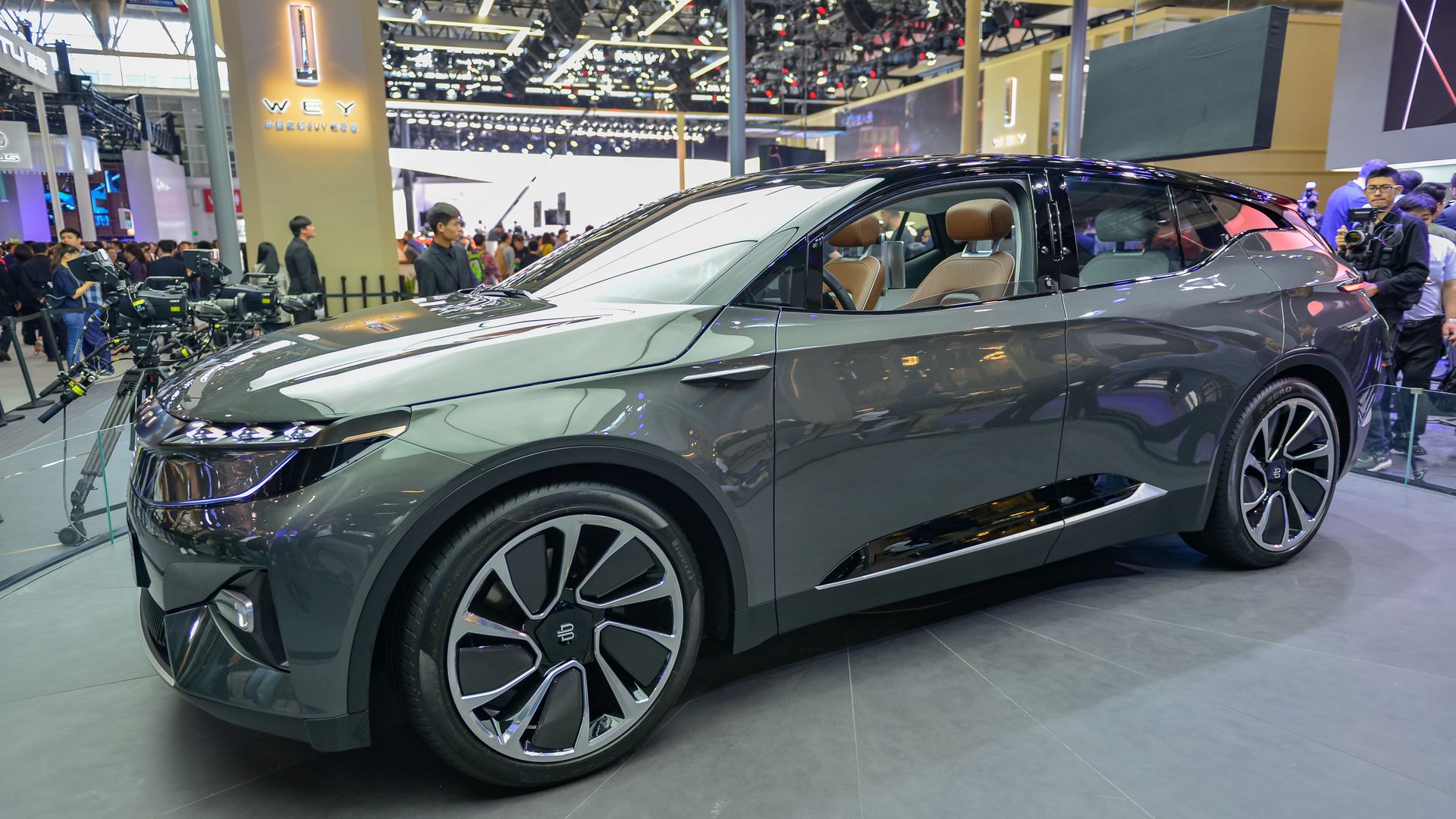
China-based electric vehicle startup Byton announced that it has closed a $500 million fundraising round and that investors include the major Chinese battery maker Contemporary Amperex Technology (CATL).
What's happening: Byton introduced an electric SUV concept early this year and plans to begin mass production in 2019. The company is also planning other vehicles.
The bottom line: The oil-and-gas giant warned that their "Rivalry" scenario — where geopolitical and trade conflict, weakened multilateral institutions and other forces erode efforts on climate — is looking more likely.
For decades, America’s national security has been tied to oil. President Trump is now linking it to electricity as he tries to bolster economically struggling coal and nuclear power plants.
Why it matters: America’s presidents have often been able to do largely what they want on policy if they cite national-security concerns (Trump is trying to do that with his protectionist trade agenda too). Even if these electricity claims are tenuous — and many experts say they are — Trump might well succeed.
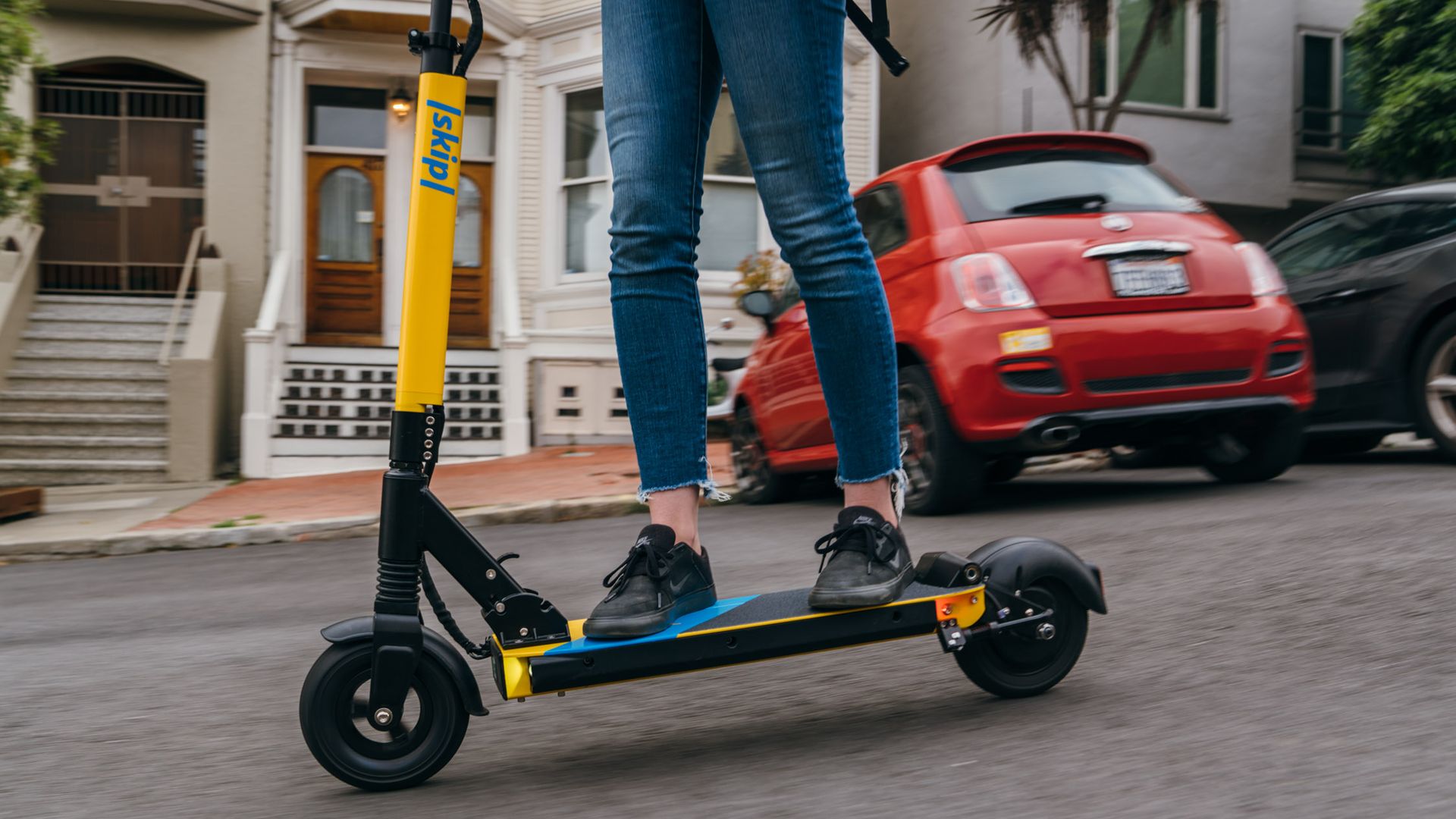
Skip hasn't yet dumped its e-scooters onto the streets of hometown San Francisco, instead quietly testing its service in Washington, D.C. while waiting for San Francisco to put a regulatory regime in place.
Bottom line: Skip is betting that its friendlier, play-by-the-rules approach will help put it ahead of competitors like Bird, Lime and Spin.