Skip hasn't yet dumped its e-scooters onto the streets of hometown San Francisco, instead quietly testing its service in Washington, D.C. while waiting for San Francisco to put a regulatory regime in place.
Bottom line: Skip is betting that its friendlier, play-by-the-rules approach will help put it ahead of competitors like Bird, Lime and Spin.
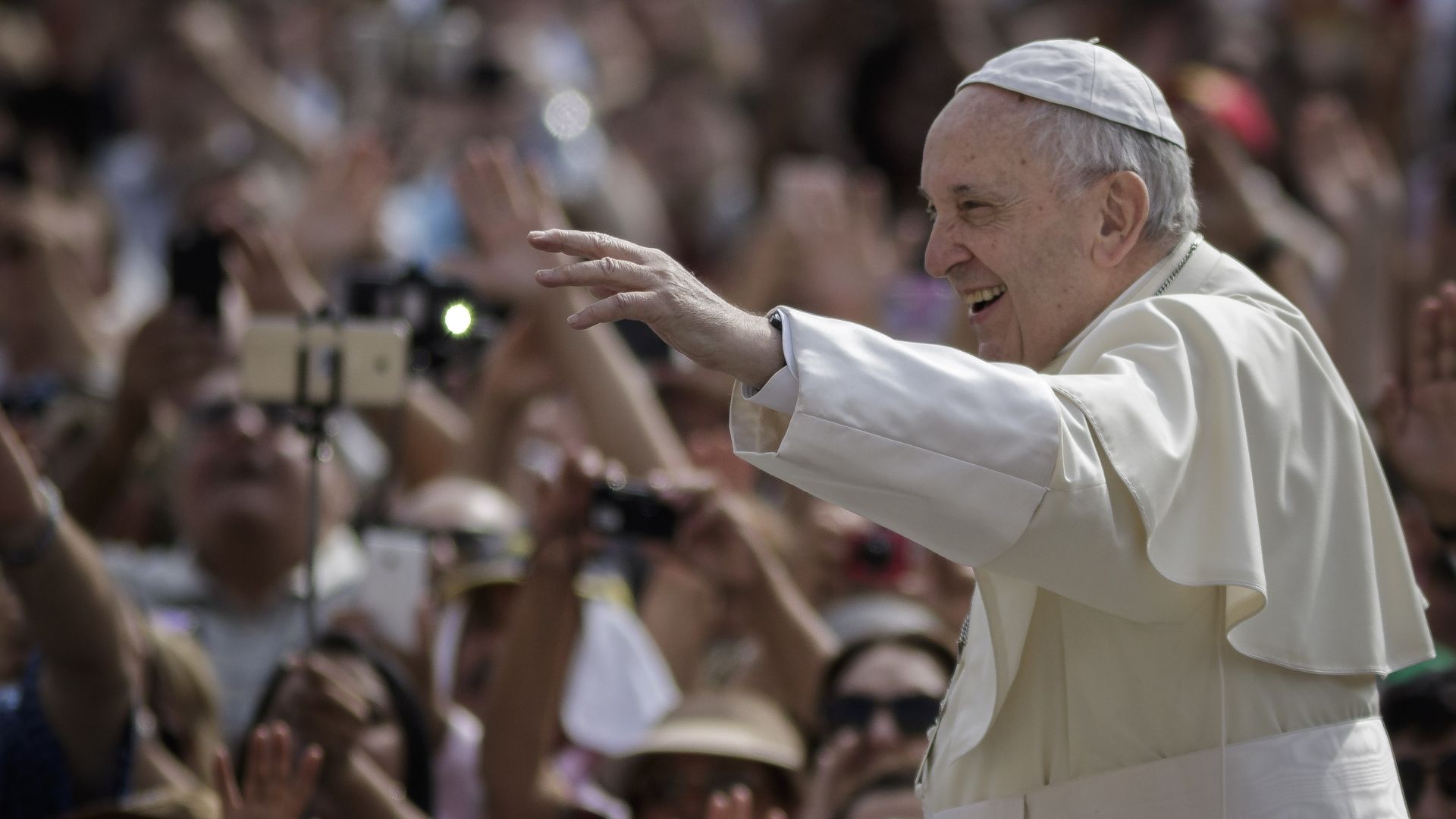
Pope Francis on Saturday told oil executives and other key energy sector figures at the Vatican that the world’s transformation to clean energy was an "epochal" challenge, and that companies' continued search for new sources of fossil fuels was "even more worrying" than the already high levels of greenhouse gases in the atmosphere.
Why it matters: Pope Francis, one of the most recognized figures in the world, is helping to fill the void in climate leadership that was left when the U.S. withdrew from the Paris Agreement on climate. The talks he called address what might be the central issue of the climate debate head on: that the energy companies that helped produce much of the greenhouse gasses in the atmosphere must also be a central part of any solution to the problem.
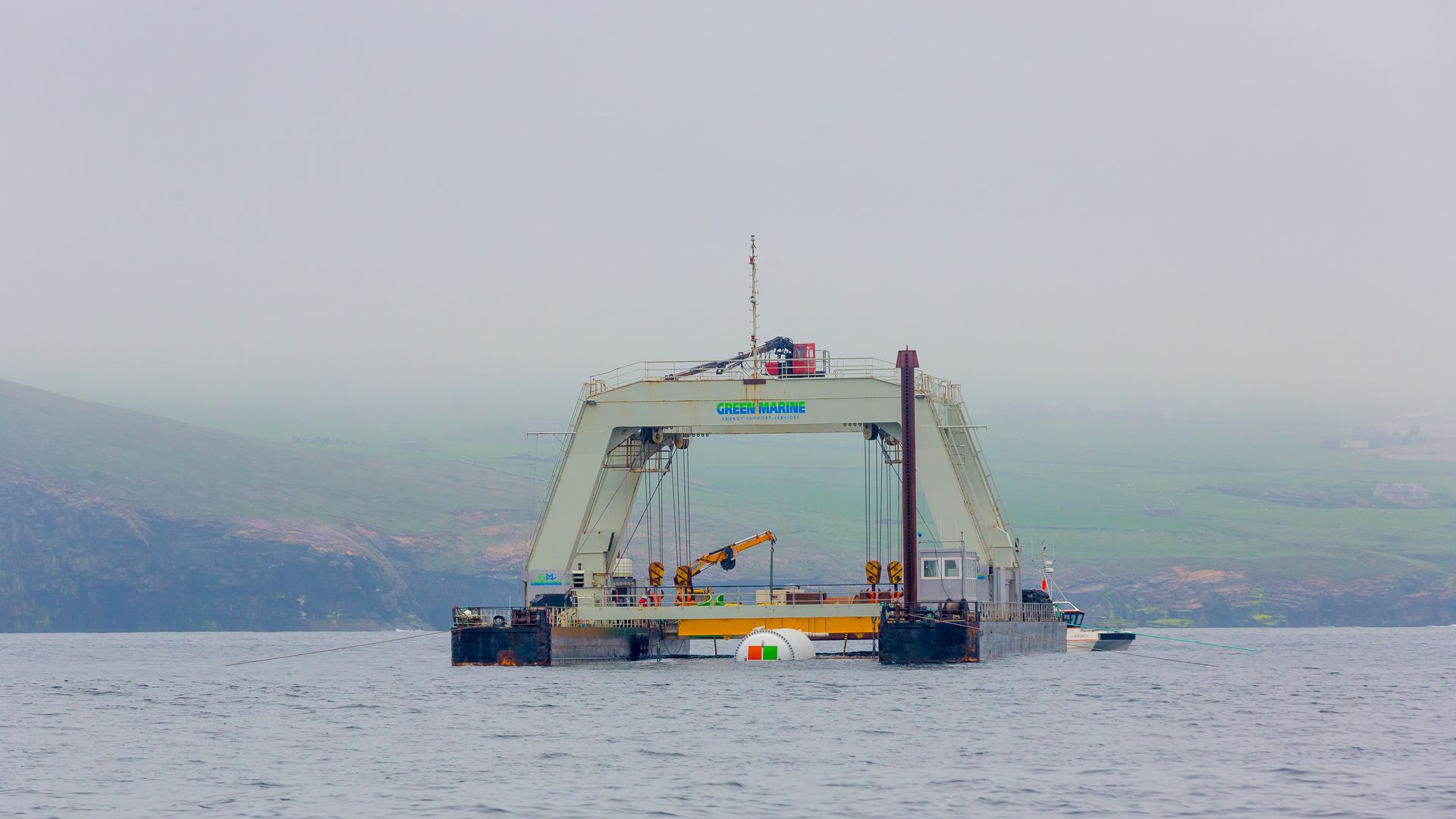
Microsoft recently announced a redeployment of their underwater data center, Project Natick, off the coast of the Orkney Islands in Scotland. To power the device, Microsoft has partnered with the European Marine Energy Center (EMEC), a marine energy testing center that hosts wave, tidal and ocean current devices at their grid-connected offshore berths.
Why it matters: This project marks the first time a commercial data center has been powered, at least in part, by marine renewable energy. It won't be the last.
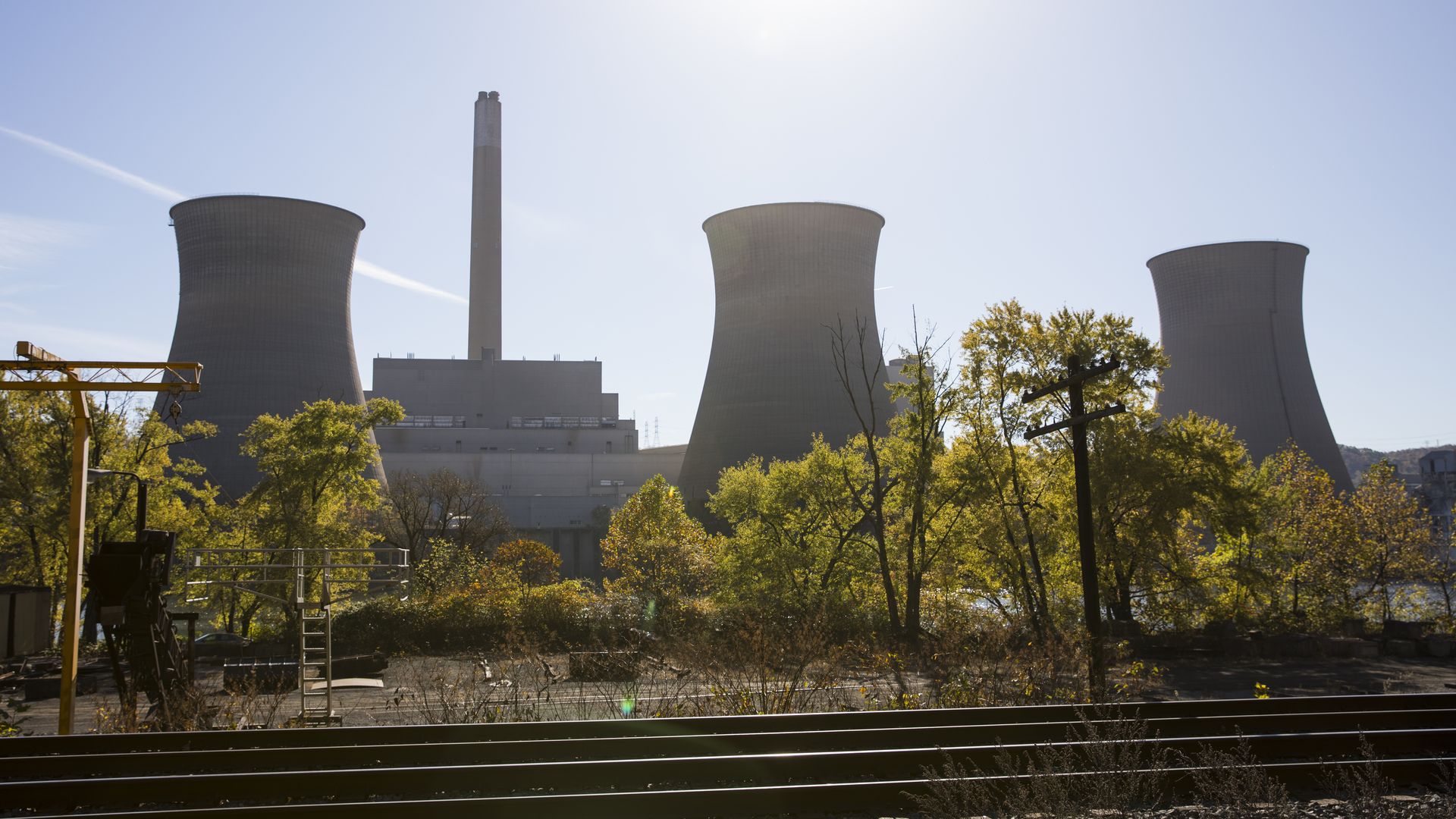
President Trump is again trying to make good on his campaign promise to revive coal — this time by ordering Energy Secretary Rick Perry to “prepare immediate steps” to support economically struggling “fuel-secure” nuclear and coal plants.
Why it matters: The subsidies required for this bailout proposal would only mask the true underlying problem: Coal has simply lost out to other technologies and fuel sources.
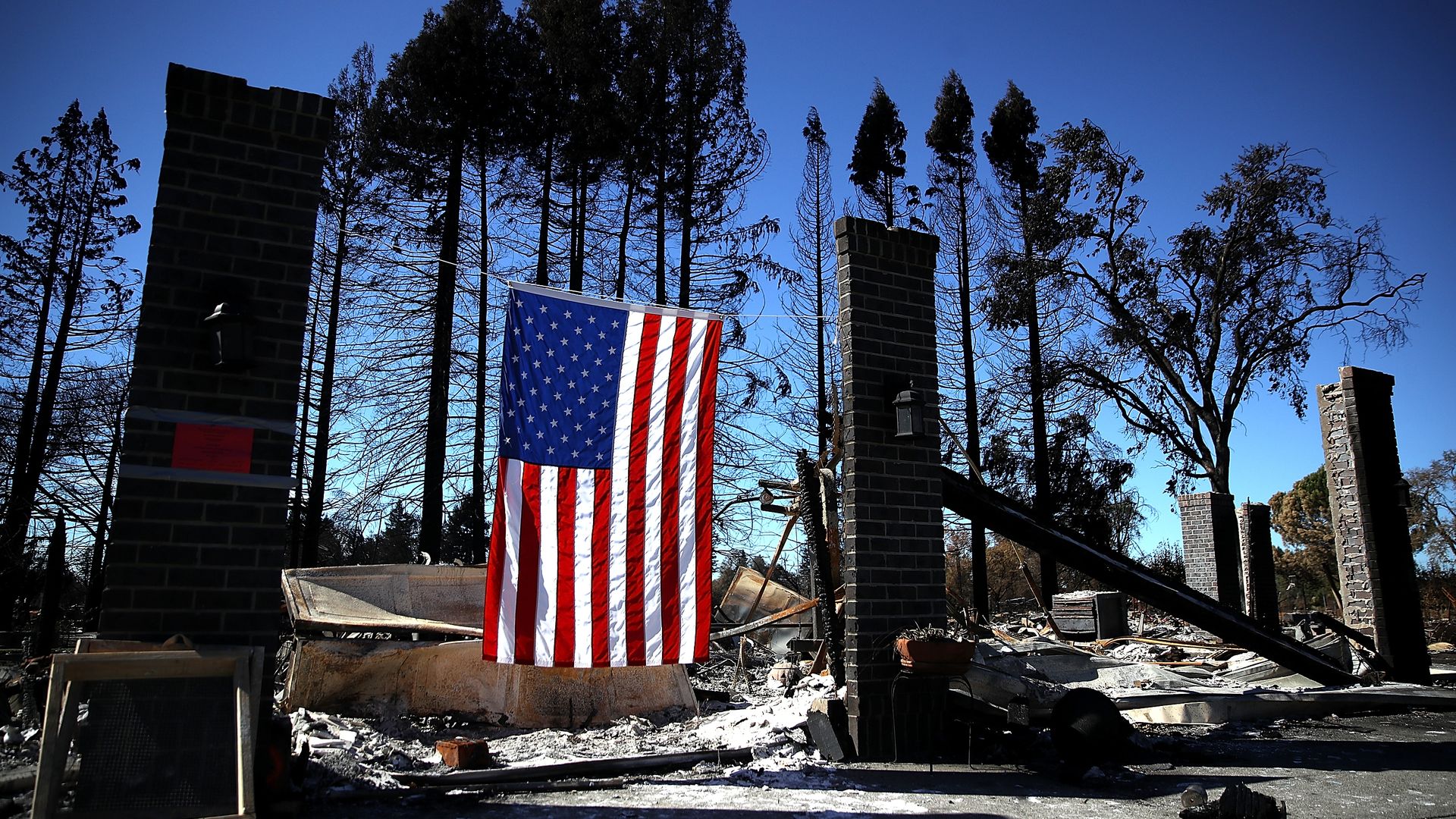
A dozen wildfires in Northern California last October were started by "electric power and distribution lines, and the failure of power poles" from Pacific Gas and Electric (PG&E), according to a release from the California Department of Forestry and Fire Protection.
The big picture, per Axios' Andrew Freedman: Contributing factors were tinder dry conditions, powerful winds, and long-term drought in the state that had left lands ready to burn. Also, land development practices likely exacerbated the situation too. Winds during these events exceeded hurricane force (75 mph), but the power line finding likely clears the way for lawsuits against PG&E.