The biggest difficulty in self-driving cars is not batteries, fearful drivers, or expensive sensors, but what's known as the "trolley problem," a debate over who is to die and who saved should an autonomously driven vehicle end up with such a horrible choice on the road. And short of that, how will robotic vehicles navigate the countless other ethical decisions, small and large, executed by drivers as a matter of course?
In a paper, researchers at Carnegie Mellon and MIT propose a model that uses artificial intelligence and crowd sourcing to automate ethical decisions in self-driving cars. "In an emergency, how do you prioritize?" Ariel Procaccia, a professor at Carnegie Mellon, tells Axios.
Crude oil exports averaged a record 2.1 million barrels per day for the week ending October 27, according to new Energy Information Administration data, marking the first time they have surpassed the 2 million threshold in EIA's weekly tallies.
Why it matters: The growing exports underscore how the shale boom and the lifting of major export restrictions in late 2015 are making the U.S. an increasingly prominent force in global crude oil markets.
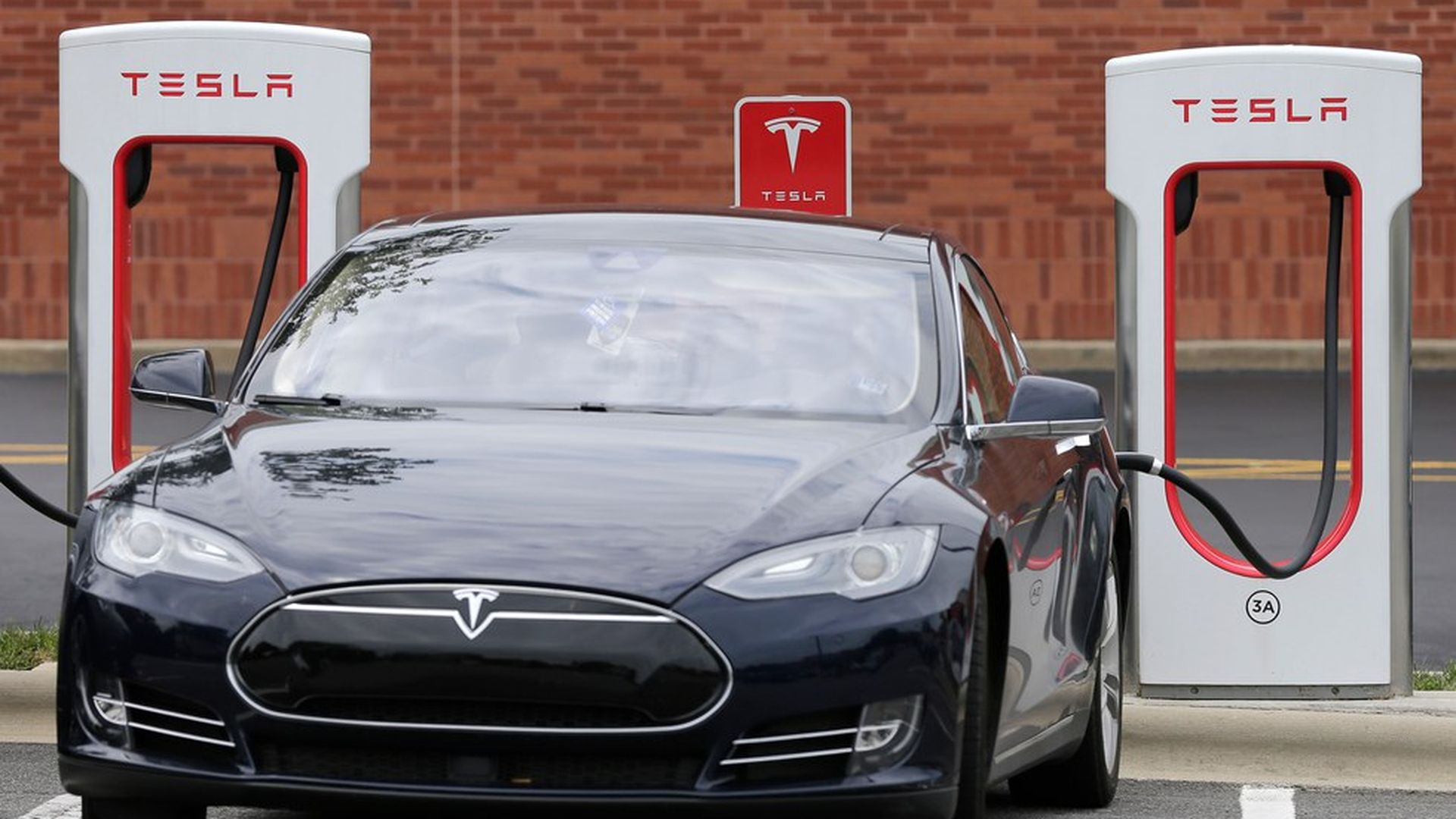
Tesla will report its third quarter earnings this afternoon at a time when the Silicon Valley company has been in something of a rough patch.
One big question: Analysts and others on the conference call with Tesla management will be keenly interested in the status of production of the Model 3, which has been far slower than the company had initially forecast.
Get ready:This Bloomberg preview looks at that and other questions facing Elon Musk's company, such as how much money Tesla is burning through to work things out with the Model 3 and the status of plans for a factory in China.
Climate change is hurting people's health more than previously thought, a team of 63 doctors, scientists, and public health officials wrote in a report published Monday in the medical journal Lancet. "The human symptoms of climate change are unequivocal and potentially irreversible" the team warns, in the first of what is expected to be an annual report based on 40 indicators.
The upshot: The increasing waves of heat-related illnesses, mosquito-borne diseases and air pollution problems can be lessened if the world derives its energy needs from renewable sources instead of fossil fuels like coal and boosts its funding to make health systems more climate resistant.
Bloomberg Intelligence "50 Companies to Watch," from Bloomberg Businessweek's "The Year Ahead: 2018" issue.
The big names: "AT&T, Alaska Air Group, Danone SA, Fannie Mae and Freddie Mac, Gap Inc., Kraft Heinz Co., PayPalHoldings Inc., Qualcomm Inc. and Tesla are among the 50 companies spread across multiple categories, from e-commerce and entertainment to pharmaceuticals, tech, and finance."