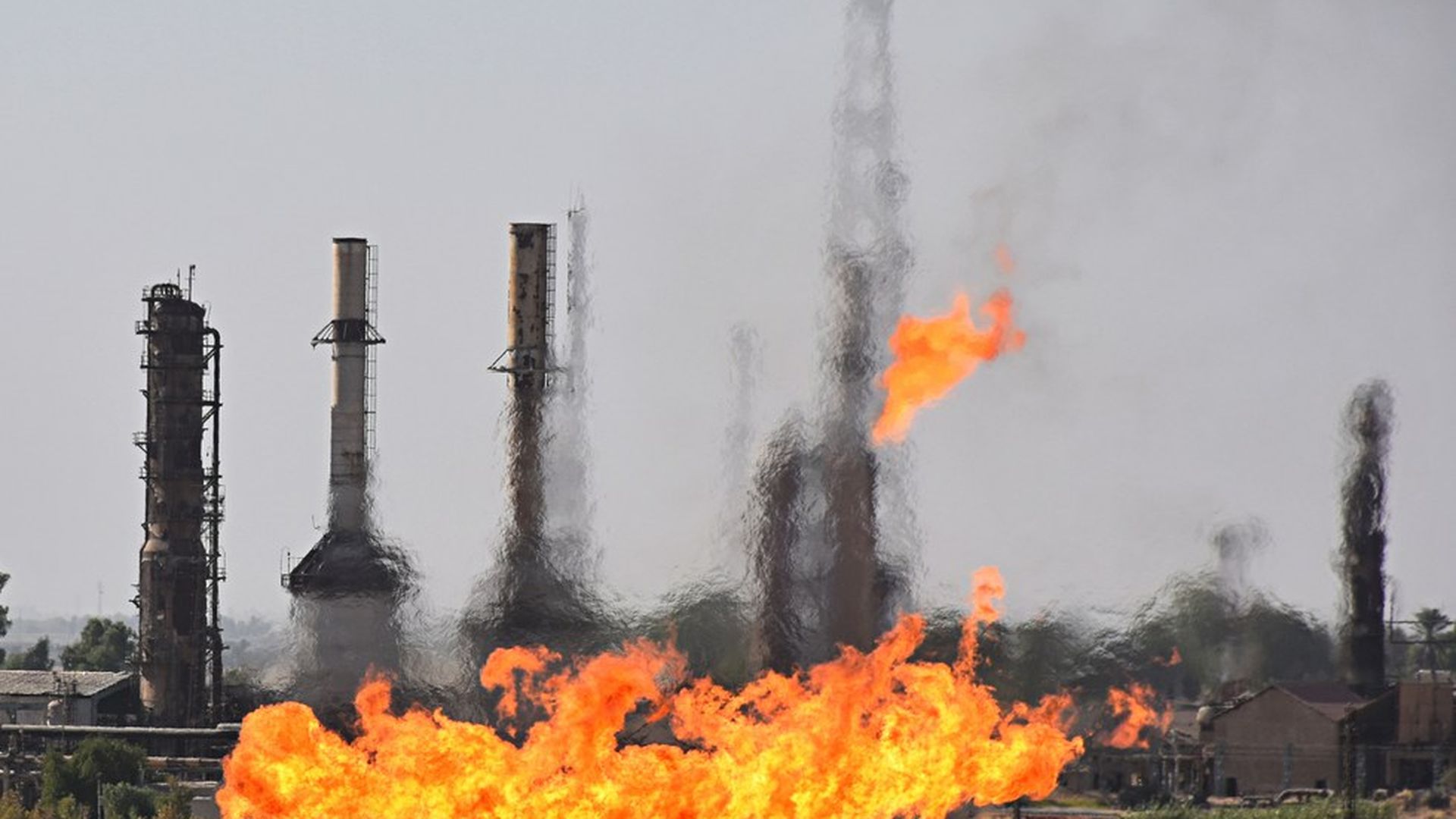
After Iraqi Kurds' overwhelming vote for independence last month, their energy strategy is now up in the air, in particular since the Iraqi army moved in to the disputed, oil-rich Kirkuk after the vote, the NYT reports.
Context: Iraqi Kurdish leaders have been courting international companies (think Chevron and Exxon Mobil) for oil and gas deals for years as part of a linchpin to a financially strong independence strategy. Losing Kirkuk means their pitch may no longer be viable on top of already-depressed results in the oil sector.
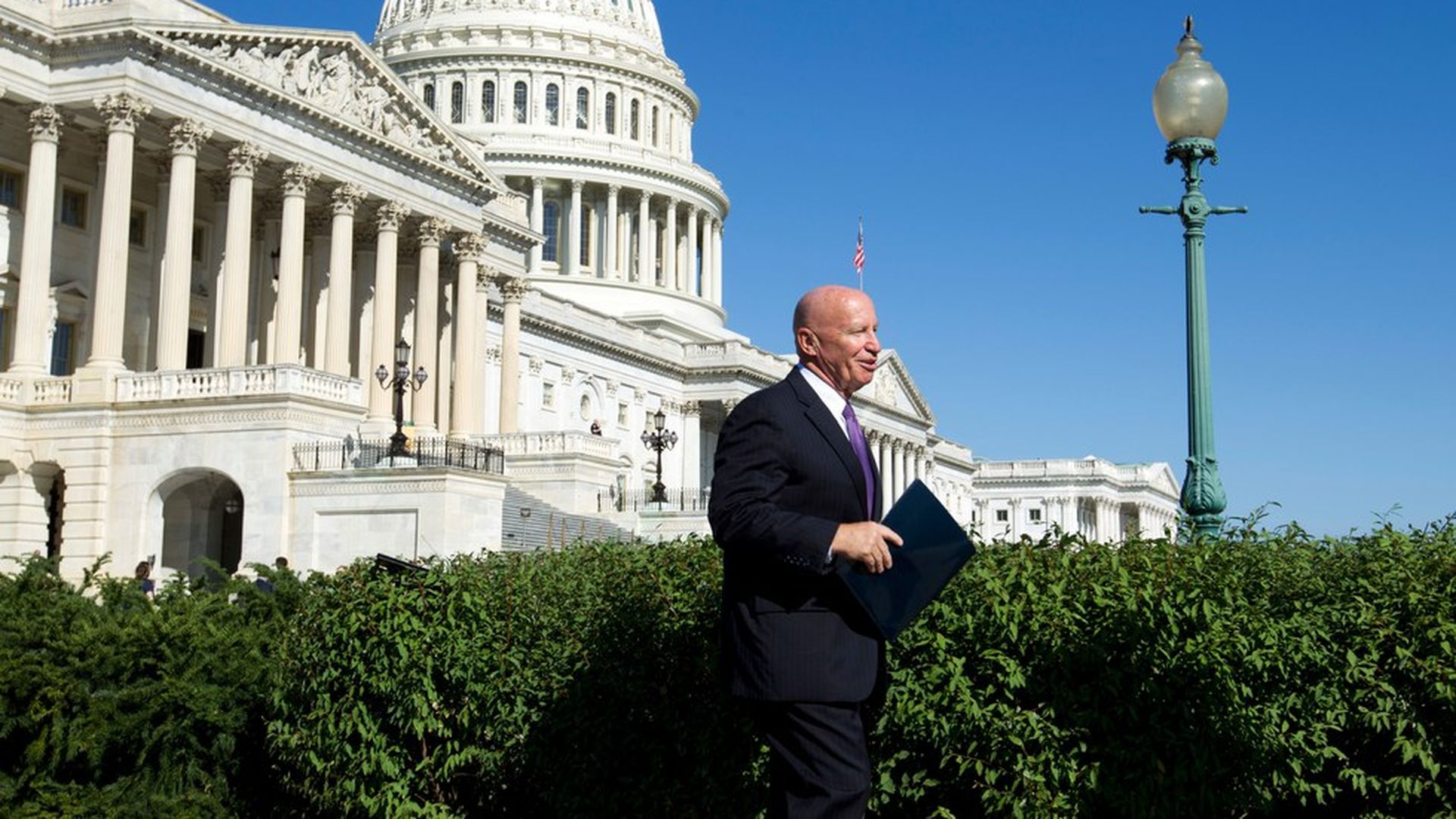
House Republicans unveiled their new tax plan Thursday, and although there will likely be some changes as it moves through Congress, here's who stands to gain and who stands to lose from the current plan. Trump wants to pass the plan through the House by Thanksgiving and through the Senate by late December.
Falling costs for developing wind and solar power plants are giving those technologies a market edge over coal and nuclear power even without tax subsidies, according to a new analysis on the changing economics of electricity from the financial advisory firm Lazard.
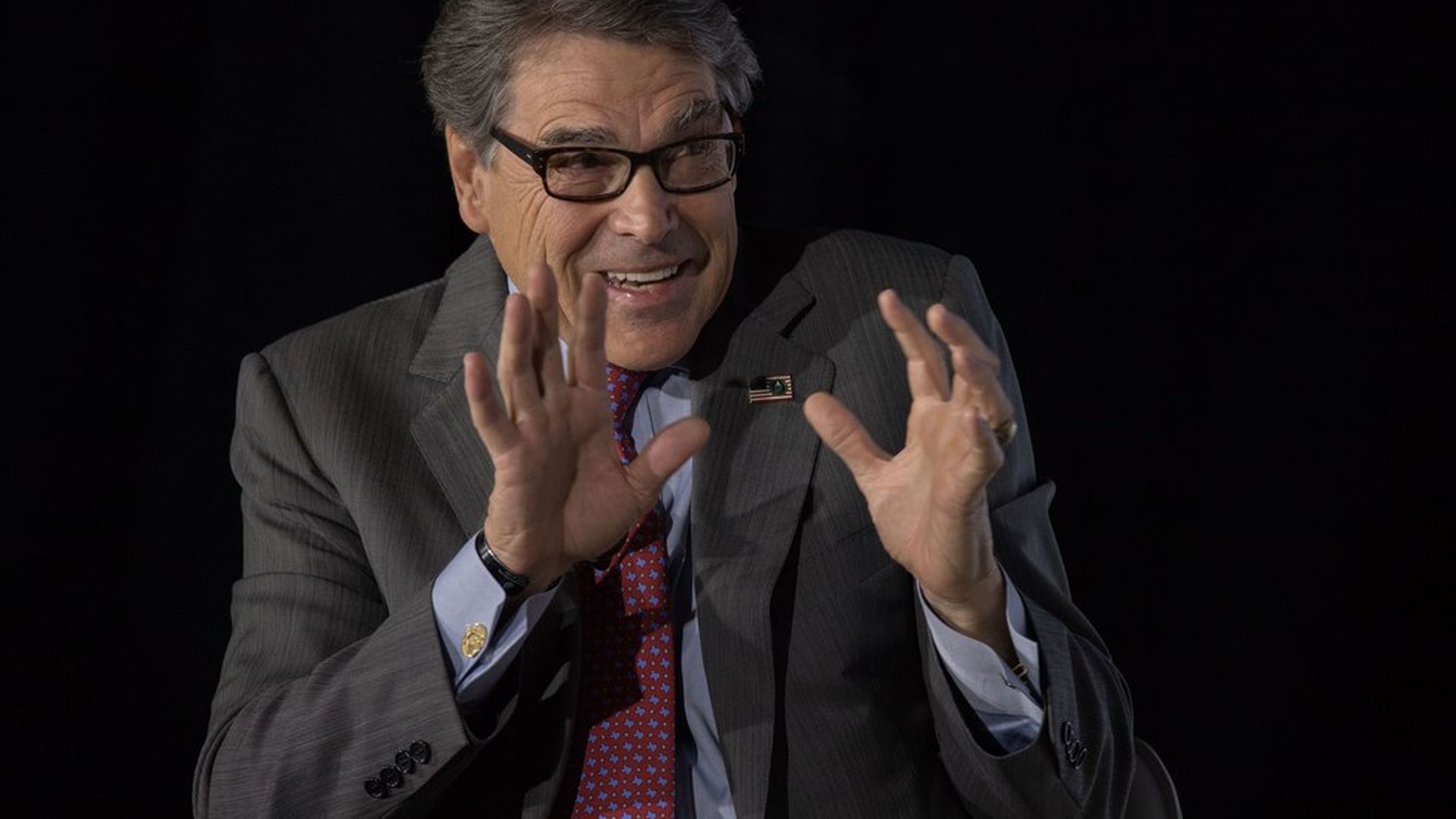
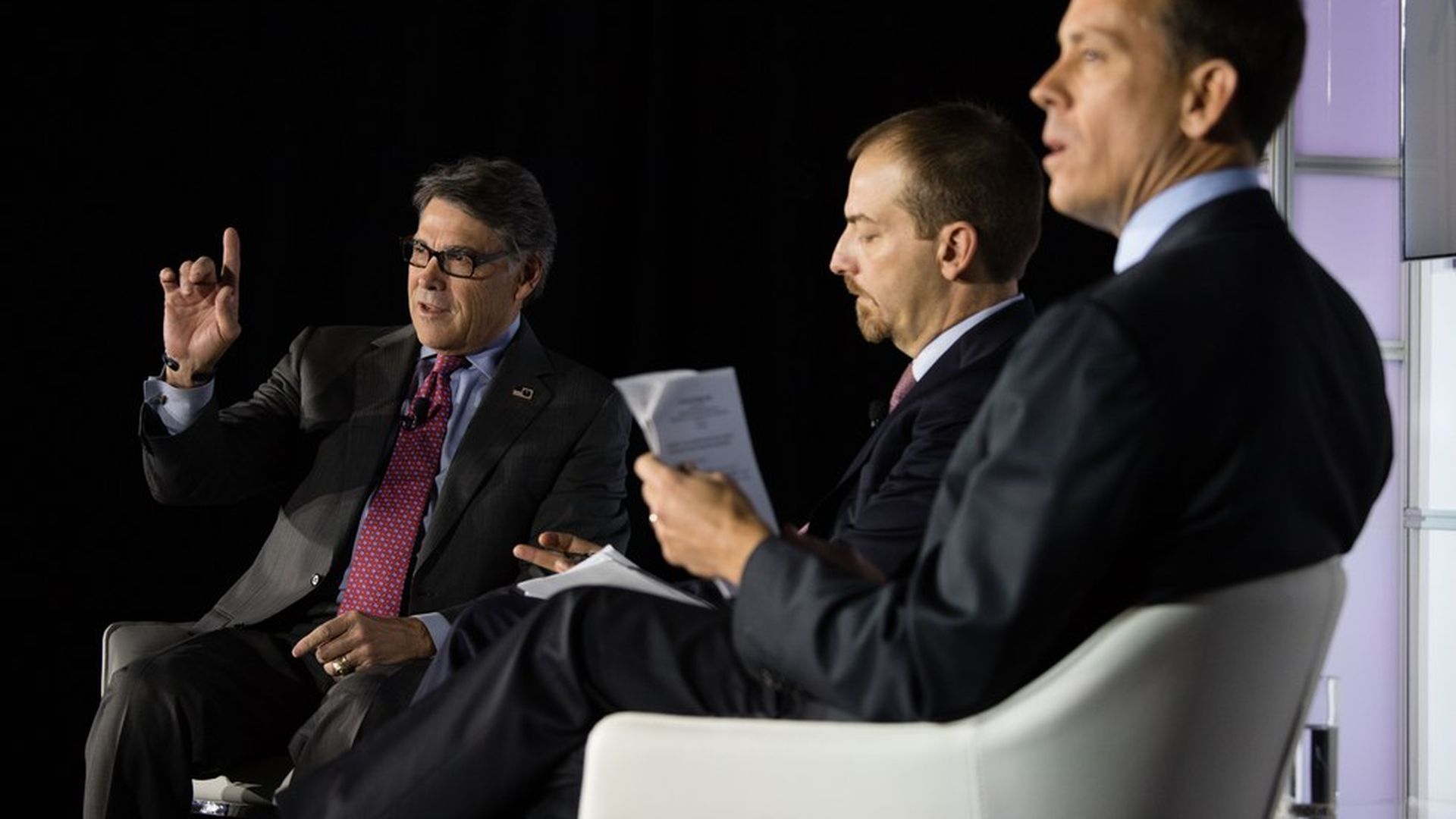
At an Axios and NBC discussion about the administration's energy policy priorities Thursday morning, Energy Secretary Rick Perry indicated he thinks using fossil fuels can help prevent sexual assault. The quote, in full:
"I just got back from Africa, I'm going to finish up with this, because I think I heard a lady say there are people dying. Let me tell you where people are dying, is in Africa, because of the lack of energy they have there. And it's going to take fossil fuels to push power out into those villages in Africa, where a young girl told me to my face, 'one of the reasons that electricity is so important to me is not only because I'm not going to have to try to read by the light of a fire and have those fumes literally killing people.' But also from the standpoint of sexual assault. When the lights are on, when you have light that shines, the righteousness, if you will, on those types of acts. So from the standpoint of how you really affect people's lives, fossil fuels is going to play a role in that. I happen to think it's going to play a positive role."
Energy secretary Rick Perry joined an Axios/NBC event this morning, helping us drive the discussion about the administration's energy policy priorities in 2017. Perry told Axios' CEO and co-founder Jim VandeHei and NBC's Chuck Todd that he thinks climate change is real and humans "have an impact on it," but that "I still think the science is out on" whether humans cause 100% of it.
Yes, but: The scientific consensus is that human activities have been the primary driver of the warming trend since the mid-20th century.