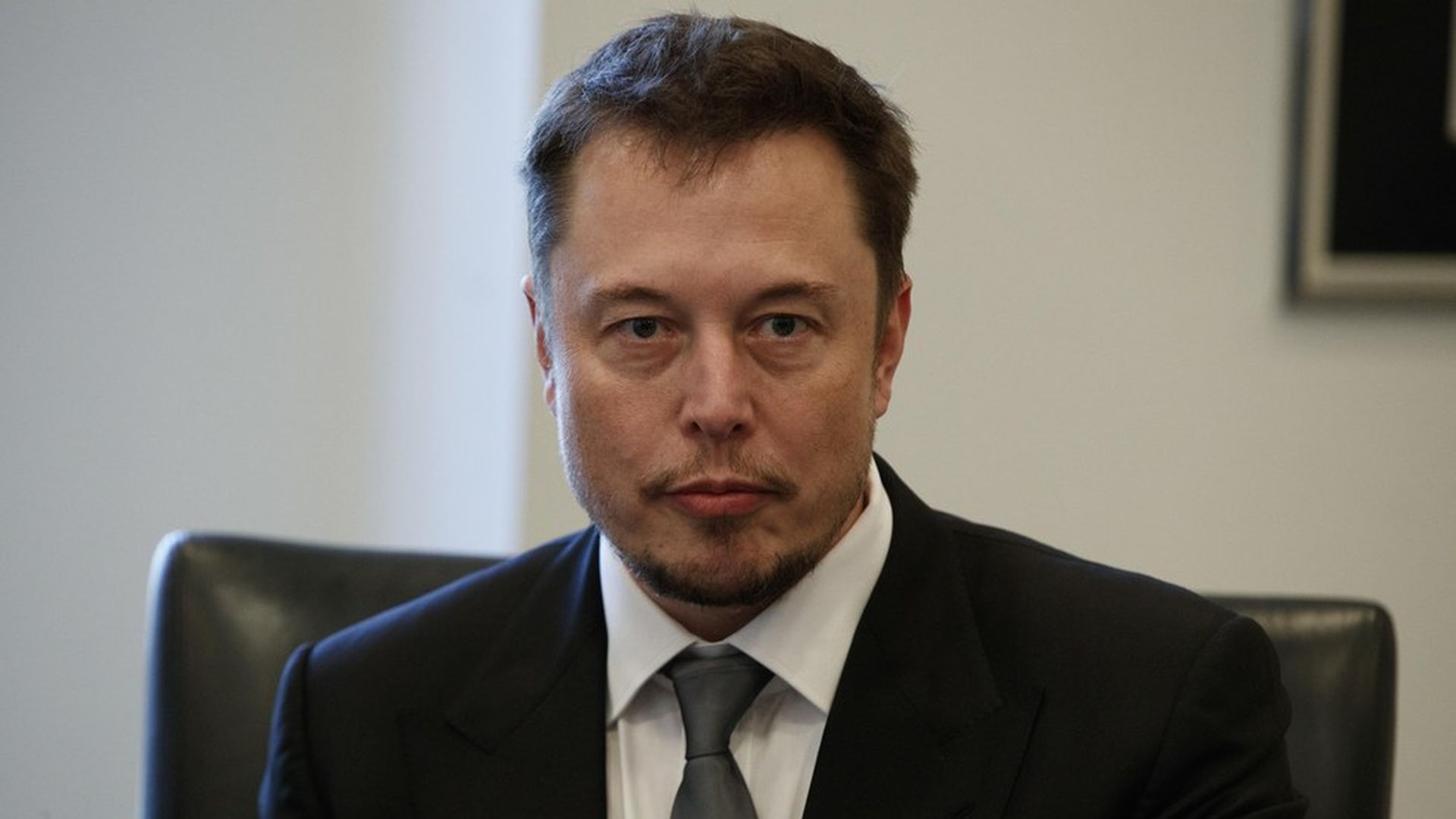
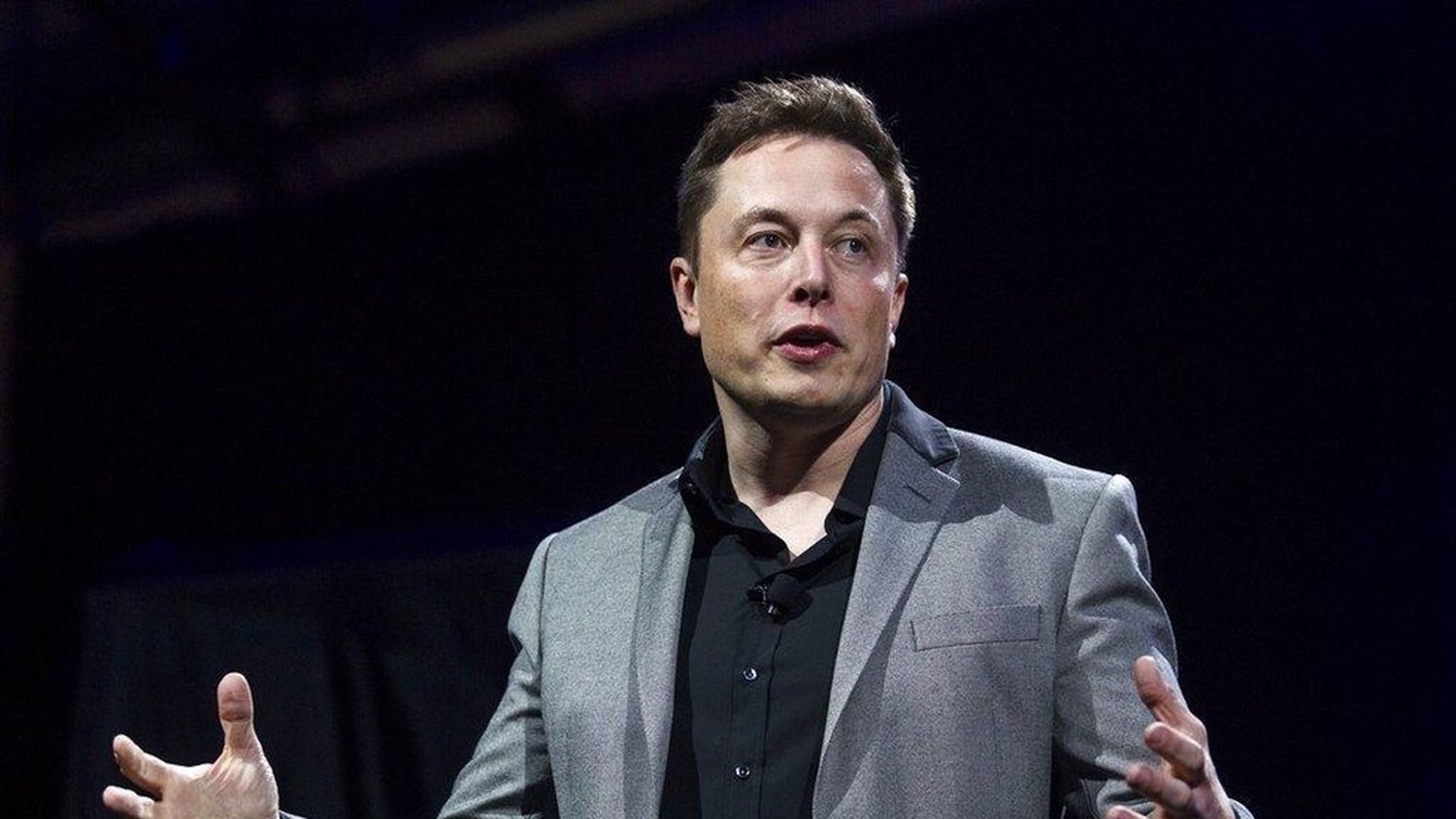
Speaking to the nation's governors on Saturday, Elon Musk defended his strategy of engaging with President Trump.
"It was worth trying," he said, in response to a question from Axios. "I got a lot of flack from multiple fronts for even trying. Some guy rented billboards attacking me and (took out) full-page ads in the NY Times and what not... just for being on the panel."
Musk said in each meeting he tried to make the case for sustainability and also address some other issues, including ensuring "immigration laws [were] not unkind or unreasonable."
Elon Musk predicted that within 10 years nearly all new cars made in the U.S. will be autonomous, and half of those will be fully electric vehicles. "China is probably going to be ahead of that," the Tesla and SpaceX chief said Saturday, speaking at the National Governors Association meeting in Providence, Rhode Island.
Within 20 years, he said driving a car will be like having a horse (i.e. rare and totally optional). "There will not be a steering wheel."
Musk also used the appearance to encourage the governors to be careful about what regulations they make and which things they incentivize.
Why it matters: All of Musk's businesses — SpaceX, Tesla and his new Boring Co. tunnel business — depend on new approaches to regulation.
Wind and solar power don't pose a significant threat to the reliability of the U.S. power grid, according to a Department of Energy draft report, Bloomberg reports.
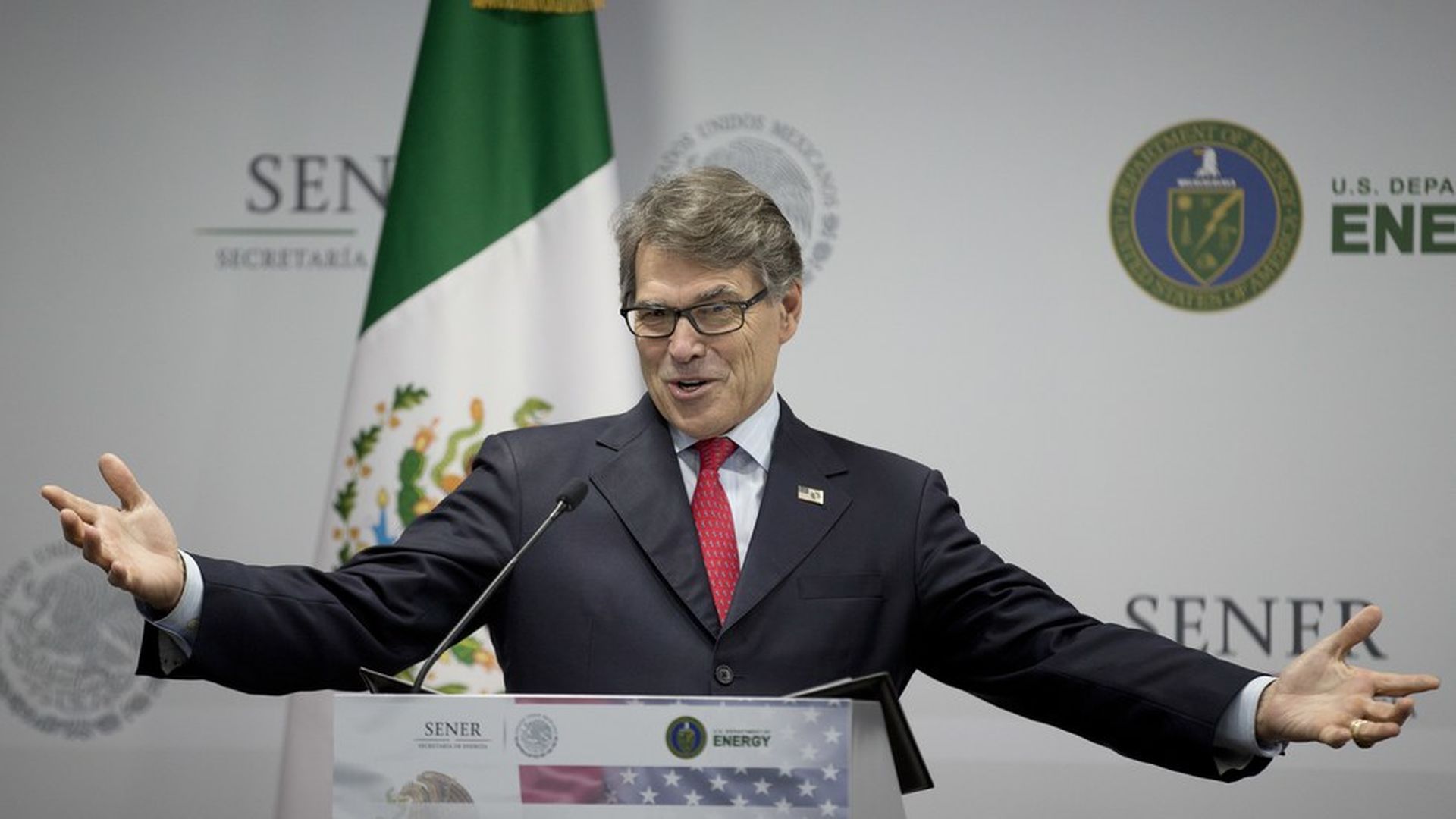
Why it matters: That runs contrary to statements the Energy Secretary Rick Perry said, indicating Obama-era regulations as well as renewables incentives are detrimental to grid reliability:
The draft study: "Costly environmental regulations and subsidized renewable generation have exacerbated base-load power plant retirements," such as coal and nuclear power. "However, those factors played minor roles compared to the long-standing drop in electricity demand relative to previous expectation and years of low electric prices driven by high natural gas availability."
Rick Perry: "I've asked the staff of the Department of Energy to undertake a critical review of regulatory burdens placed by the previous administration on baseload generators…Over the last several years, grid experts have expressed concern about the erosion of critical baseload resources."
Two people familiar with the report warned it could still be redrafted and could be released as soon as next week.