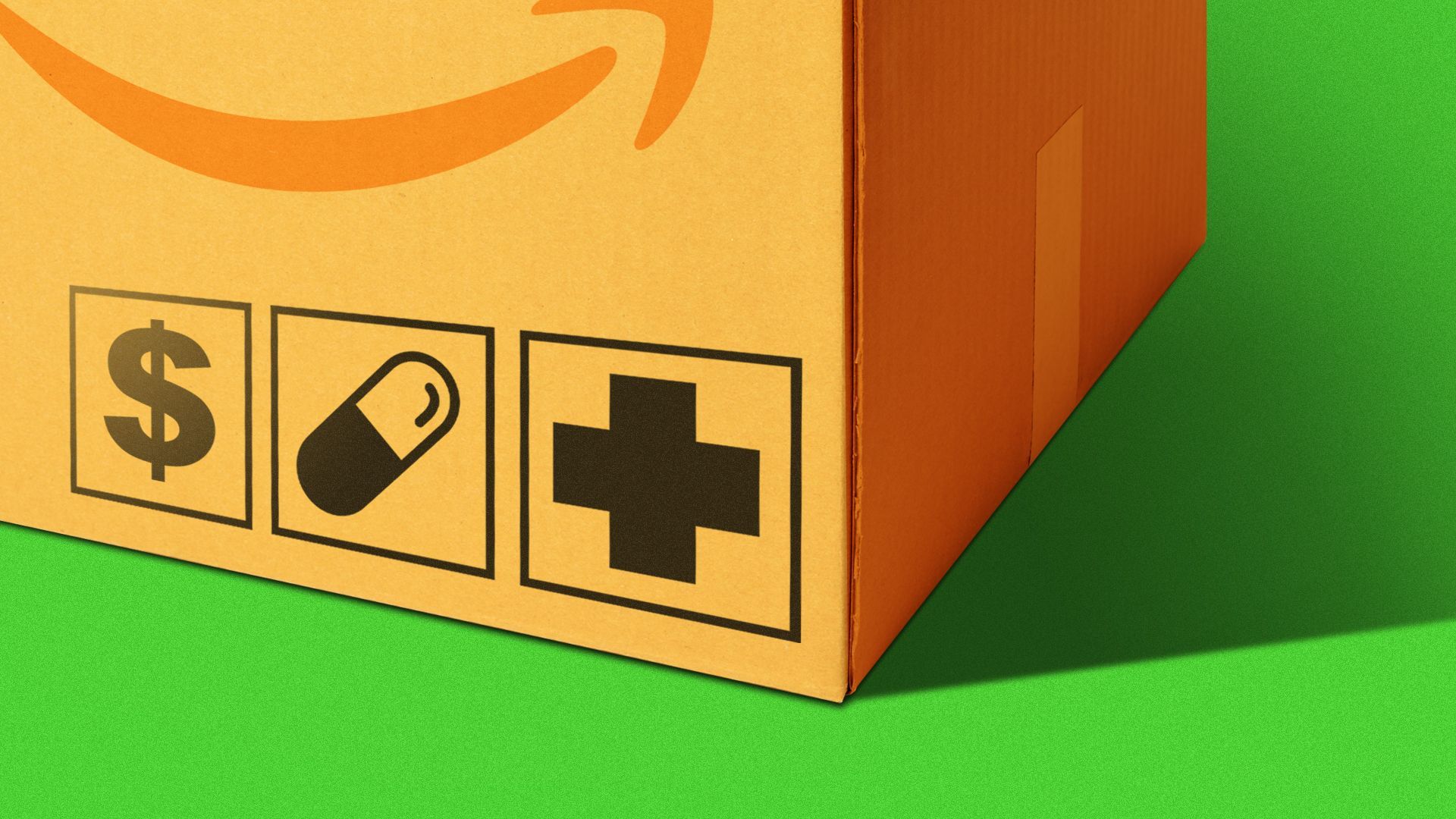
America's largest pharmacy chains are having a tough time competing with Amazon, and it isn't primarily because of medicine sales.
The big picture: CVS and Walgreens have long boosted their margins by selling products that customers find on their way to pharmacies at the back of their stores, but that model is no longer working.
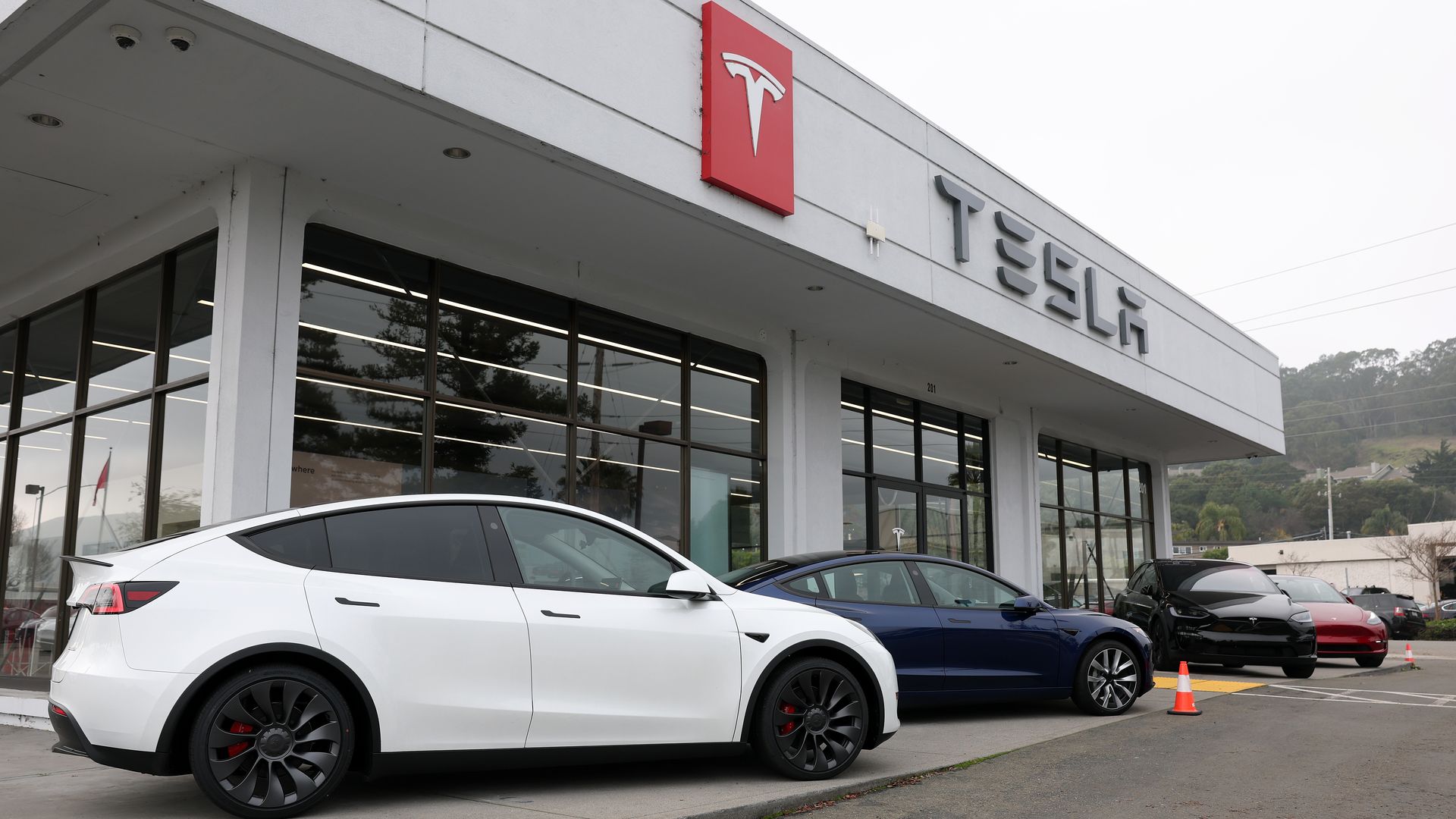
The U.S. Army on Thursday confirmed that the suspect responsible for the Tesla Cybertruck explosion in Las Vegas on New Year's Day was a military veteran.
Why it matters: While officials have not confirmed a link between the Las Vegas explosion and the New Orleans pickup truck attack, both suspects served in the Army.
The newest iteration of "Extreme Makeover: Home Edition" is less "MTV Cribs" and more "Queer Eye."
Why it matters: A recent episode of "Dark Side of Reality TV" on Vice revealed the unfortunate stories of what happened to some of the families whose homes were remodeled during the franchise's original run, hosted by carpenter Ty Pennington, from 2004 to 2012 on ABC.
Larger homes outfitted with new tech required more money for upkeep, and utility bills ballooned.
Multiple families put their remodeled homes up for sale because they could no longer afford them.
What they're saying: "It's a TV show, there are financial implications to winning a prize on a game show, receiving a car on a talk show and receiving a house on 'Extreme Makeover: Home Edition,'" Michael Heyerman, a producer on this iteration of the series, tells Axios.
"It was really important for us to figure out how to offset some of the responsibilities that come when you are gifted a prize as large as a house."
Behind the scenes: Heyerman says the families in the new series were given a lump sum of money to help offset costs.
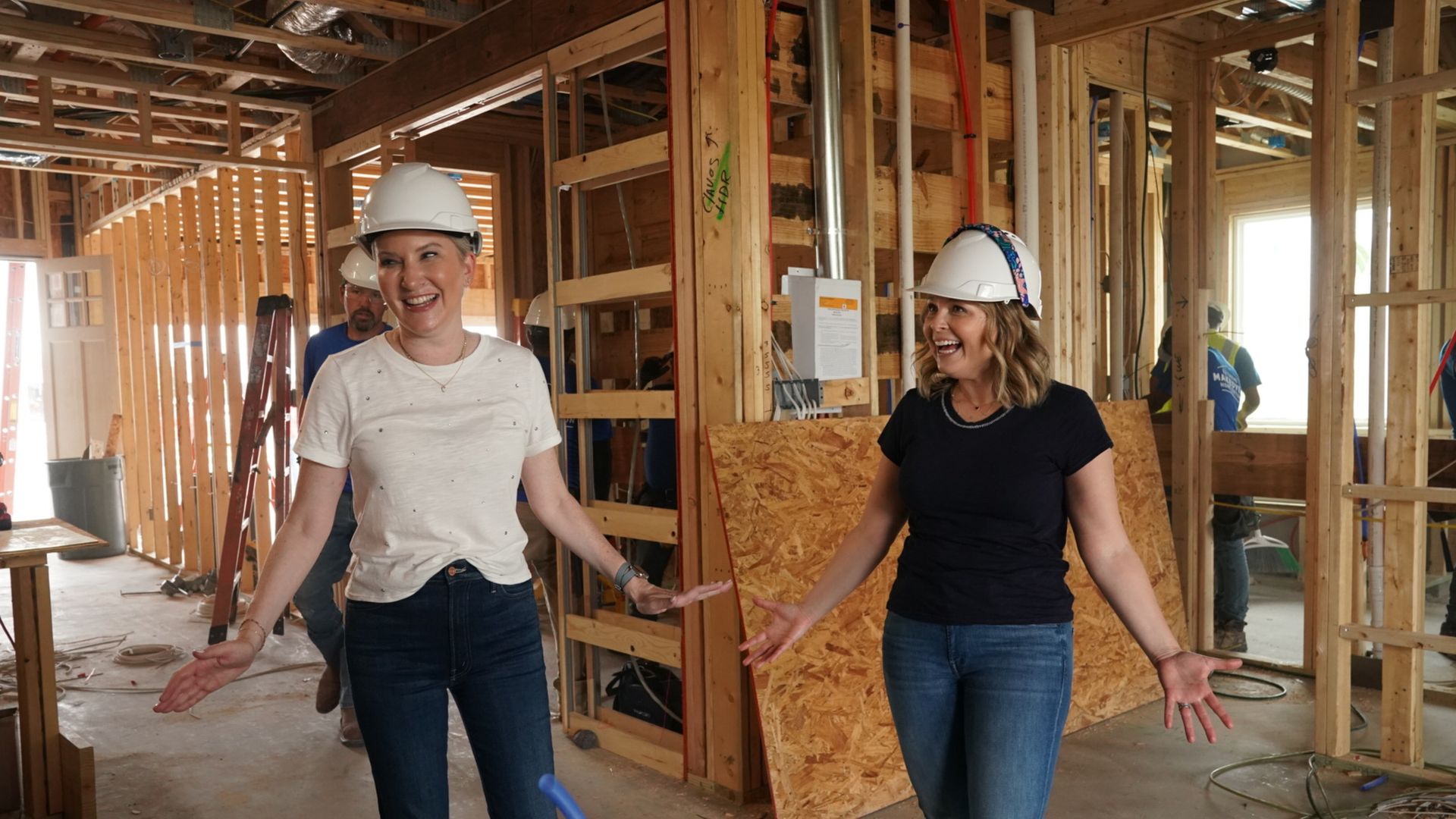
Zoom in: This version, hosted by Clea Shearer and Joanna Teplin from The Home Edit, places a greater focus on personal stories and healing than flashy home details.
Instead of being sent on a trip to Disney World, the householders are involved during the renovation process, which has been shortened from one week to four days.
"There's just a lot more story. There's more heart, there's more humor, there's more attachment to the families," Shearer tells Axios.
Yes, but: "Move that bus!" is still a part of the show.
What we're watching: "Extreme Makeover: Home Edition" premieres at 8pm ET Thursday on ABC and will stream on Hulu Friday.
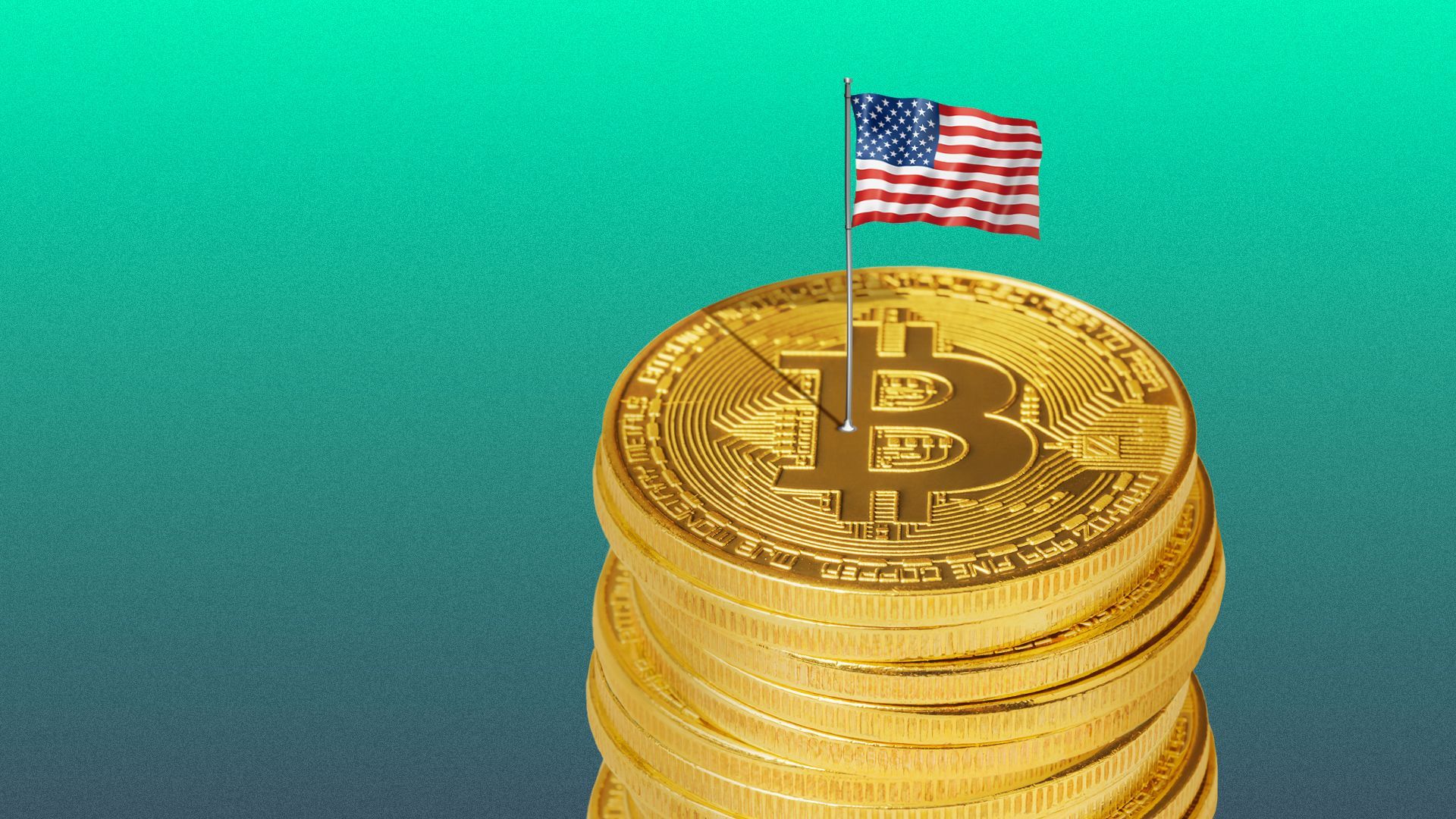
The idea of the U.S. government holding bitcoin is growing, so much so that states are starting to adopt the idea for their own treasuries.
Why it matters: Sometimes big new ideas have a way of taking hold in the states first.
Texas. The Lone Star State has the most intriguing concept: It opens up the state to accept donations of bitcoin.
"This fund allows the state to own Bitcoin as a financial asset and for Texans to voluntarily donate Bitcoin to promote a shared ownership and community investment in Texas's financial future," the bill says.
Zoom in: Axios Crypto suspects this idea is based on more than wishful thinking — Texas is home to most of the bitcoin mining in the U.S. The state is seen as being much more welcome to bitcoin than others.
It wouldn't take much for the United States government to become an investor in bitcoin like it is in gold — the question is whether it would do its citizenry any good.
Why it matters: The idea's being touted by President-elect Donald Trump, and seems to be catching on.
The biggest question marks for the 2025 outlook involve how the incoming Trump administration's policy agenda will reverberate through the U.S. and global economies.
Why it matters: The incoming administration has big plans in areas including trade policy, fiscal policy, immigration and more. These objectives are likely to create complex crosscurrents for the economy, making it hard to confidently predict how it will all net out.
President Biden is on the clock, needing to decide by Tuesday whether or not to stop Nippon Steel from buying U.S. Steel.
Why it matters: This could have ramifications for economic relations between the two longtime allies, including how U.S. acquirers are received in Japan.
Flags of the Sugar Bowl teams — Georgia and Notre Dame — flutter on Bourbon Street as investigators work on New Year's Day. Photo: Michael DeMocker/Getty Images
Seven hours and two time zones apart,the New Year's Day pickup-truck attack in New Orleans and Tesla Cybertruck bomb in Las Vegas meant a violent, frightening start to 2025.
The big picture: President Biden said in televised remarks last evening that law enforcement officers were investigating whether there was "any possible connection": "Thus far, there's nothing to report on that."
One out of every six dollars the world's poorest governments received in revenue in 2024 went straight to foreigners in the form of debt service, per a new analysis from Debt Justice.
Why it matters: That number, which is at a 30-year high, represents "a devastating diversion of resources away from areas critical for long-term growth and development," per World Bank chief economist Indermit Gill.
The big picture: The 84 poorest countries in the world do include some, like India or Vietnam, that have very little external debt.
More common, however, is the plight of countries such as Pakistan or Egypt, both of which spent over 40% of their government revenues on external debt service last year.
Zoom in: Laos is in particularly bad shape, with an external debt of $13.8 billion, most of which is owed to China.
The small landlocked country borrowed billions of dollars from China to cover its share of Belt and Road projects, including a high-speed rail link from Bangkok to Guangzhou and Beijing.
Scheduled payments on that debt will amount to over 70% of government revenues next year, in the unlikely event that they're paid in full.
In lieu of cash payments, China is likely to demand ownership of Laotian land and infrastructure.
Between the lines: A lot of debt was wiped out in the 2000s under the HIPC (heavily indebted poor countries) program — but that only seems to have opened up the temptation to borrow more from China in particular.
Low-income countries are rarely able to tap the international bond markets, which means that when they can't make their external debt obligations, they generally end up in arrears to other countries, including China.
Debt renegotiation takes place under the oversight of the IMF, with sovereign creditors generally grouped together under the Paris Club.
China, however, is not a member of the Paris Club — something that has made sovereign debt restructurings particularly fraught in recent years.
The bottom line: As Gill has written, "the poorest countries facing debt distress need debt relief if they are to have a shot at lasting prosperity."
The S&P 500 notched a fantastic year in 2024, closing up 25% on a total return basis (with dividends reinvested).
Why it matters: Over longer time horizons, the performance looks even better. It's the best two-year return since the late '90s, and the best 20-year return since 2008.