CHATTANOOGA, Tenn. — Union insiders and outside observers predict the United Auto Workers will secure a historic victory tonight at the sprawling Volkswagen plant here.
Why it matters: Volkswagen Chattanooga workers are finishing three days of voting on whether to become the only non-Detroit Three automotive assembly plant in the U.S. to be unionized.
The big picture: The UAW lost two previous votes to organize the factory in 2014 and 2019, but it appears to be on the precipice of a win on its third attempt.
"This time does feel different on many dimensions," Harvard Law School professor and Center for Labor executive director Sharon Block tells Axios. "The campaign has been very different, the leadership of the UAW has been very different and the pushback has seemingly been very different."
Opposition among Southern Republicans has intensified in recent days.
Beyond Chattanooga, the UAW has secured a vote to organize the Mercedes-Benz factory in Tuscaloosa County, Alabama.
And it is making progress in its bid to organize other facilities, including Tesla, Hyundai and Toyota sites.
Between the lines: Tennessee Gov. Bill Lee — along with the governors of Alabama, Georgia, Mississippi, South Carolina and Texas — issued a statement on Tuesday bashing the UAW campaign to organize plants in their states.
The effort is "driven by misinformation and scare tactics," and "we do not need to pay a third party to tell us who can pick up a box or flip a switch," the governors said.
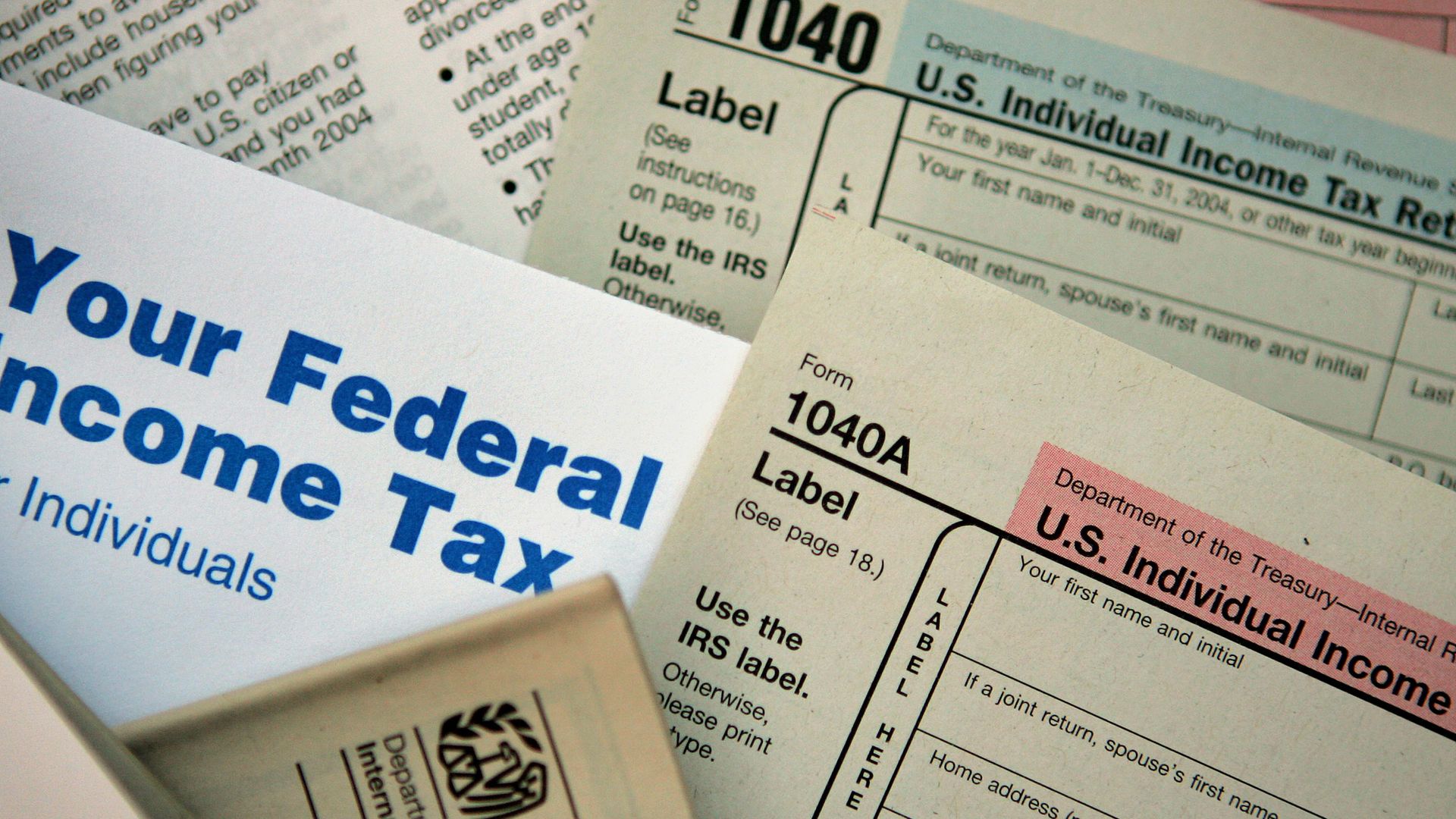
The Internal Revenue Service is seeking comment on a draft form for 2025, 1099-DA, to report "digital asset proceeds from broker transactions."
Why it matters: As tax treatment of these assets becomes more formalized, the industry moves out of the regulatory grey area, allowing more players in the financial industry to get involved.
Usually when bombs are dropping in the Middle East, the market reaction is predictable: Stocks and other risky assets sell off, bonds surge and oil rallies.
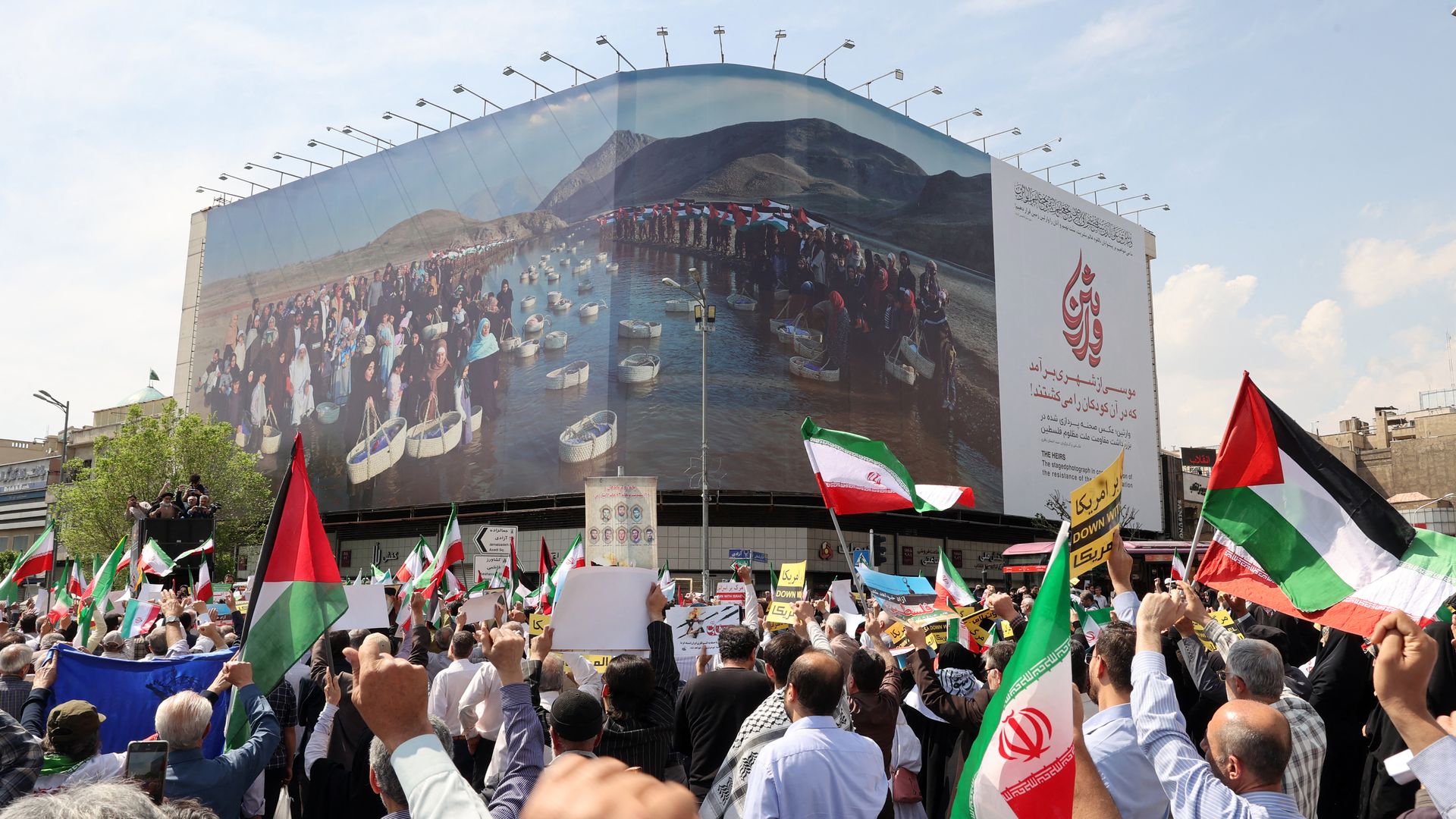
The big picture: Those effects haven't been completely absent from conflict between Israel and Iran, but they have been muted, as traders seem to assess that both sides are seeking to keep up guardrails and avoid full-scale war.
Ghana and Sri Lanka announced major setbacks this week in their yearslong efforts to restructure their national debts.
Why it matters: Debt restructurings are taking too long — and the international lending community, especially the global financiers who descended on Washington, D.C., this week for the International Monetary Fund and World Bank spring meetings, is under pressure to fix it.