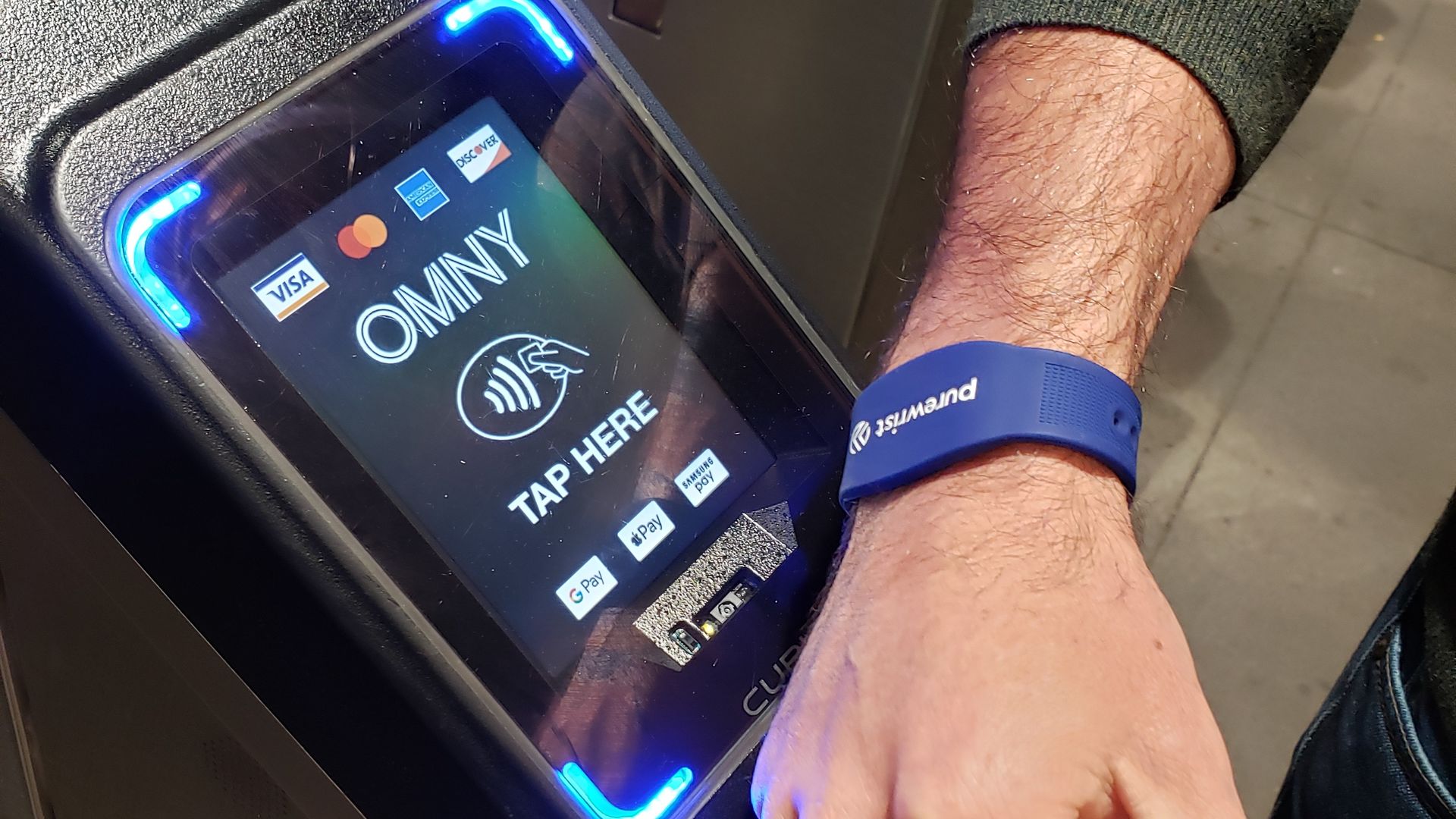
Bracelets, rings, key fobs and watches that double as credit or debit cards are enjoying a burst of popularity as COVID-wary consumers gravitate toward contactless payments.
Where it stands: While people have grown accustomed to waving their phones — or smart watches or Fitbits — in front of payment terminals, the next generation of wearables will likely be cheaper and/or more fashionable.
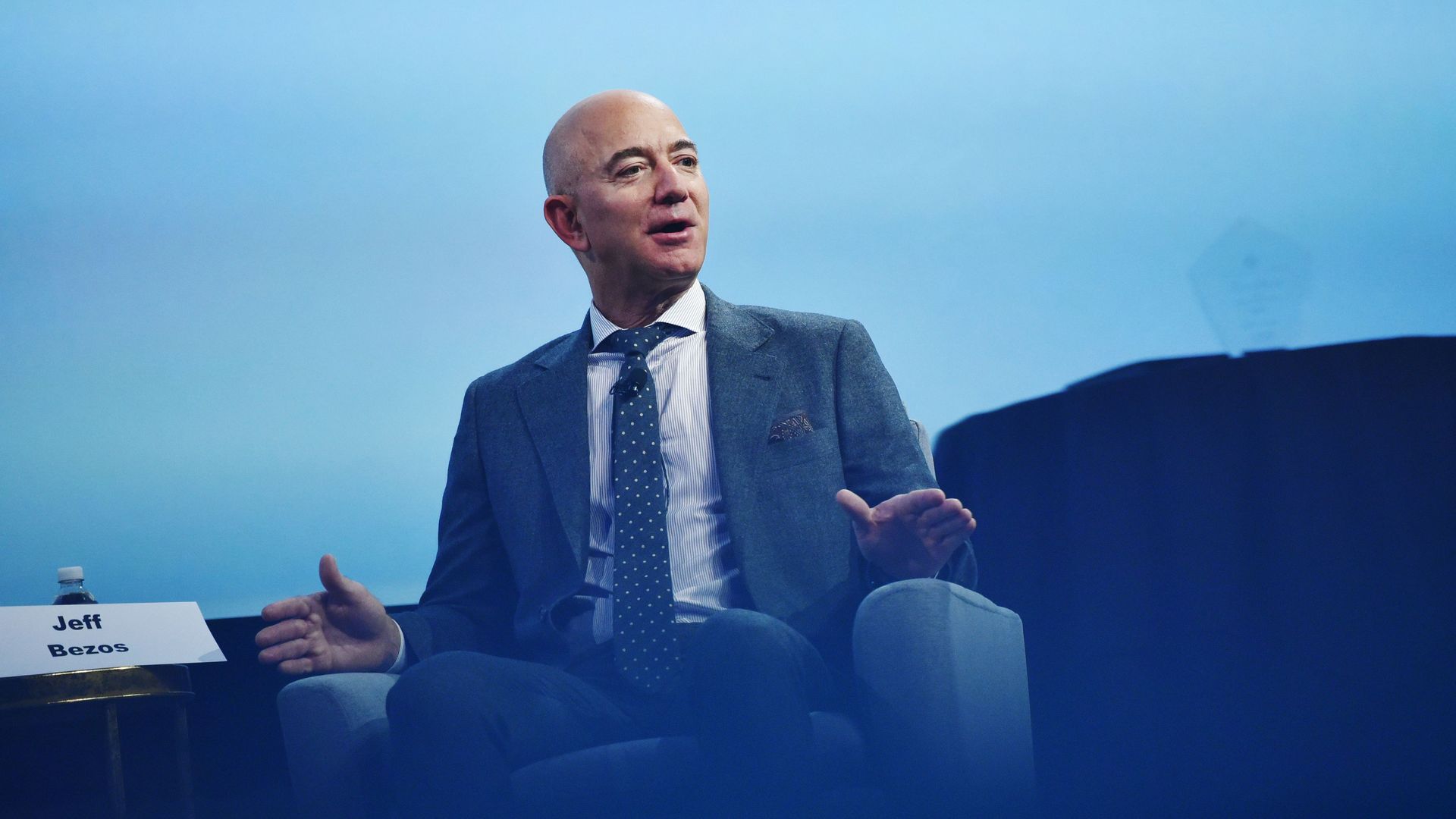
Amazon announced on Tuesday that founder Jeff Bezos will step down as CEO in the third quarter of this year and transition to executive chair of the company's board.
The big picture: Bezos will be replaced by Amazon Web Services chief Andy Jassy, who heads the booming cloud business division.
The House Financial Services Committee on Feb. 18 will hold a hearing titled “Game Stopped? Who Wins and Loses When Short Sellers, Social Media, and Retail Investors Collide." Among those expected to testify is Vlad Tenev, CEO of stock trading app Robinhood.
Axios Re:Cap speaks with Rep. Patrick McHenry (R-N.C.), the committee's ranking Republican, on what he hopes to learn and what legislation or regulation might follow.
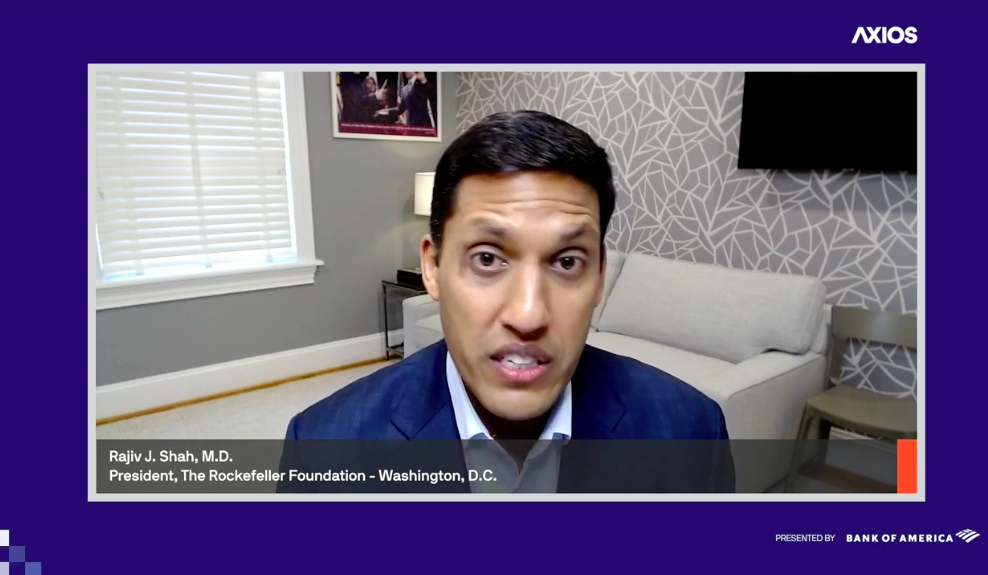
The COVID-19 pandemic is an "accelerant" of a divergence between the world's poor and its wealthy, Rockefeller Foundation President Rajiv Shah said at an Axios event Tuesday.
Why it matters: Shah said "history has shown we did not do enough" for the world's lower income communities coming out of the 2008 recession, "and we have experienced this tremendous divergence as a result."
Amazon on Tuesday unveiled new design details for its second headquarters, in Arlington, Virginia.
Details: The headquarters will include 2.8 million square feet of office space spread across three 22-story buildings. At the center will be "The Helix," a tree-covered office building that the company said "will feature two walkable paths of landscaped terrain that will spiral up the outside of the building."
Robinhood continues to come under pressure from power users and politicians, but its investors are doubling, tripling and maybe even quadrupling down.
Driving the news: The stock trading app yesterday announced $2.4 billion in new funding from existing backers, on top of the $1 billion it secured last Friday.
Bad actors are hijacking journalist names, photos and bylines to help give credibility to fake storylines or hoaxes on the internet.
Why it matters: Even when platforms try to police this type of content, memes and fake stories often still circulate indefinitely, making it hard for victims to fully recover from the hoax.
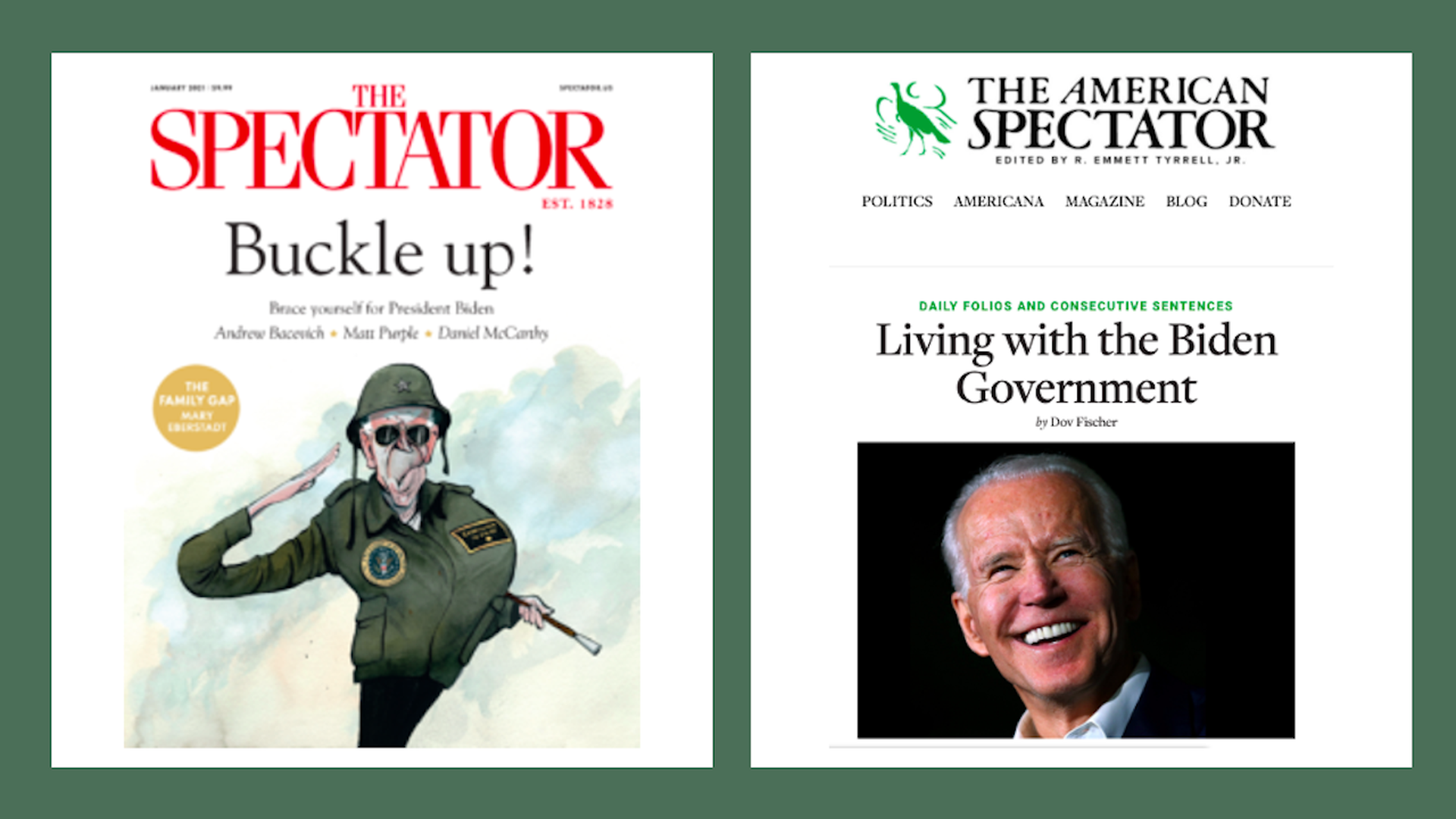
The U.S. version of the Spectator, the world’s oldest English-language magazine, is being sued by the American Spectator Foundation for trademark infringement around its name, sources tell Axios.
Why it matters: Until this lawsuit, sources say the two titles had an amicable relationship for the past four decades.
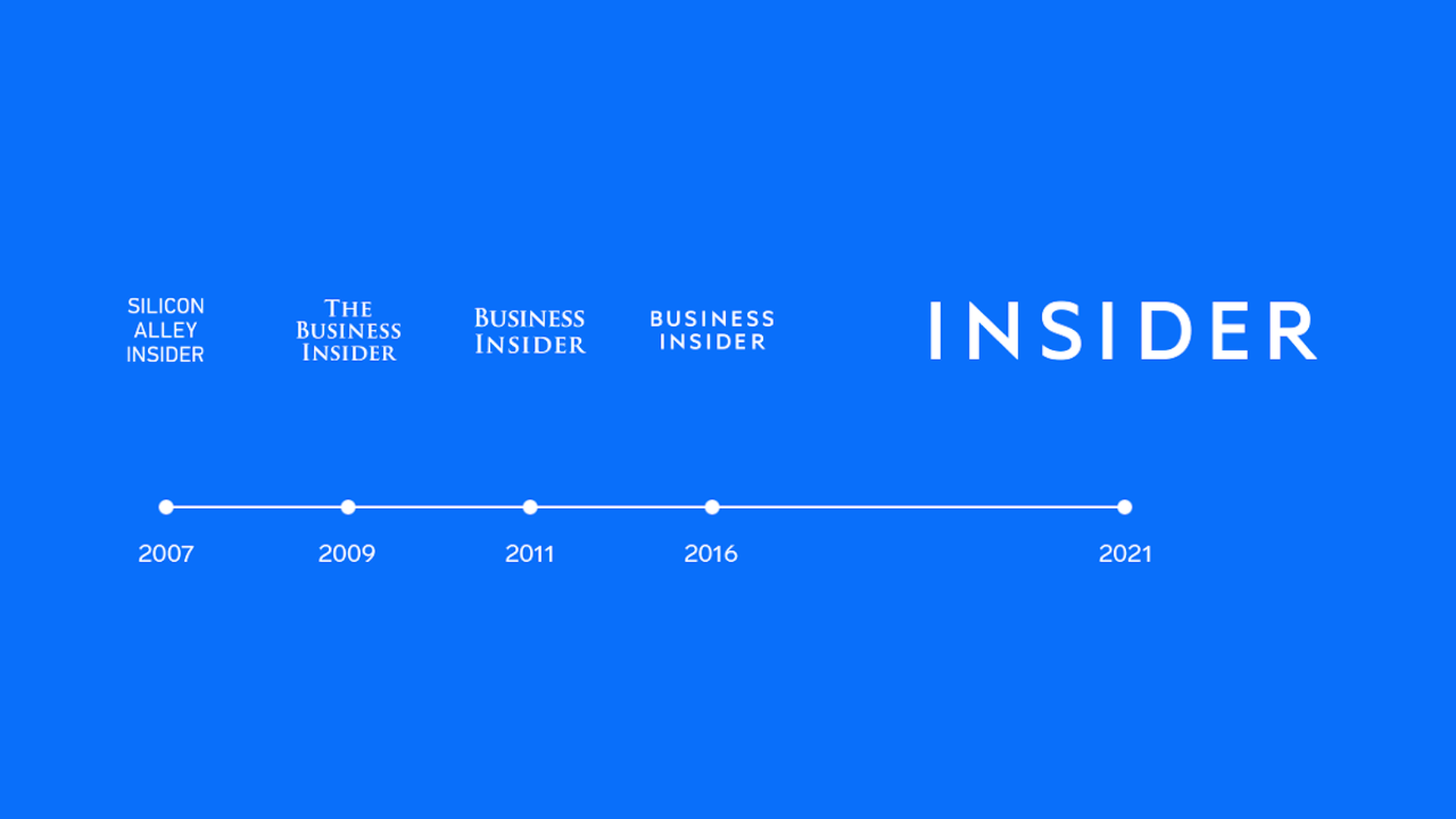
Beginning Tuesday, Business Insider's logo will no longer appear on Insider.com's website, the publication's CEO and founder Henry Blodget tells Axios.
Why it matters: The changes signal Blodget's ambition to grow the publication significantly to reach a broader population, and that includes investing in verticals outside of traditional business coverage, like politics, travel and lifestyle.
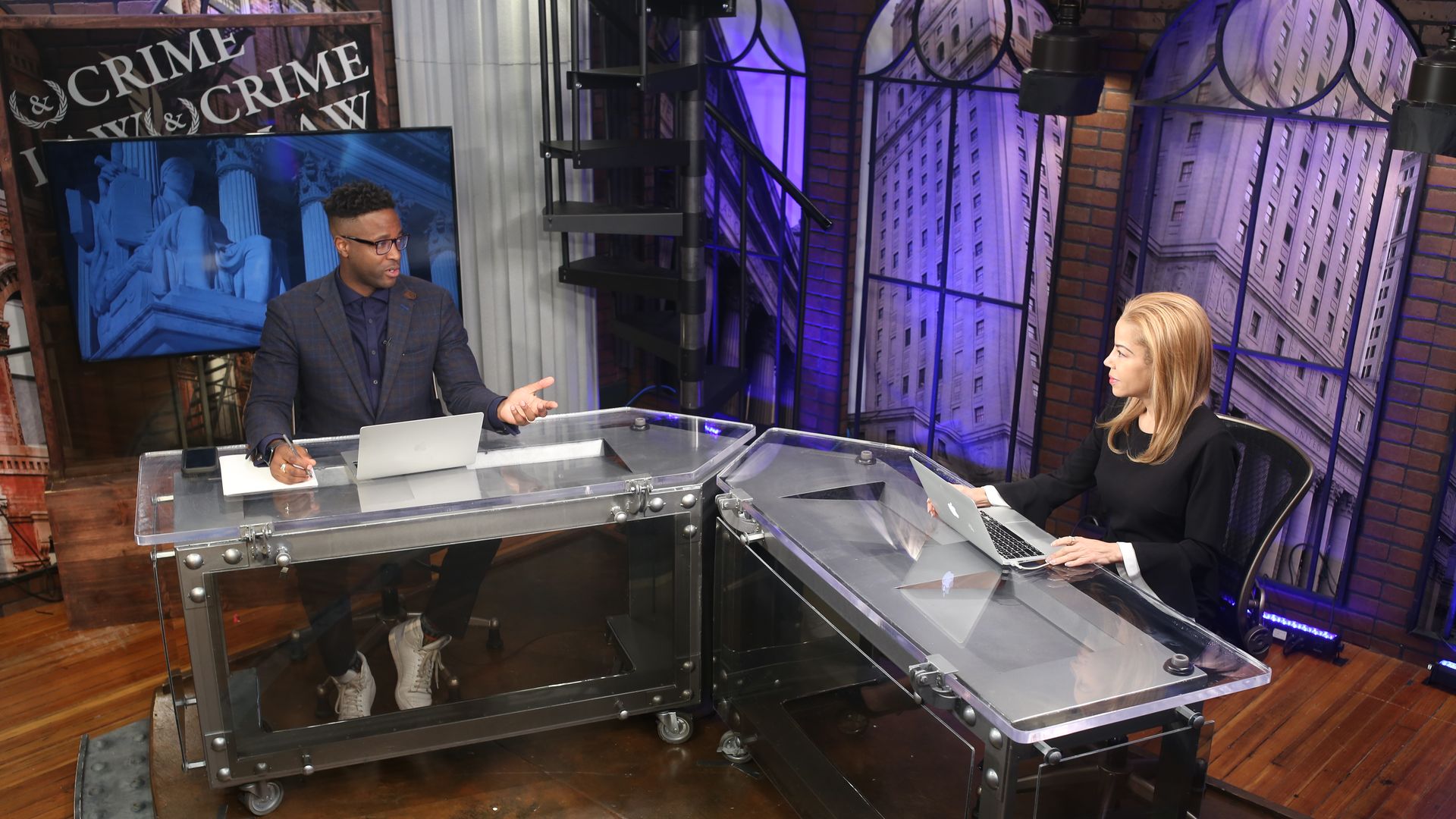
Law&Crime Network, the media company owned by entrepreneur Dan Abrams, brought in more than $13 million in revenue last year, up from less than $3 million in 2019. It was profitable for the first time in 2020.
Why it matters: The 55-person company, founded in 2017, is using its success last year to jumpstart its international expansion, Abrams tells Axios.
Integrated Media Company (IMC), the digital media investment arm of private equity giant TPG, has acquired the majority stake in StackCommerce, an e-commerce platform that connects publishers with brands to sell products through content.
Why it matters: "TPG is an investor in a lot of media companies," says Josh Payne, Founder and CEO of StackCommerce. "Those connections are incredibly valuable."
Exxon on Tuesday announced a roughly $20 billion dollar quarterly loss, signaling the latest challenges for the company that has now posted losses in the last four quarters.
Driving the news: The company's Q4 result stemmed from over $19 billion in write-downs on the value of its assets. But excluding the impairments, Exxon posted a small profit of 3 cents per share, and its stock ticked up slightly this morning.
Americans gave generously to charity in 2019 and even more generously in the first half of 2020, according to data from the National Philanthropic Trust (NPT) shared exclusively with Axios.
Why it matters: Data on giving from donor-advised funds, or DAFs, shows a 15.4% increase in total charitable donations in fiscal 2019, to $27.4 billion. In the first half of 2020, the pace of giving picked up further, with giving rising by 30% compared to a year previously.
Uber on Tuesday announced an agreement to buy Drizly, a Boston-based alcohol delivery startup, for $1.1 billion in cash and stock.
Why it matters: This could represent a strategic departure for Uber, in that Drizly doesn't hire delivery drivers itself. Instead, it provides the backend infrastructure for local liquor stores to provide their own delivery services.
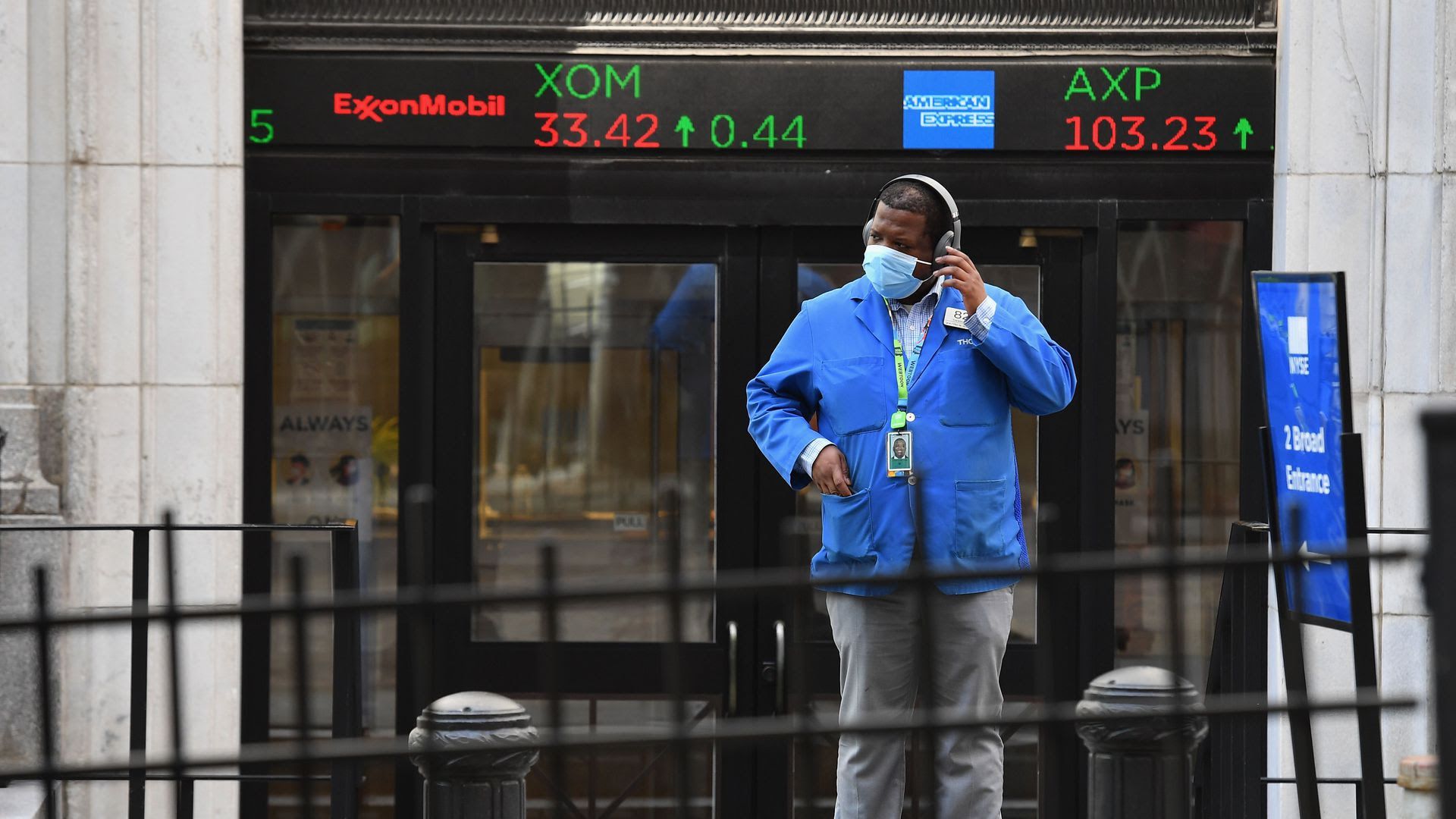
Stock indexes around the globe bounced back on Monday as traders bought the dip in equities following last week's market drubbing.
Why it matters: With hedge funds selling out of top tech names and volatility spiking, there had been worry that the market's bull run could be in danger. Monday's price action showed there is still a contingent of bullish traders willing to bargain hunt after stocks fall.
The number of new original scripted series finally declined last year, after growing steadily for the past decade to over 500 new shows in 2019.
Why it matters: Pandemic-related production delays forced many TV networks and streamers to rely more heavily on unscripted series, like reality shows and animation, as well as licensing shows from foreign networks for U.S. audiences.
The Reddit trading frenzy is bringing two middlemen of the financial system to the forefront.
Why it matters: The mania has exposed the inner-workings of the financial system — allowing trading platforms like Robinhood to shift some of the gaze toward at least one of these usually arcane players.
U.S. GDP will return to its pre-coronavirus level by mid-2021 — a quicker than expected recovery from the economy's pandemic free-fall,according to new projections by the Congressional Budget office.
Why it matters: The latest estimates from the nonpartisan office paint a rosier — though still not great — path for the U.S. economy.







/2021/02/02/1612251507788.gif?w=3840)