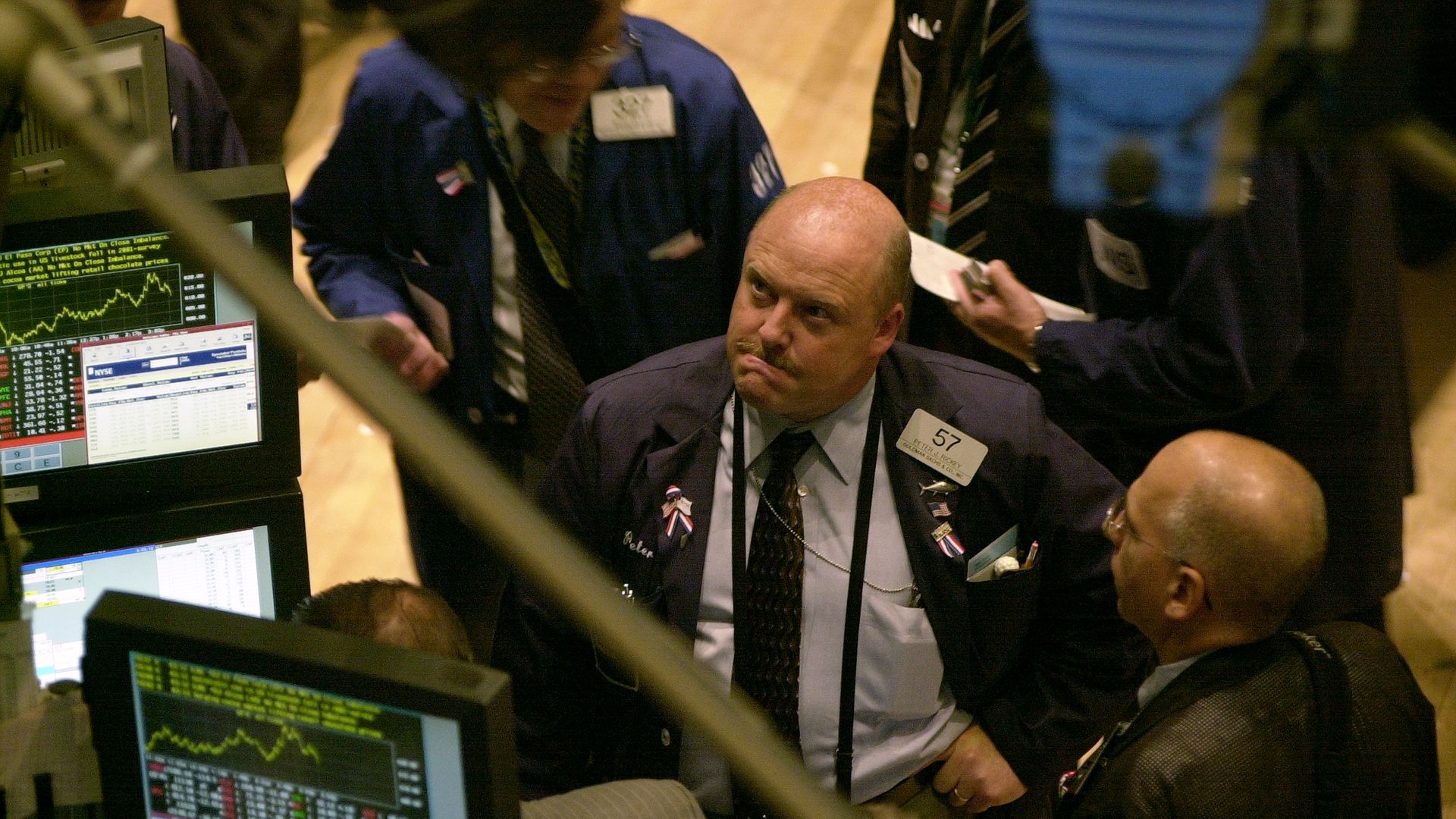
Stocks continued their sell-off on Thursday, with the Dow closing down 546 points. The S&P fell more than 2%, and the Nasdaq dropped over 1%, at one point even entering official "correction" territory.
The bottom line: Volatility was the story. Stocks turned positive early but then the Dow fell as much as 650 points before recovering some ground.
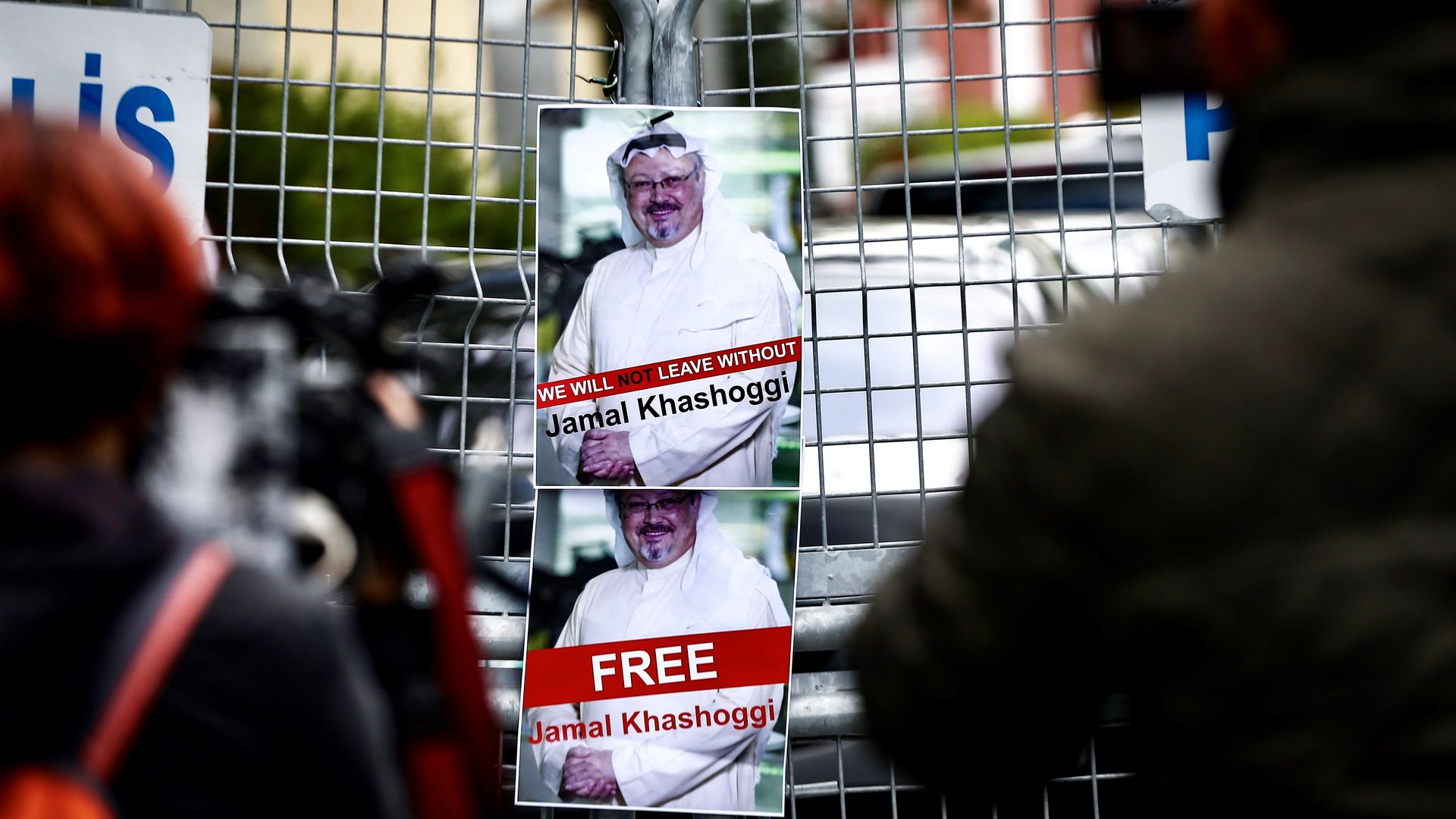
A slow drip of leaked intelligence from U.S. and Turkish officials has fueled a growing consensus that Jamal Khashoggi, a prominent Saudi journalist, was murdered inside the Saudi consulate in Istanbul. Sen. Bob Corker, chairman of the Foreign Relations Committee, told CNN today: “My instincts say there's no question the Saudi government did this."
Why it matters: If the reports are correct, Khashoggi's murder could spark a full-blown diplomatic crisis that pits the U.S. against an ally the Trump administration has made "the fulcrum of [its] Middle East policy," per the NY Times. Saudi Crown Prince Mohammed bin Salman (MBS), who has carried out a massive global PR push and built a close relationship with Jared Kushner, is likely to face unprecedented backlash from the international community if he’s unable to provide answers.
Stocks rose slightly on Thursday morning following the stock market's worst day since February that saw the Dow drop 832 points.
Context: Early pre-market trading pointed to continued steep declines, but the markets recovered significantly after lower-than-expected inflation data.
The race to own the future of TV is intensifying, with mobile and streaming video companies looking to build or expand video services that will launch by next year.
Why it matters: There’s billions of dollars at stake for whichever company can win the attention of younger generations, who are abandoning traditional TV in droves. The scramble is so urgent that five of the new initiatives in this space were announced within hours of each other Wednesday.
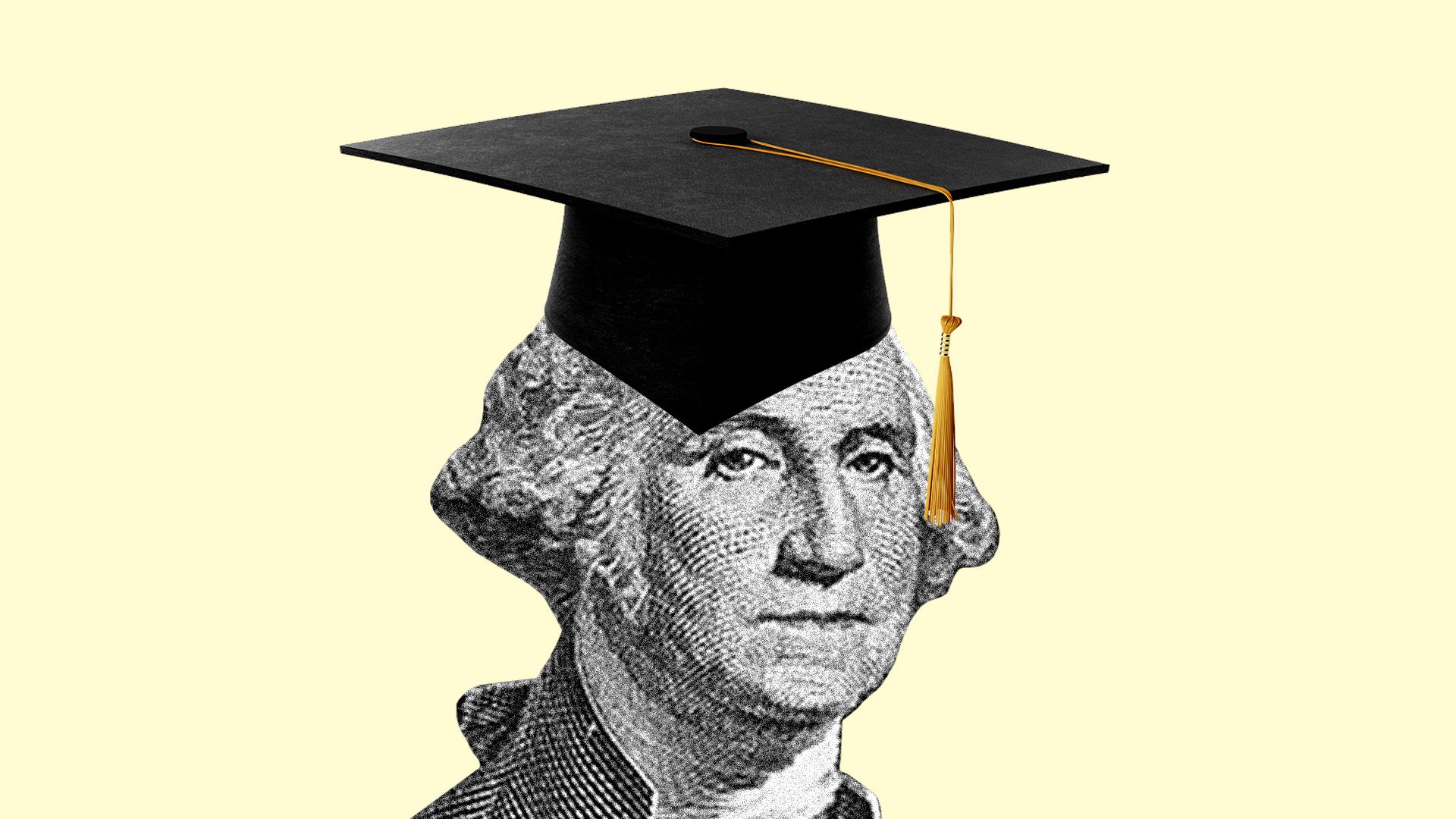
When the 401(k) was born 40 years ago, it changed the way Americans left the workforce. Now, some companies are trying to change how we enter it.
Why it matters: Student debt is stopping a huge swath of Americans from entering the middle class, buying homes and starting families. To chip away at the problem, employers are starting to debut assistance programs that experts say could become as ubiquitous as 401(k)s or health care.
AT&T will launch a new direct-to-consumer streaming service in late 2019 that will offer a collection of "WarnerMedia" (formerly Time Warner) content, the company wrote in a regulatory filing Wednesday.
Why it matters: The product will help AT&T accrue more customers while also capturing more of their current Pay-TV and skinny bundle customers' time, attention and dollars.
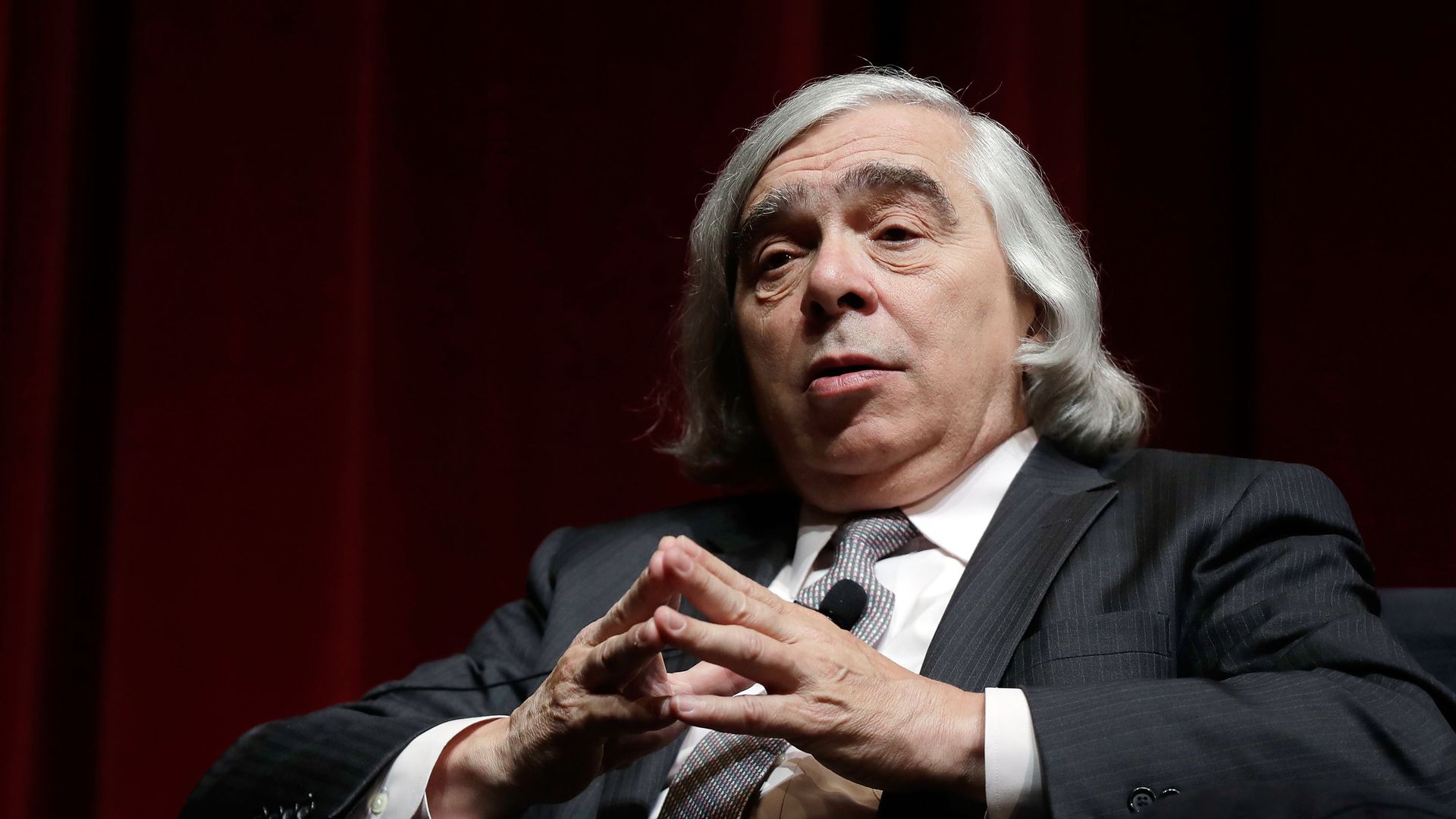
Ernest Moniz, former energy secretary for President Barack Obama, is suspending his involvement advising Saudi Arabia on a proposed city mega-project until more information is made available regarding the disappearance — and possible assassination — of Saudi journalist Jamal Khashoggi.
Why it matters: Moniz’s move shows how geopolitical disputes, and in this case a potentially tragic one, can have spillover effects into wholly unrelated issues like business and energy.
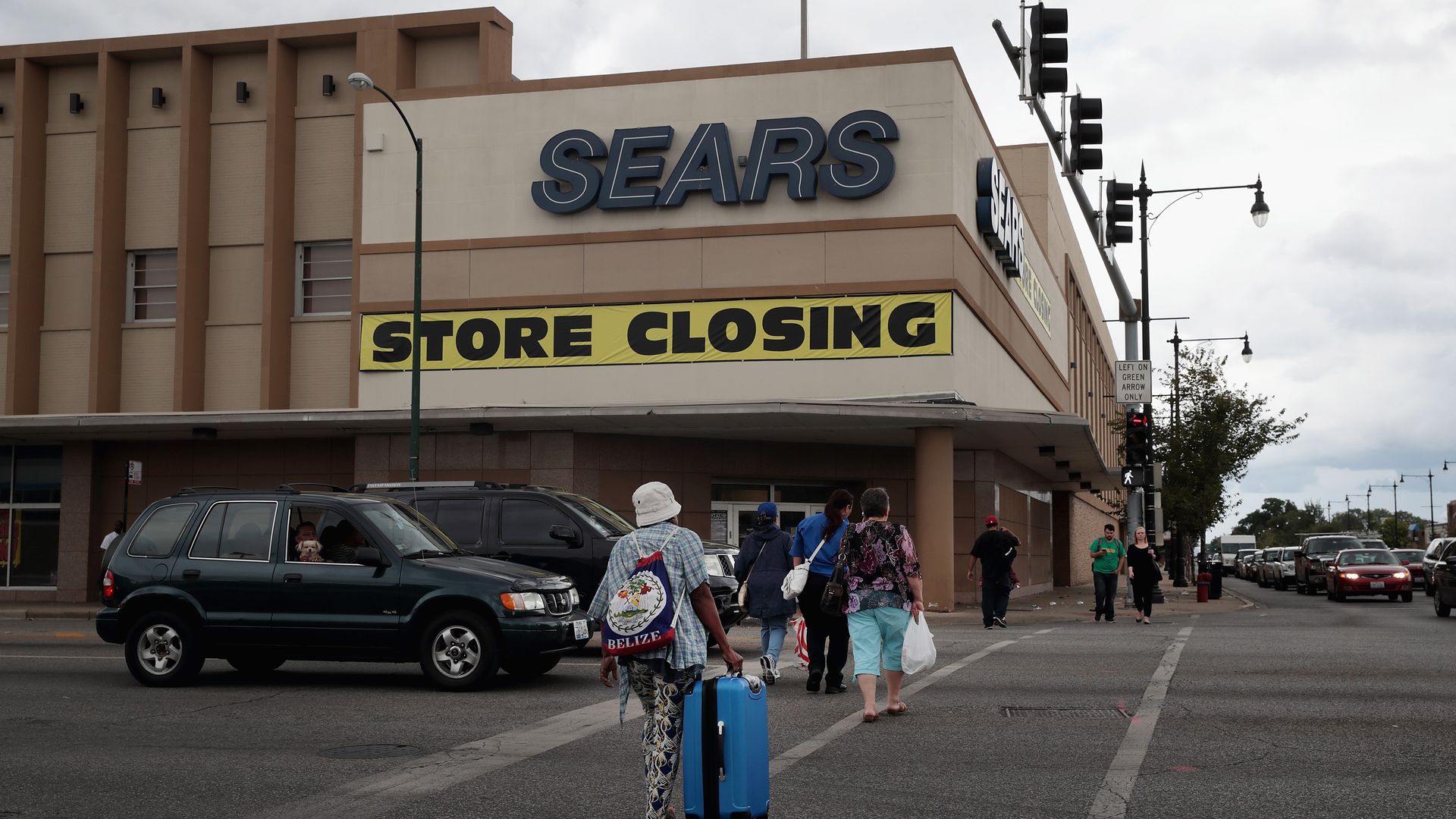
Sears Holdings (Nasdaq: SHLD) is preparing for a possible bankruptcy filing that could come as soon as this week, ahead of a $134 million debt payment due Monday, according to WSJ. The company also yesterday added restructuring expert Alan Carr to its board of directors.
Why it matters: Sears was to the last century of American retail what Amazon has become to this century — Trailblazing, ubiquitous and iconic.