For several years, dogs have been among the biggest stars on Instagram, with hundreds of thousands of followers and enormous advertising deals. The reason? Many Instagram users trust dogs more than human models.
Why it matters: In an age where brands and platforms are radically rethinking how ads are produced and delivered to consumers, "animal influencers," as the ad industry calls them, produce sponsored content that people actually choose to follow and engage with. “People are going to get ads — whether it's banner ads, whether it's influencer ads," Loni Edwards, founder of The Dog Agency, tells Axios. "But they want to see them in a way that's going to make them smile."
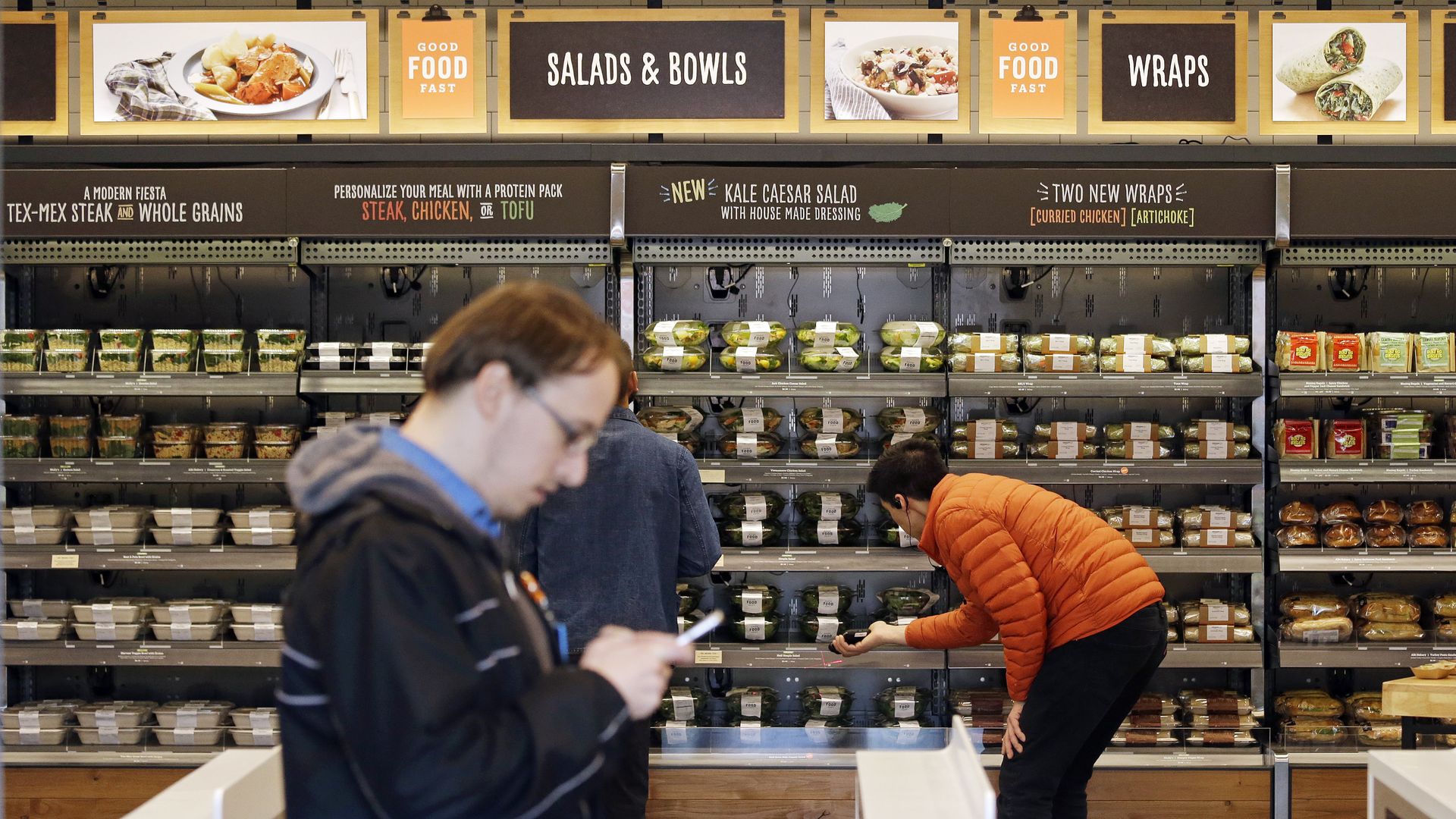
Amazon has introduced high-profile experiments in offline retail in recent quarters, like the cashier-less Amazon Go, or its new brick-and-mortar book stores, but Fortune reports that Alibaba is "further along the online-to-off-line curve than its U.S. doppelgänger."
China's retail sector was in its infancy by the time e-commerce was introduced to the country during the 2000s, and consumers and retailers latched on to tools like Alibaba's online marketplace rather than waiting for or investing in an efficient network of stores.
Holiday shoppers are increasingly using their smartphones to get instant price comparisons to find the best deals, but the feature is making it more difficult for the Federal Reserve to manipulate interest rates, reports the WSJ.
Why it matters: The rise of consumer knowledge and price-checking is muddying the Fed's clarity on how much and how fast to implement interest rate hikes, as it restricts retailers' ability to charge different prices online and in stores. The result is bogged down inflation in advanced economies, like the U.S. and China.