The U.S. ranks behind 19 other countries in providing women with chances of equal treatment at work, according to The Economist’s 2022 glass-ceiling index (GCI).
The GCI, which ranks countries within the Organisation for Economic Co-operation and Development (OECD), combines data on higher education, labor-force participation, pay, child care costs, maternity and paternity rights, business school applications and representation in senior jobs.
The U.S. fell by two places to the 20th spot, with decreases in both the proportion of women in the workforce and female GMAT-exam entrants.
It is still an outlier for providing no federally mandated parental leave, The Economist noted.
Gas prices are soaring toward an all-time high, but drivers are shrugging it off — at least for now.
Why it matters: Energy prices were already a significant factor in the 40-year inflation high — and further increases will eat away at the wage gains workers have made during the pandemic.
Reports that the U.S. could cut off Russian imports is among the factors fueling increased prices.
Yes, but: Demand for gasoline increased in the last two full weeks of February, the most recently available data, according to the Energy Information Administration.
Demand was 7% higher in the week ending Feb. 25 than the comparable period a year earlier, when the average gallon was below $2.70.
Americans are fed up with being cooped up during the pandemic, and they’re eager to hit the road for vacation in 2022.
“The effects of a two-year pandemic are finally fading,” JPMorgan Funds chief global strategist David Kelly wrote Monday. “This is unleashing huge pent-up demand for travel, entertainment and leisure services.”
Worth noting: $4 a gallon gas isn't what it used to be. The nation’s record of $4.11 in July 2008 would've translated into a price of $5.25 in January 2022 when accounting for inflation.
Keep in mind: Low-income folks are harder hit by the increased price of fuel, as it represents a bigger slice of their budget.
The big question: How high can prices go before Americans change their behavior?
GasBuddy petroleum analyst Patrick De Haan projected that a $4.50-per-gallon average is possible in the near future.
Jay Hatfield, CEO of investment manager Infrastructure Capital Advisors (ICAP), projected the country would hit a record of $4.70 later this year.
The bottom line: The upward pressure on gas prices is colliding with Americans’ desire to live life — and for now the latter factor is winning out.
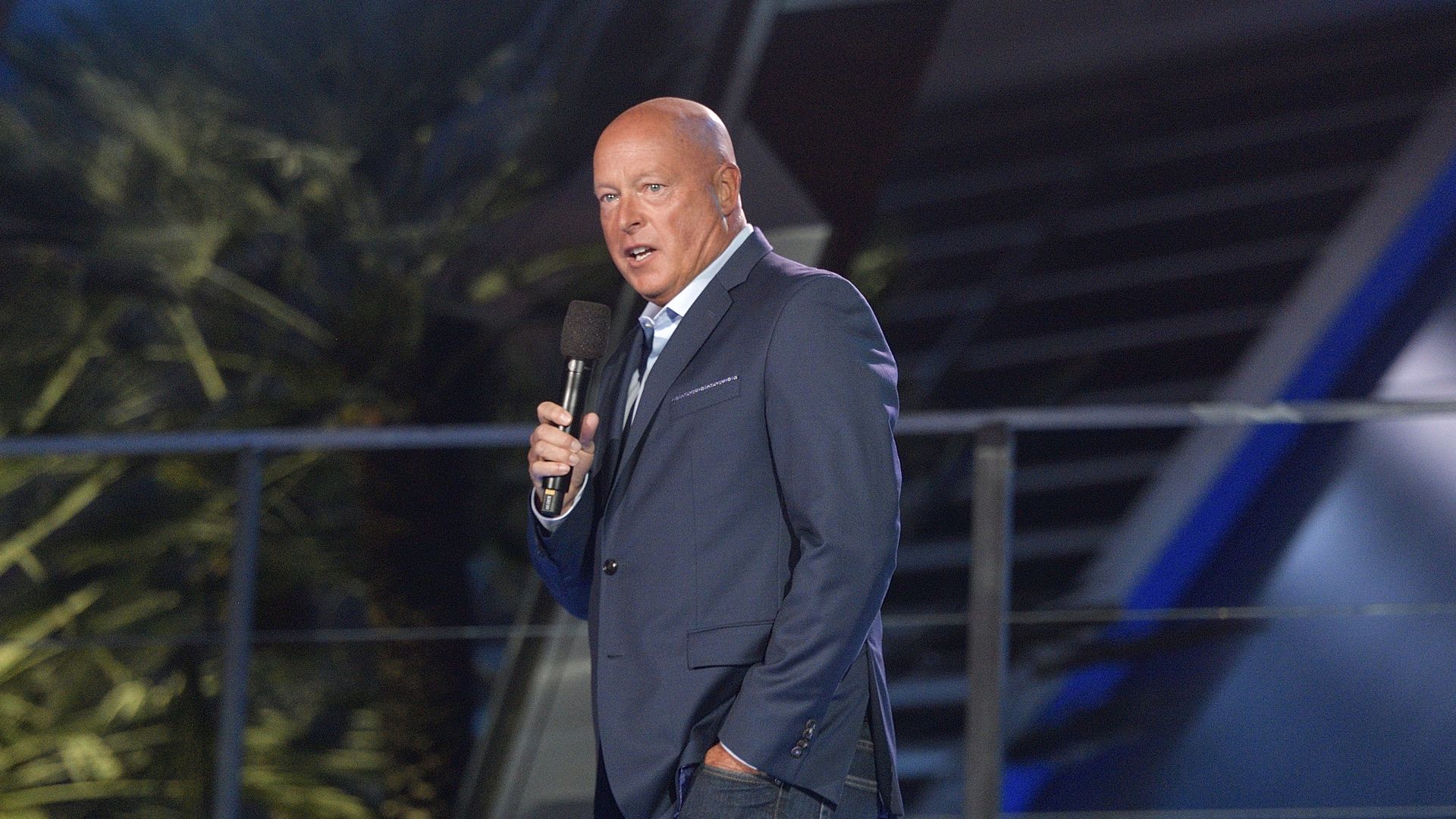
Why it matters: Disney has faced backlash for remaining mum on the controversial bill, which would bar educators from speaking with students about LGBTQ+ topics that are not considered "age-appropriate or developmentally appropriate" among other things.
A new fund is coming to town. Nichole Wischoff, who spent the last five years working at companies like Blend and Built Technologies, is raising a $50 million solo fund to invest in fintech startups, she tells Axios Pro.
Why it matters: The number of solo capitalists is on the rise, as we've written before. But a huge gender imbalance remains, particularly in fintech.
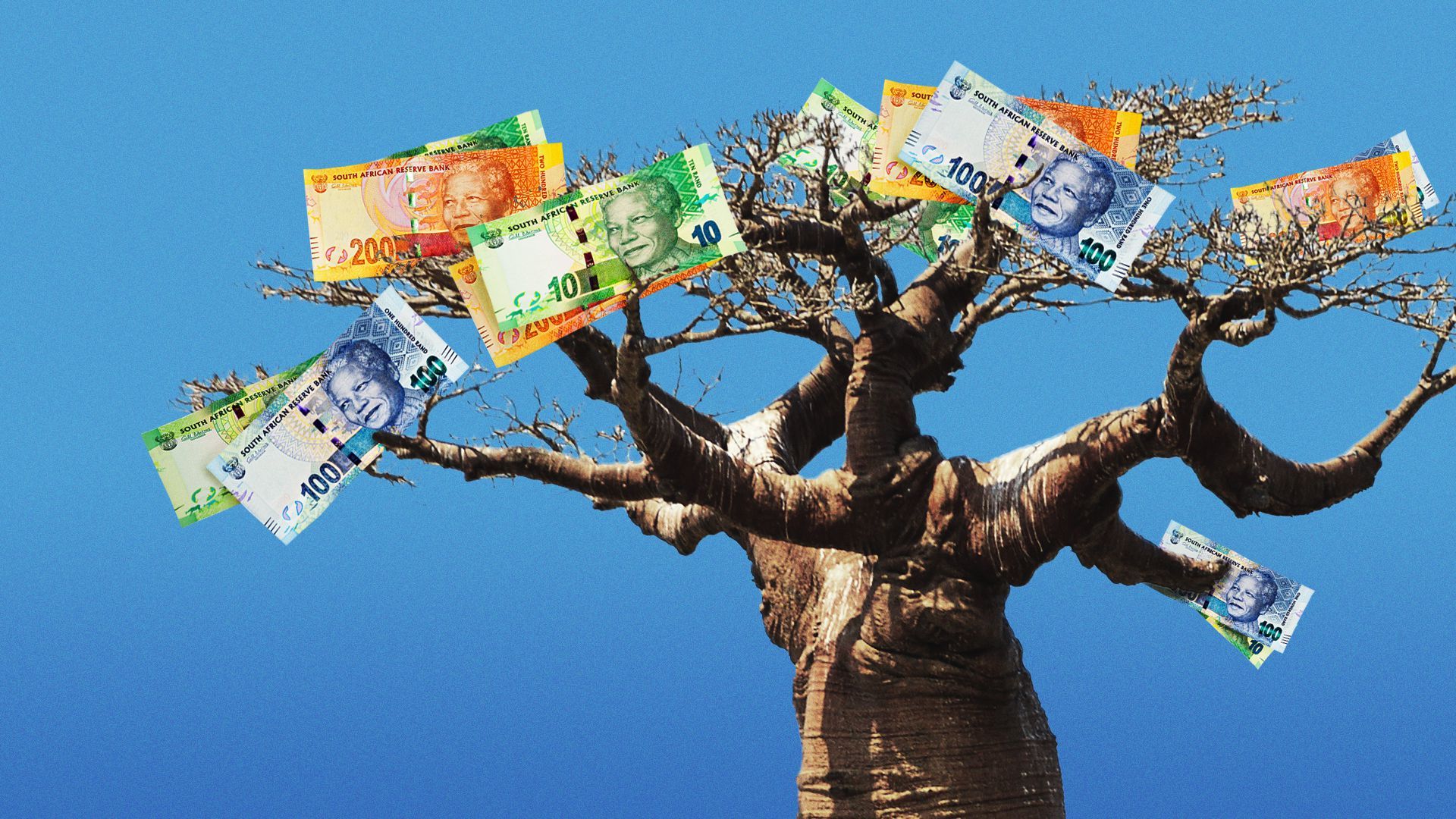
Yoco, a South Africa-based fintech helping small businesses take card and mobile payments, is in talks to raise about $150 million in funding, sources tell Axios.
Why it matters: Yoco's funding plans come amid a flurry of African mega-rounds as investors bet that the developing economy is ripe for growth across the fintech sector.
MoviePass, one of media's biggest flameouts, is plotting a reboot this summer led by original co-founder Stacy Spikes, who tells Axiosthat MoviePass can lead theaters' rejuvenation.
Why it matters: The theater industry is still reeling from the pandemic. COVID hammered studios' and theaters' bottom lines, and it also changed movie distribution, as many consumers adapted to streaming new releases at home.
RC Ventures, the investment firm of Chewy co-founder and GameStop chair Ryan Cohen, acquired a 9.8% stake in Bed Bath & Beyond (Nasdaq: BBBY) and asked the retailer to explore strategic alternatives, including a spinoff of its baby brand.
Why it matters: This feels like the irresistible force meeting the immovable object. Cohen's first-time activism with GameStop helped fuel its Reddit rally, while BBBY in 2019 held off an activist trio (it got some board seats, but not as many as it wanted).
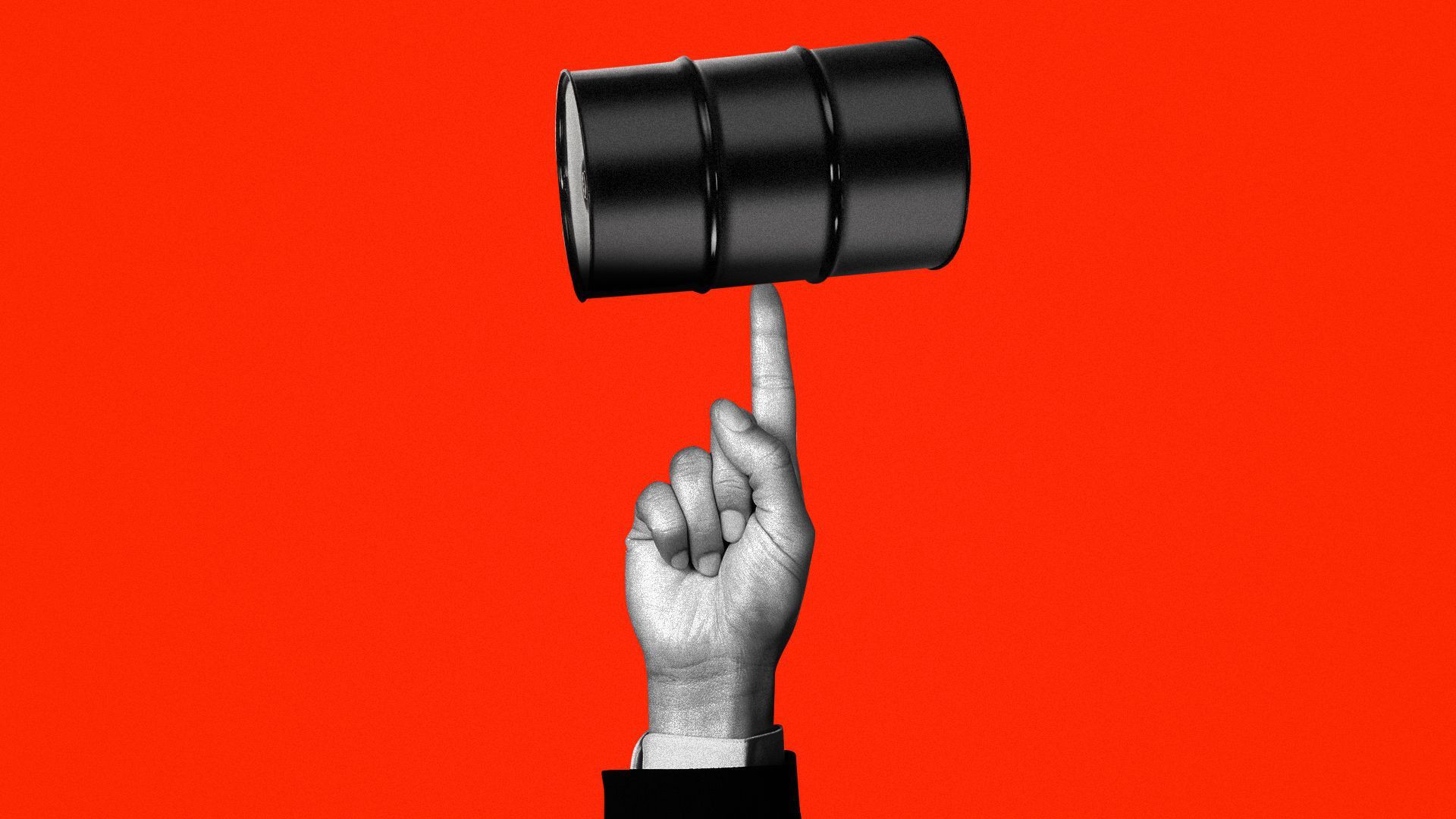
Oil prices shot to 14-year highs as the U.S. and other nations weigh direct bans or limits on crude oil imports from Russia.
Why it matters: The latest price surge shows how Russia's invasion of Ukraine and the response to it is rattling what are already tight energy markets.
Economic forecasters are starting to plug the effects of the Ukraine war into their models. It doesn't look good, especially for Europe.
Why it matters: Much of the world is set to experience weaker growth and higher inflation than seemed likely mere weeks ago. And that's assuming some of the more dire possibilities that further escalation of the conflict could bring don't materialize.
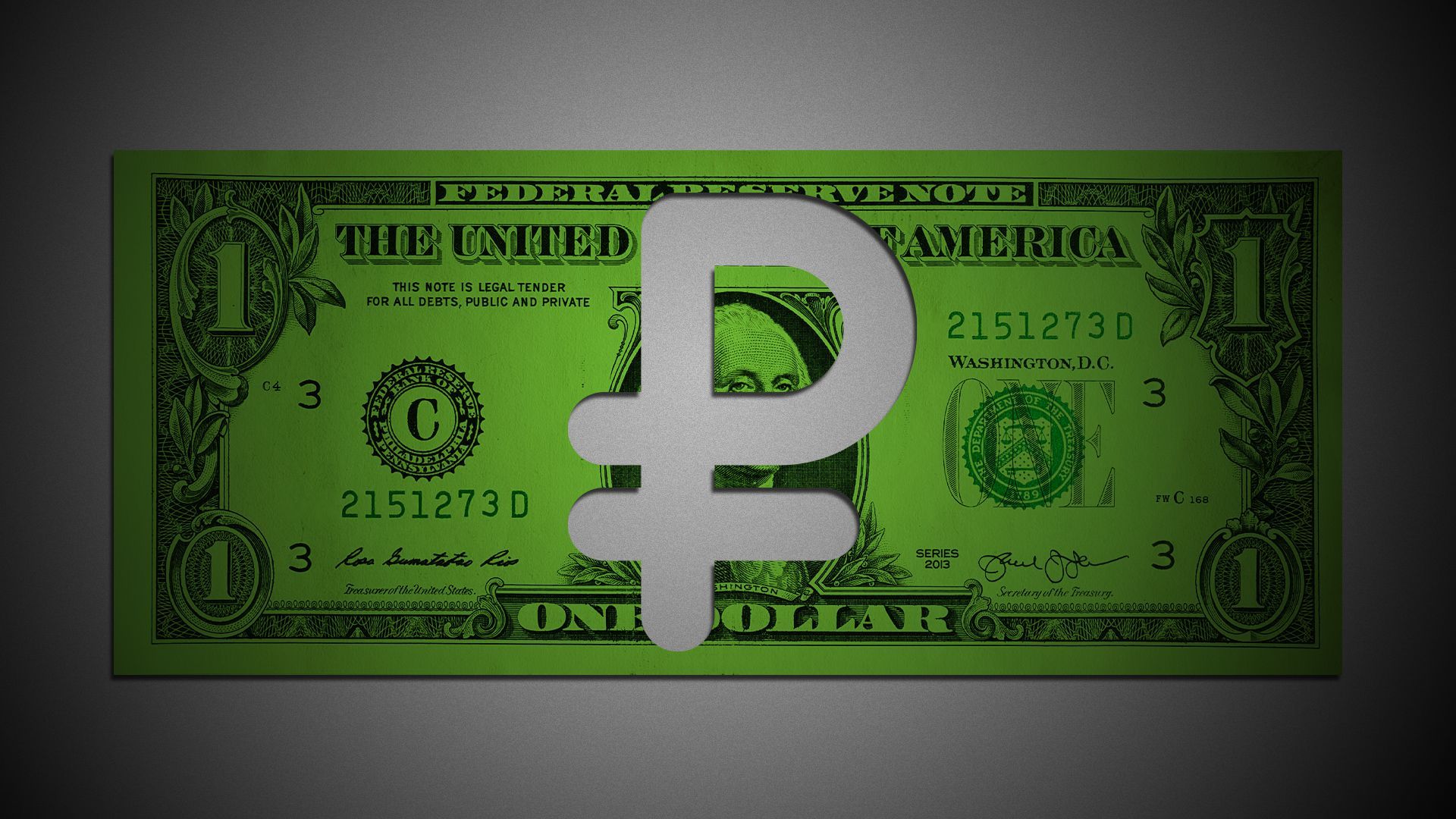
One of the next big questions looming over the economic war against Russia is what will happen to its sovereign bonds. The Russian government has borrowed about $49 billion in the form of dollar- and euro-denominated bonds, and owes a series of interest payments to bondholders in the coming months.
Why it matters: If Russia defaults on its debt, it will play out differently than sovereign defaults of the past — and investors are watching for signs that it could ripple out into a broader market dislocation, as Russia's 1998 ruble debt default did.