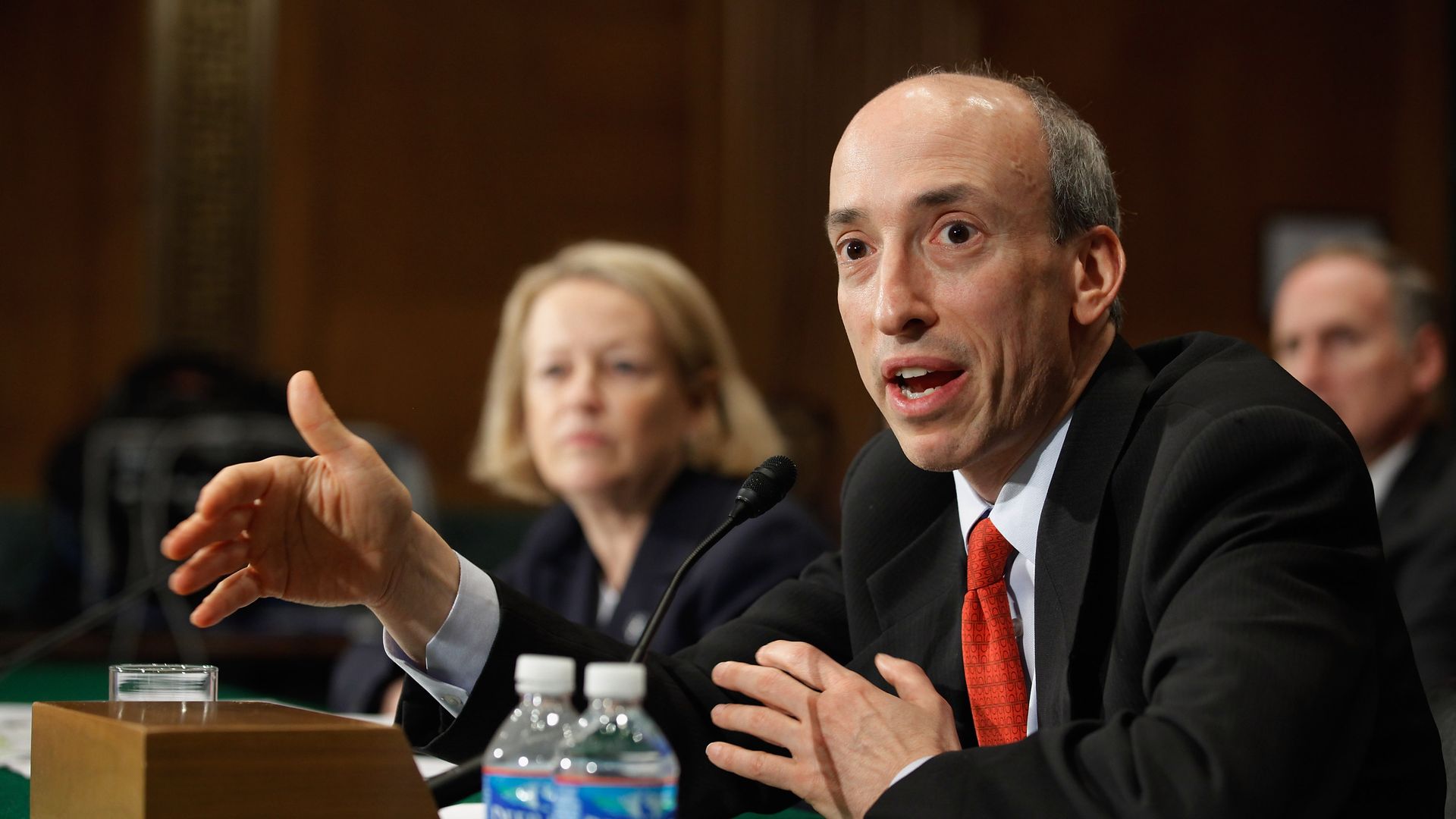
Gary Gensler’s nomination to head the U.S. Securities and Exchange is welcome news for the cryptocurrency industry given his ongoing and deep interest in the technology.
Why it matters: Although the SEC has conveyed some of its views via enforcement actions and the like under Trump-era chair Jay Clayton, the industry has been yearning for even more regulatory clarity.
Netflix said that it added another 8.5 million global subscribers last quarter, bringing its total number of paid subscribers globally to more than 200 million.
The big picture: Positive fourth-quarter results show Netflix's resiliency, despite increased competition and pandemic-related production headwinds.
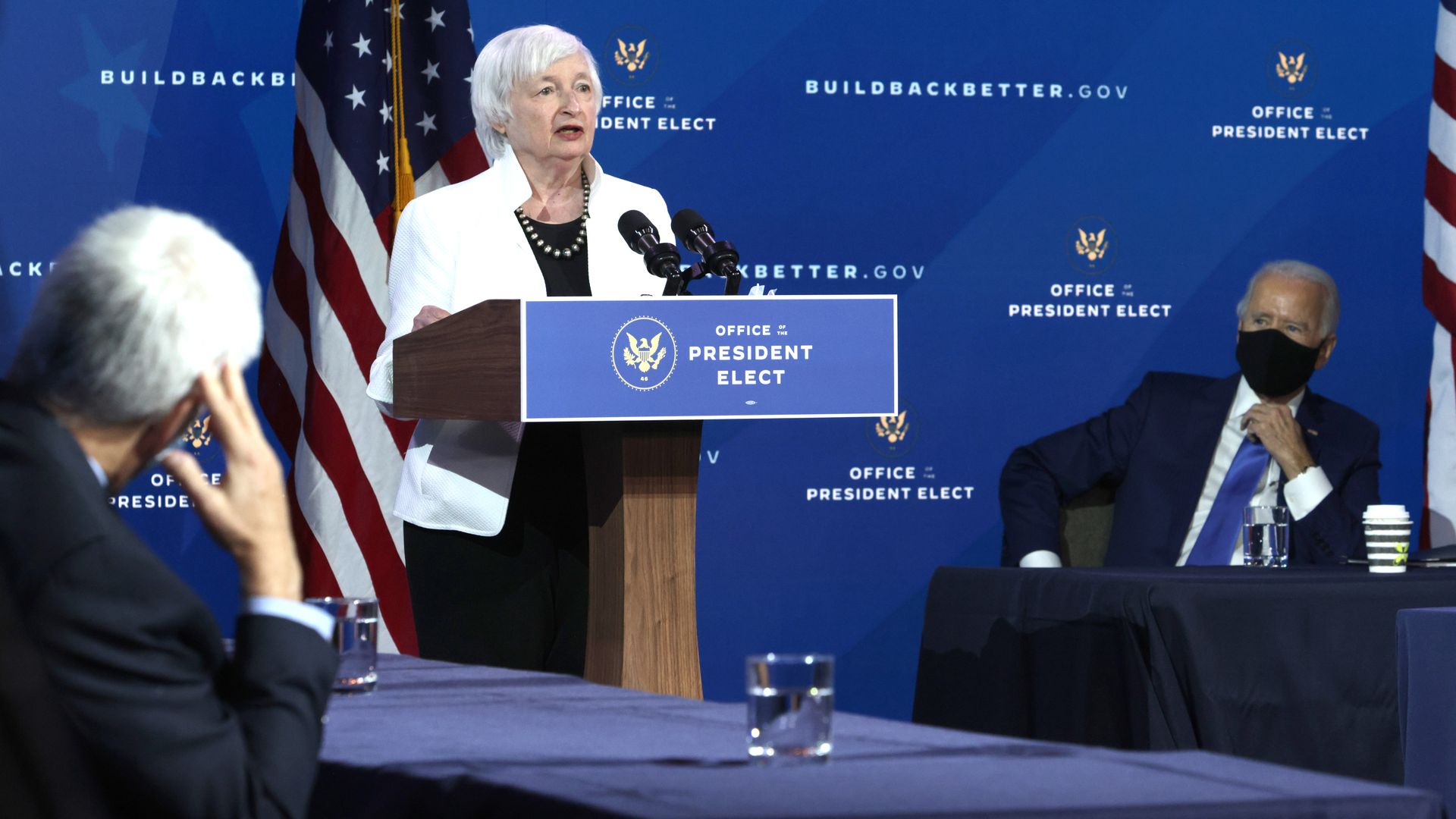
Janet Yellen, Biden's pick to lead the Treasury Department, pushed back against two key concerns from Republican senators at her confirmation hearing on Tuesday: the country's debt and the incoming administration's plans to eventually raise taxes.
Driving the news: Yellen — who's expected to win confirmation — said spending big now will prevent the U.S. from having to dig out of a deeper hole later. She also said the Biden administration's priority right now is coronavirus relief, not raising taxes.
A survey of C-suite executives found more than a quarter are considering moving their operations to another state or country.
Why it matters: The forced march to remote work during the pandemic has shaken loose the bonds that tie large businesses to their home territory — and that could be bad news for high-cost cities and states.
Donald Trump has one day left in the White House. TikTok has a lot longer left in the app stores, despite still being owned by China's ByteDance.
Why it matters: Trump's failure to force divestiture or eviction was more than just a blunder, or source of schadenfreude for the TikTok users who bedeviled his reelection campaign's event planners. It was part of a "talk loudly and carry a small stick" economic policy toward China that Joe Biden will inherit.
Electric vehicle startup Rivian has raised another $2.65 billion as it builds momentum toward this year's launch of its first pickup truck, SUV and Amazon delivery vehicles.
Why it matters: Rivian continues to attract big money from private investors, even as other startups take advantage of Wall Street enthusiasm for EVs by going public through a series of mergers with special purpose acquisition companies.
The pandemic has been a boon for the book industry, but specifically, it's helped to revive the ebook industry, and push the audiobook industry to new heights.
The big picture: eBooks, according to data from The Association of American Publishers, had been declining since 2014. But for the first ten months of 2020, eBooks were up 16.5% compared to the 10 months of the prior year, bringing in nearly $1 billion.
More Freedom of Information Act (FOIA) requests were filed during the past four years than at any time in American history, per the FOIA Project, a non-profit project that gathers comprehensive information on federal FOIA decisions.
By the numbers: During the Trump administration, the media filed a total of 386 FOIA cases. That's more than all of the FOIA cases filed by the media during the 16 years of the Bush and Obama administrations combined.
The Daily Wire, a conservative media brand known for its prolific Facebook presence and popular podcast "The Ben Shapiro show," is moving into entertainment, its CEO and co-founder Jeremy Boreing tells Axios.
Why it matters: The company, which is profitable and grossed $65 million in revenue last year, wants to differentiate itself from other conservative subscription media brands by focusing mostly on entertainment, rather than political commentary.
Forbes is launching a newsletter platform that will allow journalists to launch their own paid newsletters and split the revenue with the 103-year-old publisher, executives tell Axios.
The big picture: Forbes will hire 20-30 writers with big followings to help get the platform up and running. It later plans to add some of its existing editorial verticals to the platform and make the offering available to its 2,800-person contributor network.
Microsoft is joining GM, Honda and others in a $2 billion investment round in Cruise to help commercialize its self-driving cars. The deal bumps Cruise's valuation to $30 billion, from $19 billion last year.
Why it matters: The investment is part of a broader commitment by GM and Cruise to use Microsoft's Azure cloud-computing platform across their companies, especially as they roll out increasingly complex vehicles that rely on digital technologies.
The New York Fed's index of real-time data indicators shows the reversal of the economy's progress in late December and early January, but it moved upwards again last week.
Driving the news: Central bankers said the index's rise for the week of Jan. 9 was due to increases in tax withholding, fuel sales and rail traffic, which countered disappointing numbers for initial unemployment insurance claims and a decrease in electricity output.
More than a million people filed for traditional unemployment benefits last week for the first time since July, further highlighting the impact the resurgence of the coronavirus pandemic is having on the U.S. economy.
By the numbers: Including those who filed for benefits under the Pandemic Unemployment Assistance program, more than 1.4 million Americans filed claims last week, an increase of more than 231,000 filing traditional claims and more than 123,000 filing for PUA support from the previous week, according to the unadjusted data.
President-elect Joe Biden's $1.9 trillion stimulus proposal has economists and bullish market analysts revising their U.S. growth expectations higher, predicting a reflation of the economy in 2021 and possibly more booming returns for risk assets.
Yes, but: Others are warning that what's expected to be reflation could actually show up as inflation, a much less welcome phenomenon.











/2021/01/19/1611017080184.gif?w=3840)