When a CEO is forced out of a company, a lot of people hope and expect big changes. Much like Inigo Montoya in "The Princess Bride," those people are going to have to get used to disappointment.
Why it matters: It's big news when names like Dennis Muilenburg of Boeing and Travis Kalanick of Uber are forced out of their jobs. But that doesn't mean the company is going to change. The reality is that corporate cultures change slowly if at all.
The manufacturing industry in the Midwest continued to contract in December, but did exceed expectations and deliver the best reading in four months.
Why it matters: The Chicago PMI, which tracks manufacturing companies based in the Chicago region, continues to rebound from October's abysmal report that showed the weakest number in four years and the second lowest in a decade.
U-Haul will not hire people who use nicotine products in 21 states beginning Feb. 1 in an attempt "to establish one of the healthiest corporate cultures in the U.S. and Canada," the company announced Monday in a statement.
Why it matters: The ACLU considers anti-nicotine hiring policies "discriminatory" and a violation of worker privacy, but smokers are not a protected class under federal anti-discrimination laws, which allow states to create their own laws on smoker bans.
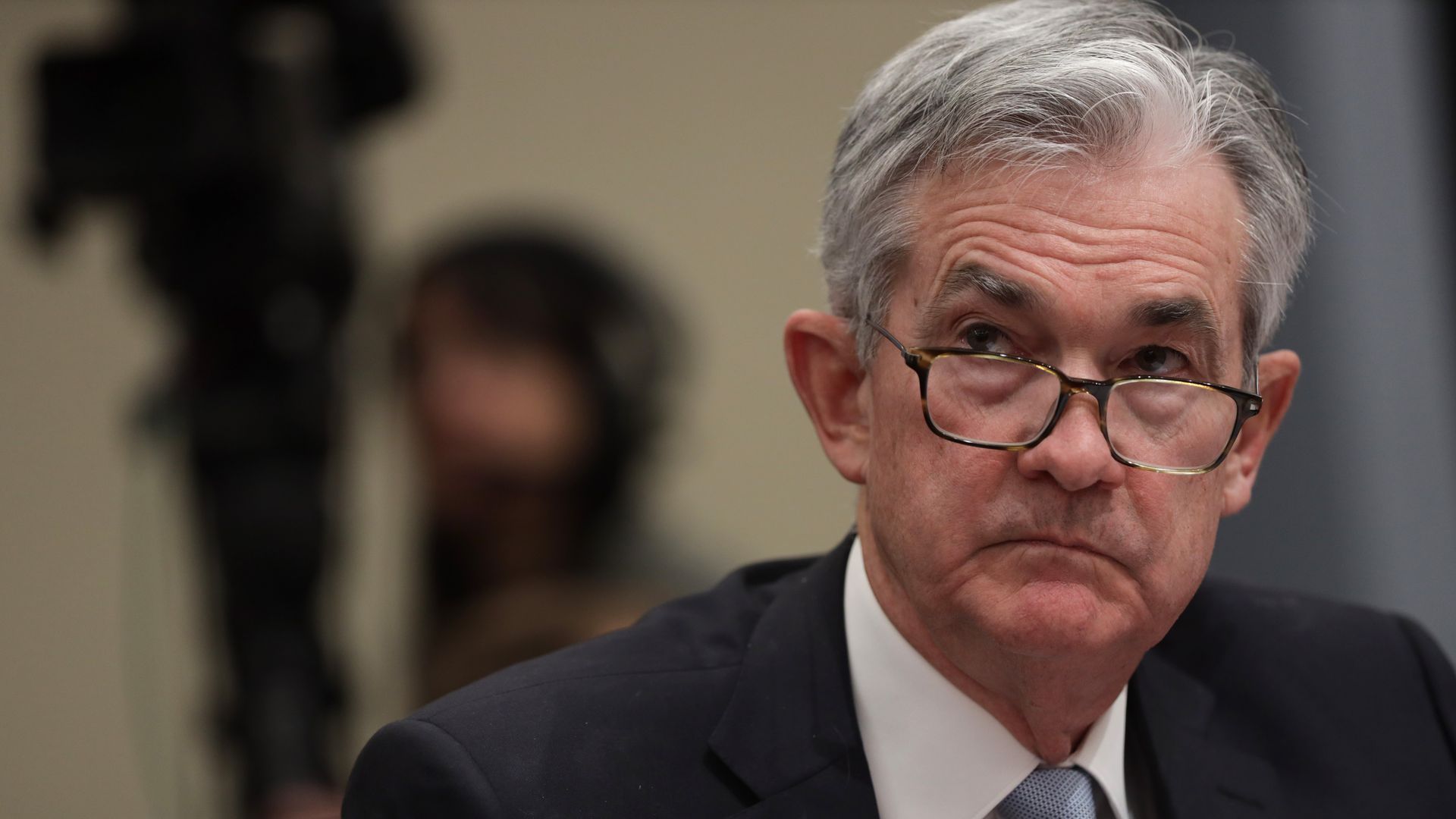
The Fed’s 180-degree turn was the story of 2019, asset managers and market analysts say.
What happened: Chairman Jerome Powell and the U.S. central bank went from raising interest rates for a fourth time at the close of 2018 and giving market watchers the explicit expectation this would continue in 2019, to doing the opposite. The Fed cut rates thrice and even began re-padding its balance sheet in the last quarter of the year, bringing it back above $4 trillion.
The tech industry's most consequential policy fights in 2020 will play out in the states, not Washington.
Why it matters: Momentum on a range of tech issues, from governing online privacy to regulating the gig economy, has stalled in D.C. as impeachment and election campaigns consume attention. State leaders and legislators are stepping in to fill the void.
The S&P 500 has jumped 42% under President Trump — according to market data from the inauguration through 2019's final day of trading.
Why it matters: Trump uses the stock market's surge as a barometer of his presidency's success — one that, along with the 50-year low unemployment rate, he's sure to continue to tout as the 2020 election approaches — but the gains under him lag those under former Presidents Barack Obama, when stocks rebounded from the lows of the financial crisis, and George H.W. Bush.