Donald Trump told CNN's Wolf Blitzer in 2008 that it would have been "wonderful" if Speaker Nancy Pelosi had moved to impeach former President George W. Bush because he said "all sorts of things that turned out not to be true" about the war in Iraq.
Why it matters: Trump's feelings about Bush over a decade ago are a far cry from the letter he sent Pelosi on the eve of his own impeachment, calling the inquiry against him an "illegal, partisan attempted coup" and alleging that "more due process was afforded to those accused in the Salem Witch Trials."
President Trump took to Twitter on Wednesday, firing off dozens of tweets and retweets by 1pm ET as the House simultaneously moved to take up the articles of impeachment against him.
"SUCH ATROCIOUS LIES BY THE RADICAL LEFT, DO NOTHING DEMOCRATS. THIS IS AN ASSAULT ON AMERICA, AND AN ASSAULT ON THE REPUBLICAN PARTY!!!!"
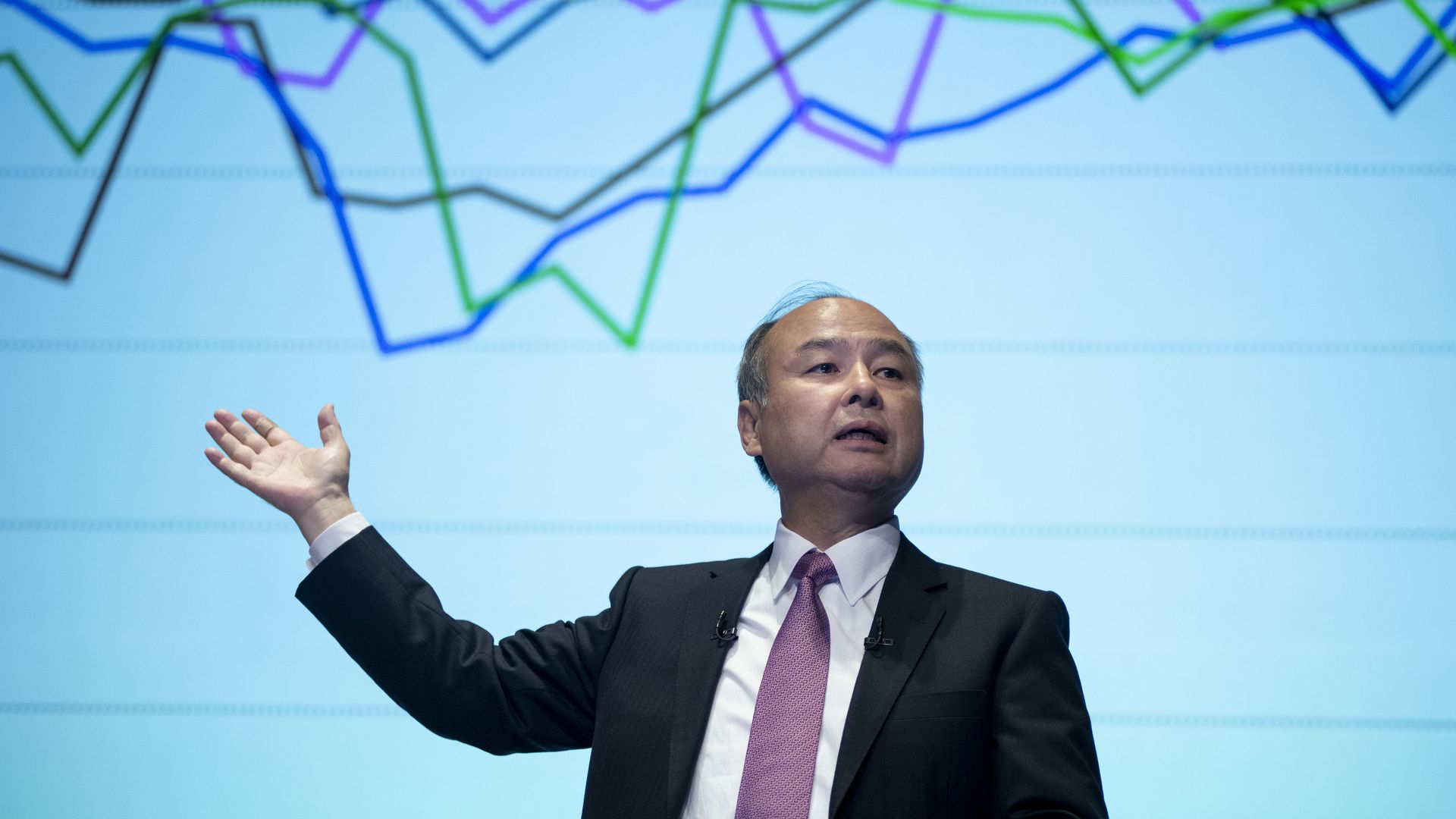
"The venture capital party is over" was the gist of countless mainstream and social media predictions in October, following WeWork's IPO collapse and SoftBank's difficulties in raising over $100 billion for its second Vision Fund.
If it weren't for the Olympics and the election next year, TV advertising sales would be down again next year, according to MAGNA, an advertising firm.
Why it matters: Engaged live audiences have become a commodity for advertisers, and they are willing to spend big.
PBS is creating a new broadcast show and digital series centered around issues affecting the LGBTQ+ community, PBS Head of Digital Studios Brandon Arolfo said at a small PRNEWS event in Washington on Friday.
Why it matters: PBS is a publicly-funded broadcast network that was created to help educate the public, including kids. The network has always pushed to showcase diverse voices. In the past, conservative groups have criticized PBS for using taxpayer dollars to fund LGTBQ-friendly content.
The top groups that ran ads for the U.S.-Mexico-Canada Agreement (USMCA) cumulatively spent over $4 million pushing the passage of the trade pact, data from advertising research firm Advertising Analytics shows.
Why it matters: The majority of advertisers for USMCA-specific ads were business-backed trade groups — a nod to big corporations' anxiety to draw attention to the issue.