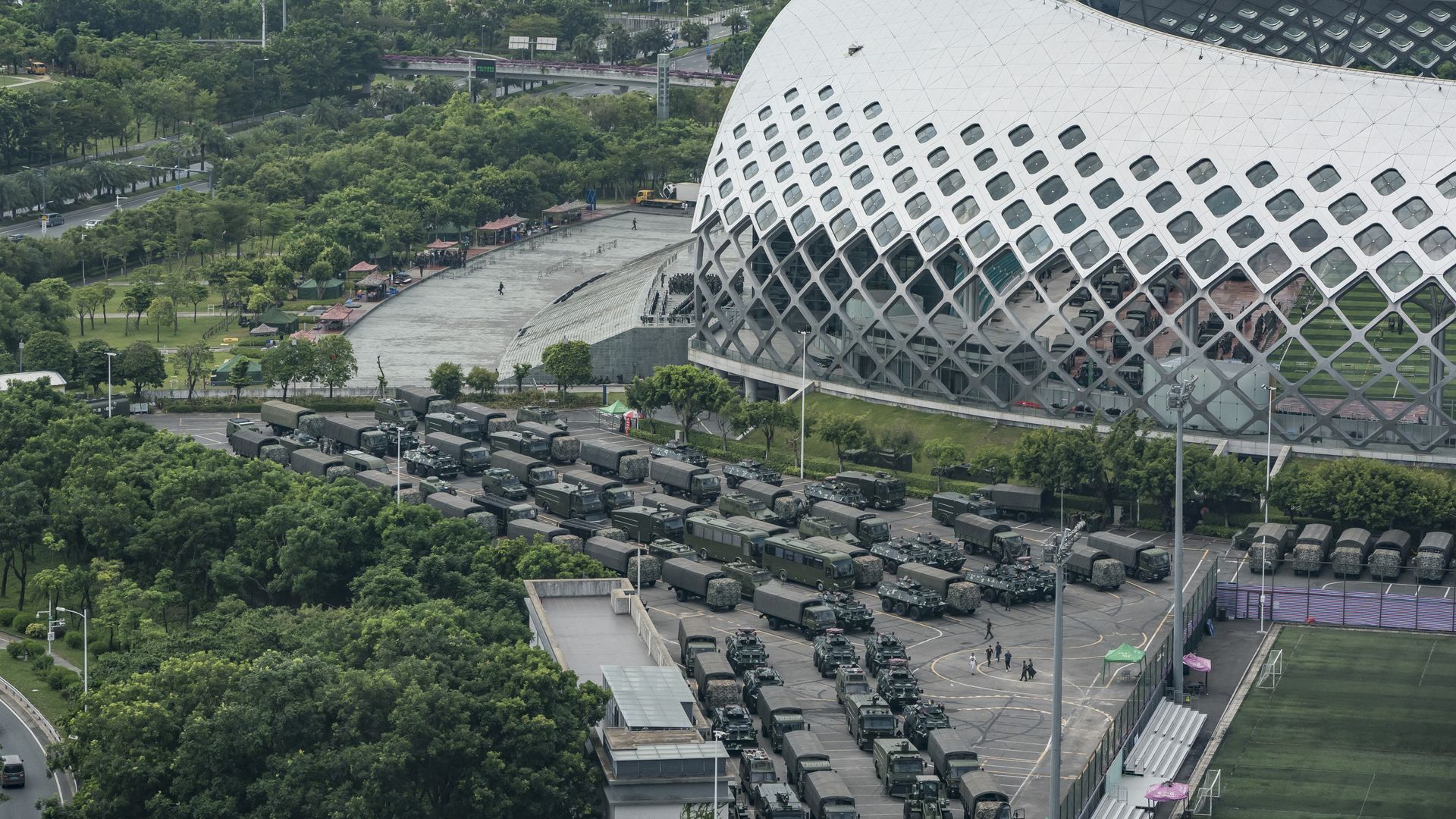
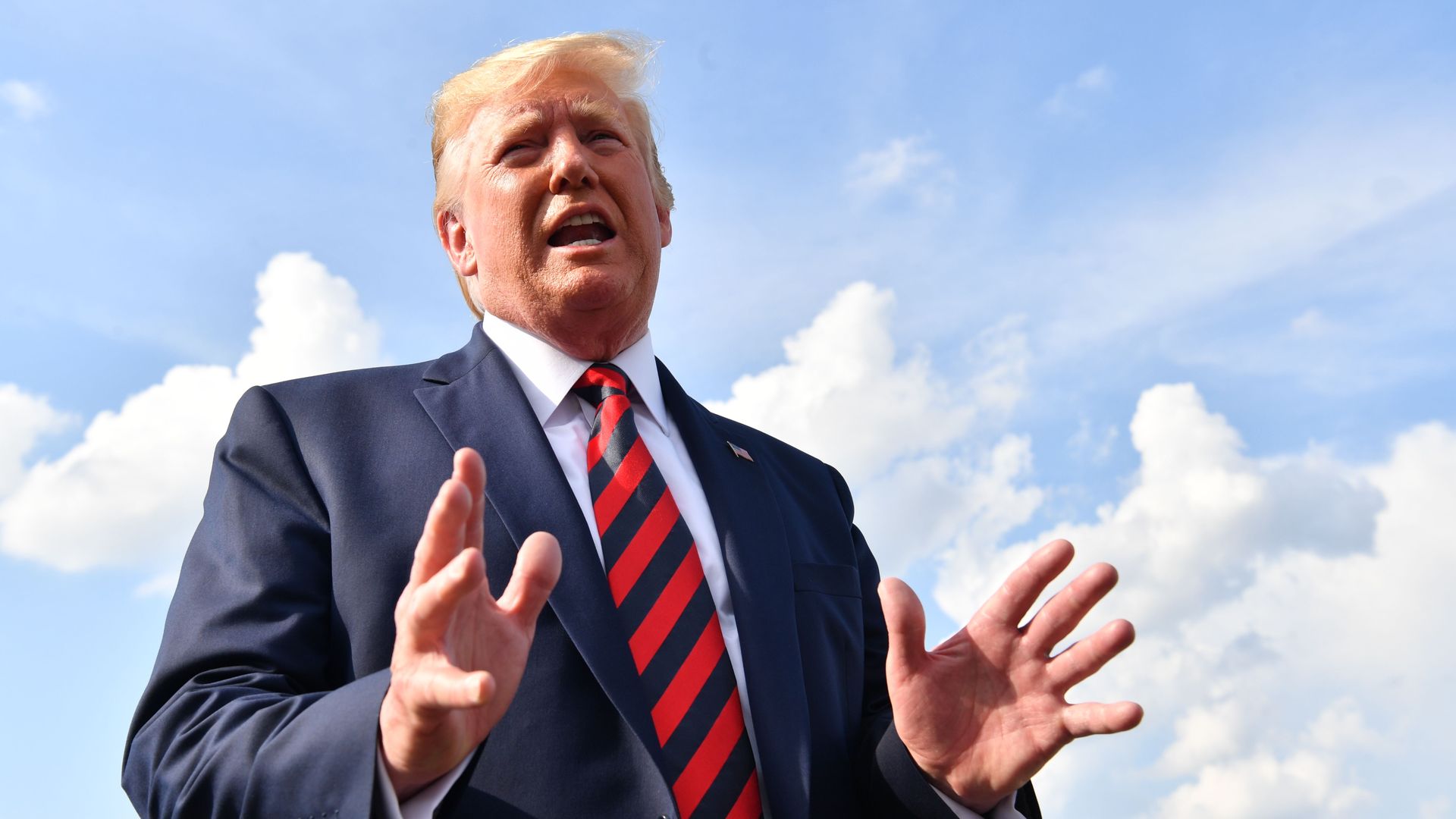
Vice President Mike Pence said Monday that the U.S. would not make a deal to end its trade dispute with China if Beijing fails to "honor its commitments" to Hong Kong, Reuters reports.
The big picture: The remark comes a day after President Trump said it would "be very hard to deal if they do violence [in Hong Kong]. ... I mean if it's another Tiananmen Square, I think it's a very hard thing to do." Trump's economic advisers had previously insisted they were treating the trade dispute as a separate issue from other concerns, like human rights.
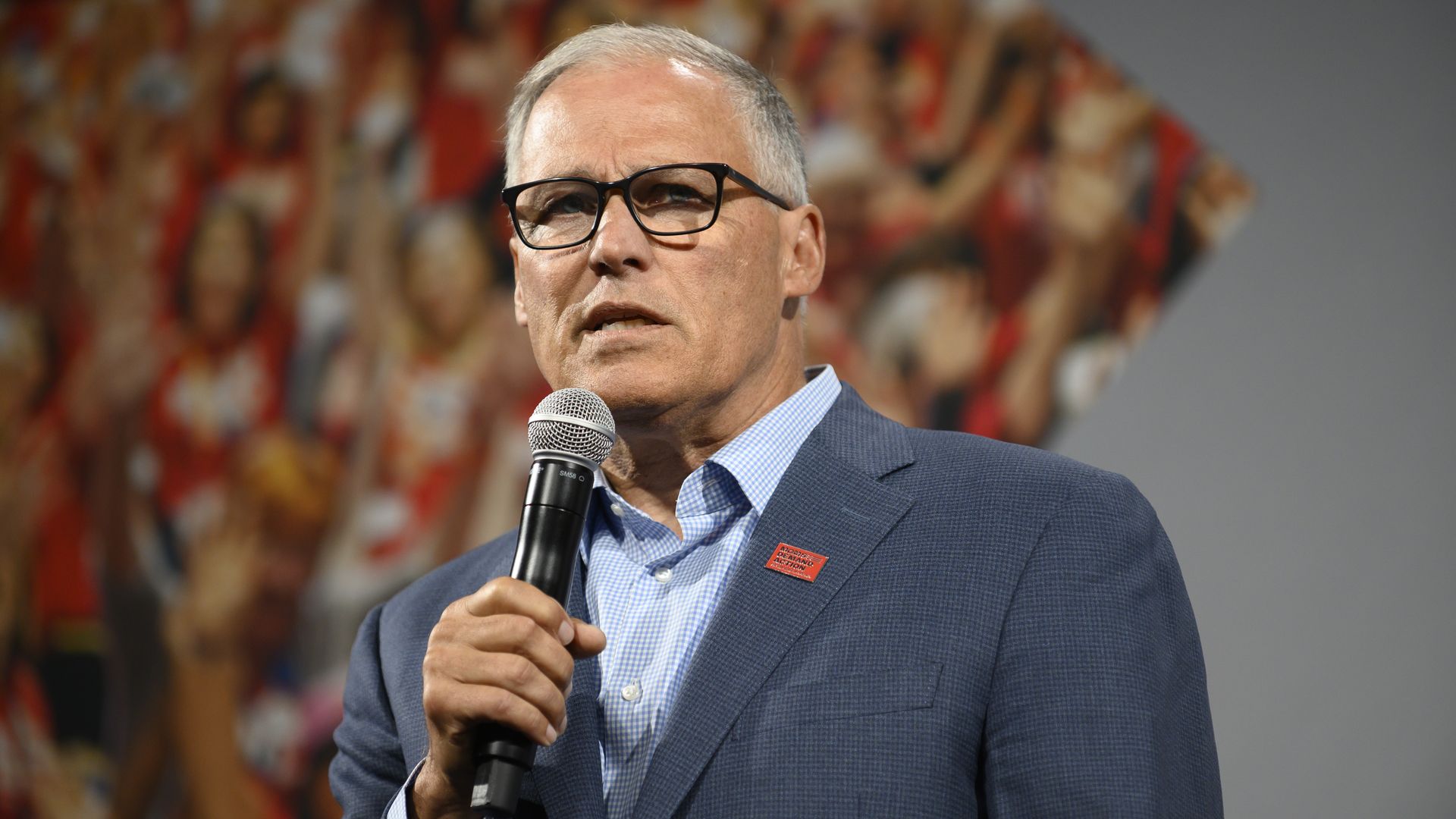
Washington Gov. Jay Inslee, who has centered his 2020 campaign around climate change policy, was not one of the 10 Democratic presidential candidates who qualified for an invite to CNN's climate change town hall in September.
Why it matters:Several polls point to climate change as a top issue for Democratic voters, but Inslee, whose proposals and debate appearances have been focused on severing the U.S. from fossil fuel dependency, is still polling around 1%.
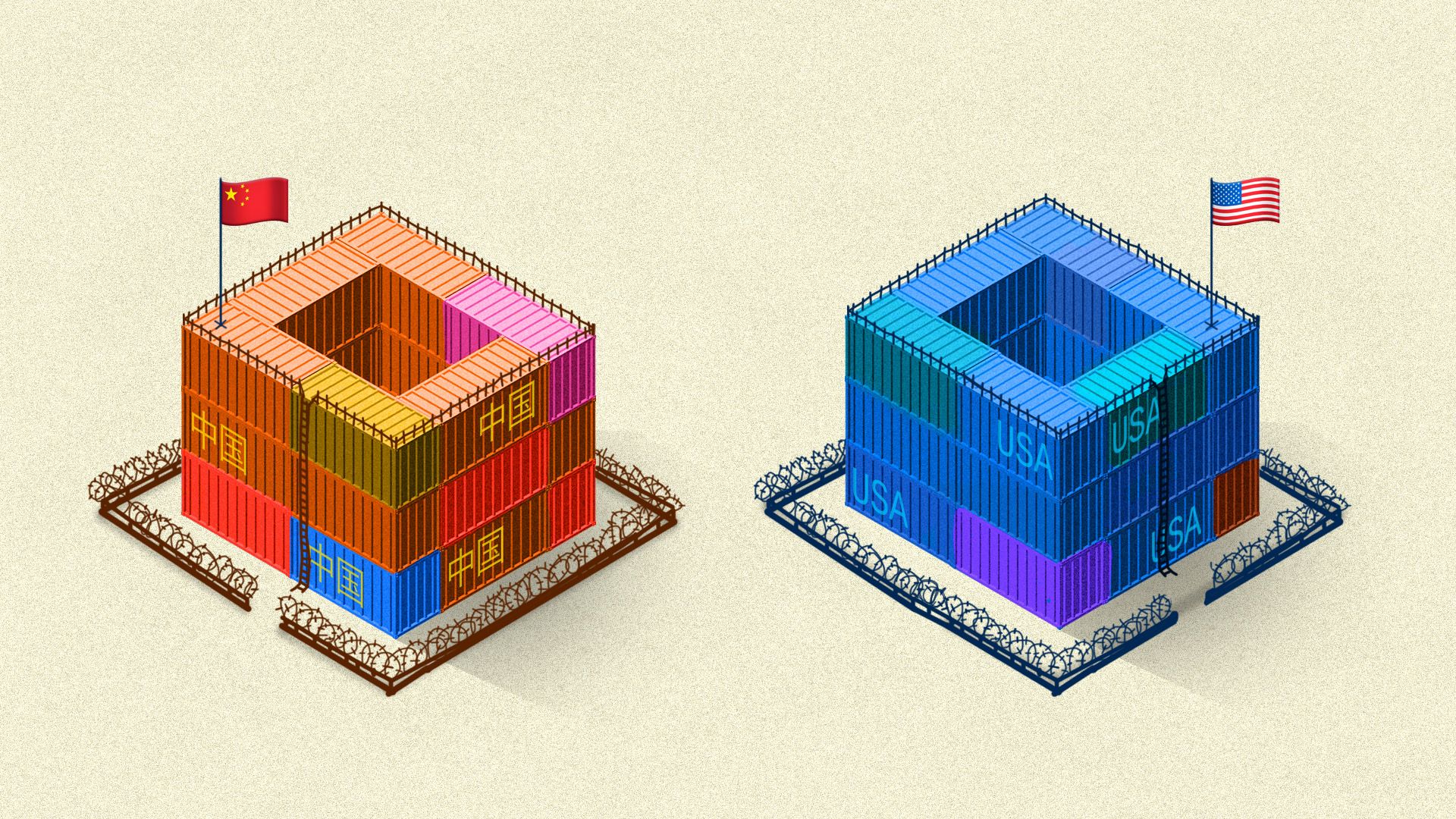
A top executive of a U.S.-based multinational is pushing back hotly against a White House official's assertion that companies are preparing to pull production out of China as part of President Trump's squeeze there.
The state of play: On ABC's "This Week," White House trade adviser Peter Navarro said that during an Oval Office meeting with a group of executives, "We heard from these business leaders: ... 'Just give us some time to December 15th. And, by the way, we are taking all of our sourcing production facilities out of China, and we will continue to do that.'"
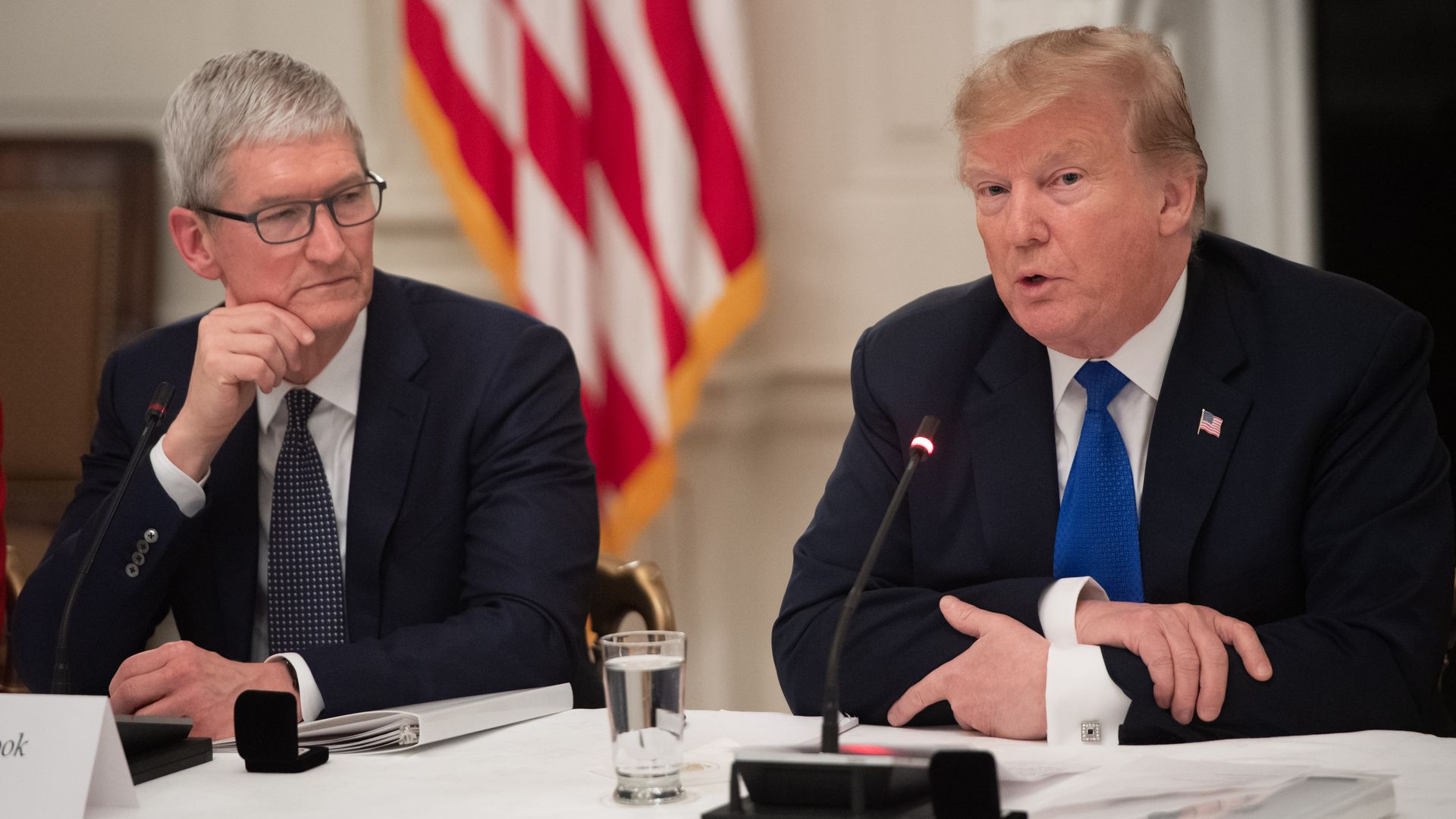
President Trump said Sunday Apple CEO Tim Cook made a "very compelling argument" during a meeting with him on how paying tariffs would make it difficult for the tech giant to compete with the likes of Samsung.
The big picture: Trump announced last week he would delay for 3 months tariffs on some Chinese imports, including certain tech goods, footwear and clothing. The 10% tariffs that were due to go into effect Sept. 1 would have affected iPhones and iPads.
Why it matters: The stock market saw a huge sell-off last week after the yield curve inversion, a warning sign that's predated every recession for the past 50 years.
White House trade adviser Peter Navarro said on CNN's "State of the Union" Sunday that tariffs on Chinese goods are not hurting consumers in the United States, despite reports to the contrary from researchers at Harvard, the University of Chicago, the International Monetary Fund, the Federal Reserve of Boston and more.