Sunday's economy & business stories
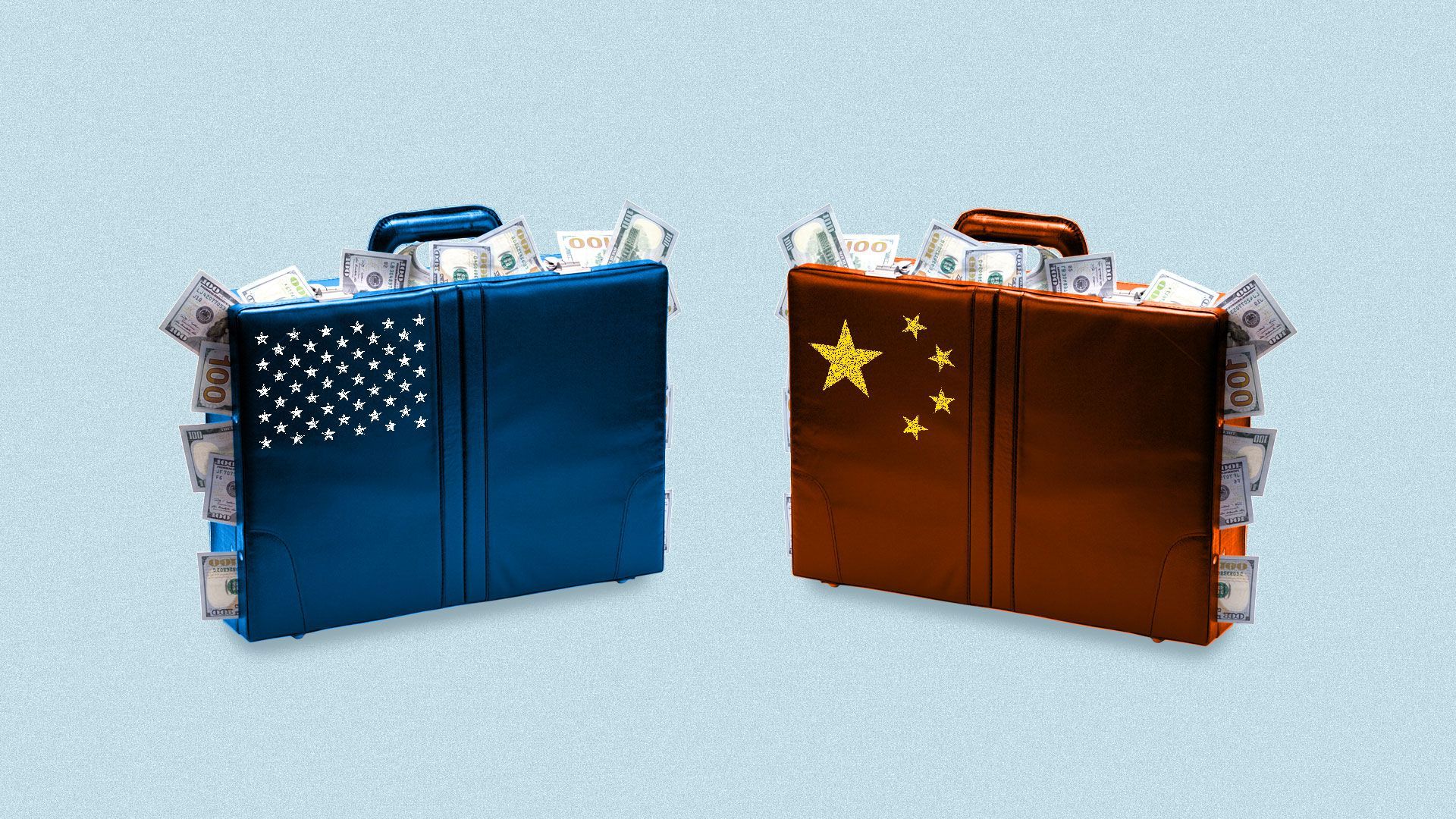

The U.S. is not a riskier bet than China
It's certainly a striking headline: "Markets Conclude the U.S. Is Riskier Than China." And the author should know whereof he speaks: Matthew Winkler, the editor-in-chief emeritus of Bloomberg News, literally wrote the book on how to report on markets.
But Winkler is wrong. (And/or he has created "an unintentional Sokal Hoax for finance.") Contra Winkler's assertion, the U.S. Treasury does not have to "pay a premium over Chinese bonds to attract investors." To see that, just compare the two countries' bond yields. China sometimes borrows in dollars, so we can compare apples to apples. And the evidence is clear: At every maturity, China pays more than the U.S. does.

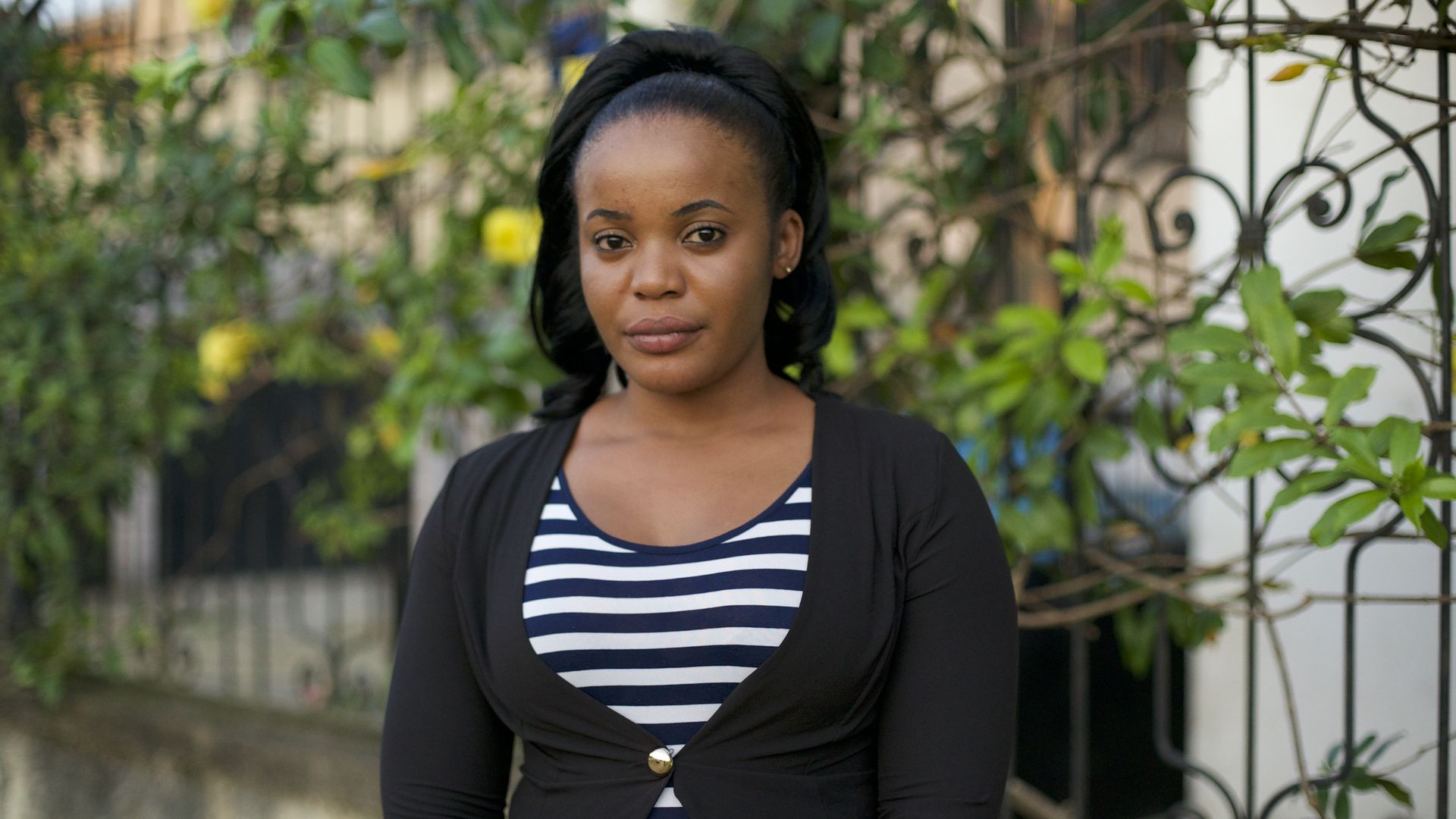
Cameroon imprisoning journalists accused of "fake news"
A growing number of journalists are being detained by Cameroonian authorities for their reporting on the country’s de facto civil war between the Francophone government and Anglophone separatists, reports the Washington Post.
Details: Seven journalists were reportedly in custody as of early December — four for reporting what officials deemed false news and three others facing an array of charges, including embezzlement and defamation, per the Committee to Protect Journalists. (Two were later released.) Hundreds of thousands of people have been displaced in Cameroon's Anglophone regions amid allegations of human rights abuses, which the government fears could disrupt its security relationship with the United States.

Why it's the worst time in years to run a hedge fund
The amount of money fleeing into money-market mutual funds hit $81 billion last week, the largest such flow on record. Meanwhile, the flows out of equity mutual funds, at $46 billion, were almost double any other week on record.


The big picture: What you're seeing is a risk-off flight to boring safe assets — which means that now is the worst time in years to try to open up a new hedge fund. Just 450 new hedge funds were opened in the first three quarters of this year, the lowest number in a decade.
Stocks, bonds and commodities all fared poorly in 2018
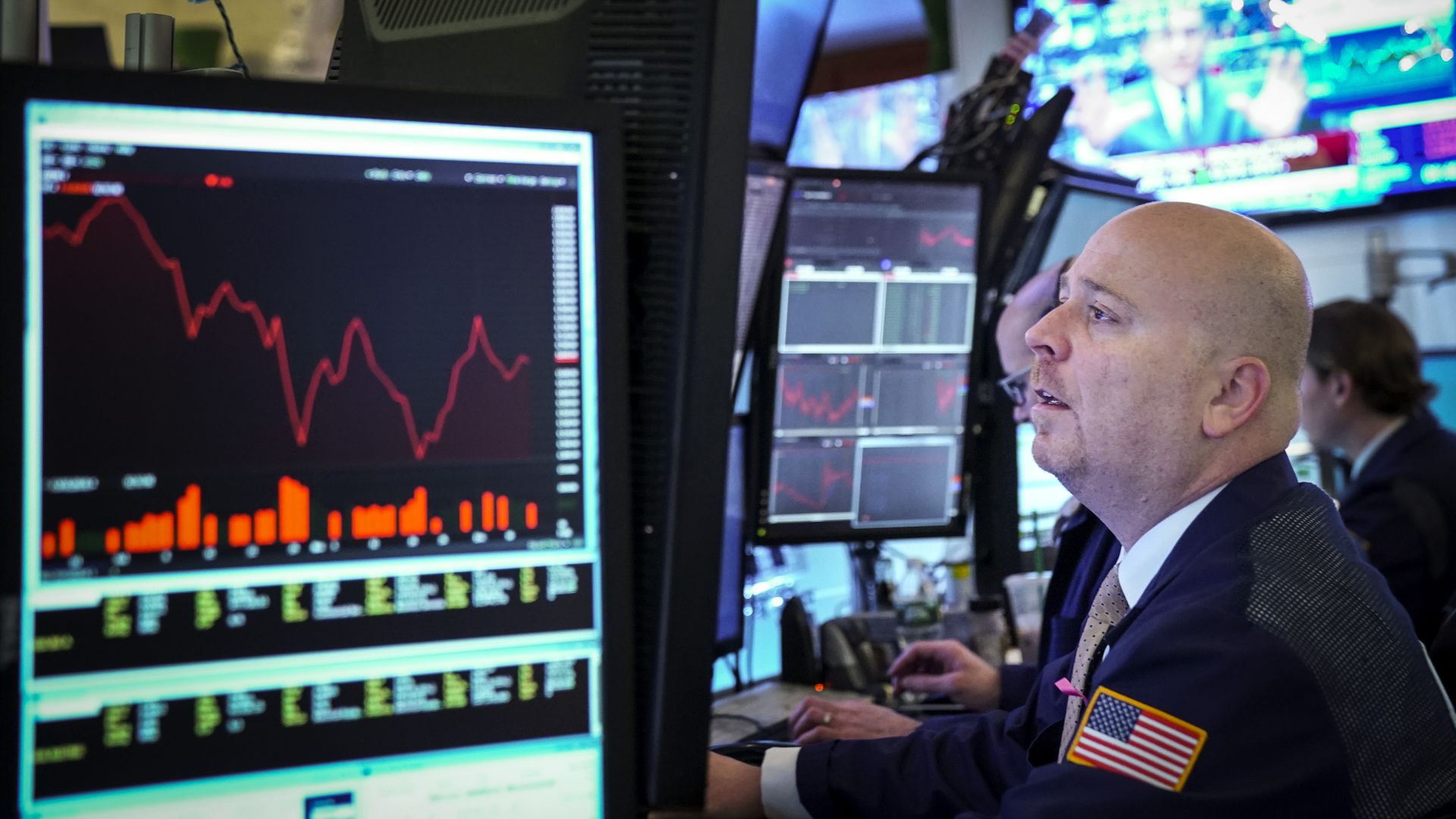
"For the first time in decades, every major type of investment has fared poorly, as the outlook for economic growth and corporate profits is dampened by rising trade tensions and interest rates," the N.Y. Times' Matt Phillips writes.
Why it matters: "Most years, financial markets are a mixed bag. A bad year for risky investments, like stocks, might be a great one for safe bets like government bonds. Or, if worries about inflation are hurting bond investments, commodities like gold tend to do well." But now, stocks "around the world are getting pummeled, while commodities and bonds are tumbling — all of which have left investors with few places to put their money."
Surge pricing may be coming to restaurants
The future of dining could include surge pricing. "Online reservation systems will soon allow diners to finish their meal and leave without whipping out a credit card," by paying in advance based on dynamic pricing, Bloomberg reports.
Details: Nick Kokonas, co-owner of culinary reservation system Tock, said that rather than create culinary gimmicks with artificially inflated prices to make ends meet, restaurants should introduce “surge pricing” like that offered by Uber and Lyft. Meals would rise and fall in price based on the demand in the reservation system.