Thursday's economy & business stories


Lessons from 20th anniversary of AI's most stunning victory
On May 11th, 1997, the IBM supercomputer, Deep Blue, became the first-ever machine to beat a reigning chess world champion when it defeated Garry Kasparov in a six-game match. Kasparov didn't take the loss well, and accused IBM of cheating. But today he is championing artificial intelligence as a tool that will elevate humanity, rather than destroy it, as pessimists like Stephen Hawking fear.
The human advantage: Kasparov tells economist Tyler Cowen in a podcast interview Wednesday that despite the fact that computers long ago surpassed humans in chess-playing ability, collaboration between the two will always be most powerful. He says that in a game of chess, even a weak human player in conjunction with a well designed machine and superior interface can defeat even the most powerful computer on its own.

Fox News harassment settlements total $45 million
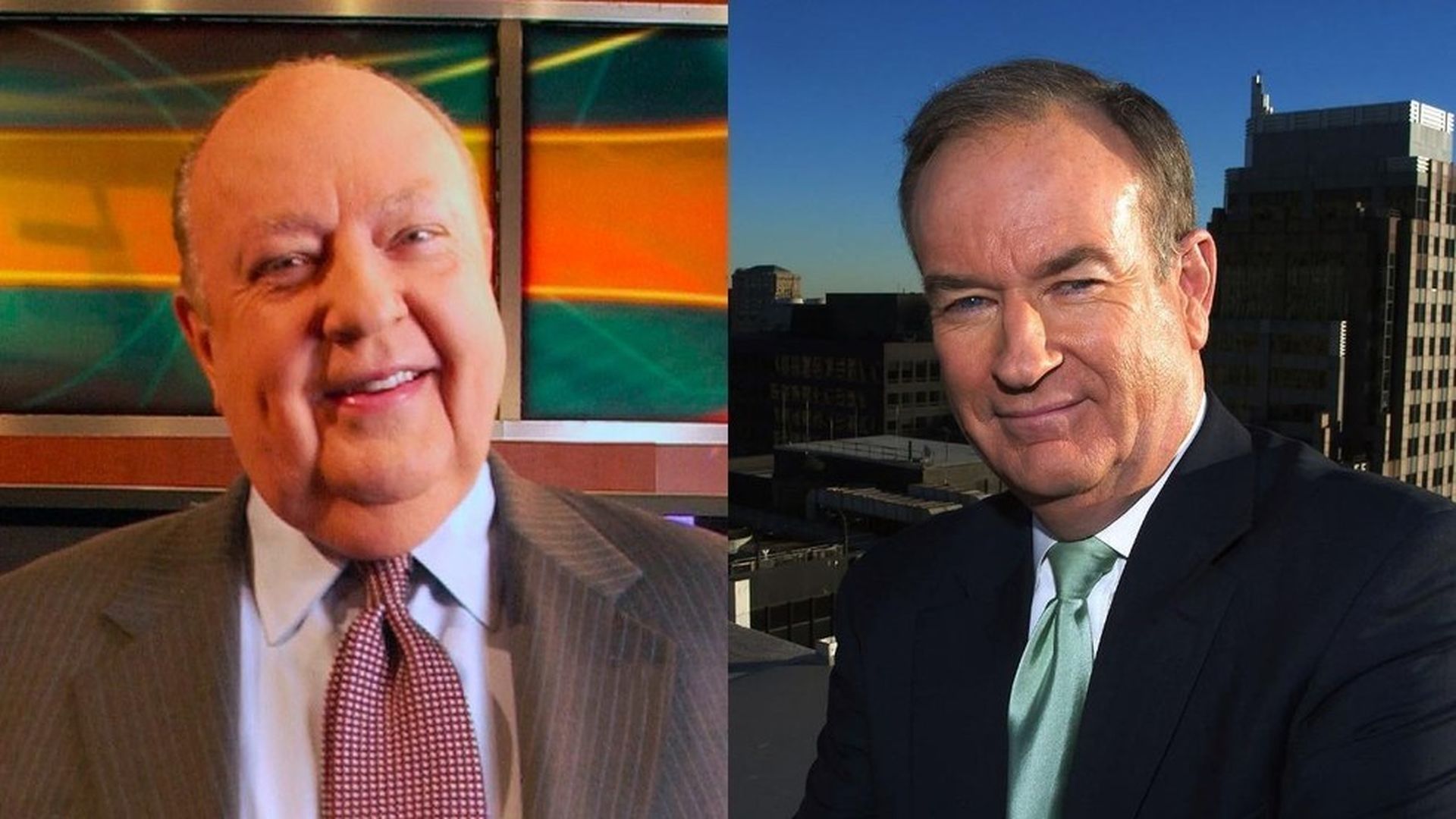
A new corporate filing from Fox News shows that the network has now paid settlements totaling about $45 million as part of the fallout from the sexual harassment scandals of Roger Ailes and Bill O'Reilly, per CNN.
And that total doesn't include the reported exit payments of $40 million for Ailes and $25 million for O'Reilly upon their ousters from the network.
More to come? Fox News still has a rash of harassment lawsuits pending, so the payouts may continue to rise.

Americans like watching TV content on big screens
A new Hub Research study from eMarketer shows the majority of TV content (55%) being consumed by Americans is still being watched on a TV screen through a set-top box (either live, DVR, or on-demand), compared to only 22% being watched on smaller screens: laptops, desktops, smartphones and tablets. Here's a breakdown of devices:
Data: eMarketer; Note: Ages 16-74 who watch at least 5 hours of TV per week; Chart: Andrew Witherspoon / Axios
Why it matters: If TV content is to be consumed on smaller screens, it needs to be made for a mobile viewing experience, which means shorter, quicker, more interactive formats. (Reminder: 55% of all mobile sessions last less than 30 seconds.)
Most major platforms (Twitter, YouTube, Facebook, etc) have been inking original content deals with TV shows, but so far; none have officially rolled out a TV video experience as unique to mobile as Snapchat, which includes vertical viewing, fast-paced production cues and tap-to-swipe navigation through scenes.

How AI will supercharge early-childhood education
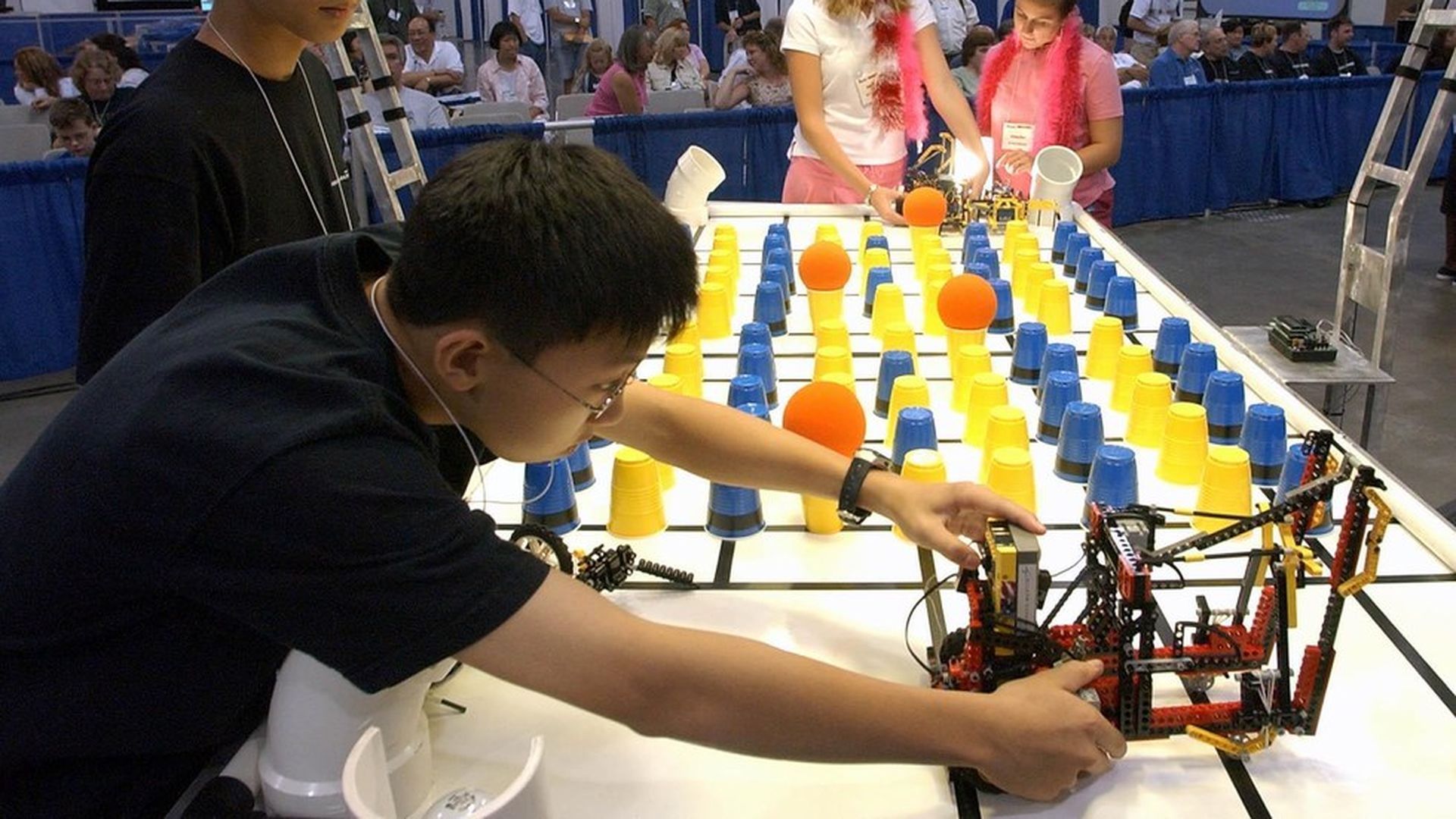
The job of teaching is often cited as one that won't be replaced by artificial intelligence. But according to Joseph Qualls, an AI researcher at the University of Idaho, education, especially the early-childhood variety, is ripe for transformation through AI.
The money quote: "I see people starting to interact with AI when they're very young. It could be in the form of a teddy bear that begins to build a profile of you, and that profile can help guide how you learn throughout your life," he tells Smithsonian Magazine. "From the profile, the AI could help build a better educational experience. That's really where I think this is going to go over the next 10 to 20 years."
The highest paid U.S. executives in 2016
The Bloomberg Pay Index, a ranking of the best-compensated U.S. executives for 2016, by Anders Melin:
- Marc Lore, CEO, U.S. e-commerce, Wal-Mart Stores, $237 million
- Tim Cook, CEO, Apple, $150 million
- John Weinberg, executive chairman, Evercore Partners, $124 million
- Sundar Pichai, CEO, GoogleAlphabet, $107 million
- Elon Musk, CEO, Tesla, $99,744,920
- Ginni Rometty, CEO, IBM, $97 million
- Mitch Garber, CEO, Caesars Acquisition, $91 million
- Philippe Dauman, former CEO, Viacom, $88 million
- Leslie Moonves, CEO, CBS, $84 million
- Mario Gabelli, CEO, Gamco Investors, $76 million