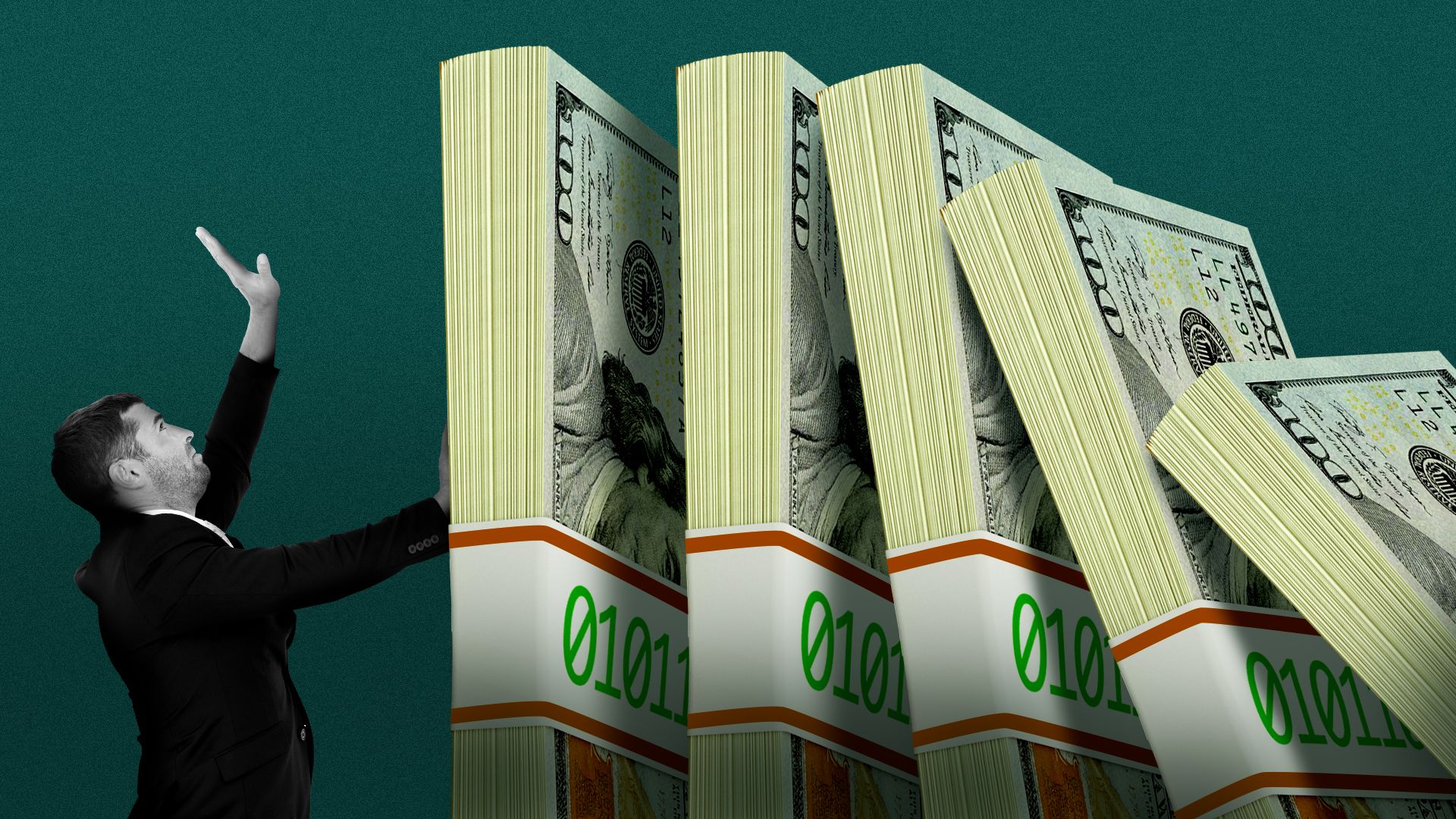
Anthropic's second quarter revenue exploded from a year ago, helping push the AI lab's annualized revenue run rate above $65 billion ahead of its expected IPO, according to figures reported by Bloomberg.
Why it matters: By its latest reported revenue run rates, Anthropic has pulled ahead of rival OpenAI.
Paramount Skydance on Monday asked the court presiding over the two lawsuits filed to block its merger with Warner Bros. Discovery to order plaintiffs to cover the losses of its merger delay.
Why it matters: The $1.9 billion bond Paramount is seeking would put an enormous financial strain on the 12 states that have joined together to sue to block the deal, as well as the Writers Guild of America, which has filed its own lawsuit to stop the merger.
Google is acquiring Spirit Airlines' emails, calendar info, chats, documents, spreadsheets and other business data, according to a bankruptcy court filing.
It will use the data to improve its products and AI models.
Why it matters: Spirit Airlines ceased operations earlier this year after it failed to emerge from its second Chapter 11 bankruptcy, but attorneys are still handling the disposition of its assets.
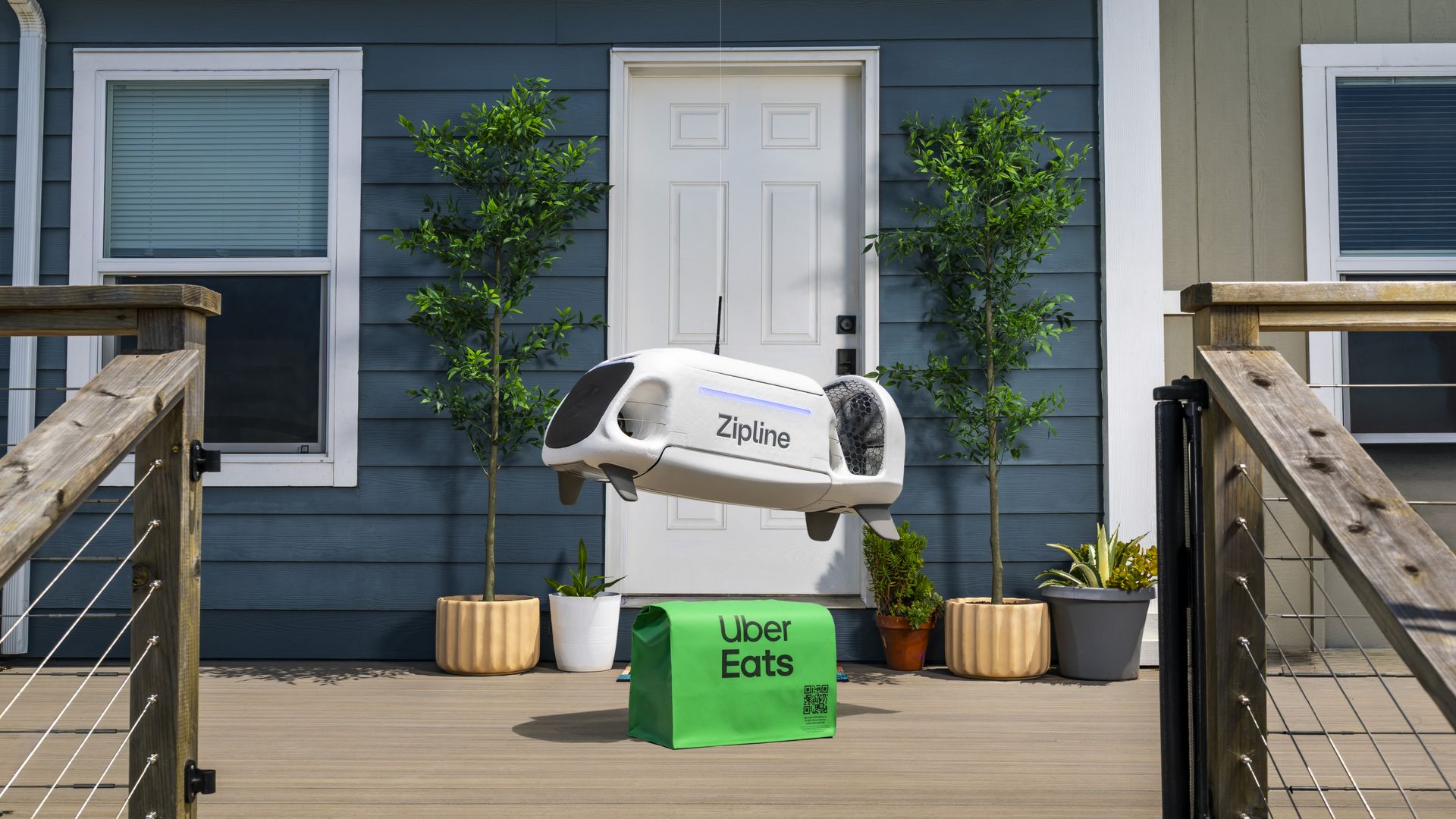
Uber is investing in drone delivery company Zipline, with the two companies aiming for one million Uber Eats drone deliveries per day by the end of 2029.
Why it matters: Drone delivery, once a novelty, is becoming more widely available as the technology and regulatory environment have advanced.
The cyclospora outbreak collided with earnings season, forcing public companies to answer questions as investigations were ongoing.
Why it matters: Companies don't get to choose their role in a crisis, but how they respond can determine whether they build trust, lose it or get dragged further.
The early days of the cyclospora outbreak were dominated by uncertainty about what was safe to eat and what wasn't, with both social and traditional media filled with speculation and panic-inducing headlines.
Why it matters: Today's media ecosystem abhors a vacuum. Whenever there's a lack of official, verifiable information, speculation and disinformation will rush in.
Lilian Weng last month stepped down as a cofounder of Thinking Machines, just a year after it raised $2 billion from venture capitalists at an $8 billion pre-money valuation.
Then she rejoined OpenAI, one of the 800-pound gorillas that Thinky is trying to unseat.
OpenAI announced a 20-year lease for a sprawling data center in central Ohio with financing partly guaranteed by Nvidia, saying it will create 35,000 construction jobs and 2,500 permanent operating positions.
Why it matters: The facility — which will be built and owned by SoftBank's SB Energy — illustrates the immensity of the computing and power needed to fuel the growth of the AI economy.
Stripe has agreed to acquire AI model marketplace OpenRouter for more than $8 billion in cash and stock, Axios has learned.
Why it matters: Stripe's stubborn refusal to IPO hasn't dimmed its acquisition ambitions, despite its lack of a public currency, as this deal comes amidst ongoing efforts to buy PayPal.
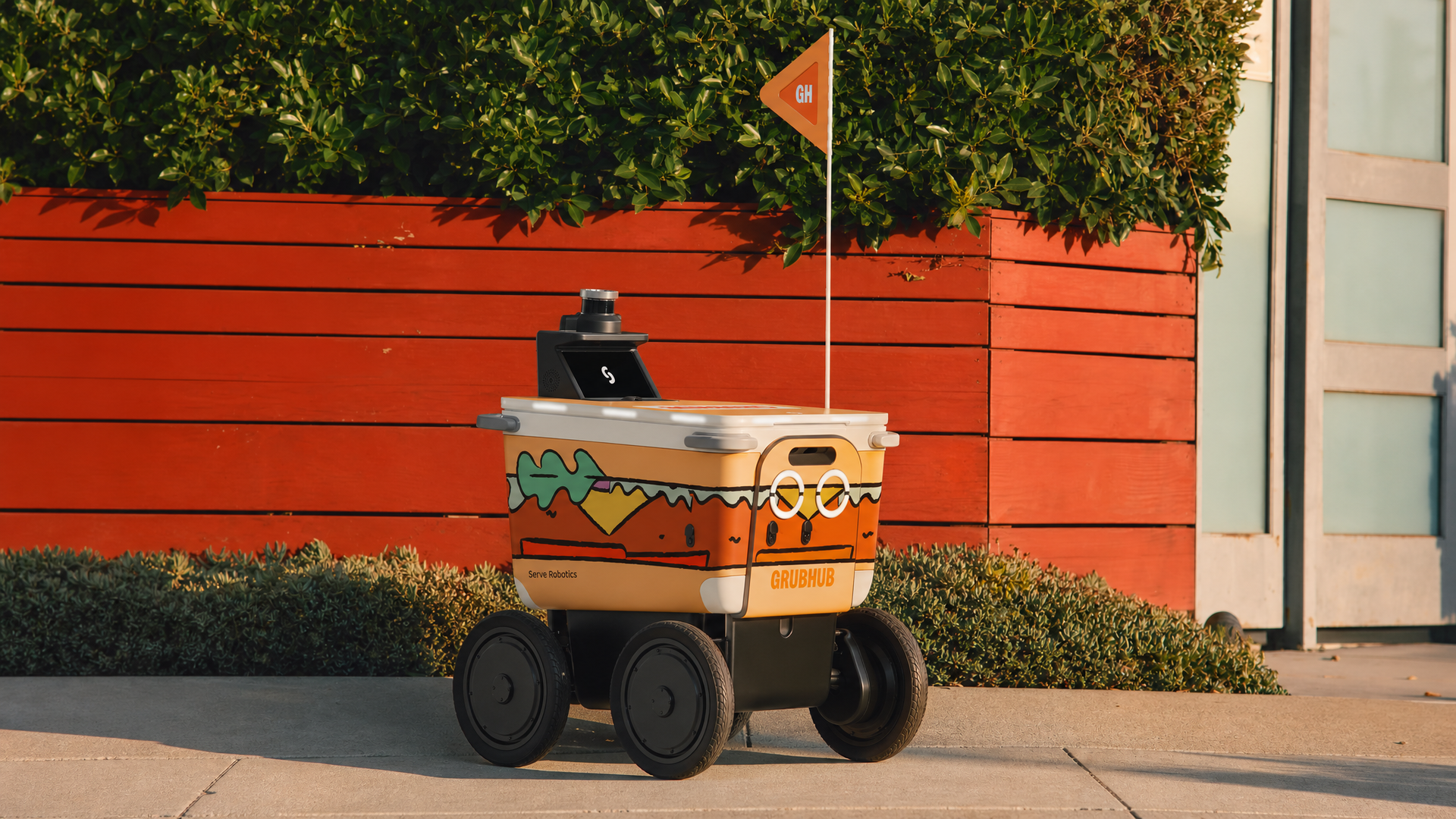
Fresh off its breakup with Uber Eats, sidewalk delivery company Serve Robotics announced a slew of strategic moves Monday, including a new partnership with Grubhub parent Wonder.
Why it matters: Serve is trying to move past its broken Uber relationship by adding another major delivery platform, entering new markets and expanding beyond food delivery.
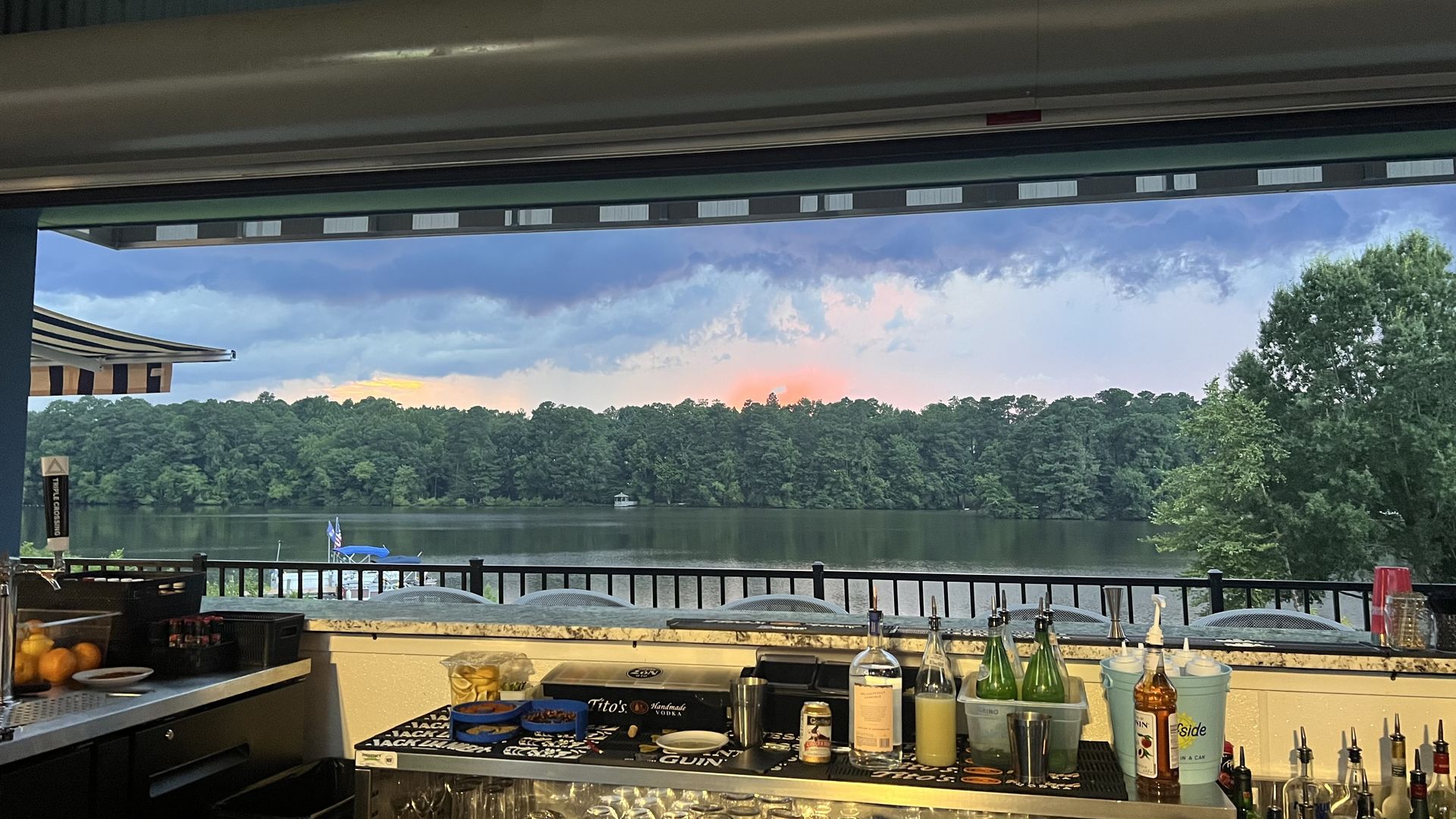
Solo dining is having a moment in Virginia, with reservations for one up 13% year over year, per OpenTable data shared with Axios.
Why it matters: That growth might look like another sign of America's lonelinessepidemic. But many solo diners say eating alone offers a rare chance to slow down, reflect and savor the small stuff, reports the Washington Post.
Young people raised on swiping, DMing and streaming are doing something bold: going out.
Why it matters: Amid a loneliness epidemic, millennials and Gen Zers are craving IRL connection — enough to show up for meetups built around activities once considered solitary, or "grandma hobbies."
America is experiencing its biggest prescription drug price deflation in generations.
Why it matters: By one important measure, there is a striking reversal underway for one of health care's most stubbornly expensive necessities amid a major Washington push to lower drug costs.