President Trump has filed multiple high-profile lawsuits against major news organizations in what legal experts say are meritless claims designed to punish critical coverage.
Why it matters: The legal attacks drain resources from newsrooms and impose a chilling effect on journalism.
President Trump has ignored journalists' questions and publicly mocked reporters, particularly women, as part of a strategy to delegitimize rather than engage with the press.
Why it matters: Turning journalists into political targets reshapes the information environment, incentivizing confrontation and causing public distrust with the press.
The Trump administration threatened to slash federal spending on mainstream news subscriptions while pouring money into friendly platforms like Fox News.
Why it matters: The selective funding underscores how the administration is using taxpayer dollars to amplify messaging and sympathetic voices.
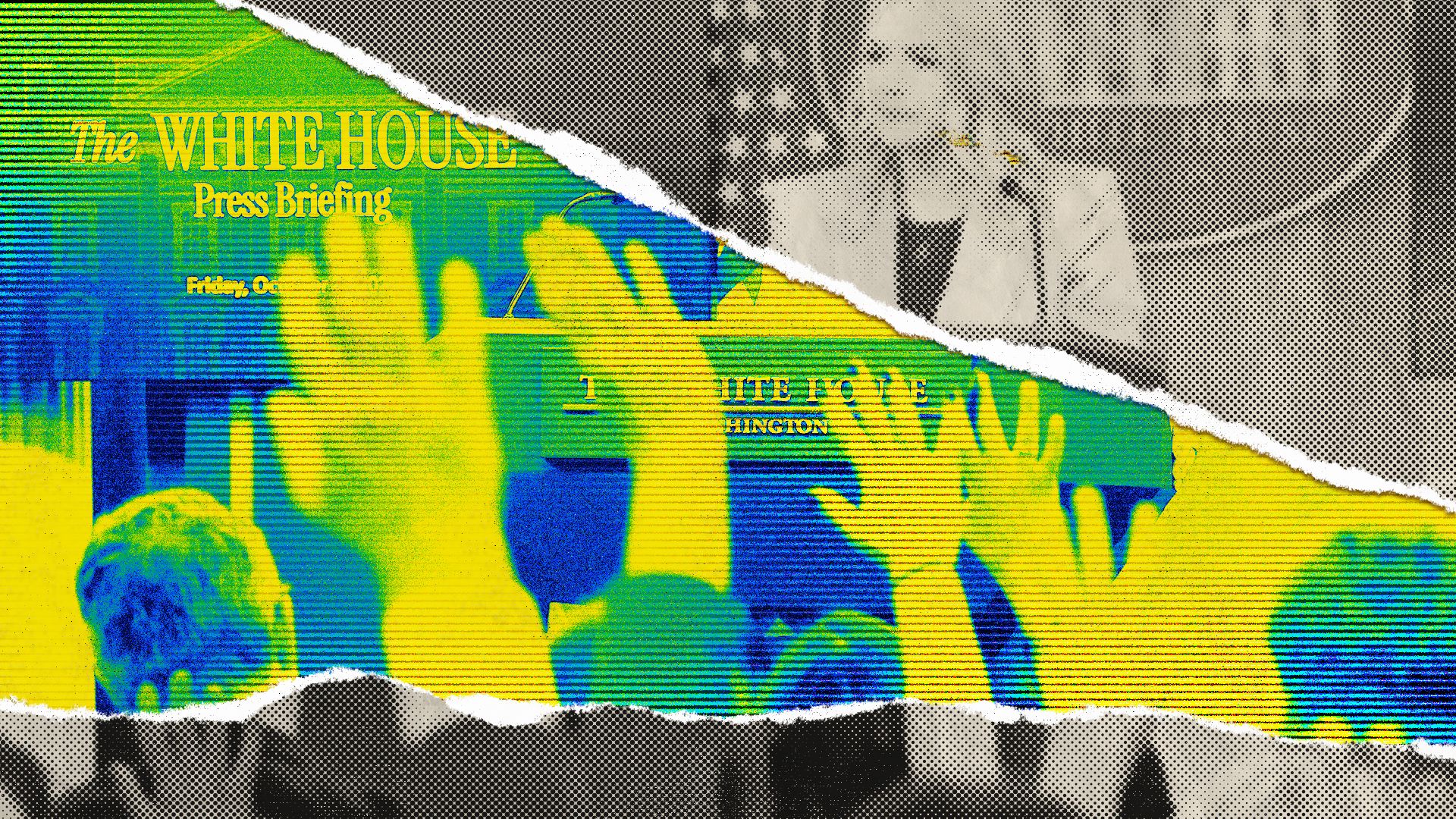
The Trump administration has systematically restricted access for traditional news outlets while granting privileges to MAGA-aligned media and influencers, reshaping the White House press corps.
Why it matters: The moves help President Trump control narratives and promote his own campaign by elevating friendly outlets.
President Trump has injected himself into major media mergers and ownership fights, seeking to reward allies and punish critics through dealmaking oversight.
Why it matters: His involvement via regulatory leverage and public pressure could shape who controls U.S. newsrooms and entertainment giants for years to come.
The Trump administration has rolled back policies that restricted law enforcement efforts to seize reporters' phone records and threatened prosecutions.
Why it matters: These efforts could create a chilling effect on independent reporting, press freedom experts argue.
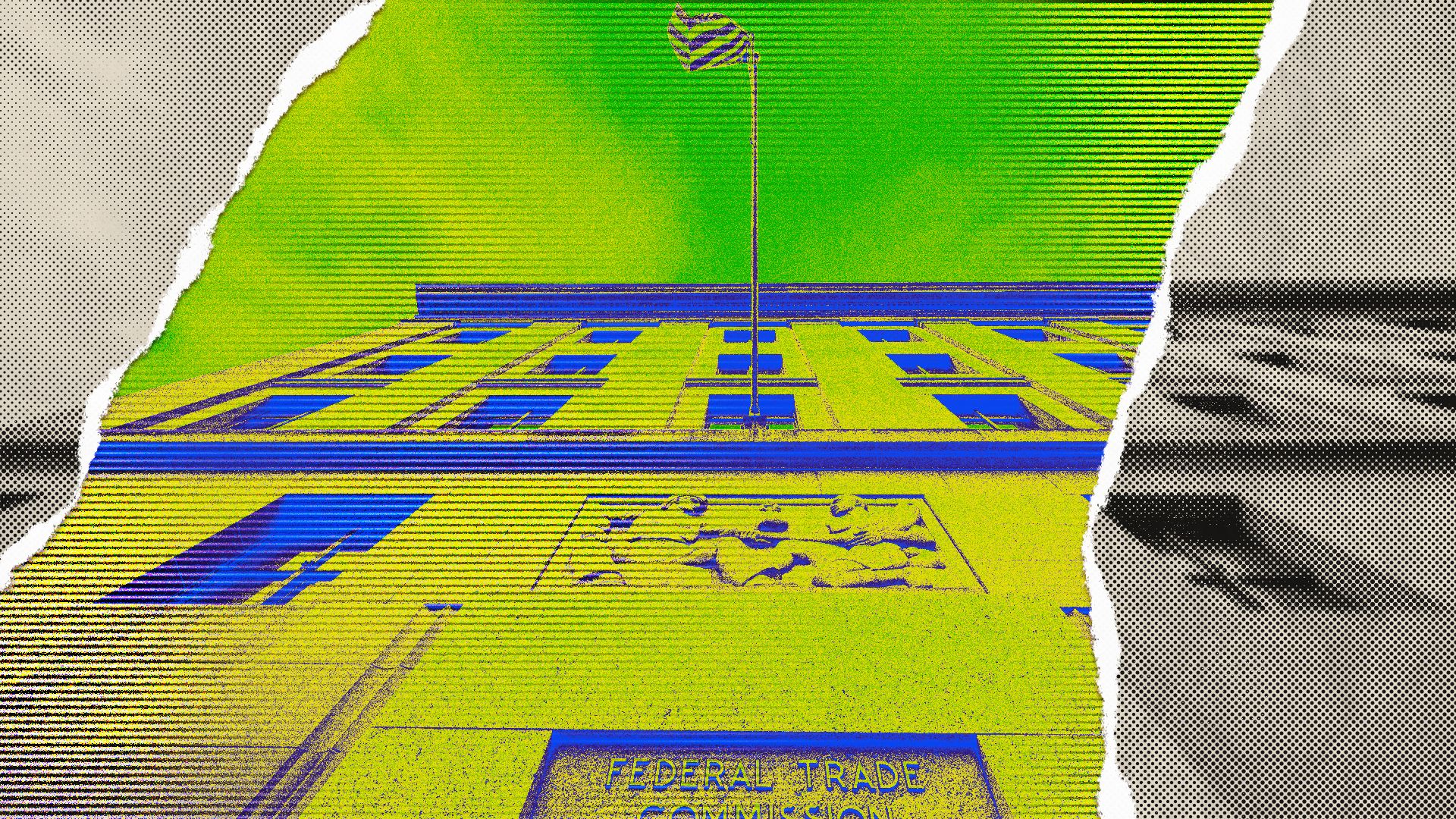
The Trump administration has reshaped the Federal Trade Commission to enforce its political priorities by firing commissioners, investigating advocacy groups and requiring unusual conditions for deal approvals.
Why it matters: The moves have introduced politicized oversight of the advertising market, which underpins the national media market.
Federal Communications Commission chair Brendan Carr said in Senate testimony last month that the agency he governs "is not an independent agency," a major departure from the language used to describe the agency when it was established by Congress in 1934.
Why it matters: Carr's interpretation of the agency as an agent of the president's will has been reflected in the FCC's slew of investigations into media companies deemed unfavorable by the president.
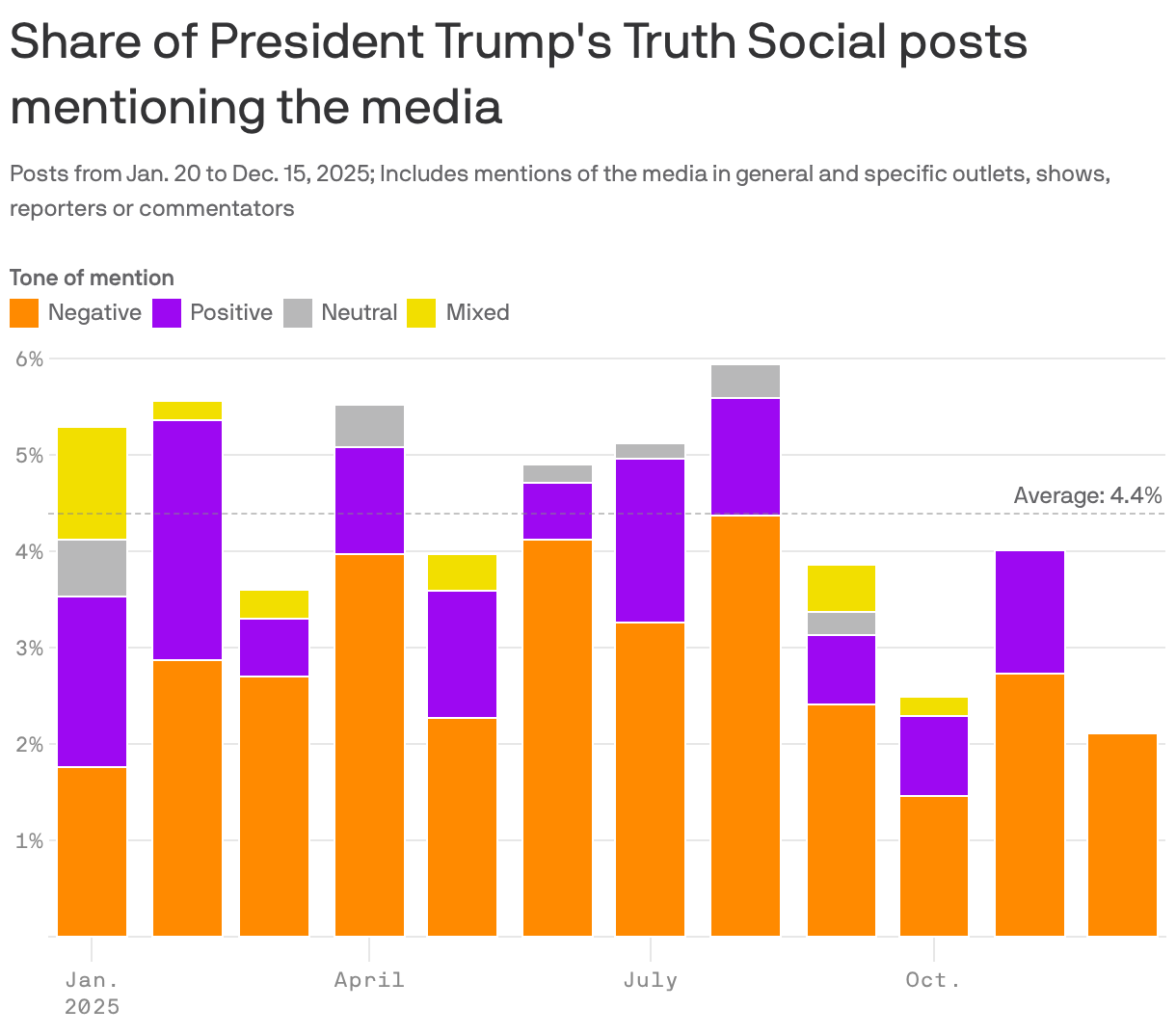
Data: Axios analysis of Truth Social posts; Note: Neutral posts have no clear tone, while mixed posts have both positive and negative; Chart: Erin Davis/Axios Visuals
Roughly 5% of President Trump's Truth Social posts have targeted the media since his second inauguration, according to an Axios analysis.
That count only reflects posts with unique commentary from the president. It doesn't include hundreds of reposts from other accounts discussing the press.
Why it matters: Trump's outsized attention on the media has been reflected in his policy priorities during his second term.
President Trump's disputes with the press have intensified in his second term from bullying and harassment campaigns to using his political power to set new legal and regulatory standards that threaten the media's independence long term.
Why it matters: Policy changes and new legal standards are much harder to unwind than harassment campaigns, even with a new party in power.
Traders and speculative bettors earned huge profits on prediction markets because of the capture of Venezuela President Nicolás Maduro.
Why it matters: Though the capture of Maduro seemed to come out of the blue for many Americans, some were ahead of the curve, netting them thousands of dollars.
Parts of Caribbean airspace near Venezuela are effectively off-limits to U.S. passenger airlines after President Trump's surprise overnight strikes in that country, forcing at least hundreds of flight cancellations.
Why it matters: Airlines are scrambling their schedules, leaving travelers unclear on when they'll actually be able to fly to and from the area.
Traffic to top websites has fallen by more than 11% in the past five years, according to data from Similarweb — a clear sign of the challenges traditional publishers face in the AI era.
Why it matters: Internet usage and adoption continue to grow, but older websites are struggling to keep up as newer AI-driven experiences start to dominate user attention.