Federal agencies on Monday began rolling out updates to the National Environmental Policy Act (NEPA) procedures in the wake of a presidential order and Supreme Court decision narrowing the scope of those requirements.
Why it matters: The changes mean fewer projects will need environmental reviews and regulators will have less time to identify potentially significant environmental consequences of major infrastructure projects.
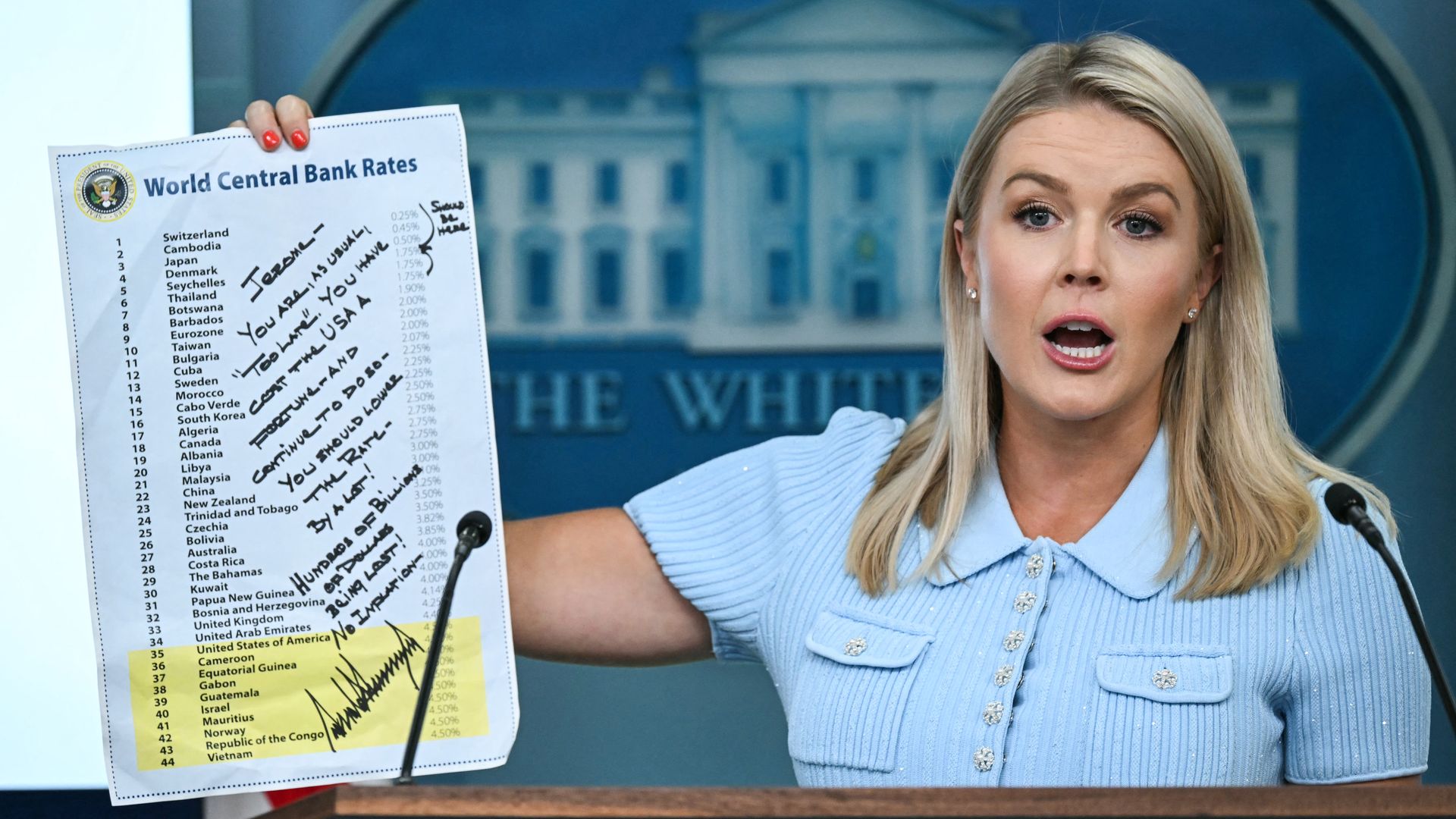
President Trump sent a letter to Federal Reserve chair Jerome Powell urging the central bank to lower interest rates "by a lot," the White House said on Monday.
Why it matters: The administration has stepped up public pressure on the Fed, with top officials floating the possibility of announcing Powell's replacement months before his term expires.
The WNBA will expand to three more cities — Philadelphia, Detroit and Cleveland — by 2030, bringing the rapidly-growing league's total team count to 18, it announced Monday.
Why it matters: The ownership groups each paid $250 million in expansion fees, according to the AP, signaling that the WNBA's rapid growth carries a hefty price tag.
Google inkeda power purchase deal with Commonwealth Fusion Systems and boosted its investment in CFS, which hopes to produce commercial-scale energy early next decade.
Why it matters: It's Google's first energy procurement deal with a fusion company.
Tinder is mandating new users in California verify their profiles using facial recognition technology starting Monday, executives exclusively tell Axios.
Why it matters: The move aims to reduce impersonation and is part of Tinder parent Match Group's broader effort to improve trust and safety amid ongoing user frustration.
Investments in red states and Trump-friendly messaging are proving no match for a perfect political storm that's blowing apart federal support for wind and solar.
Why it matters: While the GOP budget bill would spare incentives for some kinds of tech, it would quickly end the main tax credits for those two sources — and would add new taxes.
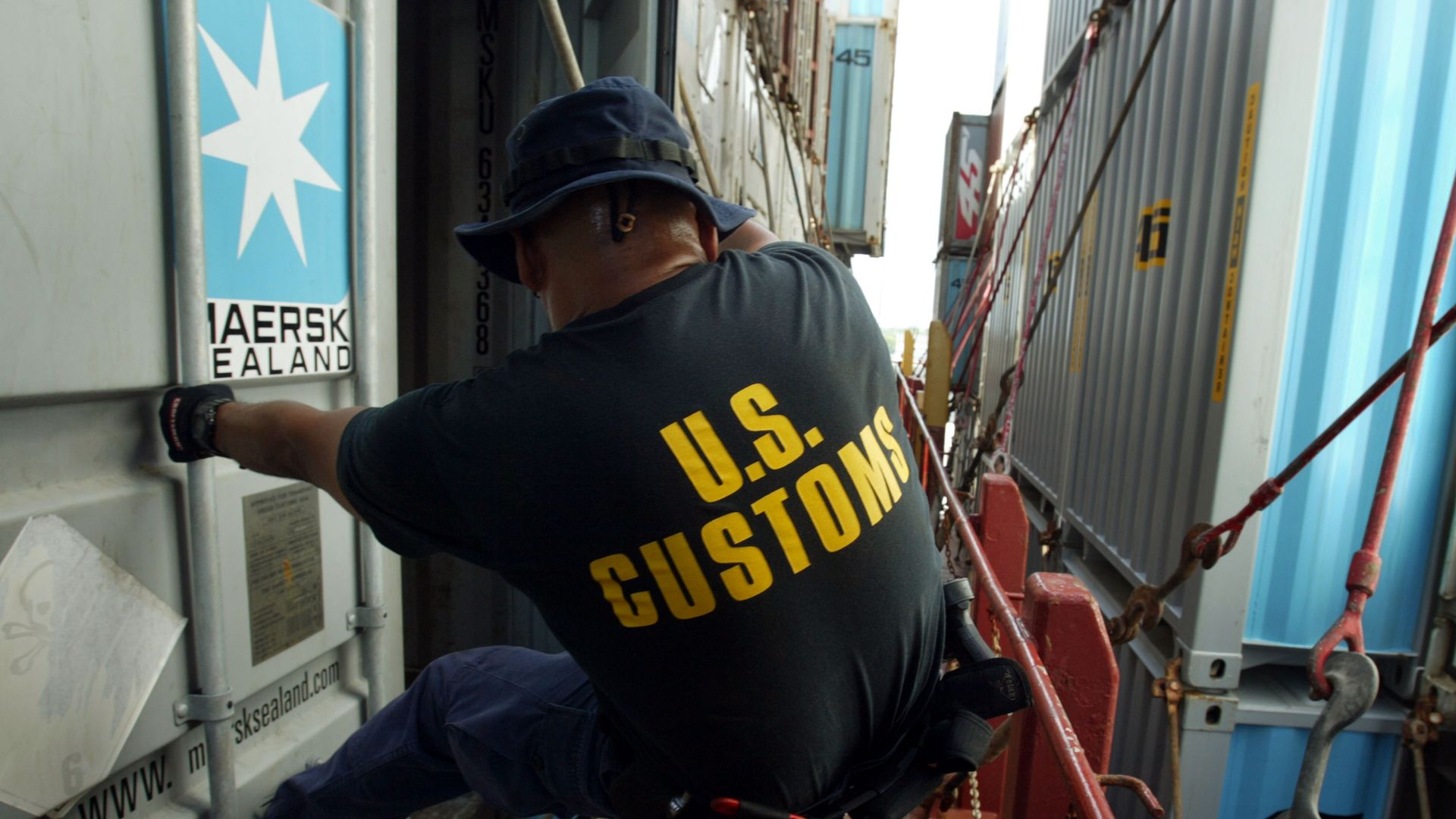
As Americans prepare to light up the skies this Fourth of July, the fireworks industry is sounding the alarm: without tariff relief, the nation's 250th birthday celebration in 2026 could be in jeopardy.
Global chief financial officers and investors are bracing for very different realities in the second half of 2025, per a new survey from advisory firm Teneo.
Why it matters: The divide between Wall Street and the C-suite — which has better first-hand knowledge of company fundamentals that drive earnings — could be a signal that investors are trading on vibes more than reality.
By the numbers: While 78% of money managers expect the global economy to improve in the back half of the year, per Teneo, only 43% of CFOs agree.
Between the lines: The CFOs surveyed are making significant moves following consistent policy shifts from the Trump administration.
86% are adjusting supply chains in response to economic challenges including tariffs, 84% report recent and continued changes to hiring, and nearly 25% are lowering earnings guidance due to policy uncertainty.
Zoom out: The decisions CFOs are making could affect not just individual company profits, but also the economic data driving decisions made by the Federal Reserve.
81% of CFOs surveyed report changes to administrative expenses, which include labor. If executives are trimming workers, hours offered, salaries or other personnel spending, that could show up in labor market data.
Yes, but: Capital expenditures remain strong, with half of the CFOs surveyed saying artificial intelligence is the driving force behind increased spending.
This could be a signal that executives are cutting costs in some parts of the business to fund tech expansion in others.
Tech disruption was also cited as the main catalyst for mergers and acquisitions, per the 132 global CFOs surveyed.
The intrigue: Only 7% of CFOs ranked buybacks as their first priority in terms of capital allocation, compared with 26% of investors.
But S&P 500 buybacks actually hit a quarterly record in the first three months of 2025, according to Charles Schwab.
Zoom in: CFOs based in the U.S. see a different path ahead for lower interest rates than CFOs abroad. 40% of global CFOs see rates rising over the next six months, while 77% of U.K. CFOs expect further cuts.
The survey wrapped at the end of May, before the stock market started to price in more than 90% odds of a rate cut by September.
The bottom line: While investors are leaning into the market rally, CFOs may be more cautious, hedging against policy uncertainty or economic slowdown while eyeing AI as an opportunity they can't afford to miss.
While bulls are cheering the stock market record, it's flimsy compared with gains in the rest of the world.
Why it matters: President Trump's flip-flop on trade with Canada last Friday is the type of policy volatility foundational to the Sell America trade, which is still driving gains in markets outside of the U.S
The S&P 500 was on track to hit a new record on Friday, but then sank when President Trump announced the termination of trade talks with Canada over a controversial digital services tax.
Within an hour, investors decided not to care, and stocks closed at an all-time high for the first time since February.
Why it matters: Wall Street is largely post-tariff. The market is a forward-looking machine, and it's already priced in better-than-expected trade deals before they are signed.
Walmart is diving into the rising Summerween trend — where Halloween meets the summer heat — with new "Summer Frights" sections in select stores, the retailer shared exclusively with Axios.
Why it matters: Halloween fans aren't waiting for fall to shop for the holiday, which is big money for retailers.







/2025/06/28/1751110310814.gif?w=3840)



/2025/06/27/1751053898689.gif?w=3840)