Microsoft plots a course for Year 2 of the AI PC

Add Axios as your preferred source to
see more of our stories on Google.
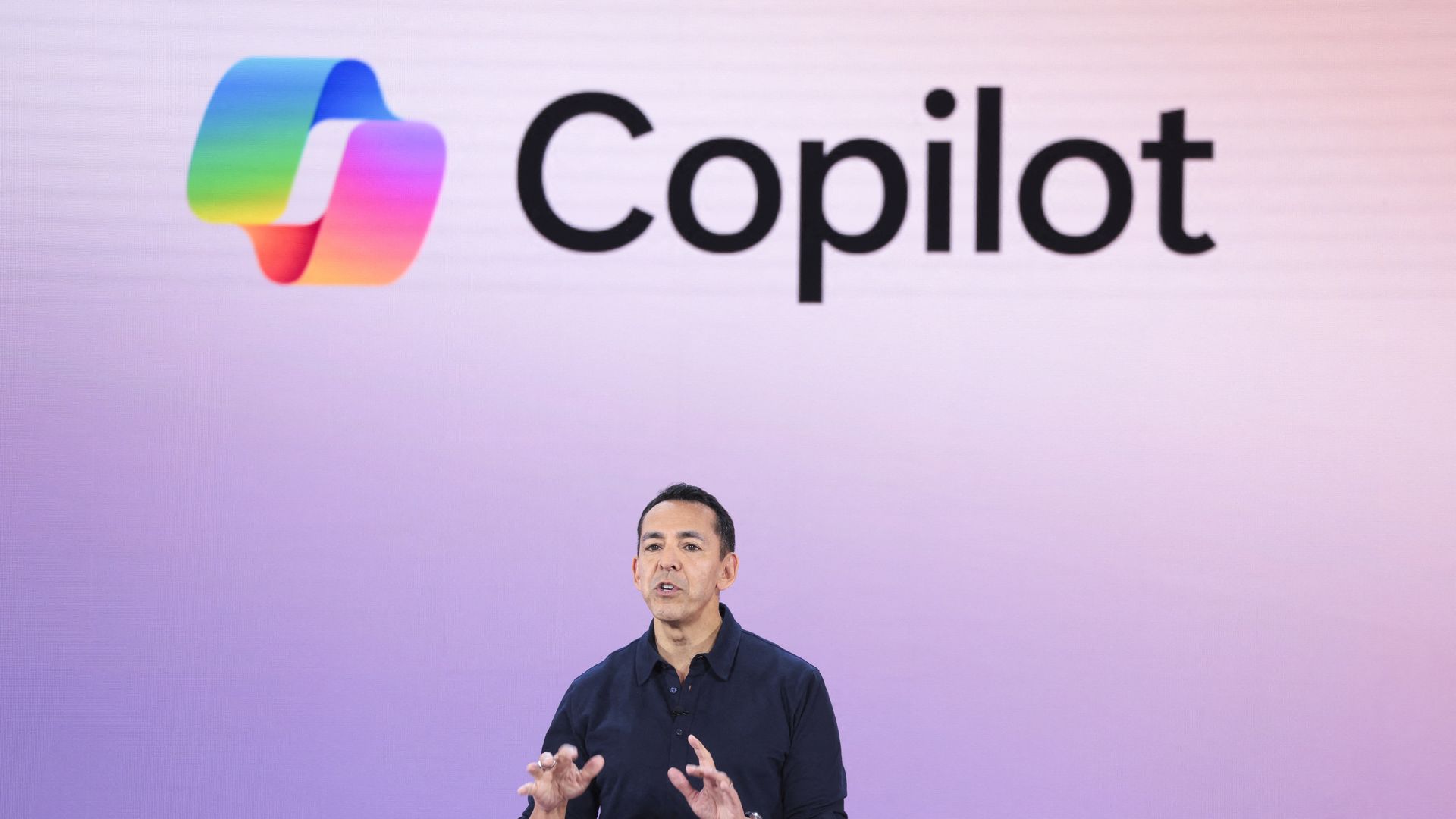
Yusuf Mehdi at Microsoft event. Photo: Jason Redmond AFP via Getty Images
Microsoft sees 2025 as a pivotal year for its Windows business with the end of support for its decade-old but still widely used Windows 10 operating system.
Why it matters: Microsoft is convinced it has the best case in years for Windows, driven by the rise of AI PCs and better performance and battery life comparisons against the Mac.
Driving the news: Microsoft plans to end support for Windows 10 on Oct. 14, which the company believes will fuel a massive PC upgrade cycle over the next few years.
- The company cites IDC data projecting that nearly 80% of businesses are planning to update their PC supplies by the end of the year, while 70% of consumers will buy a new PC in the next two years.
- Microsoft is investing heavily in AI across the board, saying Friday it plans to spend $80 billion on data centers this year.
By the numbers: Microsoft said that by the end of the holiday season, 10% of PCs sold were Copilot+ PCs (Microsoft's brand for computers capable of running AI apps natively), and it aims to have these computers account for the majority of sales within the next two years.
Between the lines: For all the promise of AI PCs, the category has yet to spawn a "killer app." When it comes to AI, most people don't do more than open a browser or perhaps use a native app that connects to their cloud-based chatbot.
- Many are betting on a truly personal assistant, perhaps run locally, that can answer questions about one's own information as easily as today's AI assistants answer questions about the broader world.
- "I think that is something that you can expect to happen in the near future," Microsoft EVP and consumer chief marketing officer Yusuf Mehdi told Axios.
Yes, but: Microsoft's plan to capitalize on AI PCs suffered a setback last year as the company was forced to delay Recall, which it had pegged as the signature feature of its first Copilot+ PC.
- Recall's delay was a missed opportunity during last year's holiday season, Mehdi acknowledged.
- "We definitely missed that opportunity to show AI's unique capabilities to tens of millions of people, if not hundreds of millions of people," Mehdi told Axios. "We would have loved to have had that this fall. ... We'll get there in a few months."
- The silver lining, Mehdi said, is that Recall's delay turned the focus back on pure performance and battery life. And, thanks to the adoption of Qualcomm's chips, Windows laptops are now competing far better against Apple's MacBook Air in areas such as performance and battery life.
What's next: A Windows 11 update this spring will make Recall finally broadly available and a second update later this year will accompany new hardware, Mehdi said.
- Mehdi expects a lot of third-party software makers to offer AI apps that run locally as the number of AI PCs grows.
- Microsoft, too, he said, has ideas beyond announced features like Recall and "Click-to-Do" that brings up different AI-assisted actions based on the content on the screen.
- Mehdi said Microsoft will also update its signature Office apps to take advantage of AI-capable hardware. "We have many ideas of things that we can do on the PC," he added.
Editor's note: This story has been corrected to say Microsoft is ending support for Windows 10 on Oct. 14 (not Oct. 25).
