War in Iran creates costly uncertainty for Columbus companies

Add Axios as your preferred source to
see more of our stories on Google.
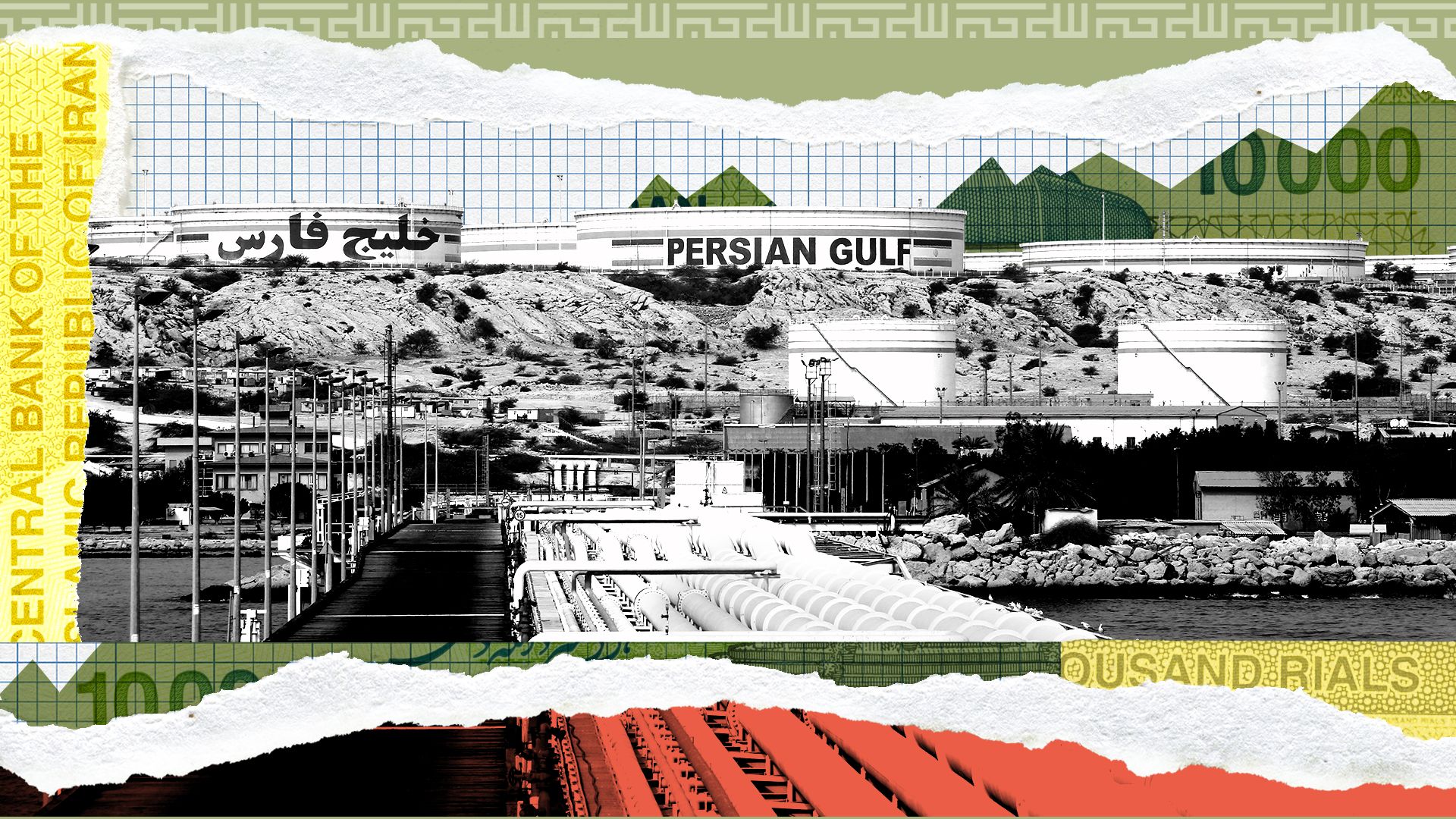
Illustration: Sarah Grillo/Axios. Photo: Atta Kenare/AFP via Getty Images
War continues in Iran, and Columbus-headquartered companies are feeling the effects firsthand.
Why it matters: The conflict is 6,000 miles from Columbus, but fallout from the war is affecting the bottom line for companies and their customers.
- Business leaders say pricing and logistics were already unstable before attacks began.
The big picture: Peace talks between the U.S. and Iran have stalled, with a ceasefire set to expire April 21.
- Oil prices and inflation are up, while consumers worry about the economy.
- The war has disrupted logistics and supply chains across the world.
For Columbus businesses operating in global markets, these effects are driving price increases, forcing difficult decisions and clouding long-term planning.
- To learn more about the war's local impact, Axios spoke to leaders from Hexion, a global chemical producer of resins and adhesives, and ODW Logistics, which manages shipping and supply chains nationwide.
State of play: ODW's fuel index increased by 35% in just a week at the start of the war, according to Joe Lopinto, a VP of operations in transportation management.
- Industry standard math is that 20% of a transportation bill is fuel — "so that has a direct impact on anyone's cost metrics right now."
Zoom in: Hexion president and CEO Michael Lefenfeld tells Axios about 10% of the world's methanol (a key material for their adhesives) and significant portions of other materials come from the Middle East, where transportation is disrupted.
- "I have to bring in more raw materials because I don't know what tomorrow is going to be."
Yes, but: Things weren't "normal" before the war began in late February.
- Lopinto says there's a typical cycle of a Q4 demand spike followed by a January drop in demand and a rate decrease. But that didn't happen as expected.
- Lefenfeld says it's been a matter of deciding: "Which fire to put out?"
Case in point: "I don't think ever, in my model, I thought, 'Oh, we'll have a tariff across the U.S.-Canadian border,'" Lefenfeld says.
- "It's all these different types of things that we have to stay nimble around and just figure out how to manage and absorb."
The bottom line: Disruption is substantial enough that even if the war ends today, it will take months — and a lack of further upheaval — before effects dissipate.
- "Even if everything goes perfectly, it'll take probably the rest of the year to get things moving again in the best way possible," Lefenfeld says.
- "(Fuel prices are) not predictable, and that uncertainty is making customers uneasy," Lopinto says. "Everyone is trying to figure out what the next six months to a year looks like."