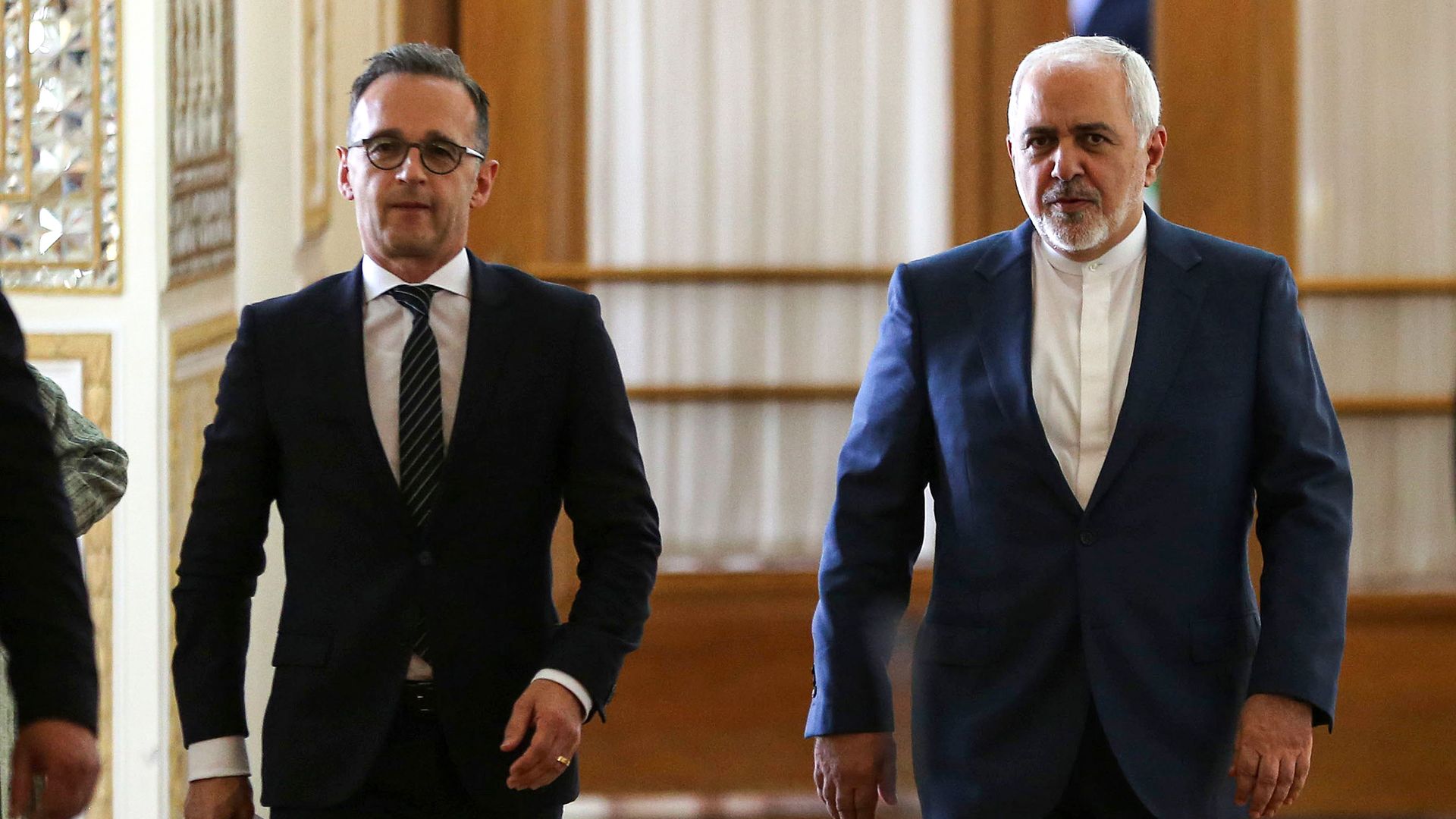
Iranian Foreign Minister Mohammad Javad Zarif issued a vague threat today, declaring that the U.S. "cannot expect to stay safe" after starting an “economic war” with Tehran.
Context: Zarif’s remarks came during a visit from his German counterpart, Heiko Maas, who called U.S.-Iran tensions “highly explosive and extremely serious.” Zarif also said Iran would continue to work with Europe to save the 2015 nuclear deal.
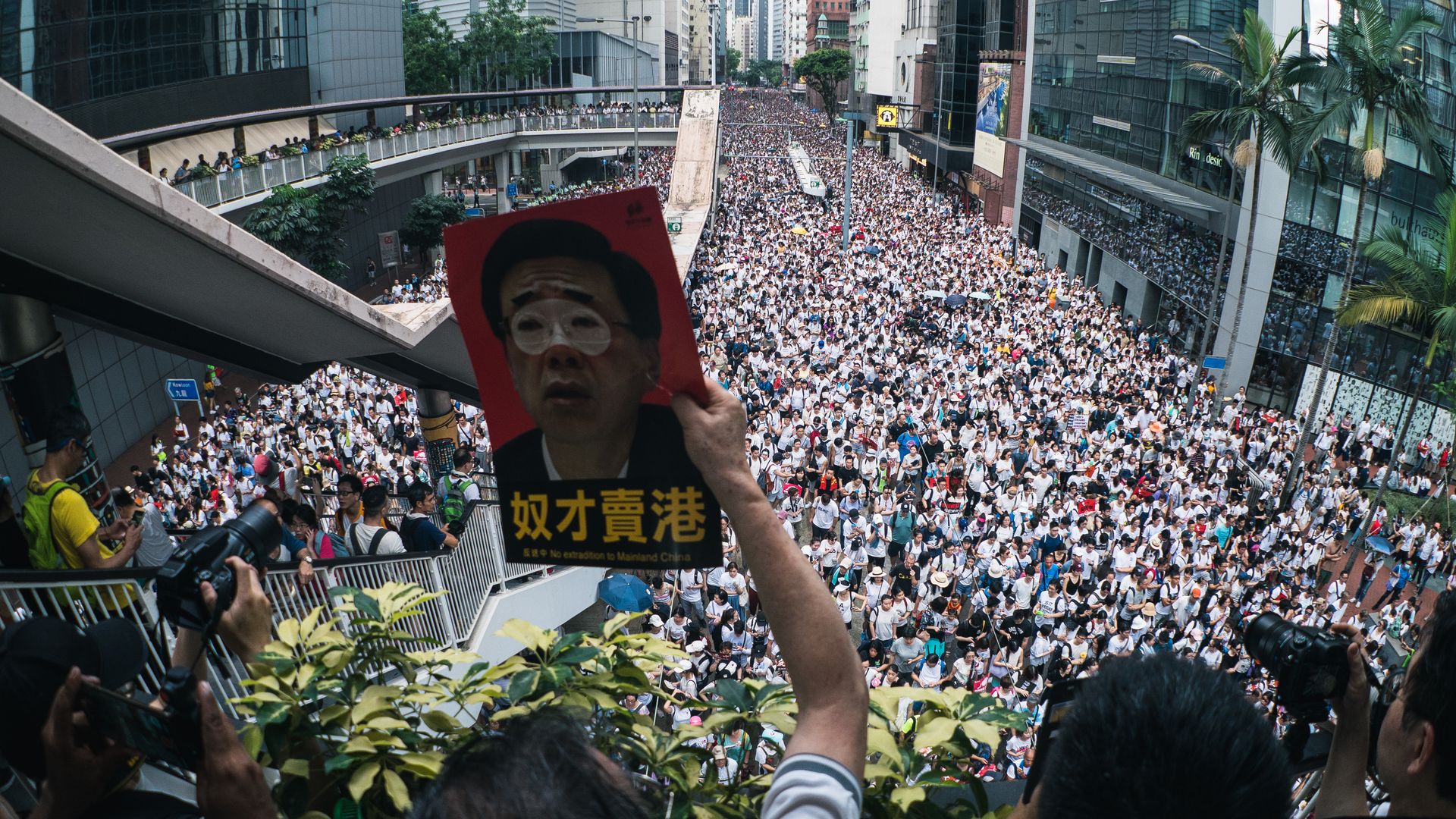
Riot police surrounded Hong Kong’s parliament Monday after some overnight clashes with officers following mass protests, as authorities vowed to press ahead with legislation that would allow the extradition of individuals facing charges to mainland China, Reuters reports.
Details: Hundreds of thousands of people protested throughout Sunday in response to the pending legislation that's due to go before the full legislature on Wednesday, per AP. Riot police clashed with hundreds of demonstrators after a march ended at government headquarters, according to AP and Reuters. The standoff ended in the early hours.
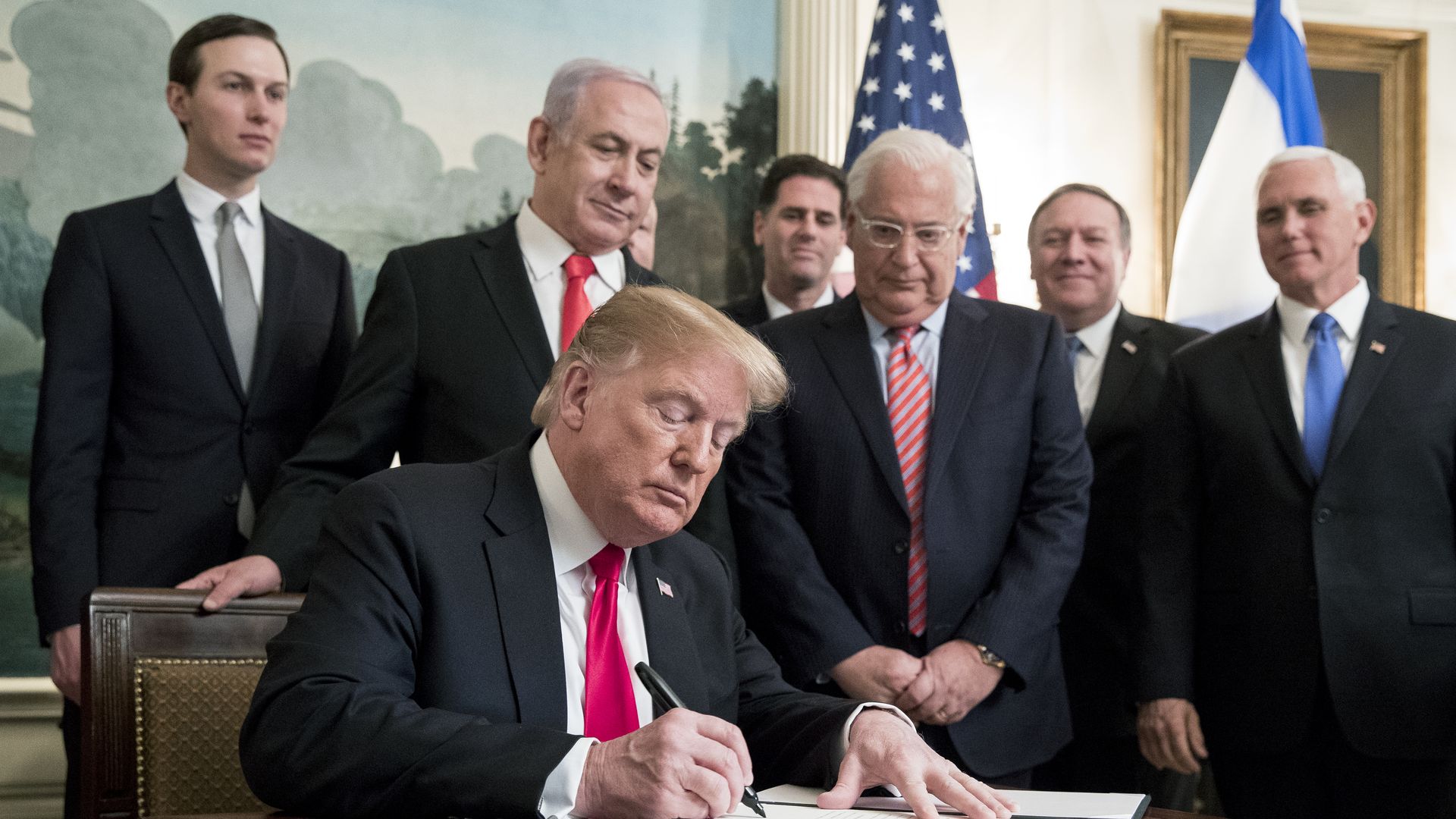
Israel still hasn't gotten a formal invitation to participate in the U.S.-led Bahrain conference, which will take place on June 25 and launch the economic part of the White House's Israeli-Palestinian peace plan. The U.S. told Israel that it must first get more confirmations from Arab and Muslim countries, according to Israeli officials.
Why it matters: Israeli officials say the fact that Israel still hasn't gotten a formal invitation is a sign of difficulties the Bahrain conference faces as a result of Palestinian pressure on Arab and Muslim countries not to attend. The officials told me the U.S. is concerned by the fact that Egypt, Jordan and other Arab and Muslim countries haven't published statements on their intention to attend the conference.
The Washington Post and The Guardian websites appear to have been added to China's "Great Firewall" blacklist, blocking internet users from visiting two of the last English-language media outlets accessible from the mainland without a VPN, the Post reports.
The big picture: The Chinese government, which blocks more than 10,000 web domains, escalated its censorship efforts in the weeks leading up to the 30th anniversary of the Tiananmen Square massacre, preventing WeChat users from using keywords or posting pictures related to the incident, the Post reports. It's not yet clear whether bans on the Post and other outlets that wrote stories about the anniversary will be permanent.