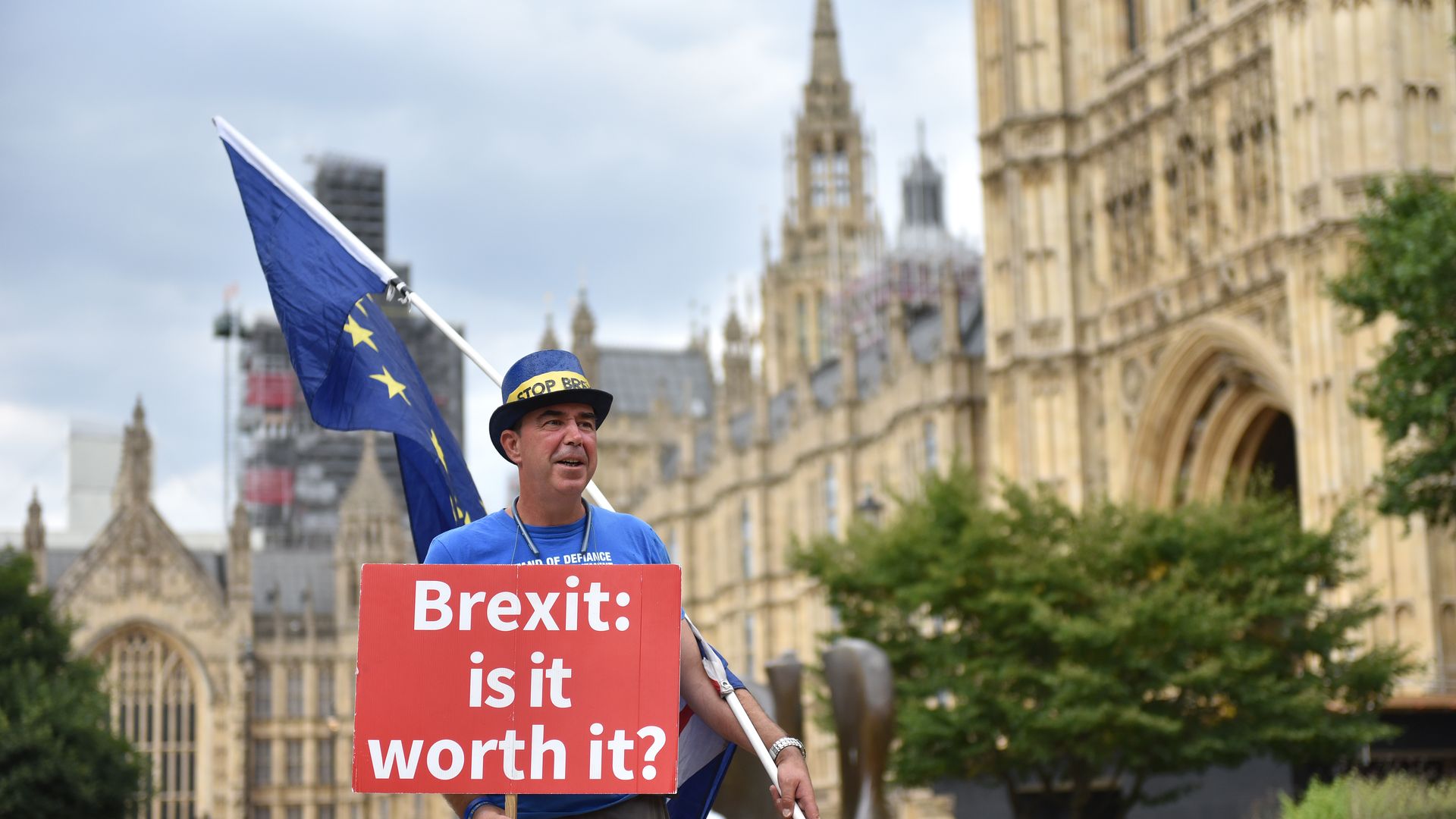
More than 25% of the 403 constituencies of British Parliament that voted to leave the European Union in 2016 now oppose Brexit, according to data reviewed by The Guardian.
The big picture: The majority of parliamentary seats now favor remaining in the EU, a shift driven largely by members of the Labour Party in northern England and Wales who originally voted to leave. But even if attitudes hadn't changed, analysis shows that trending demographic changes in the U.K. would be significant enough to reduce support for Brexit by 2% in 2019, 4% in 2021, and more than 7% in 2026.
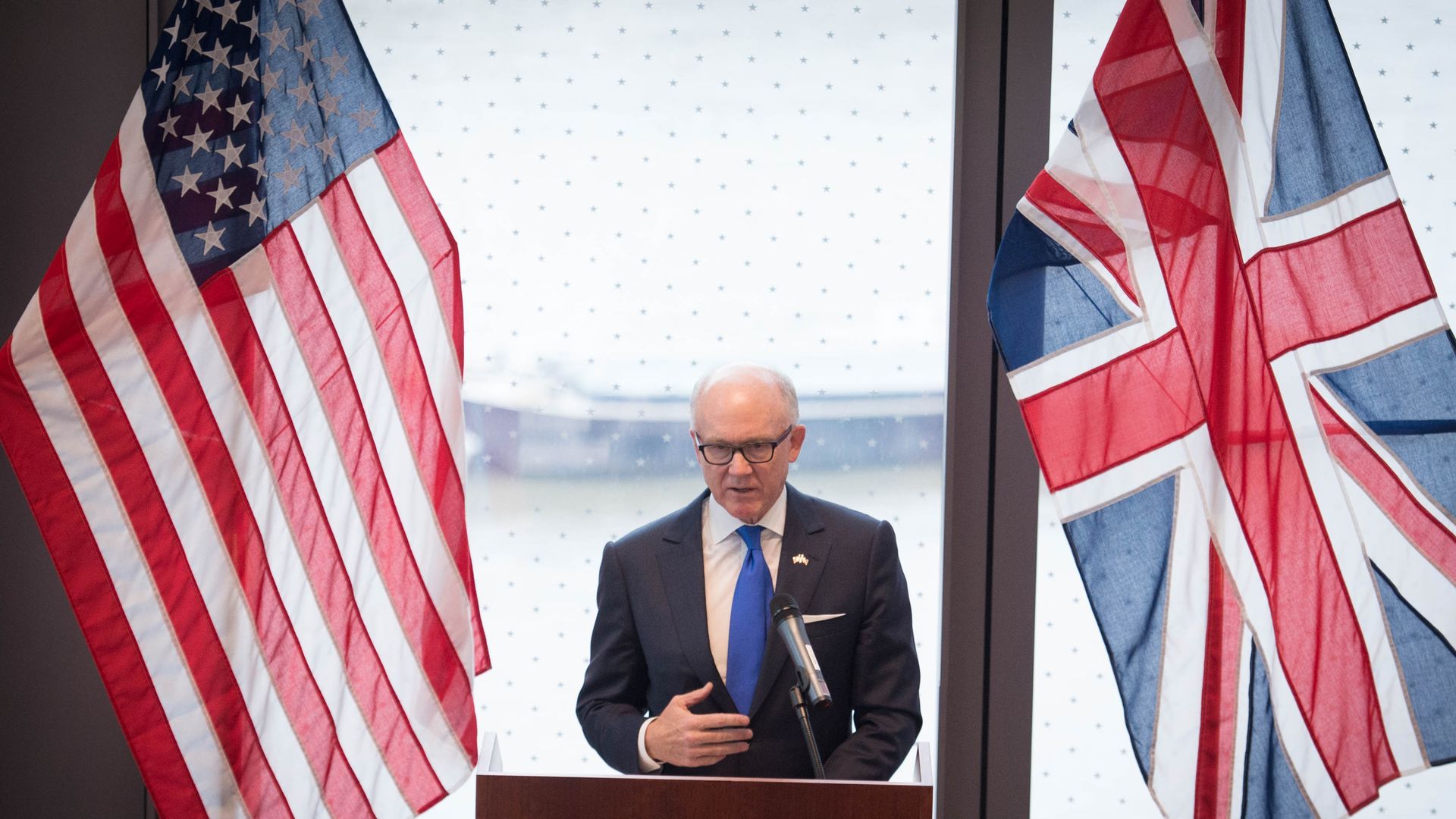
In a Sunday Telegraph op-ed, U.S. Ambassador to the United Kingdom Woody Johnson called on the British government to move on from the "flawed" Iran deal and side with President Trump in complying with Iranian sanctions.
Why it matters: The U.K. is one of several countries, along with the EU, China and Russia, that has pledged to protect companies that continue to do business with Iran. Unlike those implemented prior to the 2015 nuclear deal, Trump's recent round of sanctions do not appear to have the broad international support necessary to apply maximum economic pressure on the Iranian regime.
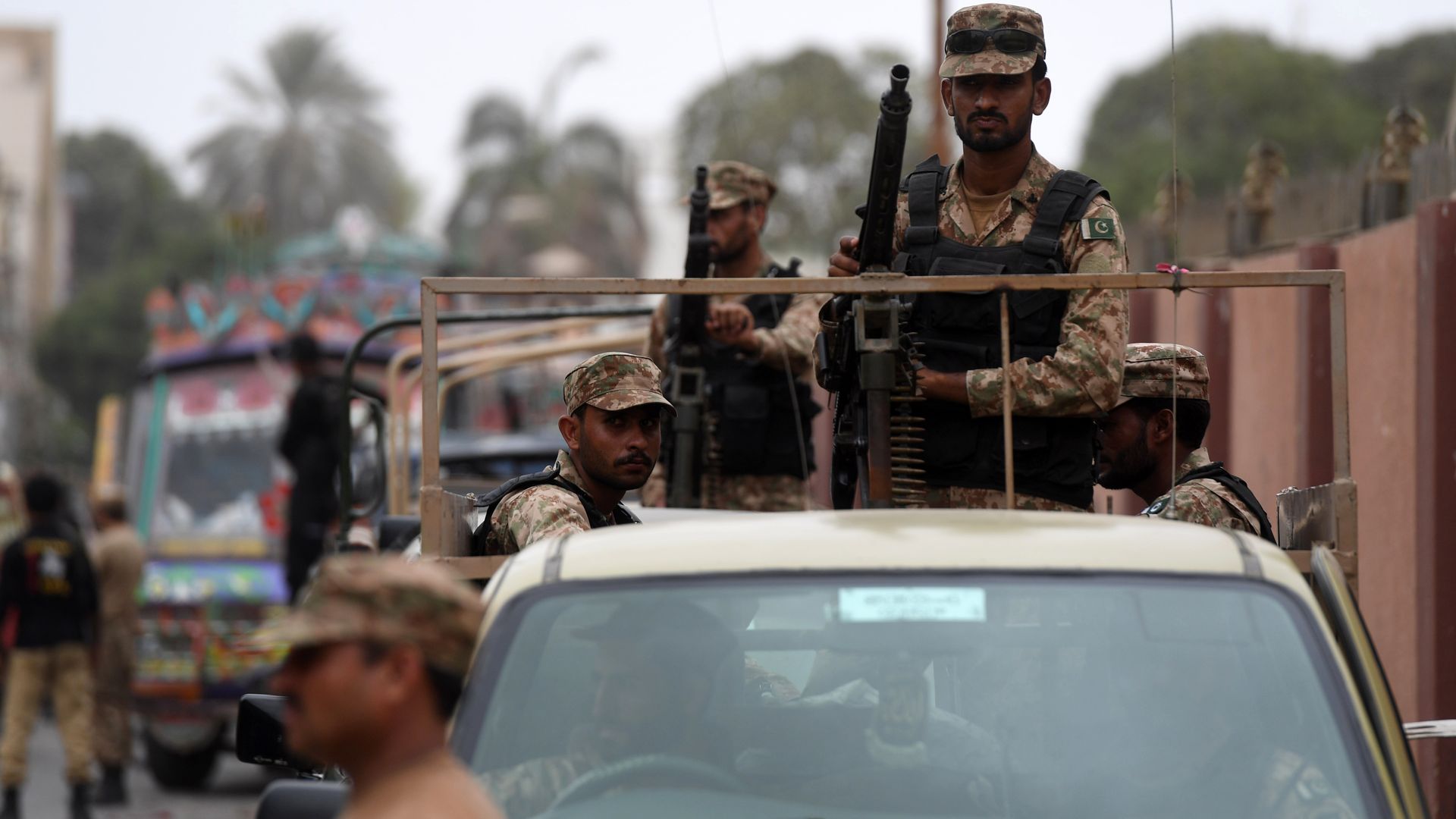
Pakistan and Russia signed an agreement this week that said Pakistani military officers would be trained at Russian Federation military institutes, the Associated Press reports.
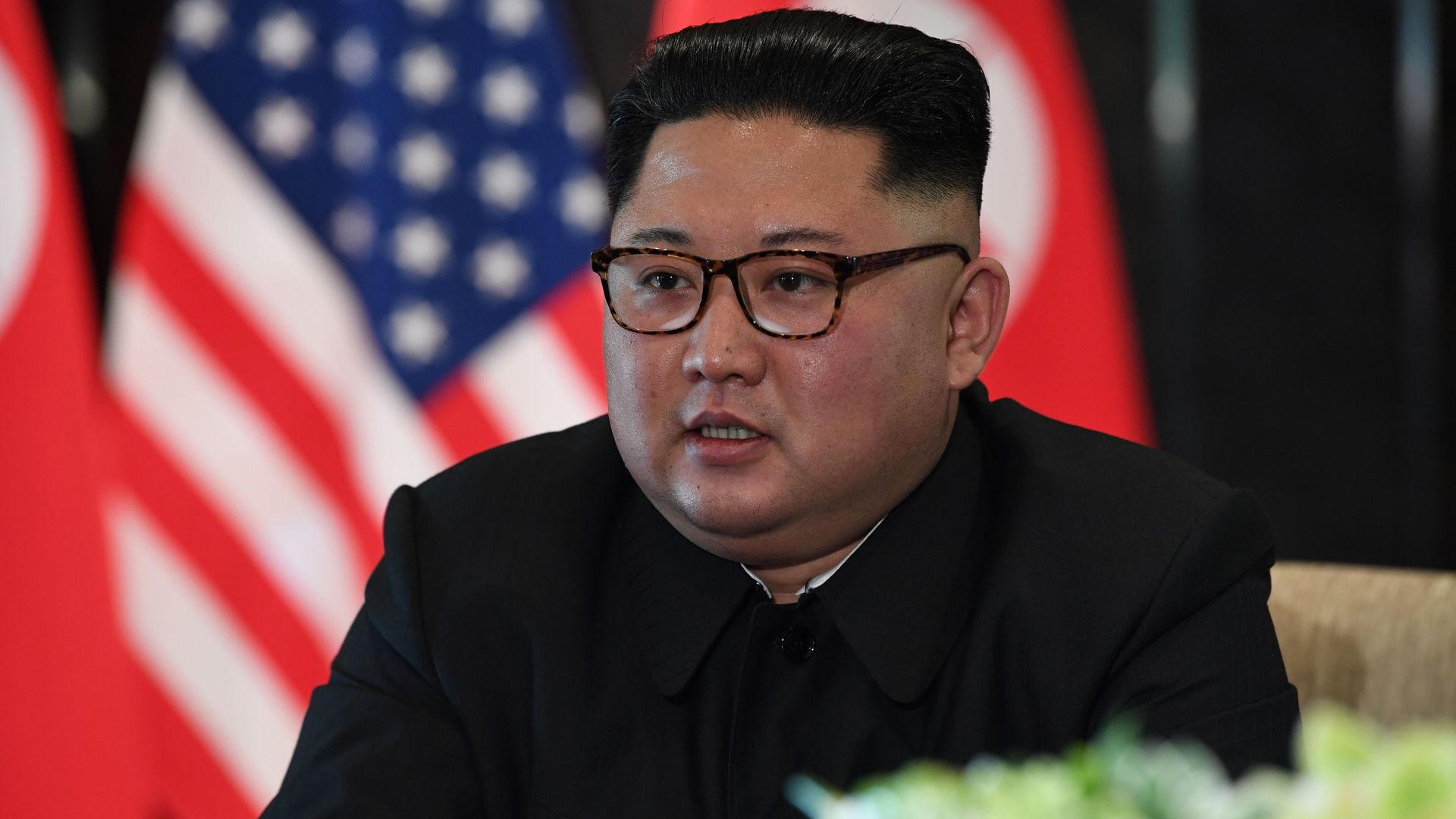
Before talks with North Korea can progress, the U.S. must officially declare the Korean War over, the New York Times' David Sanger and William Broad report.
The big picture: While President Trump has maintained that his meeting with North Korean leader Kim Jong-un was a success, according to the Times, the regime is refusing to provide documents of its nuclear weapons, stockpiles, and production sites.
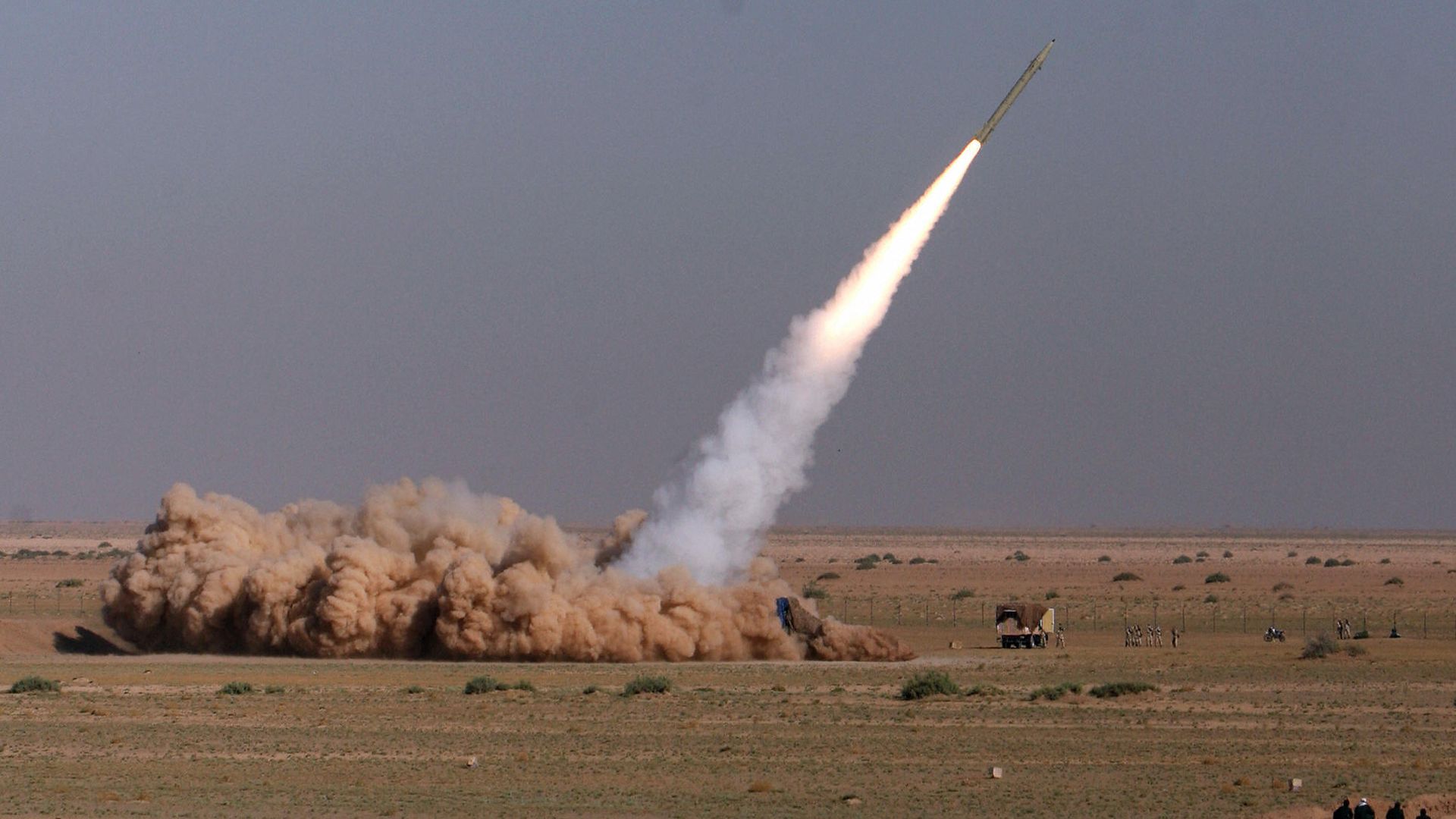
Iran fired a ballistic test missile for the first time in over a year last week, just days before the United States hit the country with sanctions on Tuesday, Fox News reports citing multiple U.S. officials.
Why it matters: This is the first missile test the country has launched since the United States pulled out of the Iran deal earlier this year. Though there were no U.S. assets near the missile launch, it is still viewed as an "act of defiance." The secret military activity by Iran was intended to "send a message" to the U.S., according to a top commander for U.S. forces in the Middle East.