Monday's world stories

Aug 14, 2017 - World
Fears of a U.S.-North Korea war have dropped
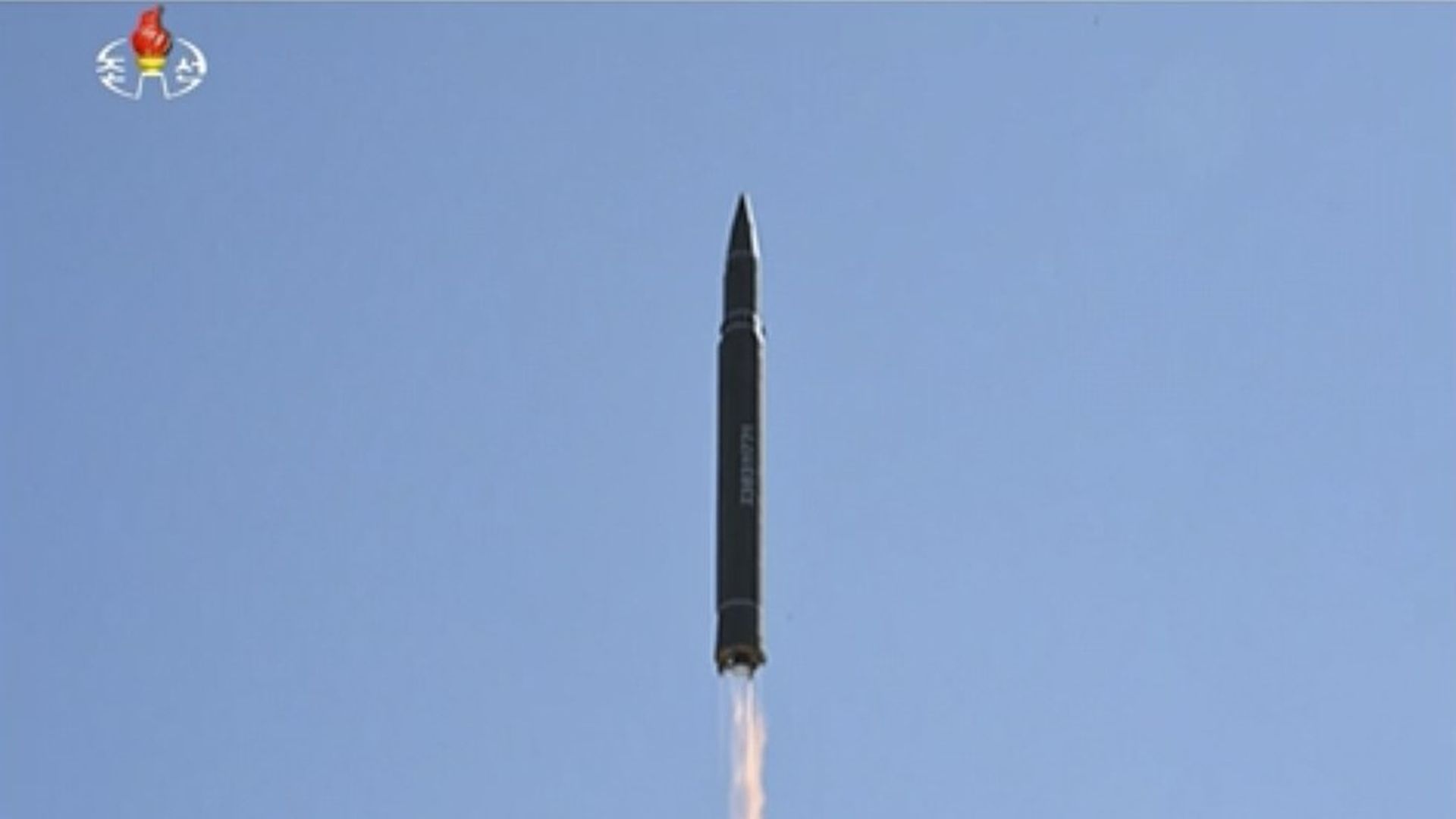
Investors have decided that, at least for now, war between the U.S. and North Korea is much less likely than it seemed last week, sending up stocks today with their greatest gains in at least two months.
- The Dow Jones was up 0.6% and the S&P 500 by 1%. Closer to the theater of potential war, South Korean stocks rose 0.6%, and Hong Kong by 1.36%.
- North Korean leader Kim Jong Un "is big on using coercive diplomacy to move closer to what he wants ... but he doesn't intend to fight," said James Lewis at the Center for Strategic and International Studies, speaking to Axios last Friday.
- "He'd like to split the United States and South Korea. But he doesn't want war. He knows what will happen as well as anyone."

Aug 14, 2017 - World
China cracks down on big tech
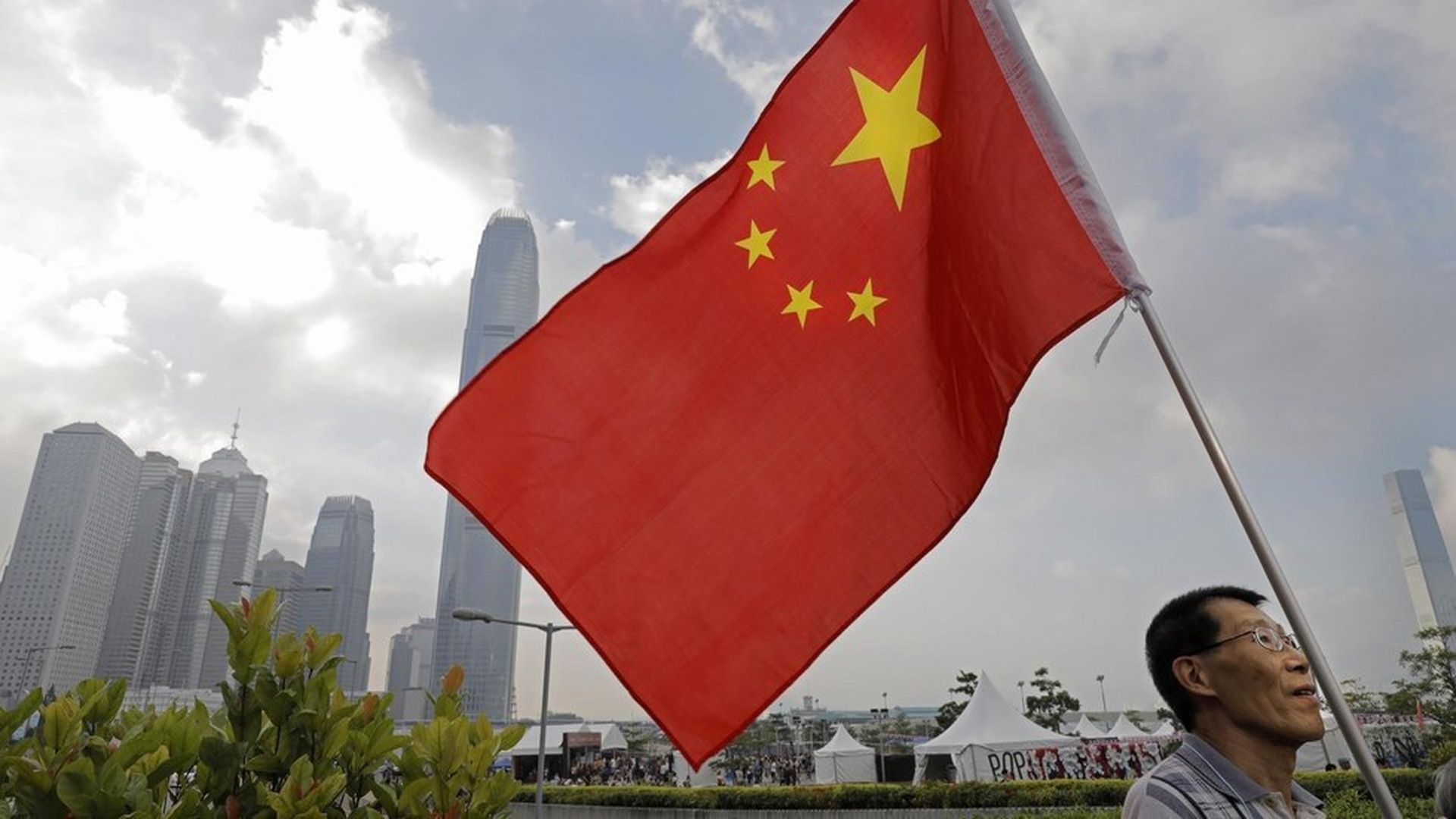
Beijing regulators are cracking down on global tech companies trying to penetrate the lucrative Chinese consumer data and communications market.
- Why it matters: China has emerged as one of the most lucrative markets in the new global trade war for consumer data. It's leveraging that position for power and security, putting strains on global tech companies' ability to penetrate the Chinese market. The crackdowns are reflective of the position China has taken on censoring communications to retain power and control.
- The latest: China has added WhatsApp to its list of blocked properties in the country and cracked down on apps within Apple's App Store in China that allow users to get around content filters. The government is threatening action against some of its biggest tech monopolies, like Tencent and Baidu, arguing they pose national security threats.
- Companies look for shortcuts: On Friday, it was reported that Facebook authorized a copycat app to be built in China that could be used for photo-sharing, since Facebook has been blocked there since 2009.

Aug 13, 2017 - World
The world's top cyber powers
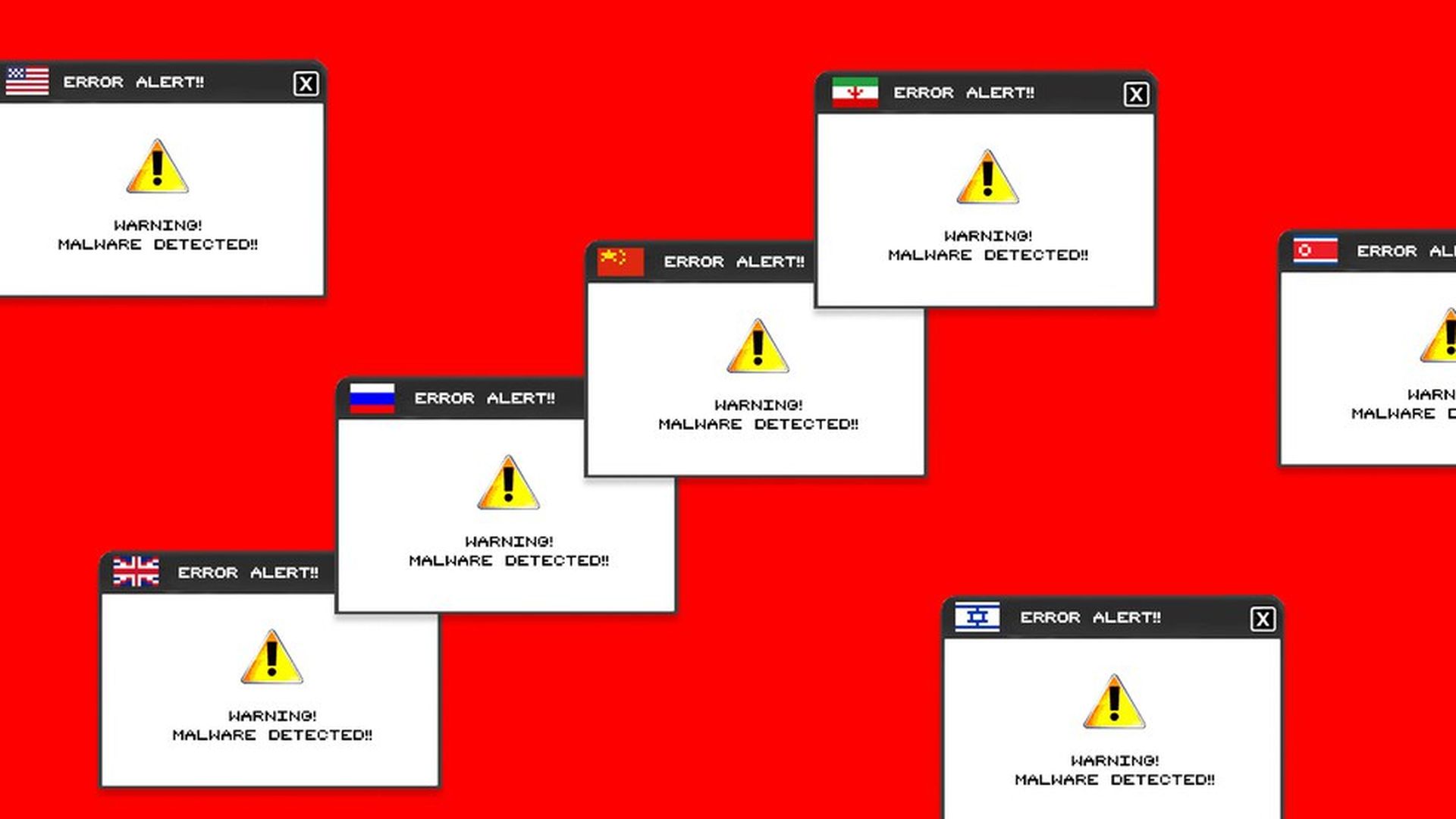
Cyber attacks have started causing disruption and confusion in day to day activities across the world, from the WannaCry attack this May, which hit hospitals and swept through hundreds of countries, to the 2015 hack that shut down Ukraine's power grid.
So what countries should we be most wary of in the cyber realm, and what kinds of attacks does each of these top hacking countries tend to launch?