Tuesday's world stories

What you missed around the world during the Mooch saga
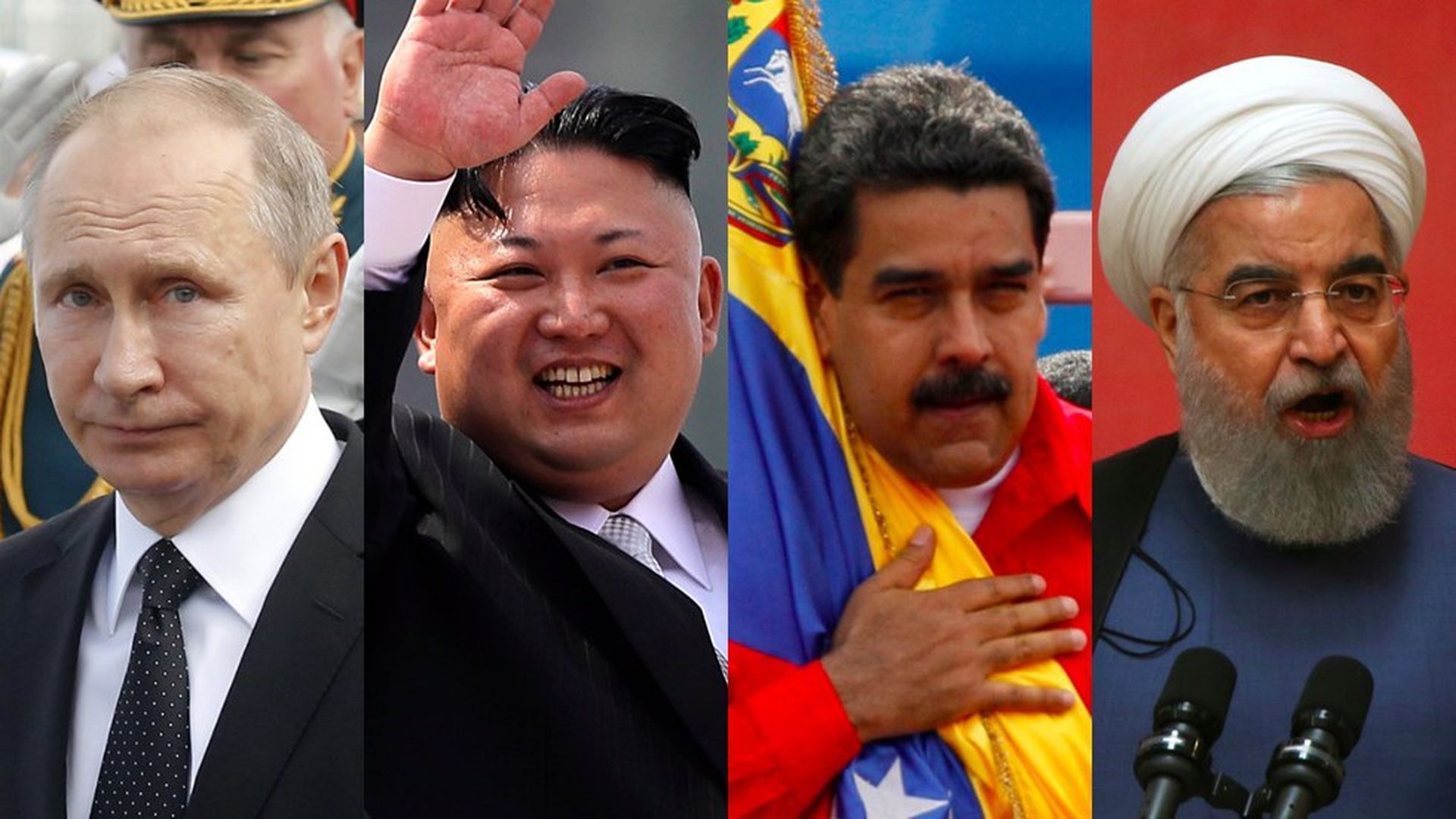
The departures of Reince Priebus and Anthony Scaramucci from the White House that bookended the weekend sucked up most of the media's attention. During that time, the United States found itself at the center of some massive international developments.
The two big U.S.-driven storylines: Branding Venezuela's leader as a dictator following a highly controversial vote over the weekend, and causing serious waves around the world with a sanctions bill against Russia, North Korea, and Iran that passed both houses of Congress.

The U.S.-China trade tug of war
Chinese Vice Commerce Minister Qian Keming, said Monday that Chinese-U.S. trade should not be a part of North Korea security threat issues since "They are not related."
- This comes on the heels of Trump's weekend tweets, in which he noted he is "very disappointed in China" since they "make hundreds of billions of dollars a year in trade, yet...they do NOTHING for us with North Korea, just talk. We will no longer allow this to continue."
- China is North Korea's biggest trade partner, and the U.S. and other allies have been applying pressure on China to reconsider its role in the North's funding.
- Between the lines, from Axios' Mike Allen: Both sides in the U.S.-China tug of war appear to be escalating rather than defusing.

The U.S. is picking up vacationing Russian hackers
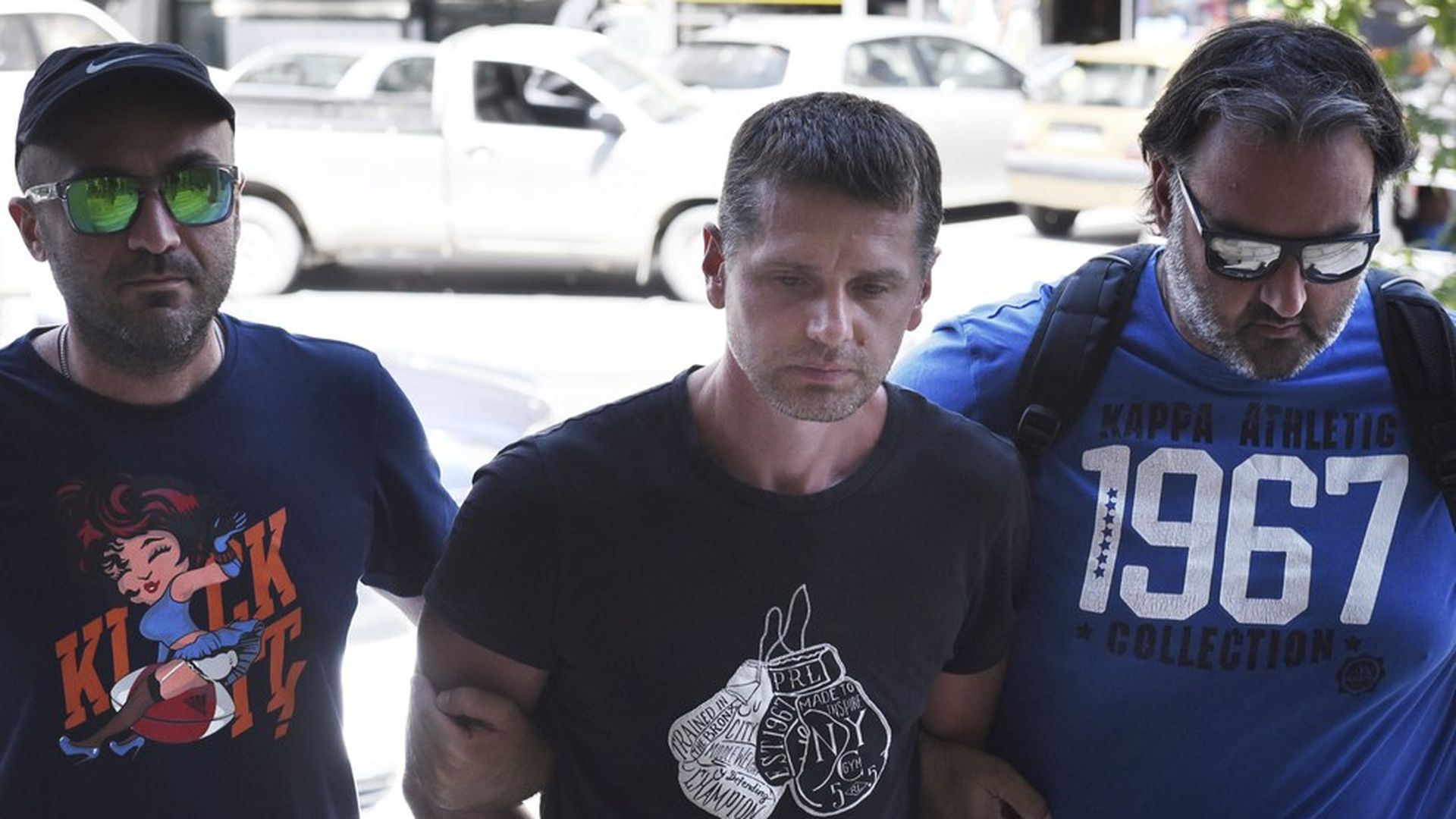
The United States has carried out a largely unheralded roundup of big Russian hackers over the last year, grabbing them on vacation in Barcelona, Prague and Greece, per the AP.
- The arrests come as Russia's security services have struck a strategic agreement with the country's cyber criminals, allowing them to work as long as they also conduct state-ordered missions, experts tell Axios.
- By the AP's count, at least five Russian hackers have been arrested, including Alexander Vinnick, the operator of one of the world's largest bitcoin exchanges, who was picked up July 25 while vacationing with his family in northern Greece on charges of allegedly helped criminal syndicates launder money.
- Why it matters: None of those picked up has any publicly known connection to the most notorious of Russia's cyber-led hybrid war — the hacking of the U.S. and European elections over the last 18 months. But the arrests are intended as a U.S. message that Russia's increasingly intelligent cyberwar cannot be carried out with impunity, Jim Lewis, of the Center for Strategic and International Relations, told Axios.