Friday's world stories

We sorted through the Michael Flynn mess so you don't have to
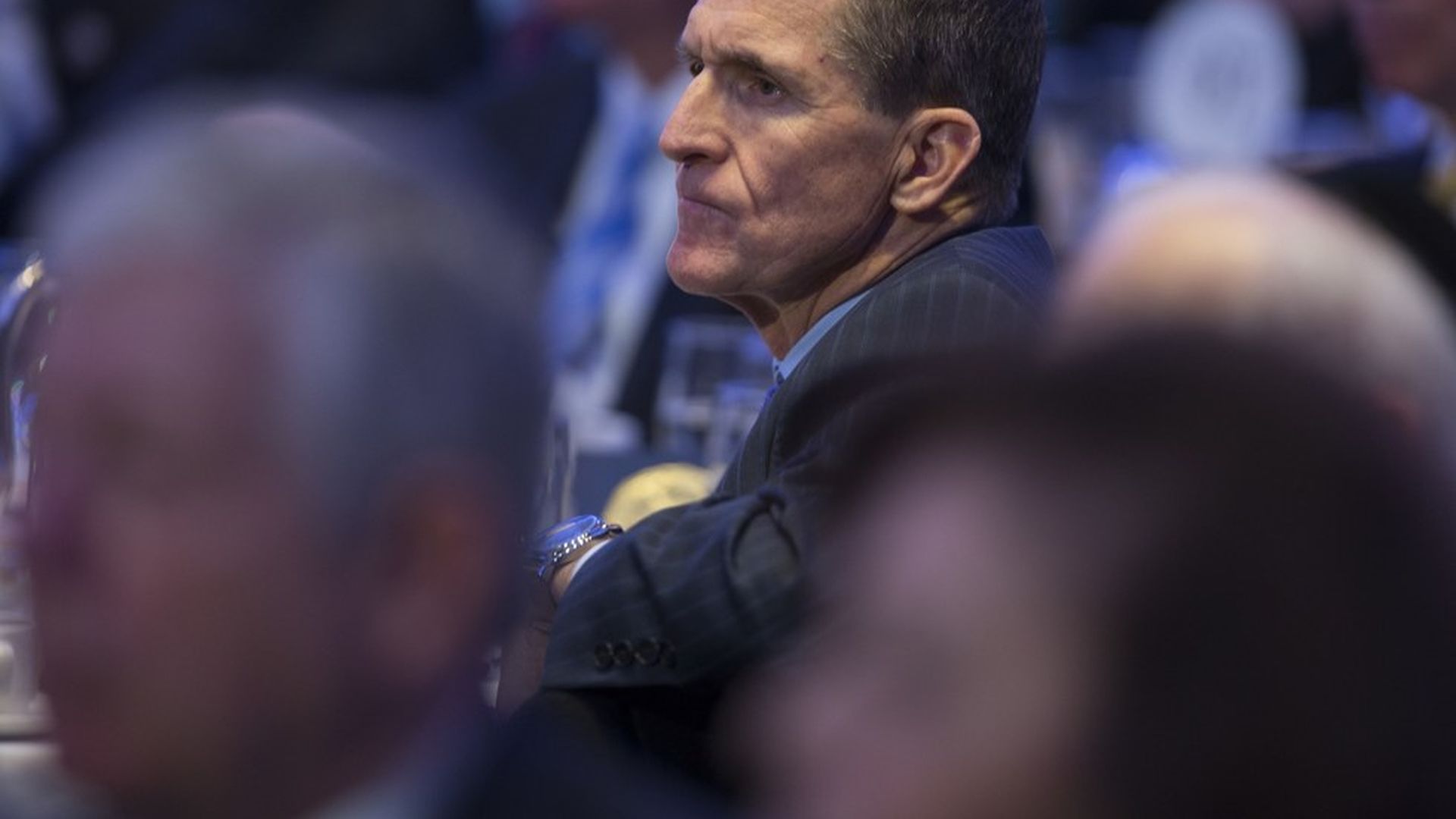
Somebody was lying, or, in the most charitable reading, incredibly forgetful.
Trump's national security adviser Michael Flynn originally categorically denied that he'd privately discussed sanctions against Russia with that country's ambassador, shortly after the Obama Administration applied new penalties to retaliate for Russia's election interference.

China cracks down on bitcoin
China has put the kibosh on the cool new way to sneak money out of the country: bitcoin. Reuters reports that the number of trades on three of China's most popular bitcoin exchanges plummeted from 13.8 million on January 5th to just more than 120,000 on February 9th. The government has achieved this in part by convincing the exchanges to charge a 0.2% fee on every transaction, a levy that may defeat the purpose of moving money in the first place.
Why it matters: A slower growing economy and an underdeveloped financial sector have left ordinary Chinese with few options to invest their substantial savings. To avoid rules against taking money out of the country, many Chinese have turned to bitcoin, and now we're seeing the government close down that avenue as well.
The latest fuel for China's debt bubble
Since the end of the debt-fueled financial crisis, China has quietly embarked on a debt binge of its own.
Source: Bank of International Settlements
The Wall Street Journal reports on the latest trend in the Chinese economy: non-bank corporations lending other firms' money. This is after China has finally begun to clamp down on easy bank lending, making it difficult for many companies to borrow to grow or keep their operations afloat.
While the American financial crisis began with a real estate debt bubble, the Chinese run-up has been concentrated in the corporate sector as the Chinese government stimulated its domestic economy by instituting a policy of easy credit to its massive domestic infrastructure and export industries.
Why it matters: That large, cash-rich companies would rather lend their money to other companies than invest in their own operations is a warning sign in its own right. These statistics are the strongest evidence that China is headed for a period of significantly lower growth, as its economy is weighed down by unproductive debt.

Trump told Putin the Obama nuclear pact was a bad deal
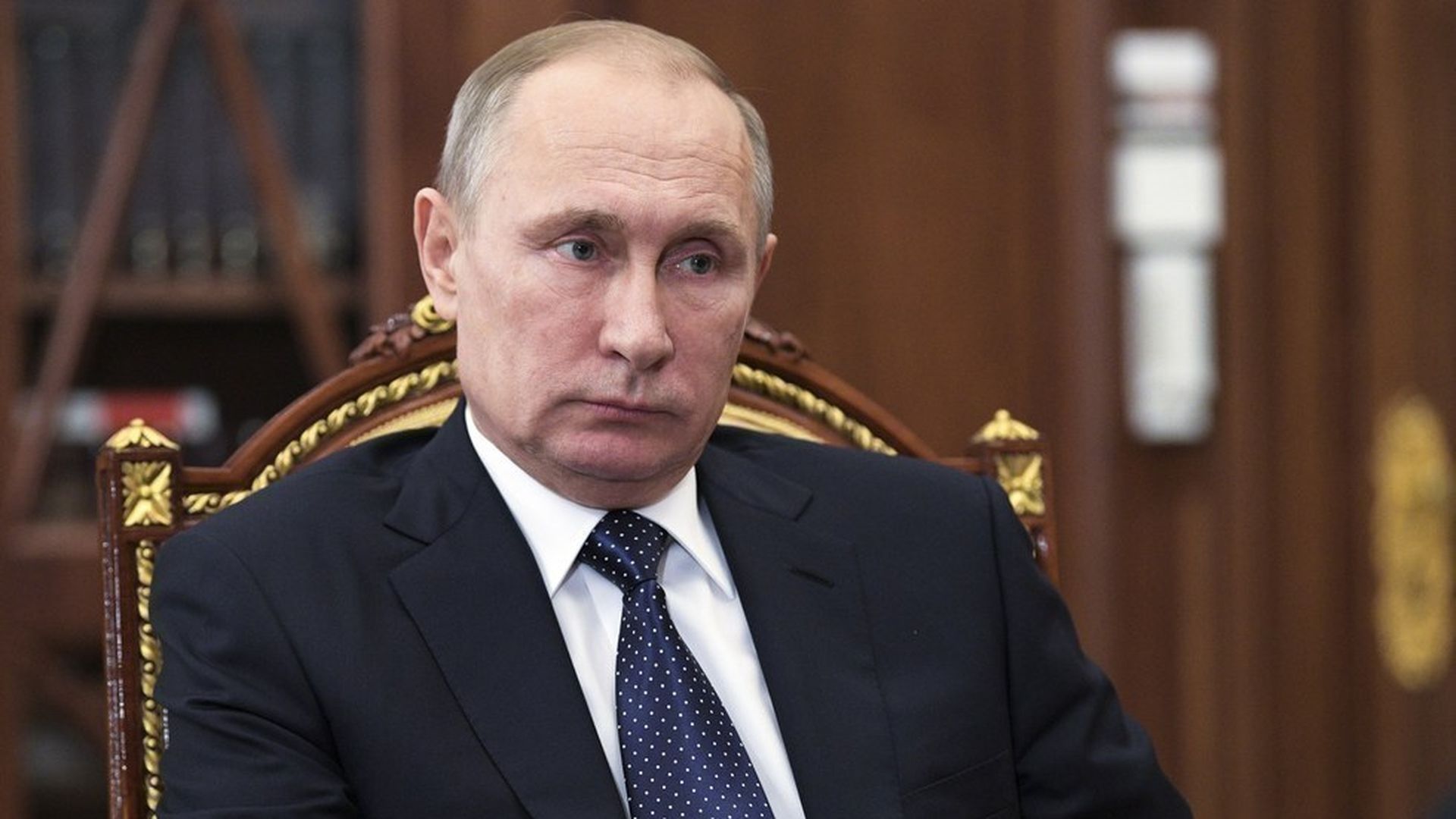
When the 2010 nuclear arms deal between Russia and the U.S. came up in the recent call between Trump and Putin, here's what happened, according to Reuters:
- Trump paused the call to ask aides what the treaty was.
- Trump told Putin it was a bad deal.
Reuters cites "two U.S. officials and one former U.S. official with knowledge of the call" for this extraordinary leak. How extraordinary? A line from the story: "Reuters has not reviewed the notes taken of the call, which are classified." The White House and the Kremlin declined to comment to Reuters.