The NFL season kicks off tonight in Kansas City, but a lot has changed since the Chiefs hoisted their trophy in February including new economics, experiences and politics.
Axios Re:Cap digs in with ESPN football analyst Mina Kimes.
The Chiefs beat the 49ers in Super Bowl LIV on Feb. 2. One day later, the U.S. declared COVID-19 a public health emergency.
The big picture: A lot has happened in the 223 days since then, highlighted by Tom Brady's arrival in Tampa Bay via free agency and Joe Burrow's arrival in Cincinnati via the NFL's first-ever virtual draft. Teams aced the training camp protocols, but without any preseason games, expect to see some rust when they finally take the field for game day.
Minor League Baseball (MiLB), whose season was already canceled due to the pandemic, is staring down a historic contraction once its agreement with Major League Baseball (MLB) expires on Sept. 30.
Why it matters: Roughly 42 of the 160 affiliated minor league clubs are set to lose affiliate status by the end of the month, drastically changing the future of not only the affected clubs, but the minor leagues as a whole.
College football has become a key political issue as the 2020 election approaches, and the impending NFL season will only ratchet up the intensity around empty stadiums and player protests.
Why it matters: Football is America's most popular sport. And considering 43 of the top 50 most-watched TV broadcasts last year were football games, it's arguably our most popular form of entertainment, period.
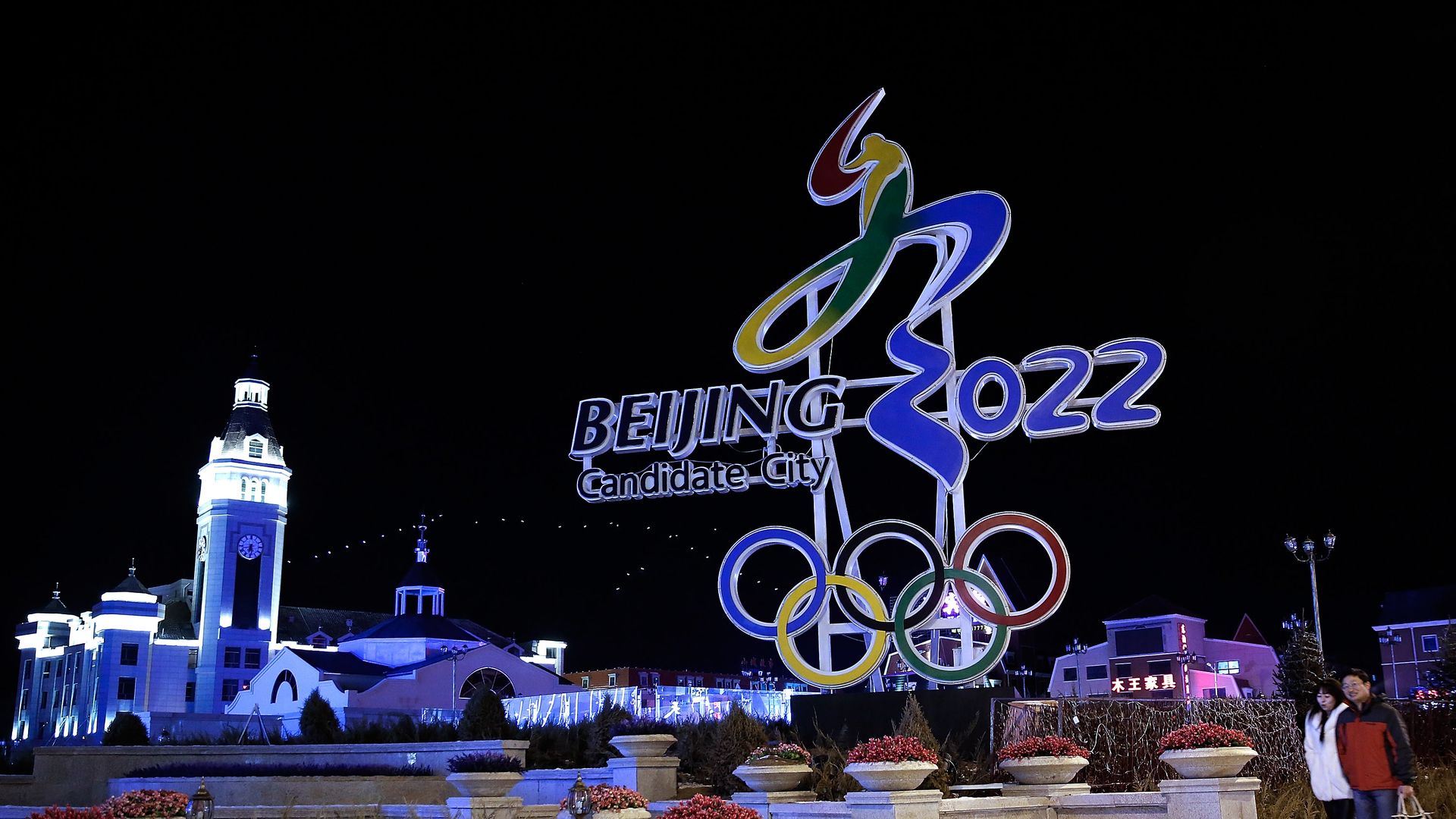
More than 160 human rights groups called on the International Olympic Committee to revoke China's award of the 2022 Winter Olympic Games over the country's human rights abuses, Reuters reports.
Why it matters: The letter represents "the largest coordinated effort" yet against staging the Beijing games, coming amid heightened scrutiny of China's mass detention and repression of Uighur Muslims and other ethnic minorities, according to Reuters.