AI companies have competed on having the best and often most dangerous models for years. Now, they're pivoting to a new focus: cost.
Why it matters: The biggest risk to the AI boom is demand, and recent innovations to make models cheaper while maintaining powerful levels of intelligence have offered a bullish signal.
As the prices of top models from OpenAI, Anthropic and others come down, usage is increasing dramatically, a trend that points to the kind of demand that will be necessary to justify trillions of dollars in spending.
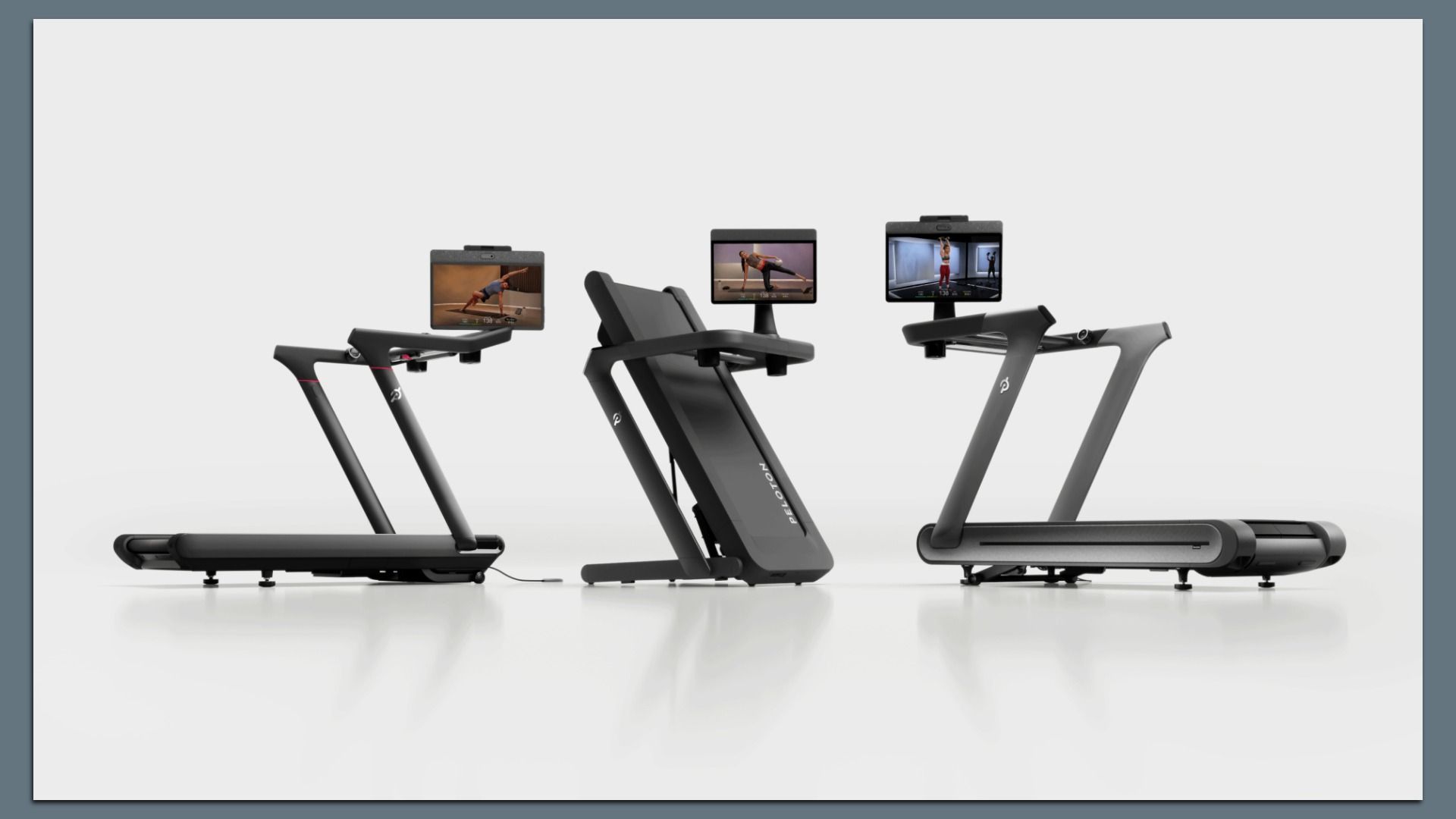
Peloton is debuting its first foldable treadmill — also its most affordable one ever — and new AI-powered coaching tools in a deeper push into running.
Why it matters: The fitness brand — which has been struggling to stem a slide in subscribers since its post-pandemic peak — wants to broaden its image beyond its trademark bikes and classes.
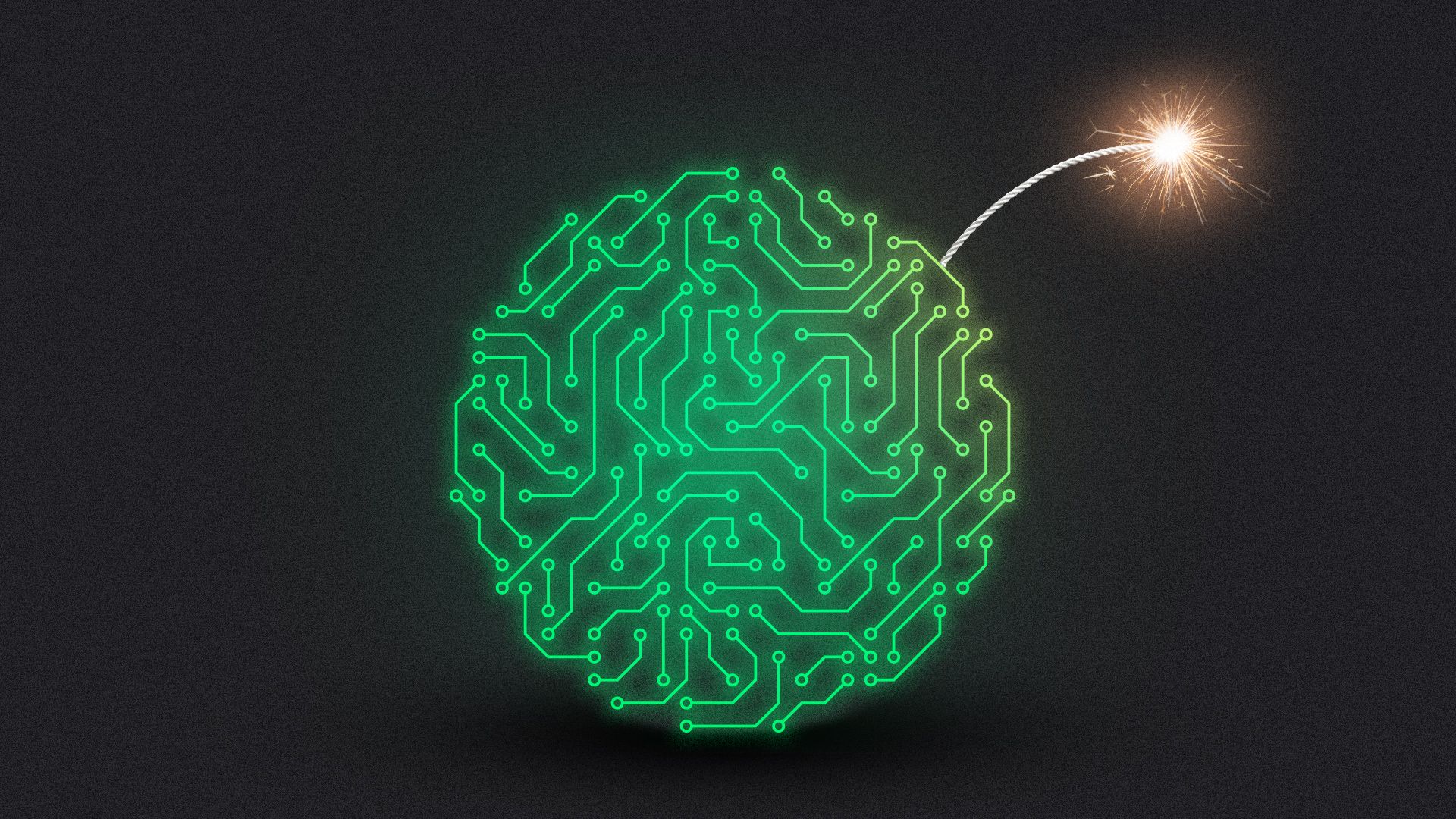
Of the various ways experts fear AI could kill us all, one is slowly moving closer to reality: AI learning to make itself unstoppable.
Why it matters: Recursive self-improvement, the ability of an AI model to build better versions of itself without human guidance, could make increasingly capable systems harder for humans to control.
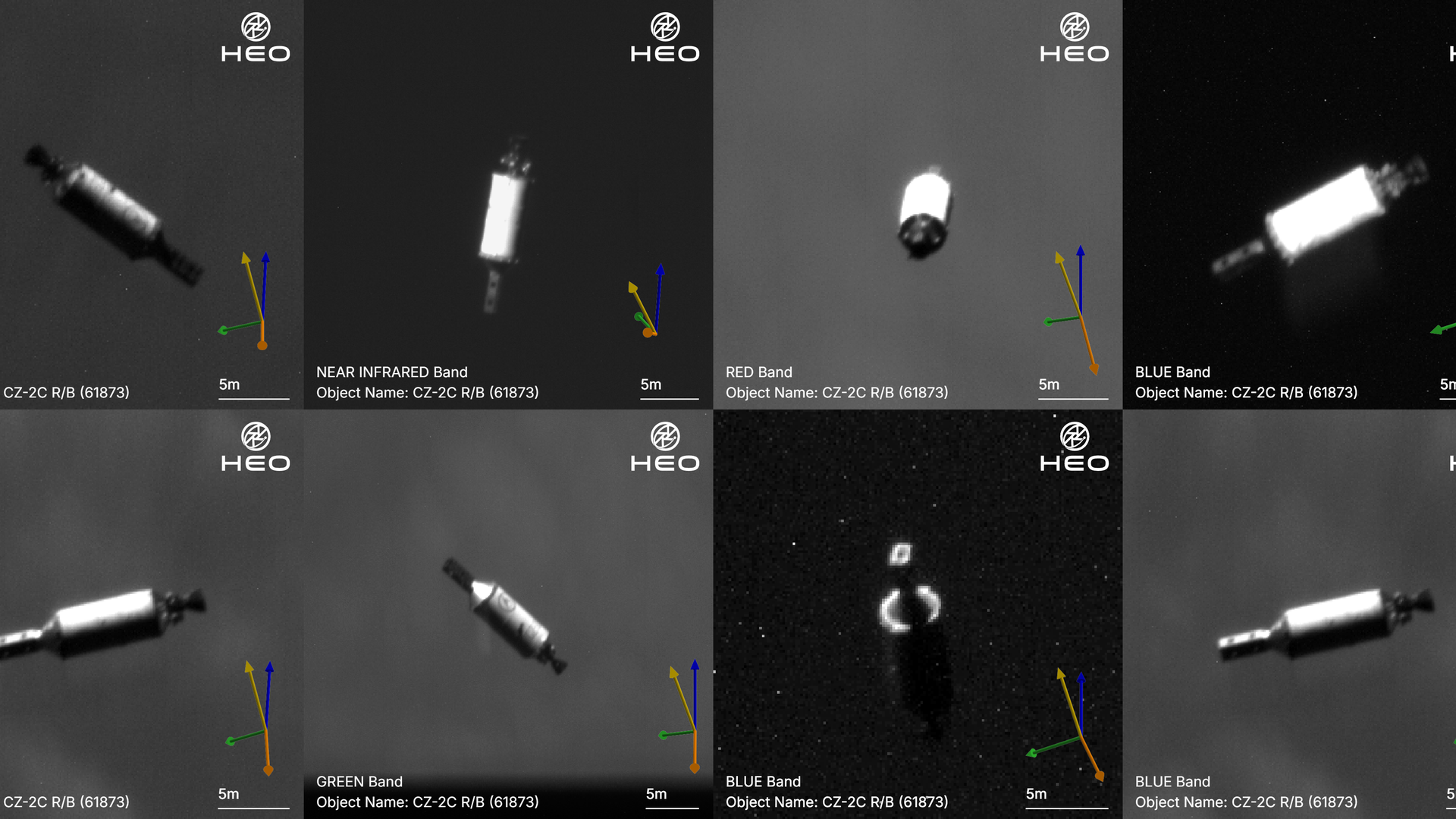
Australian space object imagery startup HEO has raised $25 million in Series B funding, Axios is first to report.
Why it matters: The company uses cameras and sensors attached to satellites to take "flyby" images of other satellites and spacecraft in orbit — a technique that it says provides a more complete picture than relying solely on Earth-based tracking.
That lets space companies and governments see objects in orbit, to help them better understand what's going on with their spacecraft and satellites — or those of adversarial nations.