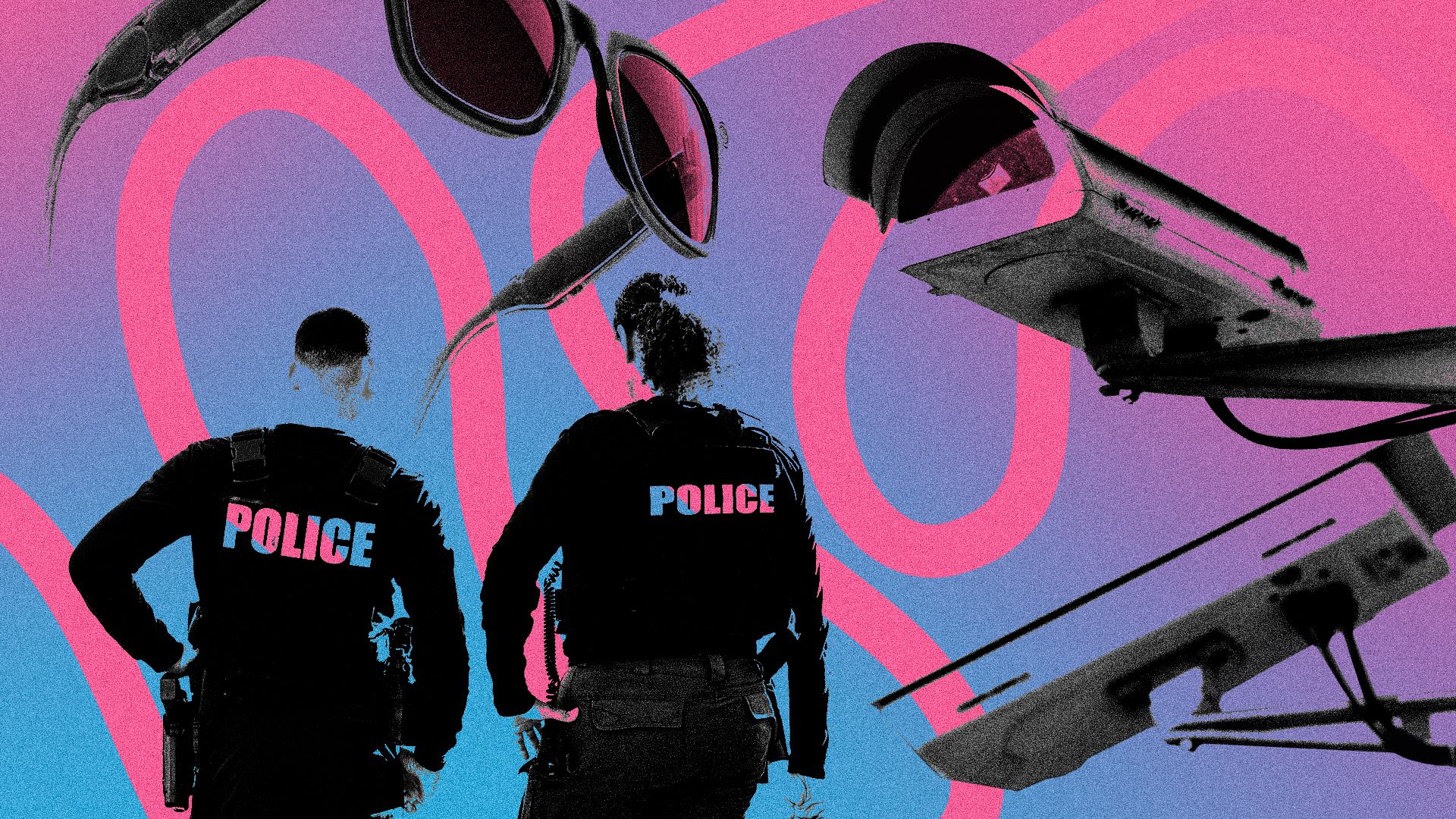
As venues adopt new security technology and fans wear cameras, attending a live event can come with privacy concerns.
Why it matters: Safety has always been a concern at large gatherings. But technology is giving venues more powerful ways to identify and track who's inside.
What's the commonthread connecting AI advances, biological breakthroughs, a preponderance of high-risk-high-reward research, escalating geopolitical tensions and a hollowed-out U.S. public health sector?
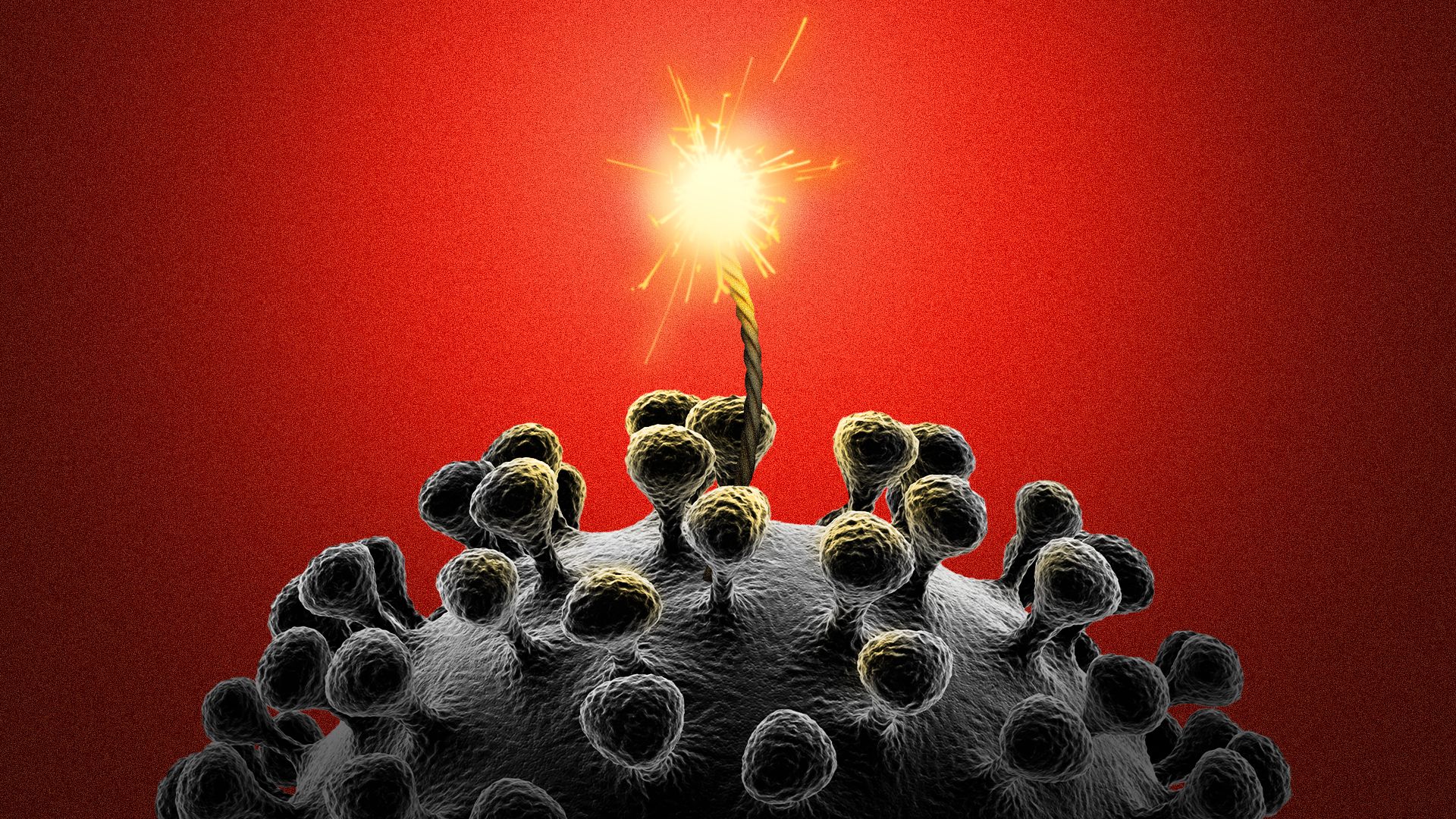
They all heighten the risk that one day a lethal human-made pathogen will emerge, either accidentally or intentionally, and we won't be ready for it.
Why it matters: The same advances that make this a pivotal moment for medical innovation are intensifying the risk of catastrophic lab mishaps, though how significant a risk is hotly debated by experts.
"It is a very small tweak from trying to target a disease, and making gene therapies to try to target a disease, to turning a virus into something that can be much more detrimental," said Ashish Jha, the Biden administration's COVID response coordinator.
He has since founded a company that aims to detect emerging biological threats.
Utah technology leaders are recommending statewide adoption of Claude Code for state government software developers and expanding the state's AI partnership with Anthropic after a pilot exceeded expectations.
The details: In early 2026, Utah's Division of Technology Services ran a four-week Claude Code pilot with 34 developers across 10 executive-branch agencies.
Alan Fuller, Utah's chief information officer, and Christian Napier, Utah's director of AI, discuss what the pilot revealed and what comes next for AI across Utah's public sector.